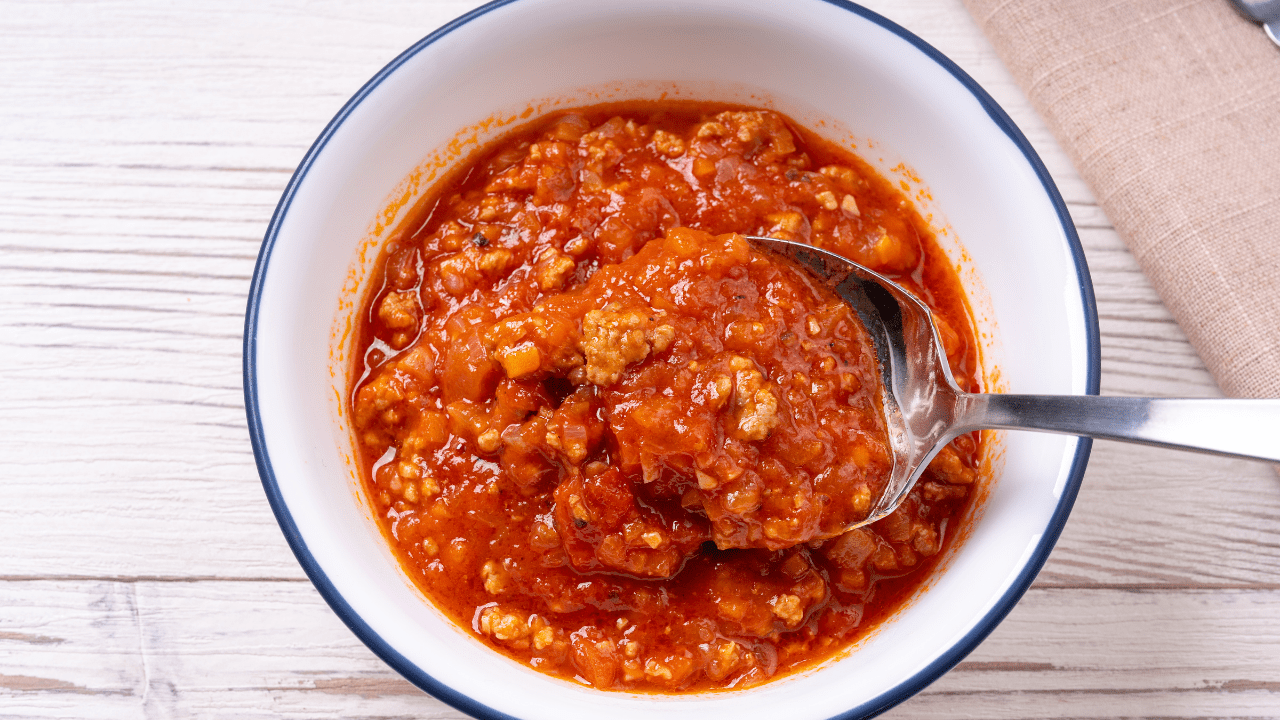
Key Takeaways
- Pomodoro sauce is a classic Italian tomato sauce made with just 5-6 simple ingredients
- The sauce is smoother and thicker than marinara, making it perfect for pasta, pizza, and more
- You can use fresh or canned San Marzano tomatoes for authentic flavor
- The recipe is family-friendly, freezer-friendly, and takes about 45 minutes
- This sauce is naturally vegan and can be customized with your favorite herbs and spices
Okay, can we talk about how a simple pot of tomato sauce can make you feel like an actual Italian grandmother? Because that’s exactly what happens every time I make this pomodoro sauce recipe in my kitchen. The kids come running, my husband wanders in asking what smells so good, and even the dog parks himself by the stove hoping for a taste. It’s basically magic in a pot.
Now, I’ll be honest with you. For years, I was that person who thought all tomato sauce was basically the same. Red, tomatoey, delicious on pasta. Done. But then I learned about pomodoro sauce, and let me tell you, it changed my entire pasta game. This isn’t your typical jarred sauce situation. This is the real deal, authentic Italian stuff that tastes like you spent hours slaving away when really, you were probably folding laundry and breaking up arguments between kids at the same time.
The best part? You probably have most of the ingredients sitting in your pantry right now. And if you don’t, they’re all super easy to find at any grocery store. No fancy Italian market required, though I do love a good excuse to wander around one pretending I’m on vacation in Tuscany.
What Exactly Is Pomodoro Sauce?
Here’s your fun Italian word for the day: pomodoro literally means “tomato” in Italian. So technically, we’re making tomato sauce. But it’s not just any tomato sauce. It’s THE tomato sauce. The one that Italian nonnas have been making for generations. The one that uses just a handful of simple, quality ingredients and lets the tomatoes be the star of the show.
Traditional pomodoro sauce is made with fresh tomatoes, extra virgin olive oil, garlic, fresh basil, and salt. That’s it. No long list of spices, no mystery ingredients, nothing you can’t pronounce. Just pure, simple, tomato goodness. And honestly? Sometimes simple is exactly what we need, especially when you’re juggling four kids, a million activities, and trying to get dinner on the table before someone has a meltdown (and let’s be real, that someone might be me).
The cool thing about pomodoro sauce is that it’s super versatile. It works as a base for so many dishes. Pasta, obviously. But also pizza, chicken parmesan, lasagna, meatballs, you name it. I’ve even used it as a dipping sauce for homemade breadsticks when I’m feeling fancy on a Friday night.
Pomodoro Sauce vs. Marinara: What’s the Difference?
I know what you’re thinking because I thought the same thing: aren’t pomodoro and marinara basically the same? Well, not quite, and here’s where it gets interesting.
The main differences come down to texture and cooking time:
Texture: Pomodoro sauce is smooth and thick, almost like a creamy tomato sauce but without any cream. Marinara is chunkier and more rustic, with visible pieces of tomato throughout. Think of pomodoro as spreadable (perfect for pizza!) while marinara is more of a sauce you’d ladle over pasta.
Cooking Time: Marinara is the quick weeknight option, simmering for about 30 minutes. Pomodoro takes a bit longer, usually 45 minutes to an hour, which gives it time to develop that rich, deep flavor and thicker consistency. Though honestly, both are pretty fast compared to a traditional Sunday gravy that cooks all day.
Ingredients: Marinara often includes oregano, red pepper flakes, and sometimes other herbs. Pomodoro keeps it simple with just basil, garlic, and olive oil. That said, both sauces are super forgiving, and plenty of cooks (including me) like to put their own spin on things.
Color: Marinara stays bright red because it cooks quickly. Pomodoro develops a deeper, richer red color from the longer simmer time.
Bottom line? Both are delicious. I make marinara when I need something fast and chunky. I make pomodoro when I want something smooth, rich, and a little more special. And sometimes I make both and freeze them because meal prep is life when you have four kids.
The Secret to Amazing Pomodoro Sauce: Quality Ingredients
Here’s the thing about recipes with only a few ingredients. Each one really matters. When you’re not hiding behind a bunch of spices and additions, the quality of what you use shines through. It’s like wearing a simple white t-shirt. It either fits perfectly and looks amazing, or it doesn’t. There’s nowhere to hide.
The Tomatoes
This is where it all starts. You’ve got two options: fresh or canned.
Fresh Tomatoes: If it’s summer and you have access to gorgeous, ripe, sweet tomatoes, use them! Look for varieties like San Marzano, Roma, or plum tomatoes. They’re meaty, not too watery, and perfect for sauce. I love hitting up the farmers market in the summer and grabbing whatever looks and smells amazing. Cherry tomatoes work too, though they take longer to blanch and peel because they’re smaller.
Pro tip from a mom who’s learned this the hard way: if you’re using fresh tomatoes, you’ll need to blanch them to remove the skins. The skins are too tough and won’t break down in the sauce. Don’t skip this step! I made that mistake once, and let’s just say the kids were not impressed with the chewy bits in their pasta.
Canned Tomatoes: Now, I use canned tomatoes probably 80% of the time because let’s be real, I’m not always organized enough to plan my sauce-making around tomato season. And you know what? Canned is totally fine! In fact, many Italian cooks swear by canned San Marzano tomatoes.
Look for whole peeled San Marzano tomatoes if you can find them. They’re grown in the volcanic soil near Mount Vesuvius in Italy, and they have this perfect balance of sweetness and acidity. Brands like Cento, San Marzano, or even the Whole Foods 365 brand work great. You want tomatoes packed in juice or puree, not in sauce with a bunch of added seasonings.
For this recipe, you’ll need about 3 pounds of fresh tomatoes or two 28-ounce cans of whole peeled tomatoes. That makes enough sauce for about a pound of pasta, which feeds my crew with maybe a little leftover.
The Olive Oil
Use a good quality extra virgin olive oil. I’m not saying you need to splurge on the $40 bottle (I mean, unless you want to, no judgment). But get something that tastes good when you dip bread in it. That flavor is going to come through in your sauce. I usually grab whatever organic, cold-pressed option is on sale at Trader Joe’s or Costco.
The Garlic
Fresh garlic is the way to go here. I usually use about 4 cloves, but if you’re a garlic lover like my husband (seriously, he could eat it raw), feel free to add more. If you’re making this for kids who are still in that “I hate garlic” phase, you can use less or go with the clever trick of adding whole smashed cloves that you fish out before serving.
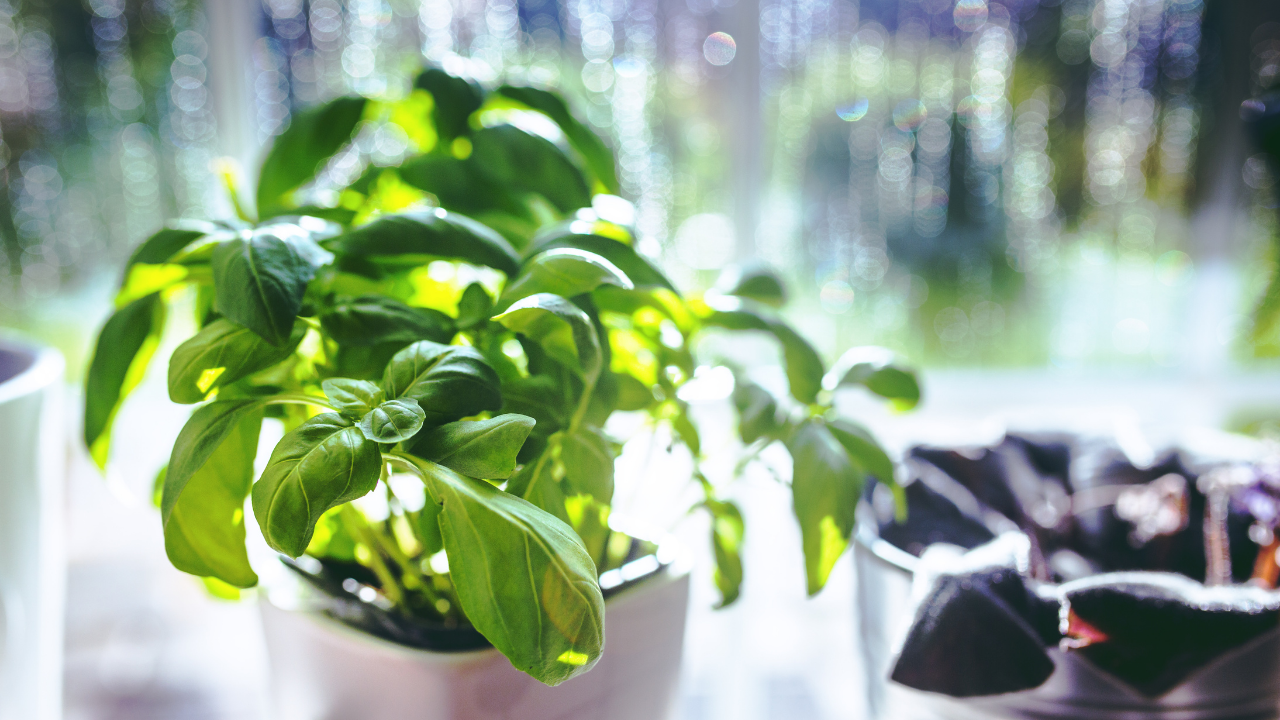
The Basil
Fresh basil is really what makes this sauce sing. There’s just no substitute for those bright, aromatic leaves. I grow basil in my garden during the summer (it’s basically impossible to kill, which is perfect for my gardening skills), and I buy it from the store in the winter. Get a good bunch because you’ll use it both in the sauce and as a garnish.
Salt, Pepper, and Optional Additions
Good quality sea salt or kosher salt makes a difference. I like to taste and adjust as I go. Some people add a pinch of sugar to balance the acidity of the tomatoes. I do this sometimes, especially if my tomatoes are particularly tart. Start with half a teaspoon and adjust to taste.
You can also add a small onion or shallot if you like. It’s not traditional in the most basic pomodoro recipes, but it adds a nice depth of flavor. I dice it super fine and sauté it with the garlic.
How to Make Pomodoro Sauce: Step-by-Step
Alright, let’s get into the actual cooking. This is easier than you think, I promise. If I can make this while helping with homework and preventing the dog from stealing snacks off the counter, you can definitely do this.
Step 1: Prep Your Tomatoes
If using fresh tomatoes:
- Bring a large pot of water to a boil. Make it a big pot because you’ll be using this water later to cook your pasta. Waste not, want not, right?
- While the water heats up, use a sharp knife to cut a small X on the bottom of each tomato. This helps the skin peel off easily.
- When the water is boiling, carefully drop in your tomatoes. Let them blanch for about 30 seconds to 1 minute. You’ll see the skins start to split and peel back.
- Use a slotted spoon to transfer the tomatoes to a bowl of cold water. This stops the cooking process and makes them cool enough to handle.
- Now comes the satisfying part: slip off the skins with your hands. They should come off super easily. If they don’t, your tomatoes might need another quick dip in the hot water.
- Cut the tomatoes in half and scoop out most of the seeds over a bowl. Then dice the tomatoes into small pieces.
At this point, you can store the prepped tomatoes in the fridge for up to 4 days or in the freezer for up to 3 months. This is a game changer for busy weeknights! I sometimes blanch a huge batch on Sunday and have them ready to go all week.
If using canned tomatoes:
Lucky you! Just open the cans and get ready to use them. You’ll crush or blend them later, so no need to do anything fancy now.
Step 2: Start Your Sauce
- Heat about 3 tablespoons of olive oil in a large, wide skillet or saucepan over medium heat. I like using a 12-inch skillet because the wider surface area helps the sauce reduce faster.
- If you’re using onion or shallot, add it now and cook until it’s soft and translucent, about 5-7 minutes. The kitchen should start smelling amazing at this point.
- Add your minced or smashed garlic cloves and cook for about 30 seconds, just until fragrant. Don’t let the garlic burn or it’ll taste bitter. Learn from my mistakes here.
Step 3: Add the Tomatoes and Simmer
- If you’re using whole canned tomatoes, crush them with your hands right over the pot as you add them. It’s messy and fun, and the kids love helping with this part (just maybe put a towel down first).
- Add all those beautiful prepared tomatoes to the pot, along with any juice. Give it a good stir.
- Season with salt. I usually start with about a teaspoon and adjust later.
- Bring the sauce to a gentle boil, then reduce the heat to low. Let it simmer, uncovered, for about 30-45 minutes. You want it to thicken up and develop that deep, rich flavor. Stir it occasionally to prevent sticking.
The sauce is ready when it’s thickened noticeably and looks glossy. It should coat the back of a spoon. If it’s still too thin, let it simmer a bit longer. If it’s getting too thick or starting to stick, add a splash of water or pasta cooking water.
Step 4: Finish the Sauce
- Tear your fresh basil leaves into small pieces and stir them into the sauce. I use about 6-8 leaves, but use more if you’re a basil fanatic like me.
- If you used whole garlic cloves, fish them out now.
- Here’s where you have options:For smooth pomodoro: Use an immersion blender right in the pot to blend until completely smooth. This is my go-to method because it’s easy and there’s less cleanup. Alternatively, you can carefully transfer the sauce to a regular blender (in batches if needed) and blend until smooth. Just be careful with hot liquid in a blender – it can splatter!
For rustic pomodoro: Leave it as is or give it just a few quick pulses with the immersion blender for a semi-smooth texture.
- Taste and adjust the seasoning. Need more salt? Add it. Want a pinch of sugar to balance acidity? Go for it. A crack of black pepper? Yes, please. This is your sauce, make it work for you.
Step 5: Serve It Up
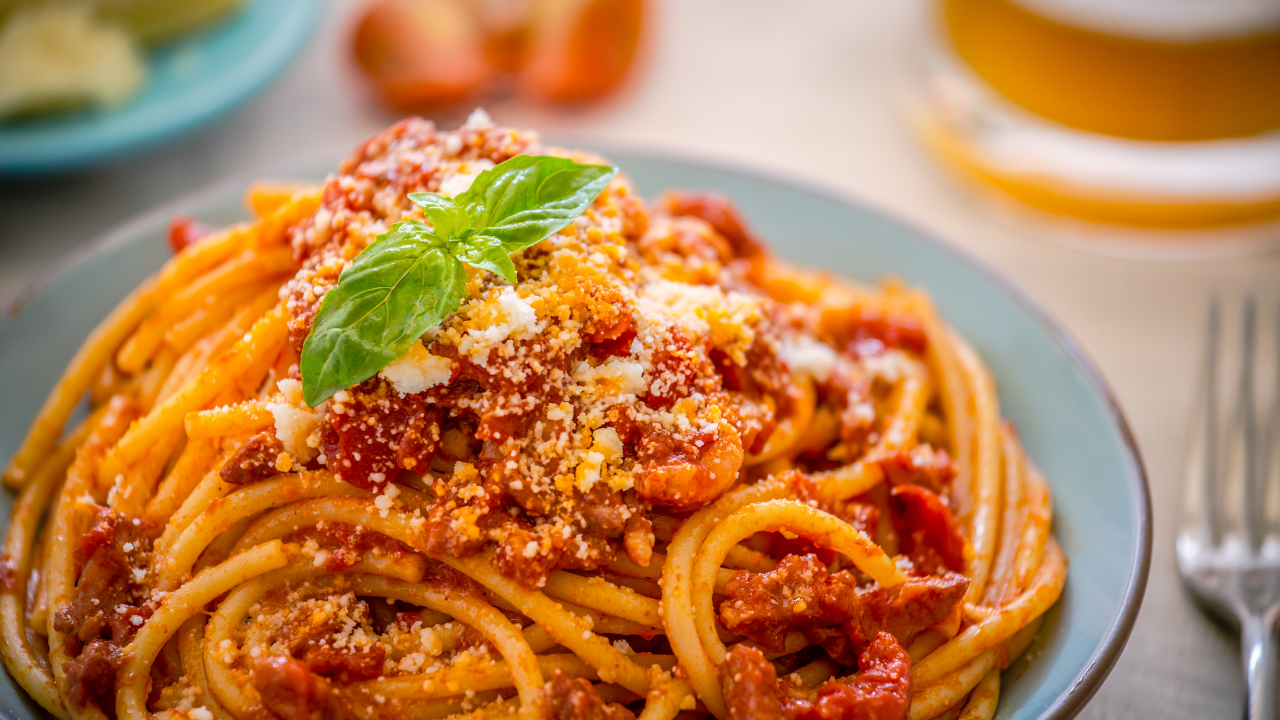
The traditional way to serve pomodoro is with pasta (pasta al pomodoro). Here’s my method:
- Cook your pasta in well-salted boiling water until it’s just al dente (still has a bit of bite to it). Reserve about a cup of the pasta cooking water before draining.
- Add the drained pasta directly to your sauce in the pan. Toss it all together over low heat.
- Add a few splashes of that reserved pasta water. This is the secret! The starchy water helps the sauce cling to the pasta and creates this beautiful, silky consistency.
- If you want to get fancy (and I do, sometimes), add a pat of butter. It’s not traditional, but it makes the sauce incredibly rich and glossy. Thank you, Marcella Hazan, for this genius addition.
- Finish with freshly grated Parmesan cheese and more torn basil leaves.
Transfer to serving bowls and watch your family dive in. Just maybe have napkins ready because this gets delightfully messy.
My Best Tips for Perfect Pomodoro Sauce

After making this sauce approximately 47,000 times (or maybe just a few hundred, but it feels like more), I’ve picked up some tricks:
Use a wide pan: A 12-inch skillet works better than a tall pot because more surface area means faster reduction. Plus, you can finish your pasta right in the same pan.
Don’t rush it: Yes, you can make a quick sauce in 20 minutes, but the magic really happens around the 40-45 minute mark when everything has time to meld together.
Taste as you go: Start with less salt and add more at the end. Tomatoes vary in acidity and flavor, so your sauce might need different amounts of seasoning.
Listen to your sauce: If it sounds like bubbling water, it’s too wet. If it’s making scratchy sounds, it’s drying out. Add a splash of liquid if needed.
Save that pasta water: I say this all the time, but it bears repeating. That starchy water is liquid gold for finishing your pasta dishes.
Make extra: This sauce freezes beautifully, so I always make a double batch. Freeze it in portions (ice cube trays work great for small amounts) and you’ll have homemade sauce ready whenever you need it.
Get the kids involved: Even little ones can help tear basil leaves or stir the sauce (with supervision). It makes them more excited to eat it, trust me.
Ways to Use Your Pomodoro Sauce
Sure, pasta is the classic option, but this sauce is so versatile! Here are some of my family’s favorite ways to use it:
Classic Pasta Dishes: Toss with spaghetti, penne, rigatoni, or any pasta shape you love. Add meatballs, Italian sausage, or keep it vegetarian.
Pizza Sauce: Spread it on your pizza dough as a base. The thick consistency means you won’t get a soggy crust.
Chicken Parmesan: Pour it over breaded chicken cutlets topped with mozzarella. So good!
Eggplant Parmesan: Same idea, but with eggplant slices. Perfect for Meatless Monday.
Lasagna: Layer it in your lasagna with ricotta, mozzarella, and noodles.
Shakshuka: Use it as a base for poaching eggs. Add some spices like cumin and paprika, crack in some eggs, and you’ve got an amazing breakfast or brunch.
Baked Ziti or Pasta Bake: Mix with cooked pasta and cheese, then bake until bubbly.
Meatball Subs: Simmer your meatballs in the sauce and pile onto hoagie rolls with provolone.
Soup Base: Thin it out with broth and use it as a base for tomato soup or minestrone.
Dipping Sauce: Serve it alongside mozzarella sticks, breadsticks, or garlic bread.
With Fish: Believe it or not, a simple white fish like cod or halibut is amazing when baked in pomodoro sauce.
The options are honestly endless. I’ve even used it as a base for chili and it was delicious!
Make-Ahead and Storage Tips
This is where pomodoro sauce really shines for busy families. You can prep it ahead and have it ready whenever you need a quick dinner.
Make-Ahead: You can make this sauce up to 2 days in advance. Just let it cool completely, transfer to an airtight container, and refrigerate. When you’re ready to use it, gently reheat it in a saucepan over low heat. It might thicken up in the fridge, so add a splash of water or broth if needed.
Refrigerator Storage: Cooked pomodoro sauce will keep in the fridge for up to 7 days in an airtight container. I like using glass jars or containers.
Freezer Storage: This is my favorite trick! The sauce freezes beautifully for up to 3 months. I freeze it in a few different ways:
- Large batches in quart-sized freezer bags (lay them flat to freeze, then stack them to save space)
- Smaller portions in pint containers for quick weeknight dinners
- In ice cube trays for adding small amounts to recipes
To thaw, move it to the fridge the night before you need it, or reheat from frozen in a saucepan over low heat. Just add a splash of water as it thaws and heats.
Pro tip: Label everything with the date! I’ve found mystery containers in my freezer more times than I care to admit.
Frequently Asked Questions
Can I use cherry tomatoes for pomodoro sauce?
Absolutely! Cherry or grape tomatoes work great, especially in the summer when they’re super sweet. You’ll just need more of them (they’re smaller, after all), and blanching them takes a bit longer since you’re dealing with multiples. But the flavor is fantastic and worth the extra effort.
Do I have to peel the tomatoes?
If you’re using fresh tomatoes, yes, you really should peel them. The skins don’t break down during cooking and can create an unpleasant texture in the finished sauce. Trust me, I’ve tried skipping this step in the name of time-saving, and it’s not worth it. The blanching method makes it super easy.
If you’re using canned tomatoes, they’re already peeled, so you’re good to go!
Can I make pomodoro sauce spicy?
Definitely! While traditional pomodoro isn’t spicy, there’s no reason you can’t add some heat. A pinch of red pepper flakes does the trick nicely. Start with a quarter teaspoon and add more to taste. If you really want to kick it up, you’re basically making arrabbiata sauce, which is pomodoro’s spicy cousin.
What’s the best pasta shape to serve with pomodoro sauce?
Honestly? Any pasta you love! The smooth, thick consistency clings well to just about everything. That said, long pasta shapes like spaghetti, linguine, or bucatini are traditional. But penne, rigatoni, and other short shapes work great too. I often just use whatever I have in the pantry.
Can I add meat to this sauce?
Yes! While traditional pomodoro is meatless, you can absolutely add cooked Italian sausage, ground beef, or meatballs. Brown the meat first, set it aside, make the sauce, then add the meat back in to simmer together. Some people also add a bit of pancetta or bacon with the garlic at the beginning for extra flavor.
Why is my sauce watery?
A few possible reasons:
- Your tomatoes had a lot of water content (common with fresh tomatoes)
- The sauce didn’t simmer long enough
- You added too much liquid
The fix? Keep simmering! Let it cook uncovered until it reaches your desired thickness. Fresh tomatoes especially can vary in water content, so cooking time may need to be adjusted.
Can I use dried basil instead of fresh?
In a pinch, sure. But fresh basil really does make a huge difference in this sauce since there are so few ingredients. If you must use dried, use about a teaspoon of dried basil for every 6-8 fresh leaves. Add it earlier in the cooking process so it has time to rehydrate and release its flavor.
Is pomodoro sauce healthy?
Yes! It’s naturally vegan, low in calories, and packed with good stuff. Tomatoes are rich in lycopene (an antioxidant), vitamins C and K, and potassium. Olive oil provides healthy fats. Garlic and basil have anti-inflammatory properties. It’s a win all around, especially compared to cream-based sauces or store-bought jarred sauces with added sugars and preservatives.
Can I can or preserve this sauce?
Yes, you can! If you’re into canning, this sauce is a great candidate for water bath canning. You’ll want to follow proper canning procedures and add lemon juice or citric acid to ensure the proper acidity level for safe preservation. I’m not a canning expert, so I’d recommend consulting the National Center for Home Food Preservation for specific guidelines.
That said, freezing is easier and just as effective for most home cooks!
My Thoughts on Pomodoro Sauce
Look, I know it might seem silly to wax poetic about tomato sauce, but hear me out. In a world of meal kit subscriptions, takeout apps, and frozen dinners (all of which I use, no shame!), there’s something really special about making a sauce from scratch. It’s not complicated, it’s not time-consuming, and it makes your whole house smell like an Italian restaurant.
Plus, when you serve dinner and your kids actually ask for seconds? That’s a parenting win worth celebrating. And when you can pull a container of homemade sauce out of the freezer on a chaotic Wednesday night and have dinner on the table in 15 minutes? That’s just smart meal planning.
This pomodoro sauce recipe has become one of my kitchen staples. I make it in big batches during the summer when tomatoes are amazing and freeze it for winter. I make it on lazy Sunday afternoons when I have time to let it simmer and fill the house with amazing smells. I make it on busy weeknights using canned tomatoes because it’s still faster and tastier than delivery.
However you make it, whenever you make it, I hope it becomes one of your go-to recipes too. There’s a reason this sauce has been made in Italian kitchens for generations. It’s simple, delicious, and it just works.
Now, if you’ll excuse me, I have some pasta water boiling and a pot of sauce that needs finishing. The kids are already hovering around the kitchen asking when dinner will be ready.
Got questions about this recipe? Drop them in the comments below! I love hearing from you and I read every single comment. And if you try this pomodoro sauce, please let me know how it turns out!
Happy cooking, friends! May your sauce never burn and your pasta water always be salty enough.
See more of my recipe posts here!
See more of my food and recipe posts here
Liked this post? You might like these!
Enoki Mushrooms Guide
Rotel Cheese Dip
Pineapple Cucumber Salad
Creamed Peas

Becky is the voice behind Life in Velvet, an organised, intentional living blog focused on practical food, calm homes, thoughtful projects, and everyday systems that make real life feel easier. A mum of 3 living in the UK, Becky writes from lived experience, sharing what works, what doesn’t, and the decisions that make family life run more smoothly.
With a background in marketing and content writing, and over a decade of blogging experience, she brings a thoughtful, structured approach to everything from baking and home projects to routines and decision-making. Life in Velvet is where planning meets creativity, with ideas designed for real homes and real life.