Buying a car is one of those decisions that can take a lot of planning. You think about the make and model, how much you can afford each month, insurance, fuel and maintenance, and hopefully you spend a little time imagining yourself enjoying the car for years to come.
What most of us don’t spend quite so much time thinking about is what would happen if the car were stolen or written off only a few months after buying it.
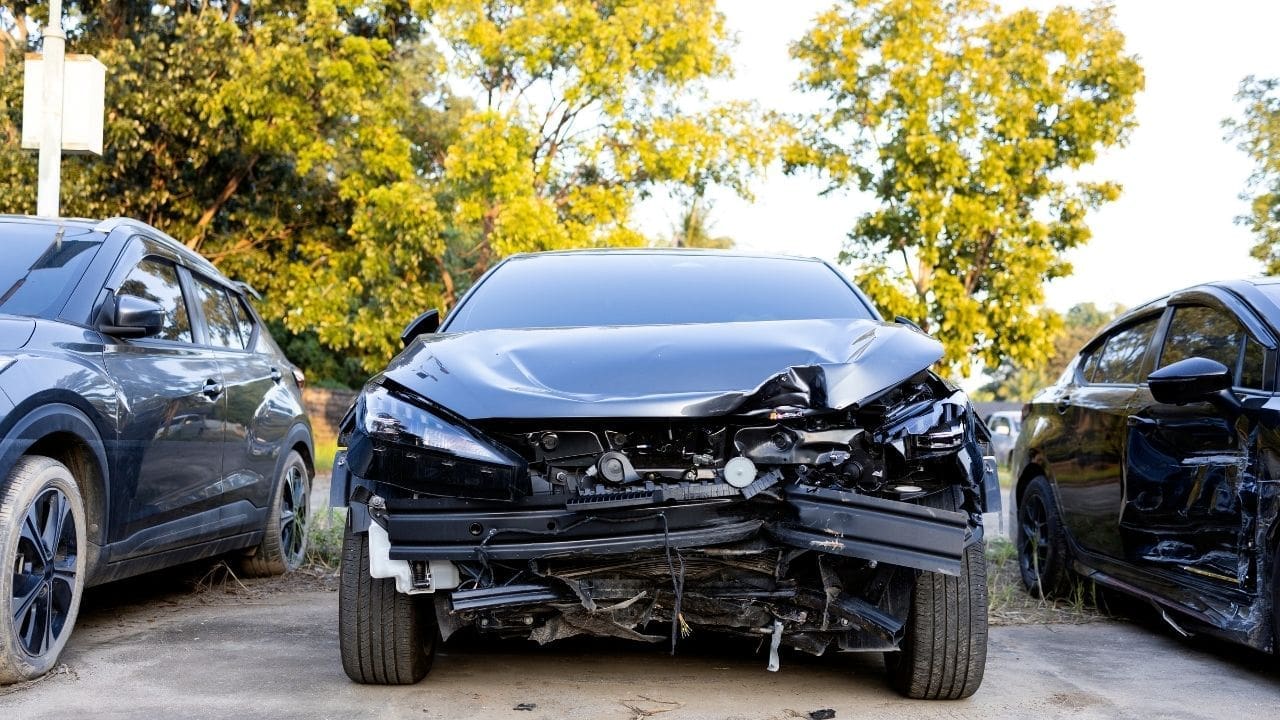
Nobody wants to imagine being in that situation, but accidents happen, and cars can be declared a total loss even when they don’t look destroyed. When that happens, you might expect your motor insurance to simply replace the car or pay back what you originally spent. Unfortunately, it isn’t always that straightforward.
Why Your Car Can Be Worth Less Than You Think
The problem comes down to depreciation.
A car can lose value surprisingly quickly, particularly during the early years of ownership. If you bought a vehicle for £25,000, for example, it may not be worth £25,000 by the time you make a claim. Your comprehensive motor insurance will generally look at the vehicle’s value at the time it was written off rather than what you originally paid for it.
That can leave you with an uncomfortable financial gap.
Imagine that your insurer values your car at £20,000 after an accident, but you still owe £23,000 on your finance agreement. You could potentially be left finding £3,000 yourself before you can move on and replace the vehicle.
This is where Gap Insurance can become worth considering. Depending on the type of policy, it can help cover the difference between your motor insurer’s settlement and the amount you paid for the vehicle or still owe on finance, helping to reduce the financial shock of having a car written off or stolen.
The Finance Doesn’t Disappear When Your Car Does
This is perhaps the part that catches people by surprise.
If your car is written off, your finance agreement doesn’t simply disappear with it. You can be left without a vehicle while still having money outstanding on the original one.
For anyone relying on their car every day, this can make an already stressful situation considerably more difficult. You might need another vehicle quickly to get to work, take children to school, or simply manage the everyday errands that most of us don’t think twice about until we don’t have a car.
Having to find a deposit for another vehicle while potentially paying off a shortfall on the previous one isn’t an ideal situation.
Of course, whether GAP insurance is appropriate depends on your circumstances, the type of finance you have, the vehicle itself and the terms of the policy. It is worth checking exactly what is covered rather than assuming every GAP policy works in the same way.
Thinking About the Worst Case Before You Need To
Insurance is one of those things that can feel unnecessary when everything is going well. You pay for the protection and hope you never need to use it.
That is particularly true with something like GAP insurance because nobody buys a new car expecting it to be stolen or written off. But thinking about the financial consequences beforehand can make it easier to decide whether additional protection makes sense for you.
It can also be useful to consider how you would cope financially if your car suddenly disappeared tomorrow. Would your motor insurance payout be enough to replace it with something similar? Would you still owe money on your existing finance? Could you afford to cover a shortfall while arranging another vehicle?
Those aren’t particularly pleasant questions, but they are practical ones.
A Little More Certainty When Life Doesn’t Go to Plan
We tend to think about car ownership in terms of the monthly payment, but the real financial commitment can be much bigger. Depreciation, finance balances and the cost of replacing a vehicle can all become important if something unexpected happens.
That doesn’t mean everyone needs every type of vehicle protection available. It simply means understanding what your existing insurance does and doesn’t cover, and considering whether there is a potential gap that could cause financial difficulty.
For many drivers, having that extra layer of protection is about more than the car itself. It is about avoiding an unexpected bill at exactly the moment when life is already stressful enough.
Hopefully, you will never need to make a claim. But if the worst does happen, knowing in advance how you would deal with the financial side of replacing your car can provide a little more peace of mind.
See more posts about intentional decisions here

Becky is the voice behind Life in Velvet, an organised, intentional living blog focused on practical food, calm homes, thoughtful projects, and everyday systems that make real life feel easier. A mum of 3 living in the UK, Becky writes from lived experience, sharing what works, what doesn’t, and the decisions that make family life run more smoothly.
With a background in marketing and content writing, and over a decade of blogging experience, she brings a thoughtful, structured approach to everything from baking and home projects to routines and decision-making. Life in Velvet is where planning meets creativity, with ideas designed for real homes and real life.