
KEY TAKEAWAYS:
- Enoki mushrooms are low-calorie, nutrient-dense fungi with a mild, slightly sweet flavor and satisfying crunch
- Always cook enoki mushrooms before eating (never consume raw per FDA/CDC guidelines)
- They’re incredibly versatile and cook in just 2-3 minutes using various methods like stir-frying, baking, or steaming
- Rich in B vitamins, antioxidants, and fiber, these mushrooms support immune health and digestion
- Store in their original packaging in the fridge for up to one week, or prep ahead for easy weeknight meals
Listen, I’ll be honest with you. The first time I saw enoki mushrooms at our local Asian market, I walked right past them. They looked like something out of a science fiction movie with those impossibly thin white stems and tiny caps. But then my friend Sarah (who’s basically a mushroom evangelist at this point) convinced me to give them a try, and oh my goodness, I’ve been hooked ever since!
These delicate little beauties have become a weekly staple in our house. With four kids constantly asking “what’s for dinner?” and a husband who thinks he needs meat at every meal, I needed something that was quick, healthy, and could satisfy everyone. Enter enoki mushrooms. They’re so versatile that even my pickiest eater (looking at you, middle child) actually requests them now.
Today, I’m sharing everything I’ve learned about cooking with enoki mushrooms, from the basics of what they are to my favorite ways to prepare them. Whether you’re a complete beginner or you’ve cooked with them before, I promise you’ll find something new here!

What Exactly Are Enoki Mushrooms?
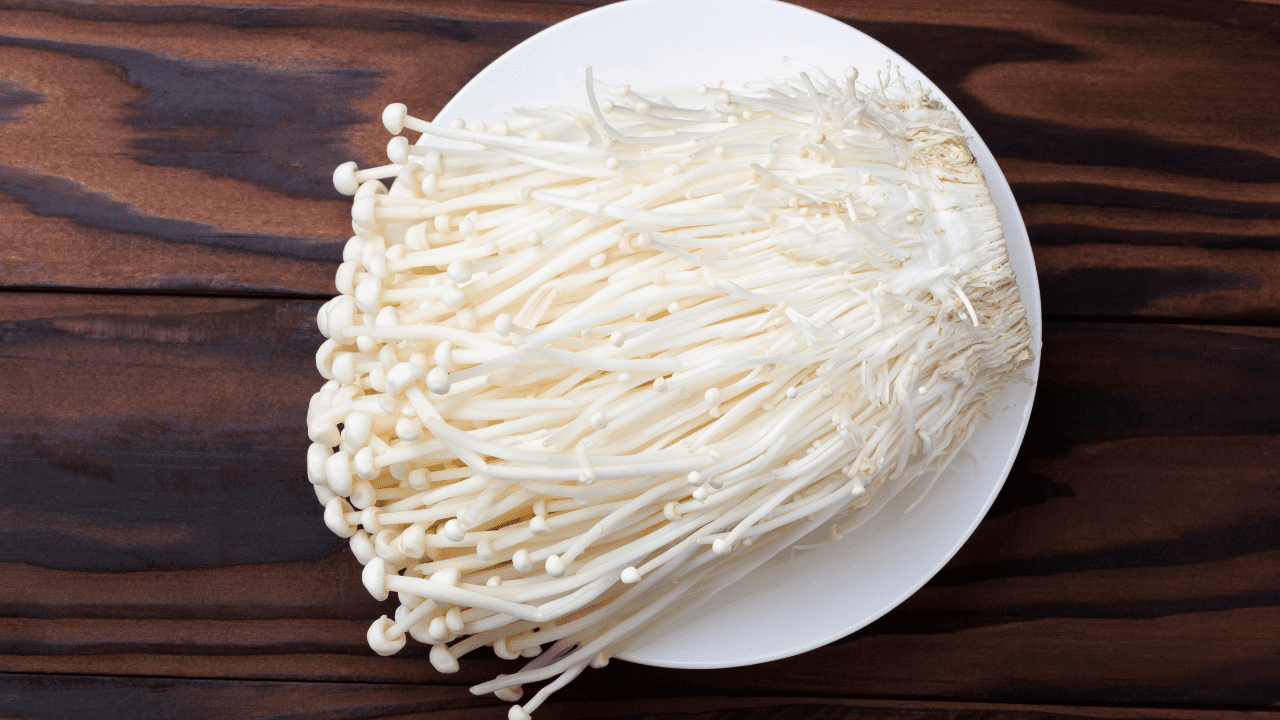
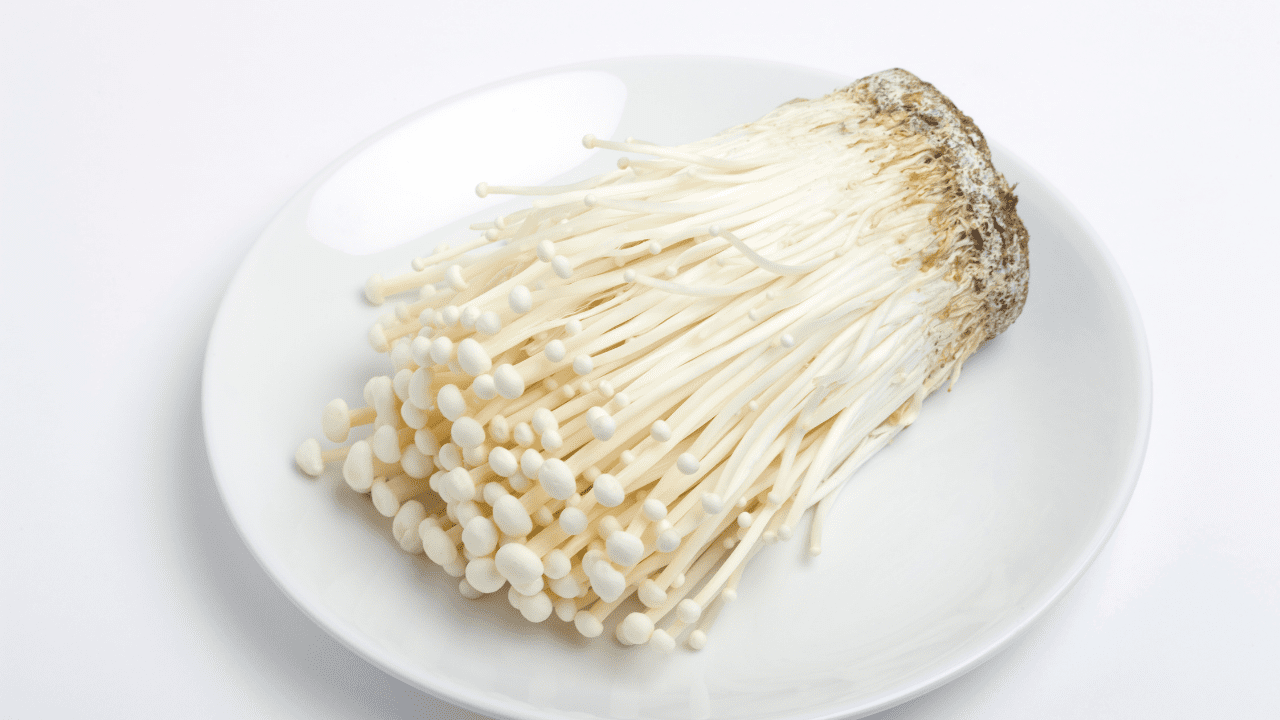
Enoki mushrooms (also called enokitake, golden needle mushrooms, or by their Chinese name “jin zhen gu”) are those adorable long, skinny white mushrooms you’ve probably seen in Asian grocery stores. They grow in tight clusters with tiny button caps on top of super slender stems that can be 3-5 inches long.
Here’s the thing that blew my mind: wild enoki mushrooms actually look completely different! In nature, they’re brown or orange with short, thick stems. The white ones we buy in stores are cultivated in special dark conditions, which gives them that distinctive pale color and elongated shape.
Originating from Japan, these mushrooms have been used in Asian cooking for centuries. They’re mild, slightly sweet, with just a hint of earthy flavor, and they have this amazing crunchy texture that’s totally unique in the mushroom world. Think of them as the noodles of the mushroom family!
Why You Should Be Cooking with Enoki Mushrooms
Okay, so beyond the fact that they’re absolutely delicious, enoki mushrooms are nutrition powerhouses. I’m not going to pretend I’m a dietitian (I’m just a mom who reads a lot of food blogs), but the research on these little guys is pretty impressive.
One cup of enoki mushrooms contains only about 24-37 calories but packs in tons of B vitamins, particularly niacin, which helps regulate cholesterol and supports brain health. They’re also loaded with antioxidants that help reduce oxidative damage and protect your cells.
Studies suggest enoki mushrooms may support immune function, promote heart health by helping lower cholesterol and triglycerides, and even have anti-cancer properties. Plus, they’re high in dietary fiber, which is great for digestion and keeping you full.
For my family, the real win is that they’re a fantastic meat substitute. My youngest daughter has recently decided she wants to be a vegetarian (this week, anyway), and enoki mushrooms give her that satisfying, chewy texture she was missing from meat dishes.
Where to Buy Enoki Mushrooms (And What to Look For)
You’ll find enoki mushrooms in the refrigerated section of most Asian grocery stores like H-Mart, 99 Ranch, or smaller local Asian markets. They’re becoming more mainstream too, so check the specialty mushroom section at Whole Foods, Trader Joe’s, or even your regular supermarket.
They usually come vacuum-sealed in plastic packages weighing about 7 ounces (200g). Here’s what to look for when you’re shopping:
Fresh enoki mushrooms should be:
- Pure white or very pale cream colored
- Firm to the touch, not limp or mushy
- Completely dry inside the packaging
- Free from any slimy spots or dark discoloration
- Odorless (if they smell funky, skip them!)
Red flags to avoid:
- Yellowing or browning caps
- Wet or slimy texture
- Strong or unpleasant odour
- Excessive moisture in the packaging
- Any visible mould
Pro tip from someone who’s made this mistake: if your enoki mushrooms are in regular plastic wrap (not vacuum-sealed), use them within a day or two. That moisture buildup will make them go bad super fast. Trust me on this one!

How to Prep Enoki Mushrooms Like a Pro
Don’t let these delicate little things intimidate you! Prepping enoki mushrooms is actually super straightforward. Here’s my foolproof method:
Step 1: Trim the Base Use a sharp knife to cut off about 1 inch from the bottom where all the stems are connected. This removes the tough, woody part and any substrate they were grown in. Just toss that part in your compost bin.
Step 2: Separate Into Bundles Gently pull the mushrooms apart with your fingers into smaller, bite-sized clusters. Think about the size of a small handful. You don’t want them all separated individually (that would take forever!), just broken into manageable bundles.
Step 3: Rinse Quickly Here’s where people get confused. You DO want to rinse them, but super quickly. Hold each bundle under cold running water for just a few seconds, shake off the excess, and pat dry with a clean kitchen towel or paper towels. Don’t soak them or they’ll get waterlogged!
The whole process takes maybe 5 minutes, and then you’re ready to cook. I usually do this while something else is cooking on the stove. Multitasking win!
My Go-To Enoki Mushroom Recipe (The One That Started It All)
This is the recipe that converted me into an enoki mushroom believer. It’s ridiculously simple, takes less than 10 minutes, and tastes like something from a fancy Asian restaurant. I make this at least twice a week now!
Simple Soy Garlic Enoki Mushrooms
Ingredients:
- 1 package (7 oz/200g) enoki mushrooms, prepped
- 2 tablespoons vegetable or canola oil
- 3 cloves garlic, minced
- 2 tablespoons soy sauce
- 1 tablespoon sesame oil
- 1 teaspoon sugar
- Black pepper to taste
- Sesame seeds for garnish
- Sliced green onions for garnish
Instructions:
- After prepping your mushrooms, lay them flat on your cutting board. Slice them horizontally (lengthwise) into thin sheets about 1/2 inch thick. This creates more surface area for that beautiful golden sear!
- Heat a large skillet or wok over medium-high heat. Add the vegetable oil and let it get nice and hot.
- Add the mushroom sheets to the pan in a single layer (work in batches if needed). Don’t move them around! Let them sit for about 1-2 minutes until they develop golden-brown sear marks on the bottom.
- Flip the mushrooms and sear the other side for another 1-2 minutes. They’ll release some water at first, but the high heat will evaporate it quickly.
- While the mushrooms are searing, whisk together the soy sauce, sesame oil, sugar, and black pepper in a small bowl.
- Once your mushrooms are nicely golden, add the minced garlic to the pan. Stir for about 15 seconds until fragrant (but don’t let it burn!).
- Pour in your sauce and toss everything together. Let it simmer for about 30 seconds to 1 minute until the sauce reduces and coats every strand of mushroom.
- Transfer to a serving plate and garnish with sesame seeds and green onions.
- Serve immediately over steamed rice, quinoa, or even just eat them straight from the pan (I won’t judge).
Pro Tips:
- Don’t overcrowd the pan or your mushrooms will steam instead of sear
- High heat is your friend here
- The mushrooms should still have a slight crunch when done
- Taste and adjust the sauce to your liking (I like mine a little sweeter, so I add extra sugar)

5 More Ways to Cook Enoki Mushrooms
Once you master that basic recipe, the world is your oyster! Or, you know, your mushroom. Here are my other favorite methods:
1. Crispy Baked Enoki Mushrooms Preheat your oven to 375°F. Toss prepped mushrooms with a drizzle of sesame oil, spread them on a parchment-lined baking sheet (don’t crowd them!), and bake for 15-20 minutes until crispy. Season with salt, pepper, or your favorite spice blend. These make amazing healthy “fries” for the kids!
2. Quick Enoki Mushroom Soup Add enoki mushrooms to any hot soup or ramen during the last 3-4 minutes of cooking. They absorb all those delicious broth flavors and add great texture. I love adding them to my homemade miso soup or even just doctored-up store-bought ramen on busy weeknights.
3. Stir-Fry Addition Throw them into any vegetable or protein stir-fry during the last 2-3 minutes of cooking. They pair beautifully with bok choy, snap peas, bell peppers, and just about any Asian-inspired sauce. The key is adding them at the end so they don’t overcook.
4. Steamed with Garlic Sauce This is my lazy-but-fancy dinner party trick! Arrange mushroom bundles on a heat-proof plate, steam for about 5 minutes, then top with a garlic-ginger-soy sauce you’ve quickly heated up. Looks impressive, tastes amazing, minimal effort.
5. Enoki Mushroom Lettuce Wraps Sauté enoki mushrooms with ground turkey or tofu, add some hoisin sauce and diced water chestnuts, and serve in butter lettuce cups. The kids love these for “build your own” dinner nights!
Common Mistakes to Avoid (Learn from My Failures!)
Look, I’ve messed up cooking enoki mushrooms more times than I’d like to admit. Here are the mistakes I’ve made so you don’t have to:
Overcooking Them This is the big one! Enoki mushrooms cook FAST. Overcook them and they become stringy, tough, and lose that delightful crunch. Keep your cooking time to 3 minutes max for most methods.
Eating Them Raw The FDA and CDC actually recommend cooking enoki mushrooms before eating them. They can harbor bacteria if consumed raw, so always cook them, even if just briefly!
Using Too Much Liquid These mushrooms already contain a lot of moisture. Don’t add too much sauce or broth at once, or you’ll end up with a watery mess. Start with less and add more if needed.
Not Drying Them After Rinsing If you don’t pat them dry after washing, they’ll steam instead of getting that nice sear. Always dry them thoroughly!
Storing Them Wrong Keep them in their original packaging in the coldest part of your fridge. Once opened, use them within 2-3 days. Don’t store them in a sealed container with other vegetables or they’ll get slimy.
Perfect Pairings: What to Serve with Enoki Mushrooms
Enoki mushrooms play well with others! Here are my favorite pairings:
Proteins:
- Grilled salmon or tuna
- Seared tofu steaks
- Thin-sliced beef (Korean BBQ style!)
- Shrimp or scallops
- Rotisserie chicken (yes, store-bought counts!)
Grains:
- Steamed jasmine or brown rice
- Fried rice
- Rice noodles
- Soba or udon noodles
- Quinoa
Vegetables:
- Baby bok choy
- Snow peas
- Bell peppers
- Edamame
- Broccoli
Flavor Profiles That Work:
- Garlic and ginger
- Soy sauce and sesame
- Miso and butter
- Chili oil and scallions
- Teriyaki sauce
Meal Prep and Storage Tips
As a busy mom, meal prep is my love language. Here’s how I incorporate enoki mushrooms into my weekly routine:
Storing Fresh Mushrooms:
- Keep unopened packages in the refrigerator for up to one week
- Once opened, use within 2-3 days
- Store in the coldest part of your fridge (usually the back)
- Don’t remove them from their packaging until ready to use
Can You Freeze Them? Honestly? I don’t recommend it. They lose their texture when frozen and thawed. Fresh is definitely best with enoki mushrooms.
Meal Prep Ideas:
- Prep the mushrooms (trim and separate) on Sunday and store in an airtight container for 1-2 days
- Make a big batch of the soy garlic version and reheat throughout the week (they’re great cold too!)
- Pre-portion mushrooms for different meals
- Keep the sauce ingredients premixed in a jar for quick weeknight cooking
Enoki Mushrooms for Kids and Picky Eaters
Getting kids to eat mushrooms can be challenging, but enoki mushrooms are my secret weapon! Here’s why they work:
The “Noodle” Factor Kids love anything that looks like noodles. I call these “mushroom noodles” and my kids actually get excited about them. Sometimes the marketing is half the battle, you know?
Mild Flavor Unlike earthier mushrooms like portobello or shiitake, enoki mushrooms have a super mild flavor that doesn’t overwhelm sensitive palates.
Fun Texture The crunch factor makes them interesting to eat. My kids love the way they sound when you bite into them!
Easy to Mix In Chop them up and add them to fried rice, ramen, or stir-fries. They blend in beautifully and add nutrition without being obvious.
Make It Interactive Let kids help prep them (the separating bundles part is actually really fun for little hands). Kids are way more likely to eat something they helped make.
Frequently Asked Questions About Enoki Mushrooms
Q: Can you eat enoki mushrooms raw? No! The CDC and FDA recommend cooking enoki mushrooms before consuming them. Raw enoki can harbor harmful bacteria, so always cook them for at least 2-3 minutes.
Q: What do enoki mushrooms taste like? They have a mild, slightly sweet, and subtly earthy flavor. Some people describe them as having a fruity note. The texture is crunchy when cooked briefly, and they become chewier with longer cooking.
Q: How long do enoki mushrooms last in the fridge? Unopened vacuum-sealed packages last about one week in the refrigerator. Once opened, use them within 2-3 days for best quality. If they start to smell funky, turn slimy, or develop dark spots, toss them.
Q: Can I substitute enoki mushrooms with other mushrooms? While enoki mushrooms are pretty unique, you could substitute with seafood mushrooms, beech mushrooms, or even thinly sliced shiitake mushrooms in a pinch. The texture and flavor will be different, but they’ll still work in most recipes.
Q: Are enoki mushrooms good for weight loss? They’re extremely low in calories (about 37 calories per cup) and high in fiber, which can help you feel full. They make a great addition to a weight loss diet as a low-calorie, nutrient-dense food.
Q: Why are my enoki mushrooms slimy? Sliminess means they’ve gone bad. This usually happens when there’s too much moisture in the packaging or they’ve been stored too long. Always check for freshness when buying and use them quickly after opening.
Q: Can I use enoki mushrooms in Western dishes? Absolutely! While they’re most common in Asian cuisine, enoki mushrooms can add great texture to pasta dishes, omelettes, salads, or even as a pizza topping. Get creative!
Q: Do enoki mushrooms need to be refrigerated? Yes, always keep them refrigerated. They’re perishable and will spoil quickly at room temperature.
Q: What’s the difference between white and brown enoki mushrooms? White enoki mushrooms are cultivated indoors without sunlight, giving them that pale color and long stems. Brown enoki are wild or cultivated with light exposure. White ones are most common in stores and have a milder flavor.
Q: Are enoki mushrooms expensive? Not at all! A package usually costs between $2-4, making them an affordable way to add nutrition and flavor to meals. They’re actually one of the more budget-friendly specialty mushrooms.

Health Benefits Deep Dive
Since I know a lot of you are health-conscious (hello, fellow wellness-obsessed mamas!), let me geek out a bit on why these mushrooms are so good for you:
Immune System Support Studies show that compounds in enoki mushrooms may boost immune function and help your body fight off infections. During cold and flu season, I load up on these!
Heart Health Research indicates that enoki mushrooms may help lower cholesterol, triglycerides, and support overall cardiovascular health. My husband’s doctor actually recommended adding more mushrooms to his diet, so we’re all in on enoki now.
Antioxidant Power Enoki mushrooms are packed with antioxidants that help fight free radicals and reduce oxidative stress in your body. Think of them as tiny white warriors fighting off the bad guys!
Digestive Health The high fiber content supports healthy digestion and can help prevent constipation. As someone who’s always trying to get more fiber into my family’s diet, this is huge.
Brain Health The B vitamins in enoki mushrooms, particularly niacin, support brain function and may even help with memory. I need all the brain support I can get with four kids!
Recipe Variations to Try
Once you’re comfortable with the basic recipe, try these variations:
Spicy Enoki with Gochugaru Add 1-2 teaspoons of Korean red pepper flakes (gochugaru) to your sauce for a spicy kick. Sometimes I also add a teaspoon of gochujang for extra depth.
Butter Soy Enoki Replace the vegetable oil with butter for a richer flavor. Add a splash of mirin for sweetness. This is my husband’s favorite version!
Lemon Herb Enoki Skip the Asian flavors and go Mediterranean! Sauté with olive oil, garlic, lemon juice, and fresh herbs like thyme or parsley.
Crispy Fried Enoki Make a light batter with flour, cornstarch, and water, then deep-fry the mushrooms until golden and crispy. Serve with your favorite dipping sauce. These are addictively good!
Miso Enoki Mushrooms Add a tablespoon of miso paste to your soy sauce mixture for extra umami depth. This version is incredible over brown rice with some steamed greens.
Troubleshooting Guide
Problem: My mushrooms turned out mushy Solution: You probably cooked them too long or on heat that was too low. Use high heat and cook for no more than 3 minutes.
Problem: They’re not getting a nice sear Solution: Make sure your pan is hot enough before adding the mushrooms, and don’t overcrowd the pan. Also, ensure they’re thoroughly dried after rinsing.
Problem: The sauce is too watery Solution: Let it reduce longer over high heat, or start with less liquid next time. You can also add a tiny bit of cornstarch slurry to thicken it up.
Problem: My mushrooms taste bland Solution: Don’t be shy with the seasonings! Add more garlic, increase the soy sauce, or add a pinch of sugar. Enoki mushrooms are great at absorbing flavors, so be generous.
Problem: They turned stringy and tough Solution: This happens from overcooking. Remember, these cook in 2-3 minutes! Set a timer if you need to.
Products That Make Cooking Enoki Mushrooms Easier
Here are some products that genuinely make cooking enoki mushrooms (and Asian-inspired dishes in general) so much easier:
- Cast iron skillet or carbon steel wok – Essential for getting that perfect sear on your mushrooms. The high heat retention makes all the difference.
- Good quality sesame oil – Don’t skimp on this! The flavor difference between cheap and good sesame oil is night and day.
- Microplane grater – Perfect for grating garlic and ginger quickly.
- Asian sauce collection – Having quality soy sauce, rice vinegar, and mirin on hand makes weeknight cooking so much easier.
- Silicone spatula – Great for tossing delicate enoki mushrooms without breaking them apart.
- Glass meal prep containers – For storing prepped mushrooms and leftover dishes.
Final Thoughts: Why Enoki Mushrooms Deserve a Place in Your Kitchen
Listen, I’m not saying enoki mushrooms will change your life or anything dramatic like that. But they might just change your dinner routine! They’re quick, healthy, budget-friendly, and versatile enough to work in dozens of dishes.
Whether you’re looking for a meat substitute, trying to eat more vegetables, or just want to expand your cooking repertoire, enoki mushrooms are worth trying. Start with the simple soy garlic recipe I shared, and I bet you’ll be hooked just like I am.
The best part? Your family probably won’t even realize they’re eating something super healthy. My kids literally ask for “mushroom noodles” now, and I’m not going to lie, that feels like a major parenting win.
So next time you’re at the grocery store, grab a package of these weird-looking but amazing mushrooms. Your taste buds (and your body) will thank you!
What’s your favorite way to cook mushrooms? Have you tried enoki mushrooms before? Drop a comment below and let me know! I’d love to hear your variations and ideas.
See more of my food and recipe posts here
Liked this post? You might like these!
Ultimate Pomodoro Sauce Recipe
Rotel Cheese Dip
Pineapple Cucumber Salad
Creamed Peas
Air Fryer Roast Potatoes
20 Greek Side Dishes
Side Dishes for Ham

Becky is the voice behind Life in Velvet, an organised, intentional living blog focused on practical food, calm homes, thoughtful projects, and everyday systems that make real life feel easier. A mum of 3 living in the UK, Becky writes from lived experience, sharing what works, what doesn’t, and the decisions that make family life run more smoothly.
With a background in marketing and content writing, and over a decade of blogging experience, she brings a thoughtful, structured approach to everything from baking and home projects to routines and decision-making. Life in Velvet is where planning meets creativity, with ideas designed for real homes and real life.