
A garden office offers a dedicated space that separates work from home life without leaving the comfort of familiar surroundings. It enhances productivity by providing a quiet, distraction-free environment while connecting occupants to nature. This balance creates not only an efficient workspace but also a refreshing extension of the living area.
By thoughtfully designing a garden office, one can elevate both the functionality and style of their home, transforming an outdoor space into a personal sanctuary for focused work or creative thinking. Natural light, well-chosen materials, and ergonomic furniture contribute to comfort and inspiration. This integration of indoor comfort and outdoor serenity enhances overall well-being and adds value to the property.
Transforming Your Living Space With a Garden Office
A garden office reshapes how a home functions by offering a dedicated, separate workspace. It balances the demands of remote work while enhancing living environments through thoughtful integration and design.
Benefits of a Dedicated Garden Office
A dedicated garden office provides clear physical separation between work and home life. This reduces distractions commonly found inside the main house, such as household noise or family interruptions.
It allows individuals to customize their workspace for comfort, lighting, and ergonomics without compromising shared living spaces. This personal control improves focus and job satisfaction.
Garden offices can also increase property value by adding functional, flexible square footage. Many designs go beyond traditional garden sheds, using modern materials and smart technology to create professional environments that also blend with outdoor aesthetics.
Enhancing Productivity and Work-Life Balance
Working in a garden office supports productivity by harnessing natural light and fresh air, which can reduce fatigue and boost concentration. Being surrounded by greenery helps lower stress, improving mental clarity.
The physical separation from the home interior further encourages a disciplined work routine. It establishes a psychological boundary that makes starting and ending a workday more distinct, helping to avoid the blurred lines common in remote work.
By having a dedicated garden space, individuals can also incorporate wellness practices like meditation or stretching during breaks, promoting a healthier work-life balance.
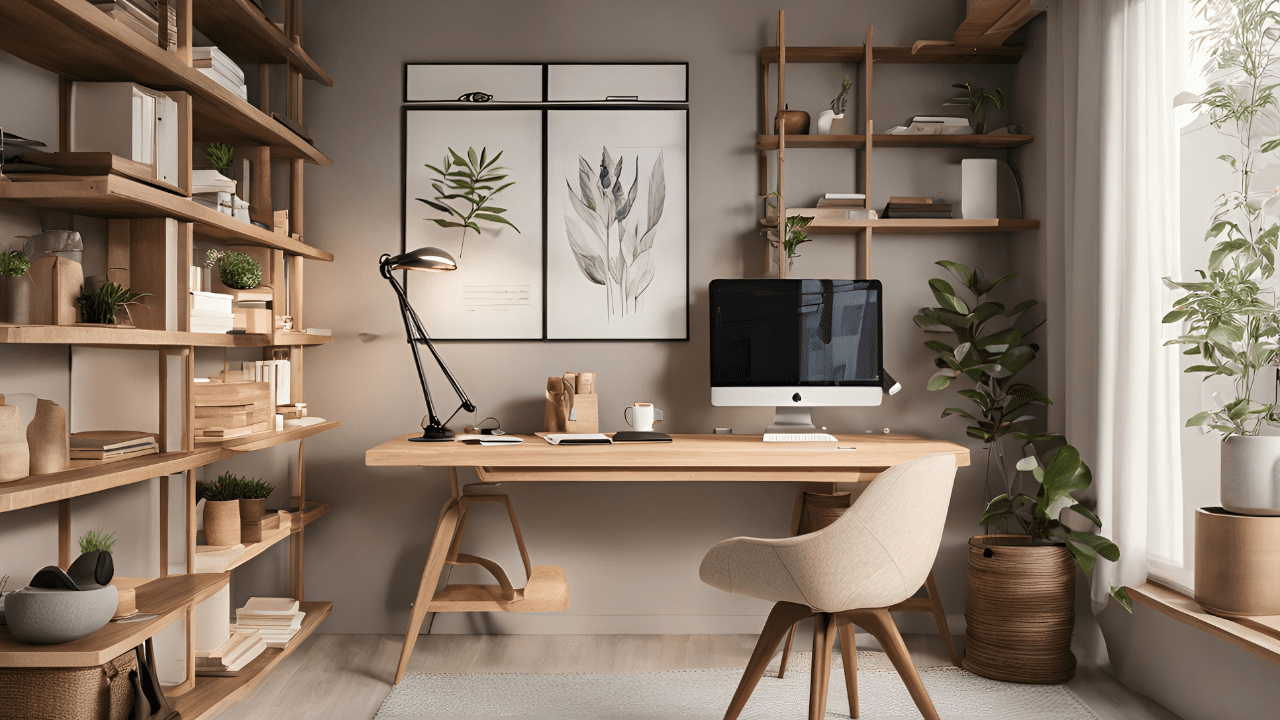
Integration of Garden Offices Into Home and Garden Design
Garden offices are increasingly designed to complement both the home and landscape. Placement is strategic to maximise sunlight and privacy while maintaining convenient access, often with boundary features such as slatted fence panels helping to define the space without blocking natural light.
Materials and finishes often reflect the architectural style of the main house or garden features, creating a cohesive visual flow. In some gardens, taller screening options like 6ft fence panels are used to add seclusion while keeping the workspace visually connected to its surroundings. Some designs incorporate eco-friendly elements like solar panels or green roofs to enhance sustainability.
Functionality is tailored to the user’s needs: from compact pods for solo work to larger converted garden sheds serving multiple purposes. Thoughtful integration ensures the garden office becomes a seamless extension of the home, improving overall living space.
Designing and Styling Your Garden Office for Maximum Impact
A well-designed garden office balances aesthetics and functionality, enhancing both work efficiency and enjoyment. Key elements include choosing the right materials, optimizing natural light, embracing sustainability, and blending the structure with the surrounding landscape.
Popular Garden Office Designs and Materials
Popular garden office designs often feature simple, clean lines inspired by minimalist or Scandinavian styles. These emphasize neutral colors, uncluttered spaces, and natural textures that promote calm and focus.
Materials such as timber cladding and composite wood are common for their durability and ease of maintenance. Double-glazed windows provide insulation and soundproofing, making the space comfortable throughout the year. Glass walls and floor-to-ceiling windows enhance natural light and create a seamless indoor-outdoor connection.
Flat or pitched roofs are typical. Some garden offices incorporate living roofs to add greenery and improve temperature regulation. Pergolas or garden sheds can be used as complementary structures, offering extra storage or shaded outdoor spaces adjacent to the office.
| Design Element | Benefit |
| Timber cladding | Natural look, durability |
| Double-glazed windows | Insulation, energy efficiency |
| Glass walls | Enhanced light, visual connection |
| Living roofs | Eco-friendly, temperature control |
Lighting and Window Features for a Brighter Workspace
Natural light is critical for productivity and mood. Floor-to-ceiling windows and skylights are effective at maximizing daylight. They reduce the need for artificial light and create an open, airy atmosphere.
Double-glazed or triple-glazed windows maintain temperature and reduce noise while allowing ample sunlight. Positioning windows to capture morning or afternoon light, depending on orientation, can optimize illumination throughout the day.
Task lighting with adjustable LEDs complements natural light for late work hours. Window blinds or shades help control glare when the sun is too intense.
Incorporating operable windows ensures good ventilation, which contributes to comfort and air quality.
Sustainable and Eco-Friendly Features
Sustainable materials reduce environmental impact and enhance energy efficiency. Garden offices can include solar panels to generate renewable energy on-site, reducing electricity costs.
Using reclaimed or responsibly sourced wood supports eco-conscious construction. Insulation made from recycled or natural fibers helps maintain temperature without synthetic materials.
Living roofs serve as a green insulation layer and support local biodiversity. They also absorb rainwater, reducing runoff.
Inclusion of energy-efficient heating and cooling systems, such as underfloor heating or heat pumps, lowers energy use. Water-saving measures like rainwater collection can be integrated for irrigation.
Incorporating Outdoor Elements and Landscape Integration
Blending a garden office with its environment increases its appeal and usability. Landscaping with native plants around the structure creates a natural barrier for privacy and noise reduction.
Patios or decks connected to the office, potentially shaded by pergolas, extend the workspace outdoors. They offer spaces for breaks or informal meetings.
Pathways made of natural stone or wood chips guide visitors and keep the area tidy. Positioning the office near existing garden features, like a pond or mature trees, enhances the atmosphere.

Becky is the voice behind Life in Velvet, an organised, intentional living blog focused on practical food, calm homes, thoughtful projects, and everyday systems that make real life feel easier. A mum of 3 living in the UK, Becky writes from lived experience, sharing what works, what doesn’t, and the decisions that make family life run more smoothly.
With a background in marketing and content writing, and over a decade of blogging experience, she brings a thoughtful, structured approach to everything from baking and home projects to routines and decision-making. Life in Velvet is where planning meets creativity, with ideas designed for real homes and real life.