
If you’ve ever wandered out into your garden and looked at your old shed with a mix of guilt and inspiration, you’re not alone. Maybe it’s full of cobweb-covered plant pots, rusty tools, and that lawnmower that only starts on a full moon. Or maybe it’s just…there. Taking up space. But what if I told you that you could give your humble shed a glow-up—and transform it into a thriving, light-filled greenhouse?
Yep, you heard right. You can turn your shed into a greenhouse. It’s a surprisingly doable DIY project, even if you don’t consider yourself particularly “handy.” This approach allows enthusiasts to enjoy the benefits of growing greenhouse food, extending their growing season, keeping plants happy, and reclaiming an underused part of their garden.
Let’s dive into the hows, the whys, and the “why didn’t I do this sooner?” moments.
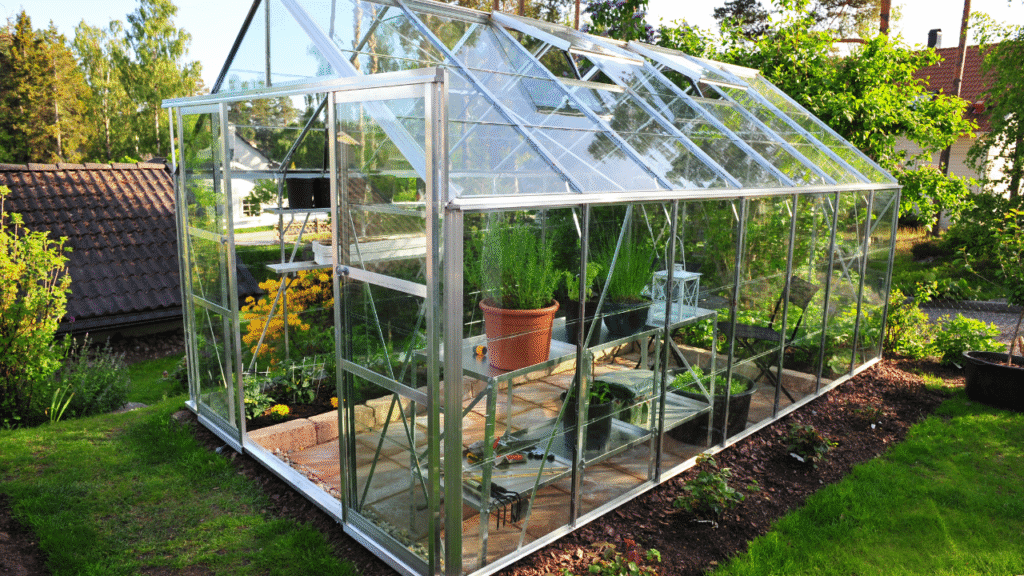
Why Turn a Shed into a Greenhouse?
First things first: Why not just buy a greenhouse?
Well, for starters, greenhouses can be pricey, especially the large or fancy ones. If you’ve already got a shed, converting it is not only cost-effective but also eco-friendly (reusing rather than buying new!). Plus, sheds are often sturdier than lightweight greenhouses, which is great if you live in a windy or storm-prone area.
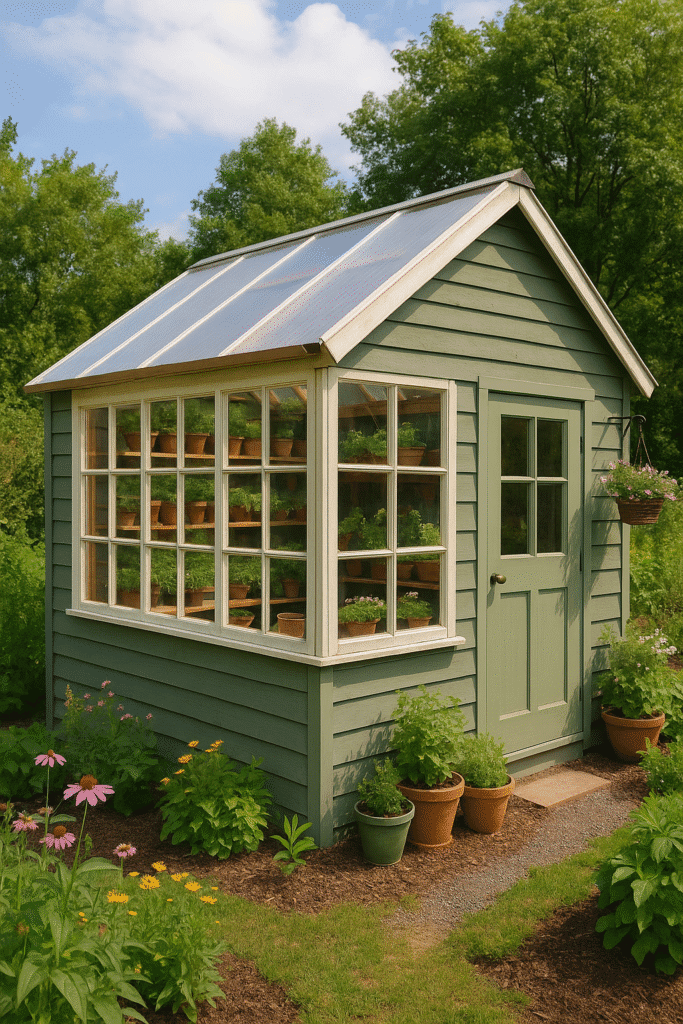
And then there’s the aesthetic. A converted greenhouse shed—often lovingly referred to as a “shouse” or “shedhouse greenhouse”—can be a seriously charming feature in your garden. Think vintage windows, climbing plants around the frame, shelves full of thriving greenery. Dreamy.
Step-by-Step: How to Turn Your Shed into a Greenhouse
1. Choose the Right Shed
Not all sheds are created equal, so before you grab a hammer, take a moment to assess what you’ve got.
-
Wooden sheds are usually the easiest to convert, especially if you want to cut out panels or replace parts with glazing.
-
Metal or plastic sheds are trickier to work with, but not impossible if you’re up for a challenge.
-
Ideally, your shed will be in decent condition—no major rot or structural issues—and get a fair bit of sun during the day.
2. Let There Be Light
Plants need light to grow. Lots of it. So the main goal here is to let as much natural light into the shed as possible.
Here’s how:
-
Replace panels with clear polycarbonate or perspex sheets—they’re durable, UV-resistant, and safe.
-
Add windows, or better yet, source salvaged glass windows (great if you love a rustic, quirky look).
-
You could even go big and remove half of the roof, replacing it with transparent panels or glass.
Top Tip: South-facing sheds will naturally get more sunlight. If your shed is in the shade, you might want to consider relocating it or trimming back surrounding trees and bushes.
3. Ventilation Matters
Hot and humid is good… to a point. Too hot, and your plants will cook. Not enough airflow, and you’ll end up with mouldy seedlings and unhappy tomatoes.
-
Add vents or install a louvre window you can open.
-
Prop the door open on warm days.
-
If you’re really going all in, fit a solar-powered extractor fan.
4. Insulation & Heating (Optional but Handy)
If you want to grow plants year-round or just keep things cosy in spring and autumn, you’ll need to think about temperature control.
-
Use bubble wrap insulation on remaining solid panels.
-
Lay down rubber matting or recycled carpet to help keep warmth in.
-
Consider a small greenhouse heater, especially if you’re planning on overwintering delicate plants.
5. Install Shelving & Benches
Make the most of your vertical space. Add sturdy shelves for seed trays, plant pots, and tools. A bench or potting table is great for transplanting and organising.
Old kitchen worktops or even scaffold planks make great DIY benches—just be sure they’re strong enough to hold the weight of plant trays and watering cans.
6. Water Supply & Drainage
Ideally, your greenhouse shed will be near a water source, but if not:
-
Use a water butt and connect it to the shed’s guttering.
-
Keep a few watering cans or a large water barrel inside.
-
Add a gravel floor or a simple soakaway system if you plan to water a lot—just to avoid turning the whole thing into a muddy mess.
Bonus: Make It Pretty!
This is your green haven, so why not make it lovely?
-
Paint the shed in a soft green or calming grey.
-
Add hanging baskets or window boxes.
-
Use fairy lights or solar lights for a magical evening glow.
-
Hang up a chalkboard for notes, plant labels, or motivational garden quotes.
Plants to Grow in Your Greenhouse Shed
You can grow just about anything, but here are a few easy starters:
-
Seedlings: Start veg, herbs, or flowers early before moving them outside.
-
Tomatoes & chillies: They’ll love the warmth.
-
Salad leaves: Grow year-round with a bit of insulation.
-
Herbs: Basil, parsley, and coriander do well.
-
Strawberries: Start them early and beat the birds to it!
Common Pitfalls (And How to Avoid Them)
Pitfall 1: Not enough light
Solution: Glaze more of the shed. Even replacing the roof with clear panels makes a big difference.
Pitfall 2: Overheating
Solution: Add vents or open the door/windows during sunny days. Monitor the temperature with a simple greenhouse thermometer.
Pitfall 3: Damp and mould
Solution: Ensure good airflow and avoid overwatering. Keep compost and soil off the wooden frame to reduce rot risk.
Pitfall 4: It becomes a clutter zone
Solution: Treat it like a proper greenhouse. Label things, tidy regularly, and resist the urge to store the BBQ in there again.
FAQs: Shed-to-Greenhouse Conversion
Q: Can I convert any shed into a greenhouse?
A: Almost any shed can be converted with enough time and effort, but wooden sheds are the easiest and most practical. Just make sure it’s structurally sound.
Q: Do I need planning permission to convert my shed into a greenhouse?
A: In most UK and US garden settings, no planning permission is required as long as you’re not changing the shed’s footprint or height. However, always check with your local authority or council, just in case.
Q: What’s the cheapest way to add windows?
A: Reclaimed windows from online marketplaces, local skips, or reclamation yards can be very affordable (and pretty!). Alternatively, polycarbonate sheets are low-cost and lightweight.
Q: How much light do greenhouse plants need?
A: Most plants need 6–8 hours of sunlight per day to thrive. The more glazing you can add, the better.
Q: Can I grow plants in winter in my converted shed greenhouse?
A: Yes, with insulation and possibly a small heater, you can grow winter greens, overwinter tender plants, or get a head start on spring sowing.
Q: Will my shed still be waterproof after cutting panels out?
A: It should be, as long as you seal all glazing and window joins properly with waterproof sealant or weatherproof tape. Keep an eye on leaks, especially around the roof.
Turning a shed into a greenhouse isn’t just about growing more plants—it’s about creating a little sanctuary. A place to potter, dream, experiment, and enjoy your garden year-round. It doesn’t have to be perfect or Pinterest-worthy (though it might end up that way!). It just has to work for you.
So go on—dust off the cobwebs, roll up your sleeves, and give your old shed the glow-up it deserves. Your future self (and your tomato plants) will thank you.
See more posts about sheds and outdoor spaces here

Becky is the voice behind Life in Velvet, an organised, intentional living blog focused on practical food, calm homes, thoughtful projects, and everyday systems that make real life feel easier. A mum of 3 living in the UK, Becky writes from lived experience, sharing what works, what doesn’t, and the decisions that make family life run more smoothly.
With a background in marketing and content writing, and over a decade of blogging experience, she brings a thoughtful, structured approach to everything from baking and home projects to routines and decision-making. Life in Velvet is where planning meets creativity, with ideas designed for real homes and real life.