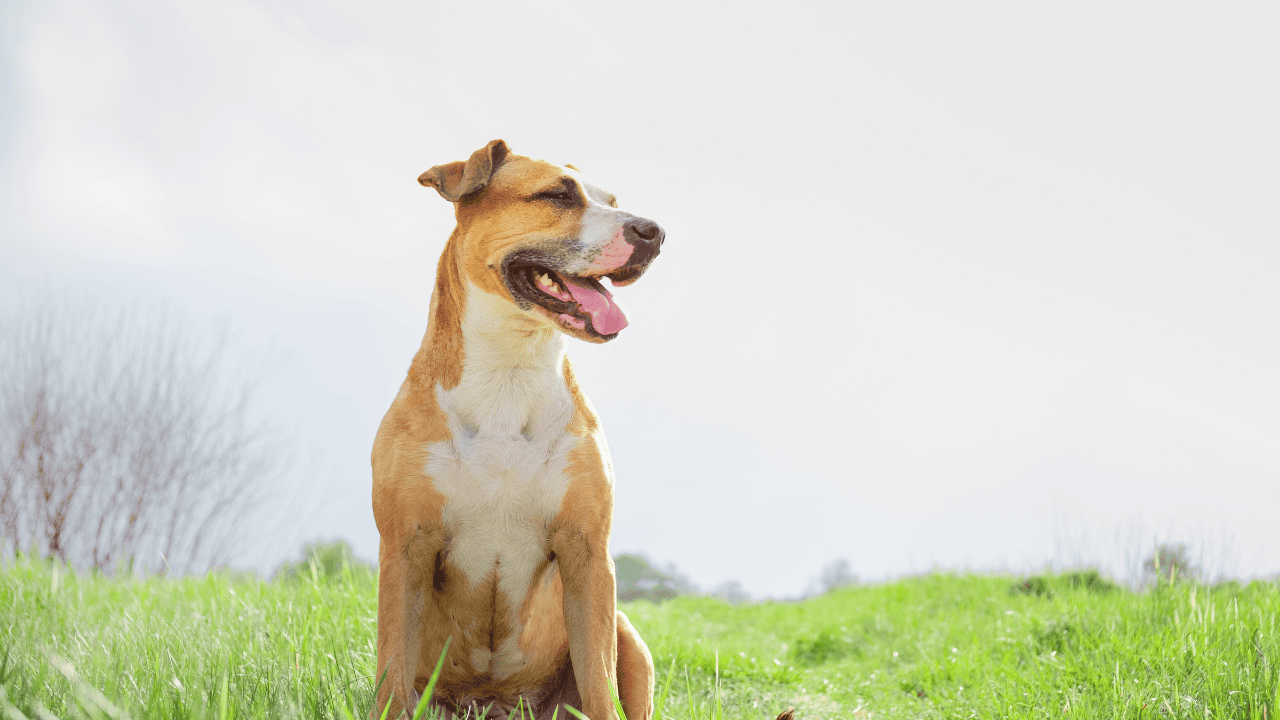
Many think that training a puppy is more about preventing bad behavior before any can start. While this is true, a more precise way to think about it is that the efforts you put in during a dog’s first few months of life are what model the structure of its nervous system. What occurs, or in some cases, what doesn’t occur during this time creates a default in which your dog will either face the world with confidence or spend its life living in a state of fear.
Behavioral issues, and not infectious diseases, are what cause the most deaths in dogs under three years of age (Journal of the American Veterinary Medical Association). Many of these issues could have been easily prevented. This is not just some marketing line used in the dog training industry. It is a medical fact that should change the way we look at early socialization.
The Sensitive Period And Why Timing Is Everything
Between 3 and 16 weeks of age, a puppy’s brain is ready to perceive new experiences as a regular event. Fear reactions are under construction during this window, and a puppy’s perception – or the lack of it – of certain sensory stimulations permanently shapes these reactions.
After 16 weeks, it’s done. Not immediately, but neuroplasticity decreases. Anything a dog hasn’t seen by that time is perceived as a threat on a short or long-term basis. No matter how much training is done later, it’s too late.
The fear period complicates this even more. The first one happens around 8 to 11 weeks, right in the middle of the optimal window. During the fear period, the stimulus of fear is developed after an experience of fear. A puppy that gets alarmed from experiences with the vet, strangers, or loud noises can permanently relate them to fear and potentially keep being fearful. This is why the quality of early exposure is as important as the quantity.
Passive Exposure Isn’t The Same As Positive Association
Many dog owners make a mistake when it comes to this. They think that taking their puppy to a busy park and just letting them take in all the chaos is socialization. In reality, it’s simply exposure and without structure, it can do more harm than good.
The brain forms connections through association. If a puppy comes across something new like a skateboard, a man wearing a hat, or a child running, and there is no positive experience following that encounter, the default reaction is doubt. If that doubt turns into fear before the puppy is rewarded, a negative association is created.
Classical conditioning is an effective method. You should introduce the stimulus in low dosage then immediately follow it with something the puppy loves, such as a treat, a game, or lots of praise. The puppy’s brain will then start to anticipate something good when the stimulus is present. The stress response to the stimulus will diminish over time.
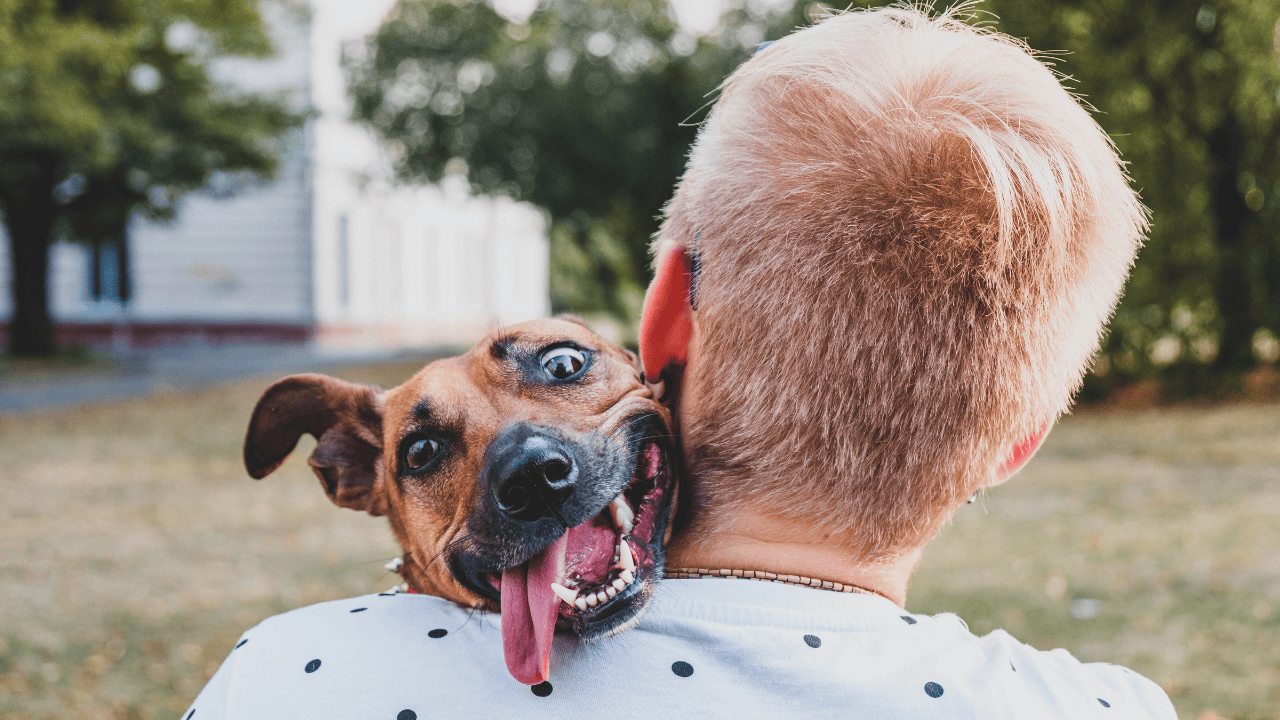
A Practical Framework For Structured Socialization
Socialization is not a set of destinations to check off – it’s a versatile, broad-based sensory and experiential education. If you work through methodically, covering all the different categories before your pup is 16 weeks old, you should have a confident, non-fearful dog.
Surfaces: Dogs that have only ever walked on grass and carpet will panic if they have to walk on tiles, metal grates, or wooden decking. So, systematically introduce your puppy to as many different surfaces as possible; rubber mats, gravel, linoleum, tile, outdoor grating, etc. And of course, treat generously on anything unfamiliar.
Sounds: There are commercial sound programs available (for raising assistance dogs). Some sounds may be actually impossible to reproduce without frightening your pup, such as a gunshot or a firecracker. But you can download a sound recording of a gunshot or firecracker and start playing it at very low volume and gradually increase it over days or weeks.
People: A puppy that has only ever seen adults will often be wary of children, or people with beards, or people on walking aids, etc. Each of these is a different visual profile.
Handling: Probably the most overlooked category, by owners of all breeds. You want this sort of thing to be like a vet exam scenario. Regularly hold your puppy’s paw, look inside its ear, open its mouth, press gently on its body – all the while eating treats. And the dog will never need to be sedated to have its nails clipped.
What To Look For In A Puppy Class
Training classes for puppies do not mean they need to be playing with other puppies in a group. A goal of a good class is teaching a more important foundation skill than a perfect sit – teaching your puppy that sometimes, they need to be neutral and focus on you and not every other dog in their visual field. A dog that learns this early needs less unlearning later, and unlearning is a lot harder and emotionally riskier.
When evaluating what class to attend, pick one with class size limits, an observable methodology of training based on scientific principles of positive reinforcement, and a controllable environment where the arousal levels of the puppies are managed and not just allowed to escalate. An indoor environment is usually better for that. Practices that are run or managed by veterinarians or boarded veterinary behaviorists are a step better because they start with the premise that who the dog IS and what the dog DOES should not be considered completely separately.
Specifically, perth puppy training programs affiliated with veterinary practices build the kind of structured, science-based early learning environment that directly addresses both socialization gaps and the prevention of fear-based behaviors – the combination that actually moves the needle on long-term outcomes.
One thing worth rejecting outright: any class that references dominance theory or uses any form of physical correction. The idea of the “dominant” puppy – the one you need to establish authority over – has been rejected by modern veterinary behavioral science for decades. Dogs are not attempting to rank above you. They’re doing what their environment has reinforced. Punishing a puppy for normal exploratory or stress behaviors doesn’t establish leadership; it elevates cortisol, suppresses the puppy’s ability to learn, and damages the trust relationship you’ve been building.
How Cortisol Affects Training Outcomes
It is important to understand this because it explains why methods that use fear and force are ultimately less successful.
When a dog is stressed, levels of a hormone called cortisol increase. When a dog is subjected to repeated or constant stress, cortisol becomes constantly elevated, too. A stressed puppy learning in a high-cortisol state cannot form memories or remember information in quite the same way. The psychological processes that underpin operant conditioning – acquiring the information that makes learning possible, remembering that information, and making the choice to act on it – are measurably affected.
In other words, a puppy that is being punished for not understanding will not simply be unhappy. It will physiologically find it harder to learn what you are trying to teach it. The process is not merely failing to help; it is actively hindering the stated goal.
Positive reinforcement training works, in part, because it keeps levels of the hormone cortisol low. A puppy learning in a reward-based environment will be curious, engaged, and in the best possible condition, hormonally, to learn. The emotional state and the learning outcome cannot be described as separate variables.
Building Independence Before Separation Anxiety Develops
Dogs do not develop separation anxiety about being alone – they develop it out of the feeling that being alone is unsafe. Prevention is active and needs to begin early.
Crates and exercise pens are invaluable here, provided they are introduced properly. It needs to be a place the puppy wants to be, not a place they get “sent.” Start with the door open and treats scattered inside. Meal-feed in the crate or pen. Offer a frozen food-stuffed toy that he gets nowhere else.
Short, easy departures follow. Two minutes gone, then back before the puppy even misses you. So crucial in the beginning to keep that upset never having happened – you want to teach the puppy how to settle when upset, not how to become upset.
Returning home to a puppy that is mid-bark or mid-cry is reinforcing the wrong brain state. You go back, but you want to pay zero attention to a puppy that is upset. Go over-the-top crazy for the puppy that managed to settle himself, even if just for a few seconds.
Puppies that learn to settle and enjoy their independent time and that have proper food-dispensing play toys and daily variety of good environmental enrichment items, those are the puppies that biologically organize their brains to self-soothe. This isn’t a behavioral ‘nice-to-do’ it’s a biological must-have.
Navigating Socialization Before Full Vaccination
The timing of the vaccination schedule and the socialization window are very tight. The majority of puppies are not able to receive their last set of vaccines until they are 16 weeks old, which sets the end of the socialization window in the same week. Waiting until vaccines are complete before exposing a puppy to the world isn’t a conservative approach; it is trading one risk for a bigger one.
There are safe ways to socialize pre-vaccination. Carry your puppy in areas that aren’t frequented by other dogs so their feet aren’t coming into contact with potentially contaminated environments. Use a stroller or a bag. Have vaccinated, known dogs come to your house. Attend puppy class in a clean, indoor environment, and make sure that all other puppies attending have also had vaccines. Watch the world go by from your arms or car. The sensory input still registers, even if they aren’t touching the ground.
Confidence Is Built, Not Inherited
Certain puppies are more naturally laid back, outgoing, and resilient; others are more naturally fearful, sensitive, or excitable. Genes play a big part in shaping a dog’s baseline temperament, but genes do not write your dog’s future in stone. They only sketch the rough outline of what that temperament will look like if you aren’t intervening to change things. And you are intervening. You’re the most potent environmental force in your puppy’s life, especially in these early weeks and months. Everything you do or don’t do is shaping your new dog’s future.
See more pet posts here

Becky is the voice behind Life in Velvet, an organised, intentional living blog focused on practical food, calm homes, thoughtful projects, and everyday systems that make real life feel easier. A mum of 3 living in the UK, Becky writes from lived experience, sharing what works, what doesn’t, and the decisions that make family life run more smoothly.
With a background in marketing and content writing, and over a decade of blogging experience, she brings a thoughtful, structured approach to everything from baking and home projects to routines and decision-making. Life in Velvet is where planning meets creativity, with ideas designed for real homes and real life.