
At a Glance
Assistance dogs only inside: UK Starbucks stores must allow registered assistance dogs indoors, but pet dogs are generally not permitted in areas where food is served.
Outdoor areas vary by location: Many Starbucks branches welcome well-behaved dogs in outdoor seating areas, though this depends on individual store manager discretion.
Drive-through is your friend: All drive-through Starbucks locations allow dogs in vehicles, making it the most reliable option for dog owners.
Puppuccinos are available: Most UK Starbucks offer free puppuccinos (whipped cream cups) for dogs, but these should be occasional treats rather than regular indulgences.
Always call ahead: Store policies vary significantly, so phoning your local branch before visiting saves disappointment and wasted journeys.
Last updated: February 2026
If you’ve ever stood outside a Starbucks with a dog lead in one hand and a coffee craving that won’t quit, you’ve probably wondered whether you can actually bring your dog inside. The answer isn’t quite as straightforward as you might hope, and it varies depending on whether you’re talking about indoor seating, outdoor areas, or drive-throughs.
This guide exists to give you a clear, practical answer to the Starbucks dog question, along with realistic advice for making coffee runs work when you’ve got a dog in tow. It’s written for anyone who wants to grab a decent coffee without leaving their dog tied up outside or sitting alone in the car, and who needs to know what’s actually allowed before they turn up.
Who this is for: Dog owners who want clear information about Starbucks’ pet policies, practical tips for visiting with dogs, and alternatives when the answer is no.
Who this isn’t for: Anyone looking for emotional support animal loopholes or ways to bend the rules. This is about understanding the actual policies and working within them sensibly.
What makes this more useful: Unlike generic coverage of this topic, this guide focuses specifically on UK policies, includes practical experience from visiting multiple locations, and provides alternatives and workarounds rather than just stating policies.
The Official Starbucks UK Dog Policy Explained
Let’s start with what Starbucks officially states. In the UK, only registered assistance dogs are permitted inside Starbucks cafés. This isn’t Starbucks being difficult; it’s a legal requirement under the Equality Act 2010, which protects the rights of people who rely on assistance dogs for mobility, hearing, sight, or other disabilities.
Assistance dogs include guide dogs, hearing dogs, and other professionally trained assistance animals. They do not include emotional support animals or pets, regardless of how well-behaved they might be.
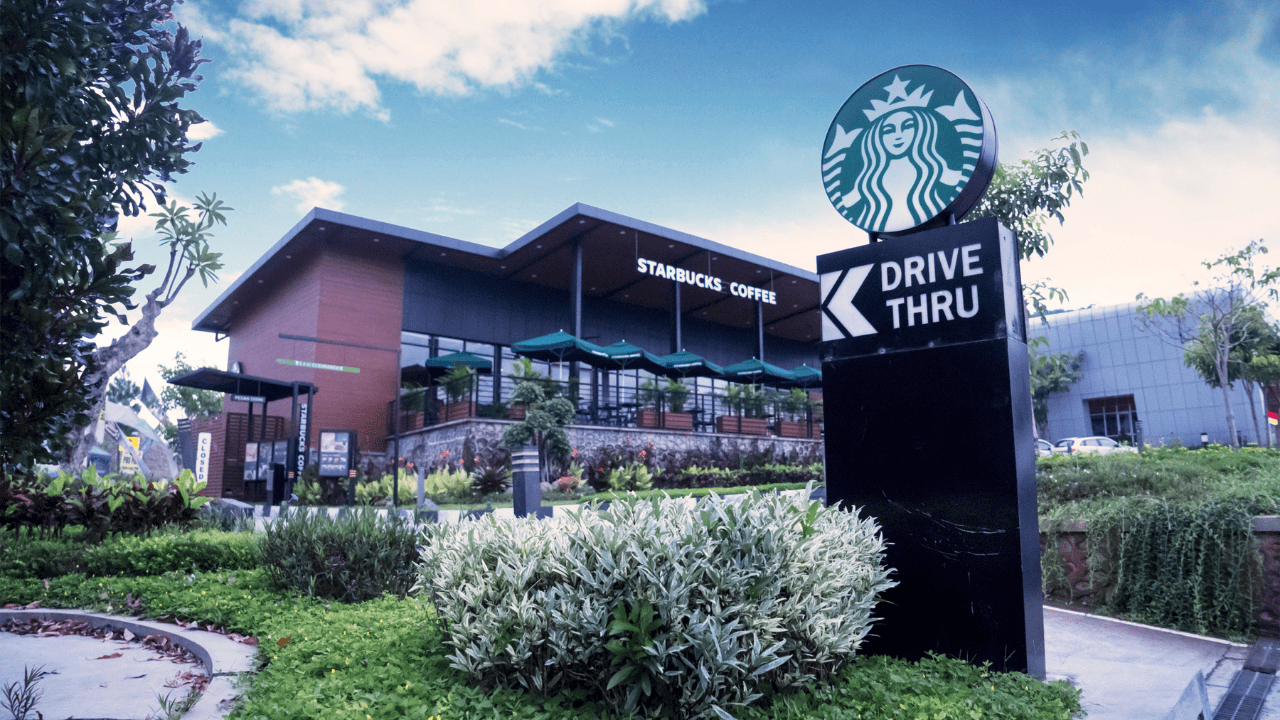
However, the situation changes considerably when you look at outdoor seating areas. While Starbucks’ corporate policy restricts indoor access to assistance dogs only, individual store managers have discretion over their outdoor seating policies. This means one Starbucks might welcome dogs enthusiastically in their outside area whilst another branch three streets away might not allow them at all.
This discretion-based approach makes perfect sense from a practical standpoint but creates uncertainty for dog owners. You genuinely can’t assume that because one branch allows dogs outside, all branches will. Each manager considers factors like space, local council regulations, customer demographics, and previous experiences with dogs at their specific location.
Why Food Hygiene Regulations Matter
Understanding why dogs aren’t allowed inside food establishments helps explain Starbucks’ position. The Food Standards Agency sets guidelines that generally prohibit animals in areas where food is prepared or served. The thinking is straightforward: even the cleanest, most well-groomed dog can carry allergens, bacteria, or general dirt that doesn’t belong near food preparation.
These regulations apply to all food businesses, which is why you won’t find dogs allowed in most restaurants, cafés, or anywhere with commercial kitchens. It’s not personal; it’s about maintaining food safety standards that protect everyone.
Service dogs are exempt because they’re classified as essential medical equipment under disability discrimination law. These dogs undergo extensive professional training and are held to different standards than pets.
Outdoor Seating: Where Policies Become Flexible
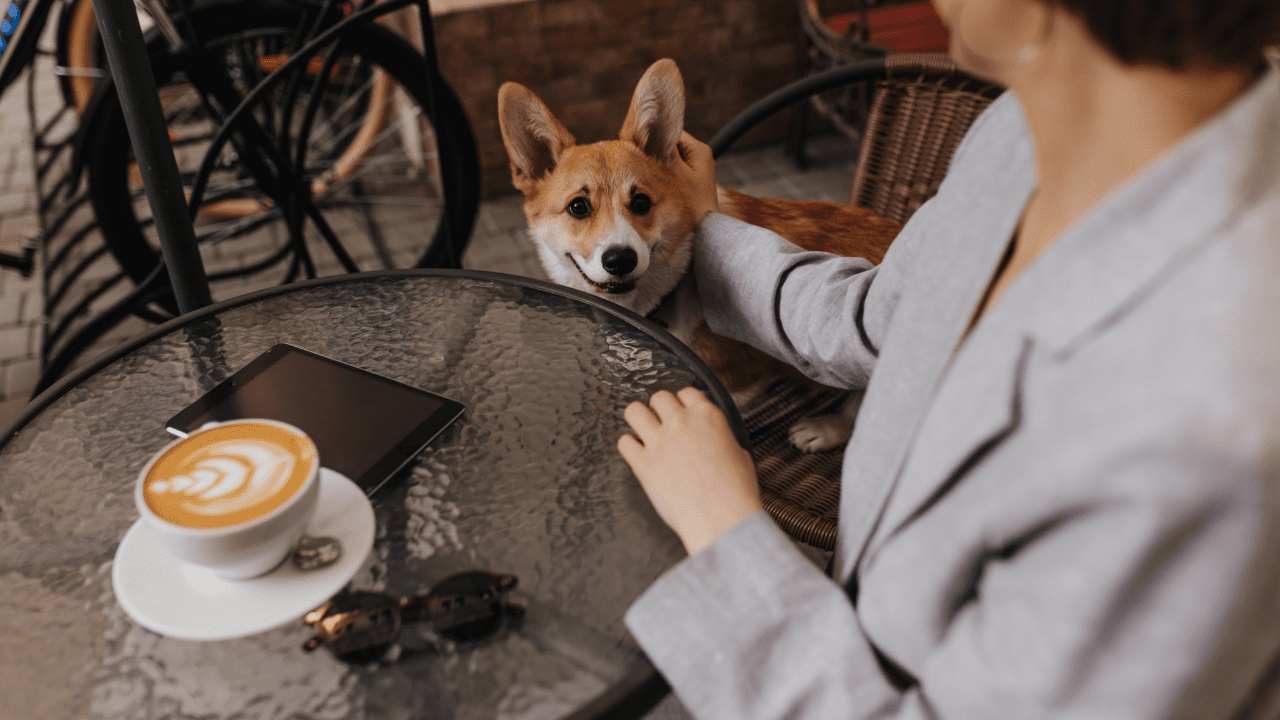
The outdoor seating situation at Starbucks is genuinely variable, and this is where your experience as a dog owner becomes a bit of a postcode lottery. Some Starbucks locations with outdoor areas are brilliant about welcoming dogs. You’ll find water bowls left out, staff who bring orders outside if you’re settled with your dog, and a generally relaxed atmosphere.
Other locations are stricter, either because they’ve had problems in the past, because local council regulations restrict it, or simply because the manager prefers not to allow dogs. Neither approach is wrong; they’re just different management decisions based on local circumstances.
What tends to make outdoor areas more dog-friendly:
- Locations in suburban or rural areas rather than busy city centres
- Branches with spacious, clearly defined outdoor seating away from entrances
- Retail park locations where outdoor space is generous
- Coastal or tourist areas where dog ownership is particularly common
What tends to make them less accommodating:
- City centre locations with limited pavement space
- Branches inside shopping centres (where centre-wide policies often prohibit pets)
- Busy transport hubs like train stations or airports
- Locations where outdoor seating directly blocks pedestrian traffic
Drive-Through Starbucks: The Reliable Option
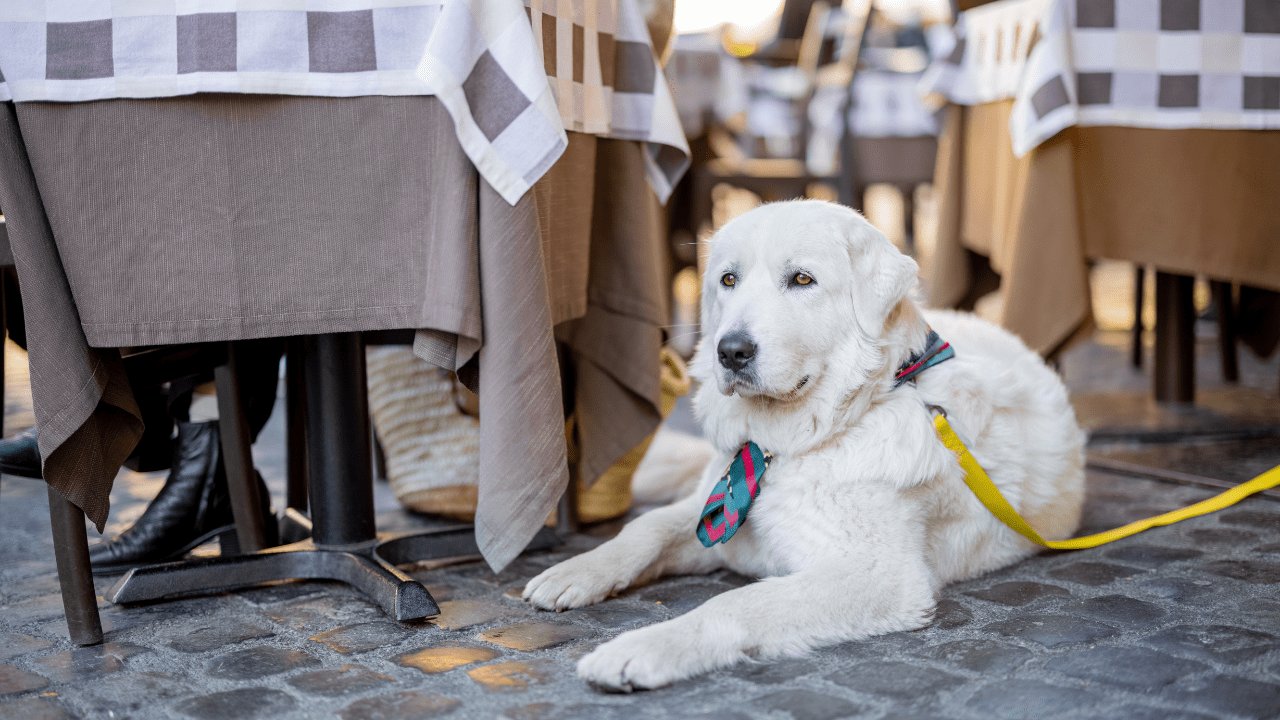
If there’s one genuinely reliable option for getting Starbucks with your dog, it’s the drive-through. There’s no ambiguity here; your dog can stay safely in the vehicle whilst you order and collect your drinks. No need to check policies, no need to worry about whether today’s manager is dog-friendly, no concerns about your dog’s behaviour around other customers.
Many drive-through baristas are particularly enthusiastic about dogs and will often ask if your dog would like a puppuccino without you having to request one. It’s a small touch that makes the experience pleasant rather than merely functional.
Mobile Ordering and Click & Collect
Starbucks’ mobile app offers another practical workaround. You can order through the app, park up with your dog, and in some locations request curbside collection where staff bring your order to your car. This works particularly well on rainy days when you don’t fancy sitting outside but also don’t want to leave your dog waiting.
Some branches also offer a “meet me outside” option where you can wait with your dog at an outdoor table and they’ll bring your order out. Worth checking whether your local branch supports this, as it varies by location.
The Puppuccino: What You Actually Need to Know
The Starbucks puppuccino has achieved near-legendary status on social media, and if you’ve spent any time on Instagram or TikTok, you’ve probably seen countless videos of delighted dogs demolishing cups of whipped cream. But before you make puppuccinos a regular part of your coffee runs, there are some practical considerations worth understanding.
What It Actually Is
A puppuccino is simply a small cup (usually espresso-sized) filled with Starbucks’ regular whipped cream. No coffee, no chocolate, no mysterious ingredients. Just cream and vanilla syrup, whipped. And crucially, it’s completely free. You just need to ask your barista when you place your order.
Is It Safe for Dogs?
This requires a balanced answer rather than blanket enthusiasm. Puppuccinos aren’t toxic to dogs, but they’re also far from an ideal dog food. Here’s what you’re actually dealing with:
Why it’s generally fine:
- Contains no toxic ingredients like chocolate or xylitol
- Most dogs can tolerate small amounts of dairy without issues
- It’s genuinely enjoyable for dogs as an occasional treat
- The portion size is relatively small
Why moderation matters:
- High in fat and sugar, neither of which dogs need
- Can cause digestive upset in lactose-intolerant dogs
- Some dogs experience diarrhoea or excessive gas afterwards
- Not suitable for dogs with existing health conditions like diabetes or pancreatitis
The sensible approach is treating puppuccinos as an occasional indulgence rather than a regular occurrence. Once a fortnight or month makes it special; every coffee run starts to create dietary issues. If your dog has a sensitive stomach, either skip the puppuccino entirely or let them have just a few licks before discretely disposing of the rest.
For a dog’s first puppuccino, start with just a small amount to gauge their reaction. Watch for any signs of stomach upset over the following day or two. And absolutely check with your vet first if your dog has any existing health conditions.
Puppuccino Safety at a Glance
| Safe for most dogs? | Yes – no toxic ingredients |
| How often? | Occasional treat only (once a week max) |
| Watch out for: | Lactose intolerance, upset stomach, diarrhoea |
| Not suitable for: | Dogs with diabetes, pancreatitis, or weight issues |
| First time? | Start with a few licks and monitor for 24 hours |
How Starbucks Compares to Other UK Coffee Chains
Understanding where Starbucks sits in the spectrum of dog-friendly coffee chains helps set realistic expectations.
Costa Coffee has recently made significant strides with dog-friendliness. After successful trials, many Costa locations now welcome well-behaved dogs inside participating stores. You can check their store locator to identify which branches have adopted this policy. In practice, Costa tends to be slightly more accommodating than Starbucks for indoor visits with dogs.
Caffè Nero doesn’t have an explicit anti-dog policy and many branches are quite welcoming to dogs. The atmosphere tends to be relaxed and continental, though like Starbucks, it varies by individual location and manager.
Pret A Manger is genuinely hit or miss. Some locations allow dogs for quick collection, others don’t allow them at all. Very much down to manager’s discretion with no clear corporate policy either way.
Independent coffee shops are usually your best bet for dog-friendly establishments. Many actively market themselves as dog-friendly and provide water bowls, treats, and a genuinely welcoming atmosphere for dogs. They’re often more flexible about policies because they’re not constrained by corporate guidelines.
UK Coffee Chains: Dog-Friendly Comparison (January 2026)
| Coffee Chain | Dogs Inside? | Outdoor Seating? | Pup Cups? |
|---|---|---|---|
| Starbucks | Assistance dogs only | Yes – varies by branch | Yes – free puppuccinos |
| Costa Coffee | Yes – many stores now dog-friendly | Yes | Some locations |
| Caffe Nero | Yes – most locations | Yes | Not standard |
| Pret A Manger | Manager discretion | Yes – where available | Not standard |
| Coffee #1 | Yes – dog-friendly chain | Yes | Treats available |
| Independents | Usually most welcoming | Yes | Often have treats |
Tip: Costa has expanded its dog-friendly policy after a successful trial – use their store locator to find participating branches near you.
Practical Tips for Taking Your Dog to Starbucks
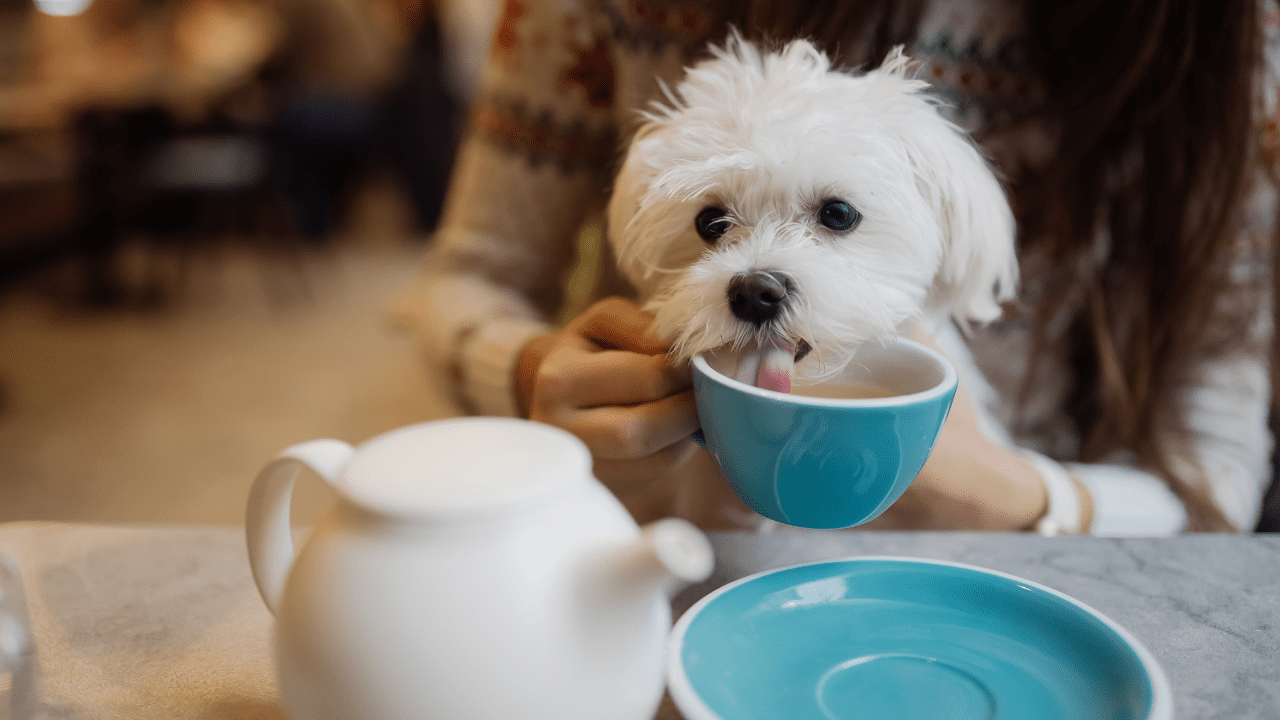
Successfully visiting Starbucks with a dog requires some preparation and awareness. Here’s what actually makes these visits work well:
Before You Visit
Call ahead. A quick phone call asking “Do you allow dogs in your outdoor seating area?” saves wasted journeys and disappointment. It also gives you a chance to gauge how welcoming they’re likely to be.
Tire your dog out first. A quick walk before heading to Starbucks means you’ll have a calmer dog who’s more likely to settle quietly rather than pulling or getting excited by every passer-by.
Bring essential supplies:
- More poo bags than you think you’ll need
- A collapsible water bowl (particularly in warm weather)
- A mat or blanket for them to lie on (keeps them off cold or dirty ground)
- A favourite chew toy for distraction if they get restless
Check the weather. If it’s scorching hot or absolutely pouring, consider whether outdoor seating is actually pleasant or whether the drive-through makes more sense.
During Your Visit
Choose quieter times. Weekend mornings can be chaotic with lots of foot traffic and other dogs. Early weekday mornings or mid-afternoon tend to be calmer and more relaxing for your dog.
Select your spot carefully. Try to sit away from the main pedestrian flow. Corner tables work well. Avoid being directly next to the entrance where every person arriving or leaving might excite or stress your dog.
Keep the lead appropriately short. Not so short that your dog can’t lie down comfortably, but short enough that they can’t wander into other people’s space or tangle around table legs.
Be prepared to leave. If your dog starts showing stress (excessive panting, pacing, whining, showing the whites of their eyes), just pack it in. There will be other coffee days, and forcing a stressed dog to stay benefits nobody.
Managing the Puppuccino
Ask politely. Even though puppuccinos are free, don’t demand one. A friendly “Could my dog possibly have a puppuccino, please?” works better than an entitled expectation.
Expect mess. Dogs and whipped cream create splatter. Bring wet wipes and be prepared to clean up any cream that ends up on the ground or furniture.
Consider portion control. Unless you’re confident your dog’s stomach can handle it, let them have half and discretely dispose of the rest. They won’t know the difference, and you’ll avoid potential digestive issues.
Finding Dog-Friendly Starbucks Locations Near You
Since policies vary so much by location, knowing how to identify dog-friendly branches before you visit saves significant hassle.
Use Google Maps reviews: Search for your local Starbucks and read recent reviews. Dog owners are usually quite vocal about whether they had a positive experience bringing their dog, and you’ll often find mentions of specific staff members who were particularly accommodating or policies that were enforced.
Check local Facebook groups: Many areas have “Dog Friendly [Town Name]” Facebook groups where members share recommendations. These can be gold for finding specific Starbucks locations that welcome dogs.
Look for physical indicators: Some Starbucks locations actively signal dog-friendliness by leaving water bowls outside, having dog waste bag stations, or displaying dog-friendly signage. These are good indicators that the manager is actively welcoming to dogs.
Consider the location type: Starbucks in retail parks, suburban high streets, or countryside market towns tend to be more welcoming than city centre locations or those in shopping centres where building-wide policies may prohibit pets.
What to Do When You’re Refused Entry
It happens. Perhaps the manager is following corporate policy strictly, perhaps there’s been a recent incident with a dog, or perhaps they’re just having a difficult day. Here’s how to handle refusal gracefully:
Don’t argue or get confrontational. Getting upset won’t change the decision and just makes life harder for dog owners who visit after you. It also puts staff in an uncomfortable position when they’re just following the rules they’ve been given.
Ask for clarification. A polite “I understand. Just to clarify, is this about all areas including outdoor seating, or just inside the store?” can help you understand whether there are any alternatives.
Try another location. There’s likely another Starbucks within a reasonable distance. Some branches are simply more accommodating than others, and it’s not worth getting stressed over.
Use alternative options. If you’re near a drive-through or can use mobile ordering to your car, that solves the problem entirely.
Provide feedback if appropriate. If you believe the policy was unfairly applied or staff were rude, contact Starbucks customer service with specific details. Constructive feedback helps them improve, though keep expectations realistic about policy changes.
Seasonal Considerations for Visiting with Dogs
Different times of year create different challenges and opportunities for Starbucks visits with dogs.
Summer visits: Outdoor seating is obviously more appealing, but watch for overheating risks. Bring extra water for your dog, choose shaded spots when possible, and avoid peak afternoon heat. Be aware that hot pavements can burn paws; if it’s too hot for your bare hand for five seconds, it’s too hot for their paws.
Winter visits: Outdoor seating becomes less attractive when it’s freezing, making drive-throughs the more sensible option. If you do sit outside, bring a blanket for your dog and keep visits brief. Some breeds genuinely don’t mind cold weather, but others are miserable in it.
Autumn visits: Often the ideal Starbucks weather – not too hot, not too cold. Just watch for wet leaves making outdoor areas slippery, and be prepared for sudden rain showers with a towel in your bag.
Spring visits: Lovely conditions, but be aware of seasonal allergies that might affect your dog. Spring also means more puppies out socialising, which can be wonderful but potentially exciting or stressful for your dog depending on their temperament.
When NOT to Bring Your Dog
Sometimes the kindest decision is leaving your dog at home, even if a Starbucks location technically allows them. Consider skipping the visit when:
- Your dog is ill or recovering from illness
- They’re showing signs of stress or anxiety about public outings
- Weather conditions are extreme (scorching heat, heavy rain, freezing temperatures)
- You’re genuinely in a rush and can’t dedicate proper attention
- The location will be exceptionally busy (weekend mornings, bank holidays)
- Your dog hasn’t had current vaccinations or is newly adopted and still settling
- They’re in season (females) or showing hormonal behaviour (males)
- You know they’re reactive to other dogs and the outdoor area is cramped
Health and Safety Reminders
A few important safety considerations that sometimes get overlooked:
Never leave your dog tied up outside unattended. Even if you’re just popping in quickly, dogs can be stolen, get tangled and panic, or get into conflicts with other dogs. If you can’t bring them with you and can’t use the drive-through, the visit needs to wait.
Watch for stress signals. Dogs communicate discomfort through body language – excessive panting when it’s not hot, pacing, whining, showing the whites of their eyes, ears pinned back. If you spot these signs, it’s time to leave.
Keep vaccinations current. When your dog is in public spaces around other dogs, they need up-to-date vaccinations for their own protection and the protection of other dogs.
Be respectful of others’ space. Some people are allergic to dogs, some are frightened of them, and some simply prefer not to have dogs near where they’re eating and drinking. Keep your dog close and be mindful of others’ comfort.
Alternative Dog-Friendly Coffee Options in the UK
If your local Starbucks isn’t working out for dog visits, these alternatives are worth knowing about:
- Costa Coffee: Many locations now officially dog-friendly indoors
- Coffee #1: Actively dog-friendly with designated areas at select stores
- Caffè Nero: Generally welcoming, though varies by branch
- Black Sheep Coffee: All locations dog-friendly according to their social media
- Independent cafés: Often the most accommodating option
- Pub chains: Many Wetherspoons, Brewdog, and Greene King pubs welcome dogs
- Garden centres: Surprisingly good coffee and almost universally dog-friendly
Local Facebook groups like “Dog Friendly [Your Town]” often have comprehensive lists of cafés that genuinely welcome dogs in your specific area.
Frequently Asked Questions
Can I bring my emotional support animal into Starbucks? Unfortunately no. UK law only recognises trained assistance dogs (guide dogs, hearing dogs, mobility assistance dogs). Emotional support animals don’t have the same legal protections they have in some other countries and aren’t permitted inside Starbucks stores.
Do all UK Starbucks offer puppuccinos? Most do, but it’s always at the barista’s or manager’s discretion since it’s not an official menu item. The vast majority of locations are happy to provide one when asked politely.
How much do puppuccinos cost? They’re free. Though if you’re visiting specifically to get one for your dog, it’s good form to actually purchase something for yourself and to tip the barista if they’ve been particularly helpful.
What if my dog barks at other dogs? If your dog is reactive to other dogs, Starbucks outdoor seating might not be the best choice. The close quarters can be stressful for reactive dogs. Stick to drive-throughs or mobile ordering to your car instead. There’s no shame in knowing your dog’s limits and working within them.
Are puppuccinos safe for puppies? Young puppies have more sensitive digestive systems than adult dogs. It’s sensible to wait until they’re at least six months old and have a settled digestive system. When you do try it, give them only a tiny amount to start and watch for any adverse reactions.
Can I bring my dog to Starbucks in a carrier or bag? This falls into the same category as other pet dogs – technically at manager’s discretion. Some managers might be more accommodating if the dog is contained and quiet, but don’t assume it will be allowed. Best to call ahead and ask.
Making it Work with Your Dog
So is Starbucks dog friendly? The honest answer is: sometimes, in some places, under certain conditions. You can’t bring pet dogs inside, but many locations welcome them in outdoor areas. Drive-throughs work reliably. Puppuccinos are available but should be occasional treats. And everything depends on individual store managers’ discretion.
The key to successful Starbucks visits with your dog is being a responsible dog owner: keep them under control, clean up after them, respect other customers, and know when it’s not working and it’s time to leave. Call ahead to check policies, don’t be discouraged if you need to try a few different locations, and have backup plans for when outdoor seating isn’t available.
For dog owners willing to do a bit of research and preparation, grabbing a coffee with your dog can become a pleasant routine rather than a stressful gamble. It’s about understanding the policies, respecting the reasons behind them, and finding the locations and approaches that work for you and your dog.
See more of my pet-related posts here!
Does Dog Hair Grow Back After Shaving for Surgery?
Do German Shepherd Puppies Sleep a Lot?
Finding the Right Cat Boarding Solution When You Travel
Dog Friendly Coffee Shops and Restaurant Chains in the UK: Where You Can Actually Take Your Dog
Managing Dog Walking Schedules: A Realistic Guide

Becky is the voice behind Life in Velvet, an organised, intentional living blog focused on practical food, calm homes, thoughtful projects, and everyday systems that make real life feel easier. A mum of 3 living in the UK, Becky writes from lived experience, sharing what works, what doesn’t, and the decisions that make family life run more smoothly.
With a background in marketing and content writing, and over a decade of blogging experience, she brings a thoughtful, structured approach to everything from baking and home projects to routines and decision-making. Life in Velvet is where planning meets creativity, with ideas designed for real homes and real life.