
Key Takeaways
- Dry shampoo applied correctly can absorb excess oil in under 2 minutes when you spray 6-8 inches from roots and let it sit
- Upside-down blow-drying with cool air redistributes oils and adds instant volume without triggering more sebum production
- Strategic hairstyles like textured buns and slicked-back ponytails can disguise greasy roots while looking intentionally chic
- Blotting papers or even tissue work in a pinch to absorb oil directly from your scalp
- The real culprit is usually overwashing, which strips natural oils and makes your scalp produce even more sebum
Picture this: You’ve just dropped the kids at school, glanced in the rearview mirror, and realised your hair looks like you’ve dunked it in a chip fryer. You’ve got an important video call in 30 minutes, or maybe you’re meeting a friend for coffee, and there’s absolutely no time for a proper wash. Trust me, as a mom of four who’s permanently oscillating between “just about presentable” and “is that porridge in my hair?”, I’ve been there more times than I’d like to admit.
The good news? You don’t need a full shower to transform greasy hair into something that looks fresh and intentional. After years of trial and error (and plenty of greasy-haired Zoom calls in the early days), I’ve cracked the code on how to make your hair not look greasy in 5 minutes flat.
Whether you’re dealing with post-workout sweat, second-day hair that’s given up the ghost, or just naturally oily roots, this guide will show you exactly how to rescue your hair situation quickly. No faff, no expensive salon treatments, just practical solutions that actually work when you’re racing against the clock.
Understanding Why Your Hair Gets Greasy So Fast
Before we dive into the quick fixes, let’s talk about what’s actually happening on your scalp. Your sebaceous glands produce sebum, which is basically your scalp’s natural oil. This oil is actually brilliant for keeping your hair healthy and protected. The problem starts when these glands go into overdrive and produce too much of the stuff.
Here’s what I’ve learned from both dermatology research and my own greasy-haired experience: fine, straight hair gets oily faster because there’s nothing to slow down the oil’s journey from root to tip. Meanwhile, my friend with gorgeous curly hair can go days without washing because the texture creates natural barriers. Not fair, but that’s genetics for you.
Several things can trigger excess oil production. Hormonal changes are massive culprits, which is why my hair got ridiculously greasy during pregnancies (along with everything else that goes haywire hormonally). Overwashing is another sneaky cause that most people don’t realise. When you strip your scalp of its natural oils too frequently, it panics and produces even more oil to compensate. It’s like your scalp is saying, “Right, you want to play it that way? I’ll show you oil!”
Touching your hair constantly, using heavy styling products, not rinsing conditioner properly, sleeping on dirty pillowcases, and even stress can all contribute to that greasy look. Hot, humid weather doesn’t help either. British summers might be hit-or-miss, but when it does get warm and sticky, my roots turn into an oil slick within hours.
The most important thing to understand is this: greasy hair doesn’t mean you’re dirty or not looking after yourself properly. It’s just your scalp doing what it thinks is best, even if the timing is spectacularly inconvenient.
Method 1: Master the Art of Dry Shampoo
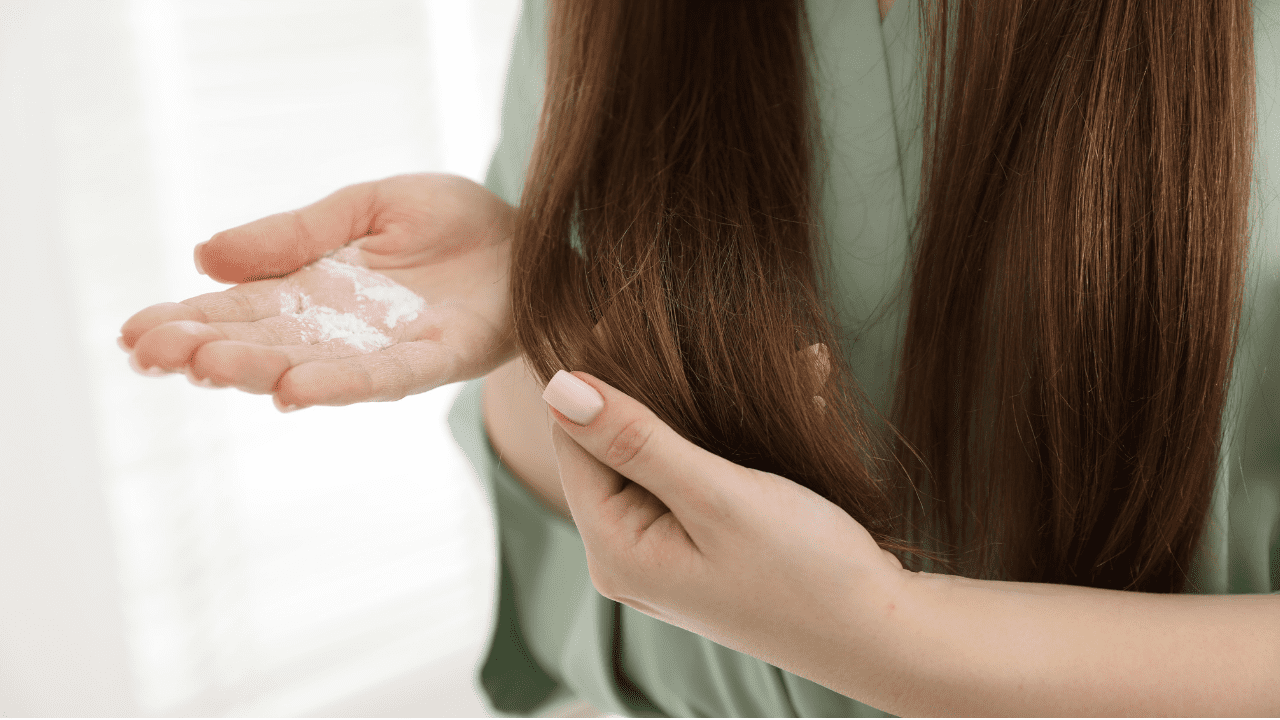
Dry shampoo is hands-down the quickest fix for greasy hair, but most people use it completely wrong. I certainly did for years, wondering why I ended up with white, cakey residue that made my dark hair look like I’d walked through a snowstorm.
How to Apply Dry Shampoo Properly
The technique matters more than the product. Hold the can about 15-20 centimetres (6-8 inches) away from your roots. If you spray too close, you’ll get concentrated patches that look obvious and feel gritty. Section your hair and spray directly at the roots where oil accumulates most, particularly around your crown, hairline, and the nape of your neck.
Here’s the game-changer that nobody tells you: wait. I know you’re in a rush, but giving the dry shampoo 60-90 seconds to actually absorb the oil makes all the difference. Use this time to brush your teeth or grab your keys. Then, massage the product into your scalp with your fingertips. This distributes it evenly and helps it blend in properly. Finally, brush through your hair thoroughly to remove any visible powder and spread the product from roots to mid-lengths.
If you’ve got dark hair like me, look for tinted dry shampoos or ones specifically formulated for brunettes. Batiste does an excellent brunette version that doesn’t leave that telltale white cast. For blonde hair, regular formulas work perfectly.
DIY Dry Shampoo Alternatives
When you’re completely out of dry shampoo (which happens in my house more often than I’d like), these pantry staples work brilliantly:
Cornflour or cornstarch: Dust a small amount onto your roots with a makeup brush, wait a minute, then brush through thoroughly. This is genuinely effective, though you need to be careful not to overdo it.
Cocoa powder (for dark hair): Mix equal parts cocoa powder and cornflour, apply with a brush, and work through. It smells like chocolate, which is a bonus, and blends seamlessly into brown and black hair.
Baby powder: The original dry shampoo! Use sparingly because it can be drying, but it works in an absolute pinch.
I keep a small makeup brush and a jar of cornflour in my bathroom drawer for emergencies. It’s saved me more times than I can count, costs pennies, and works just as well as the fancy spray cans.
Product Recommendations
Some dry shampoos are genuinely worth the investment:
- Batiste Dry Shampoo (£3-£4): Affordable, effective, widely available
- Ouai Dry Shampoo Foam (£26): Pricier but no white residue, lovely scent
- Living Proof Perfect Hair Day Dry Shampoo (£25): Actually makes hair feel clean, not just look it
- Colab Invisible Dry Shampoo (£3.99): Budget-friendly and truly invisible on all hair colours

Method 2: The Upside-Down Blow-Dry Technique
This sounds ridiculous but works absolute wonders. When your hair looks flat and greasy, a quick blow-dry refresh can bring it back to life without washing.
Why This Works
When you flip your head upside down and blast your roots with cool air, you’re doing two things: redistributing the oil more evenly down the hair shaft (so it looks more like natural shine and less like grease), and adding volume at the roots which disguises oiliness. Hot air would stimulate more oil production, which is exactly what you don’t want, so always use the cool setting.
Step-by-Step Technique
Flip your head completely upside down. I usually lean over the side of my bed for this because standing bent over for too long makes me dizzy (the joys of getting older!). Set your hairdryer to cool or medium heat with high airflow. Blast your roots for 30-60 seconds, moving the dryer around so you’re not concentrating heat in one spot.
While drying, use your fingers to gently shake and lift your hair at the roots. This creates natural volume and helps spread product if you’ve used dry shampoo. When you flip back up, your hair should have significantly more body, and the oil will be less obvious because it’s not sitting heavily on your scalp.
For extra volume, grab a round brush and, while your head is still upside down, brush sections of hair upward and away from your scalp as you dry. This takes an extra minute but creates seriously impressive volume that makes greasy roots much less noticeable.
Common Mistakes to Avoid
Don’t use hot air. I cannot stress this enough. Heat triggers your sebaceous glands to produce more oil, which defeats the entire purpose. Don’t skip the cool-down period either. After blow-drying, let your hair settle for a minute before styling. This helps the volume last longer.
Method 3: Strategic Styling That Hides Grease
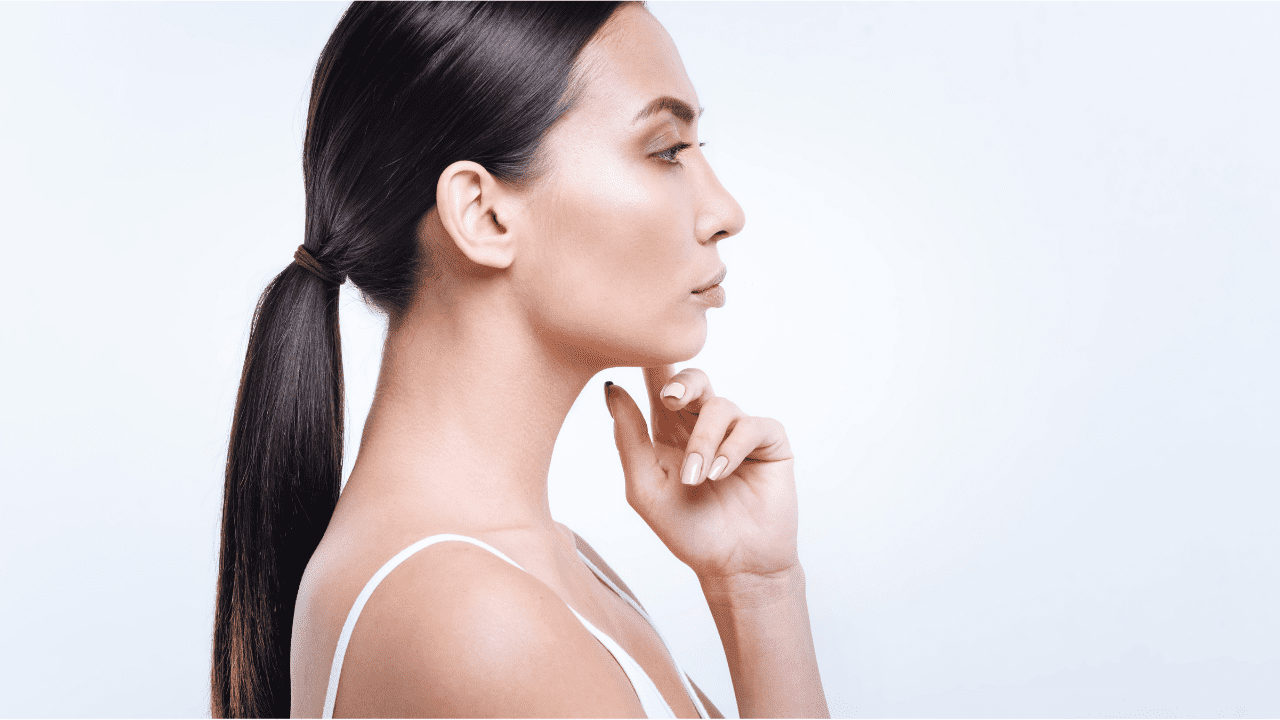
Sometimes the best solution isn’t trying to remove the oil but working with what you’ve got. These hairstyles actually benefit from slightly oily hair because it adds texture and hold.
The Slicked-Back Ponytail
This is my absolute go-to when I’m running late. Greasy hair makes this style look intentionally sleek rather than accidentally oily. Brush all your hair back tightly (the oil helps it stay smooth), secure with an elastic at your desired height, and apply a tiny bit of shine serum or even a drop of hair oil to the visible parts of your hair. This makes it look like a deliberate, polished choice.
For extra polish, wrap a small section of hair around the elastic to hide it. Use a bobby pin to secure underneath. Takes 30 seconds and looks incredibly chic.
The Textured Messy Bun
Gather your hair into a high ponytail but don’t pull it all the way through on the last wrap of the elastic. This creates a loop. Wrap the loose end around the base, securing with bobby pins, and gently pull at the bun to create texture and volume. The slightly oily texture actually helps this style hold better and look more deliberately undone.
I wear this to school drop-off at least three times a week. Nobody can tell if it’s greasy or just “effortlessly undone.” That’s the magic.
Double Dutch Braids
Part your hair down the center and create two Dutch braids (where you cross sections under instead of over). The braiding naturally distributes oil, and the style looks intentional and put-together. Plus, if you’ve got kids, they think it’s cool when Mom matches their hairstyles.
Half-Up Top Knot
Pull just the top half of your hair into a high bun, leaving the rest down. This hides the greasiest part (usually the crown) while showing off the cleaner mid-lengths and ends. Perfect for video calls when you need to look presentable from the front.
Method 4: Blotting Papers and Oil-Absorbing Tricks
This is my secret weapon that I discovered completely by accident. I was using blotting papers on my shiny forehead one morning and thought, “Why wouldn’t this work on my scalp?”
Face Blotting Papers
Press blotting papers or even tissues directly onto your scalp where it’s greasiest, particularly along your parting and hairline. They absorb oil instantly without adding product. I keep a pack of Clean & Clear oil-absorbing sheets in my handbag for touch-ups throughout the day.
This won’t give you the volume that dry shampoo provides, but for a super quick fix when you literally have 60 seconds, it’s brilliant. Press, don’t rub, and you’ll see the oil transfer onto the paper immediately.
The Paper Towel Hack
In an absolute emergency, clean toilet paper or paper towels work similarly. Fold them into small squares, press against greasy sections for a few seconds, and dispose. I’ve done this in restaurant bathrooms more times than I’ll admit when I’ve realised mid-meal that my hair looks terrible in the lighting.
Method 5: The Root Refresh Technique
When you’ve got literally five minutes and access to a sink, washing just your fringe and front sections can transform your entire appearance without committing to a full wash.
How to Do a Partial Wash
Lean over the sink and wet only the front third of your hair with lukewarm water (not hot, which stimulates oil production). Apply a small amount of shampoo just to these sections, lather quickly, and rinse thoroughly. The key is rinsing completely so you don’t leave soapy residue.
Squeeze out excess water with a towel and either let it air-dry or give it a quick blast with the hairdryer. Because you’re only washing the most visible part, it dries fast, and the rest of your hair still has enough natural oil to style easily.
I use this technique constantly when I need to look presentable but don’t have time for a full wash and dry. The front framing pieces are what people notice most, so getting those fresh makes a massive difference.
Advanced Tips That Make a Real Difference
After years of managing greasy hair whilst juggling four children, I’ve learned some less obvious tricks that genuinely work.
Change Your Pillowcase Regularly
Your pillowcase absorbs oil from your face and hair while you sleep, then transfers it back the next night. I wash my pillowcases twice a week now, and it’s made a noticeable difference to how fast my hair gets greasy. Silk or satin pillowcases are even better because they’re less absorbent and create less friction.
Stop Touching Your Hair
I know, I know. It’s so tempting to constantly run your hands through your hair or twirl sections while thinking. But your hands have natural oils that transfer straight to your hair, making it greasier. I broke this habit by keeping my hands busy with a fidget ring instead.
Use Less Conditioner (and Apply It Correctly)
Only condition from mid-length to ends, never near your roots. I used to slather conditioner everywhere and wonder why my hair looked greasy by lunchtime. Your roots don’t need conditioning; they’re getting plenty of natural oil from your scalp.
Temperature Matters
Wash your hair with lukewarm water, never hot. Hot water strips your scalp, triggering it to produce more oil to compensate. Finish with a cool rinse to seal the hair cuticle and add shine without greasiness.
The Parting Switch
Changing your parting redistributes the oil and gives you instant volume. If you always part on the left, switch to the right or try a centre part. Your hair naturally wants to fall in a certain direction, so fighting against this creates lift at the roots that disguises grease.

What NOT to Do When Your Hair Is Greasy
Learn from my mistakes so you don’t have to make them yourself.
Don’t Overwash
This is the biggest trap. When your hair gets greasy fast, the instinct is to wash it every day. But this creates a vicious cycle. Your scalp gets stripped, panics, and produces even more oil. I was washing daily for years before I understood this. Now I wash 2-3 times a week maximum, and my hair is actually less greasy overall.
Don’t Skip Dry Shampoo Training
When you first start using dry shampoo to extend time between washes, your hair will protest. It’ll feel weird and possibly look worse before it looks better. Push through this awkward phase (usually 1-2 weeks) and your oil production will regulate.
Don’t Use Too Much Product
More isn’t better. Whether it’s dry shampoo, texturising spray, or whatever else, using too much creates buildup that makes hair look dirtier. Start with less than you think you need; you can always add more.
Don’t Brush Constantly
Every time you brush, you’re spreading oil from your scalp down your hair shaft. Brush when necessary for styling, but resist the urge to constantly run a brush through your hair.
Don’t Apply Serums or Oils to Your Roots
This should be obvious, but I’ve definitely made this mistake in my sleep-deprived early mom days. Any shine serums, hair oils, or leave-in treatments should only go on the mid-lengths and ends. Roots should be product-free except for dry shampoo or volumising products.
Product Recommendations
Based on genuine testing (because I’ve tried everything), here are products worth investing in:
Dry Shampoos
- Batiste Dry Shampoo (Amazon): Best value for money
- Klorane Dry Shampoo with Oat Milk (Amazon/Boots): Gentle and effective
- Ouai Super Dry Shampoo (SpaceNK): Premium option that actually works
Tools
- Tangle Teezer (Amazon): Distributes dry shampoo without damaging hair
- Denman D3 Brush (Amazon): Perfect for blow-drying techniques
- Silk Pillowcase (Amazon): Reduces oil transfer and hair friction
Styling Products
- Bumble and bumble Surf Spray (Amazon/SpaceNK): Adds texture that disguises greasiness
- Batiste Overnight Deep Cleanse Dry Shampoo (Boots/Superdrug): Apply before bed for genuinely clean-feeling hair
Blotting Papers
- Clean & Clear Oil Absorbing Sheets (Boots/Amazon): Double duty for face and scalp
- The Body Shop Tea Tree Blotting Tissues (The Body Shop): Natural option

Frequently Asked Questions
Why does my hair get greasy after just one day?
Your hair type, hormones, and washing routine all play roles. Fine, straight hair gets visibly oily fastest because oil travels down smooth hair shafts easily. Overwashing is often the real culprit, though. When you wash daily, you strip natural oils, prompting your scalp to produce even more sebum to compensate. Try gradually extending time between washes by one day and using dry shampoo to bridge the gap. Your scalp will eventually regulate and produce less oil.
Is it bad to use dry shampoo every day?
Yes, actually. While dry shampoo is brilliant for emergency situations and extending time between washes, using it daily can cause product buildup, clog your pores, and even lead to scalp irritation or hair loss if you’re not careful. I limit dry shampoo to 1-2 days maximum between proper washes. Your scalp needs to breathe and be properly cleansed regularly. If you’re relying on dry shampoo daily, it’s worth examining why your hair gets greasy so fast and addressing the root cause.
Can greasy hair cause hair loss?
Excessive oil buildup can contribute to hair loss, yes. When sebum accumulates and mixes with dead skin cells and product, it can clog hair follicles, which may lead to inflammation and weaken hair roots. However, normal oiliness won’t cause hair loss. If you’re experiencing significant hair loss alongside very oily hair, it’s worth speaking to a GP or dermatologist, as conditions like seborrheic dermatitis could be involved.
Does washing hair less often actually help with greasiness?
Counterintuitively, yes. When I first heard this, I thought it was mad. But after forcing myself through an awkward adjustment period, washing less frequently genuinely helped my hair produce less oil overall. Your scalp takes about 2-3 weeks to adjust to a new washing schedule. During this time, rely heavily on dry shampoo and the techniques in this article. Eventually, your sebaceous glands will calm down and produce less oil because they’re not constantly being stripped and trying to overcompensate.
What’s the best hairstyle to hide greasy roots?
Slicked-back styles work best because they turn the oil into an advantage. A tight, glossy ponytail or bun looks intentionally sleek when your hair is a bit oily, whereas loose, flowing styles show every trace of grease. Braids are also excellent because they disguise oil and add texture. My personal favourite is a high ponytail wrapped with a section of hair to cover the elastic. Takes two minutes and looks polished even when my hair is an absolute state underneath.
Can diet affect how greasy my hair gets?
There’s some evidence that very high-fat, high-sugar diets can influence sebum production, though the effect isn’t as dramatic as other factors like hormones or washing habits. Staying hydrated definitely helps. I noticed my hair (and skin) improved when I increased my water intake and reduced processed foods, though this could also be correlation rather than causation. Basically, a healthy diet won’t hurt, but it’s not a magic solution for greasy hair.
The Realistic Long-Term Approach
Quick fixes are brilliant for emergencies, but if you’re constantly battling greasy hair, it’s worth addressing the underlying causes.
I’ve found that washing my hair 2-3 times per week (instead of daily) made the single biggest difference over time. The first two weeks were rough, I won’t lie. My hair looked absolutely terrible by day three, and I relied heavily on dry shampoo and strategically placed headbands. But by week three, something shifted. My hair started looking genuinely fresh for longer, and I stopped producing quite so much oil.
Using a clarifying shampoo once a week helps remove product buildup that can make hair look greasy. I use the Neutrogena Anti-Residue Shampoo (about £6 from Boots) every Sunday, and it makes a noticeable difference.
Switching to lightweight, sulfate-free products helped too. Heavy, moisturising shampoos and conditioners can weigh down fine hair and make it look greasier. I now use the OGX Weightless Hydration Coconut Water Shampoo and only condition my ends.
Finally, managing stress actually did help. When I’m particularly stressed or not sleeping well (which, let’s be honest, is most of the time with four kids), my hair gets noticeably greasier. Cortisol influences oil production, so anything that helps manage stress can indirectly help your hair.

Final Thoughts
Look, I’m not going to pretend that greasy hair isn’t frustrating. It absolutely is, especially when you’re trying to look somewhat together whilst managing everything else life throws at you. But the techniques in this article genuinely work. I use them constantly, and they’ve saved me from countless bad hair days.
The key is having multiple strategies in your arsenal. Some days, dry shampoo is enough. Other days, you need the full upside-down blow-dry plus a slicked-back ponytail. And sometimes, honestly, you just chuck on a headband and call it a day. That’s fine too.
Start with one or two techniques that feel most doable for you. Get comfortable with those, then add more strategies as needed. And remember, even when your hair feels like an oil slick, you’ve got options that take five minutes or less.
Your hair doesn’t define you. But knowing how to wrangle it quickly when you need to? That’s a superpower worth having.
See more fashion and beauty posts here

Becky is the voice behind Life in Velvet, an organised, intentional living blog focused on practical food, calm homes, thoughtful projects, and everyday systems that make real life feel easier. A mum of 3 living in the UK, Becky writes from lived experience, sharing what works, what doesn’t, and the decisions that make family life run more smoothly.
With a background in marketing and content writing, and over a decade of blogging experience, she brings a thoughtful, structured approach to everything from baking and home projects to routines and decision-making. Life in Velvet is where planning meets creativity, with ideas designed for real homes and real life.