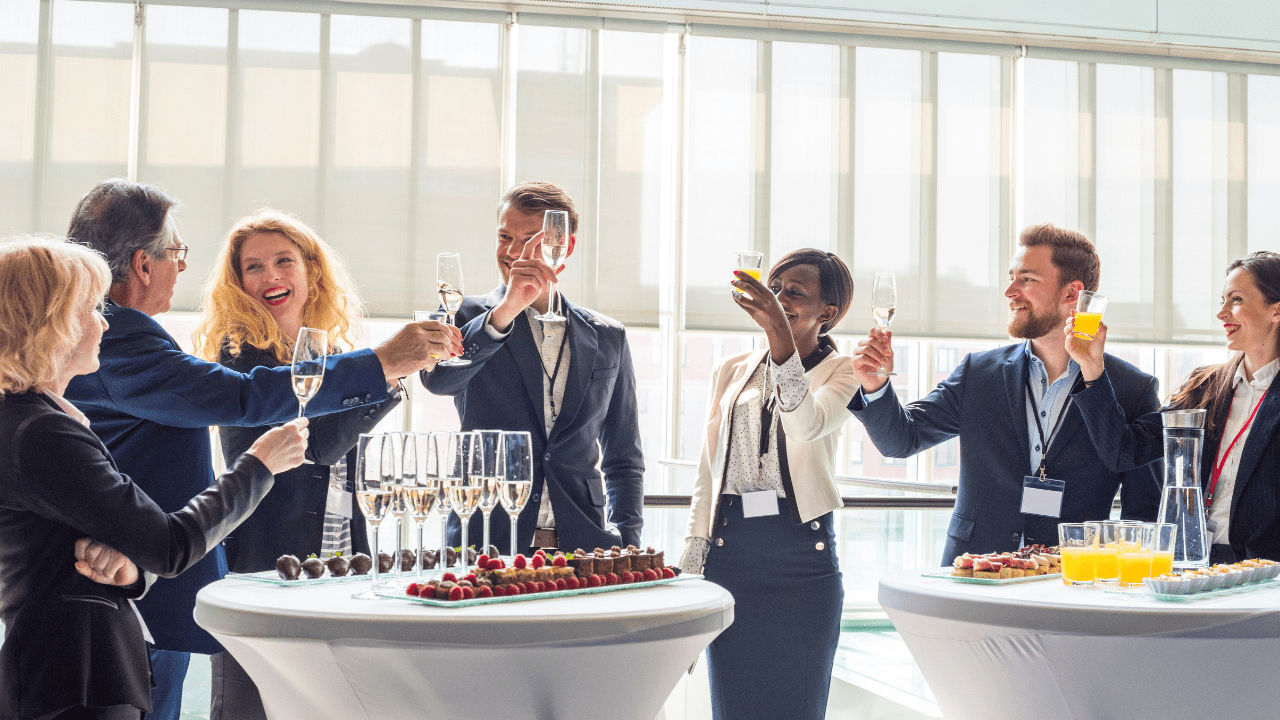
The difference between an event people tolerate and one they genuinely enjoy often comes down to something surprisingly simple: whether they’re physically comfortable. When guests spend an entire evening shifting in hard chairs or standing because there’s nowhere decent to sit, they start thinking about leaving long before the party’s actually over. The best events create spaces where people naturally settle in, strike up conversations, and lose track of time because they’re actually enjoying themselves.
Why Comfort Drives Guest Engagement
Physical comfort does more than just prevent sore backs. When people feel relaxed in their surroundings, they’re more likely to approach strangers, join group conversations, and participate in whatever’s happening. A guest perched awkwardly on a wobbly chair is thinking about their posture, not about meeting new people or celebrating the occasion. They’re counting down the minutes until they can politely excuse themselves.
This becomes especially obvious at events that last more than a couple hours. Weddings, milestone birthdays, corporate gatherings—these aren’t quick affairs. Guests need places to sit that don’t punish them for staying through dinner and dancing. The hosts who get this right end up with events where people actually stick around for the whole thing instead of making excuses to leave early. There’s a direct connection between comfortable seating and how many guests are still there when the evening winds down.
The Seating Variety Approach
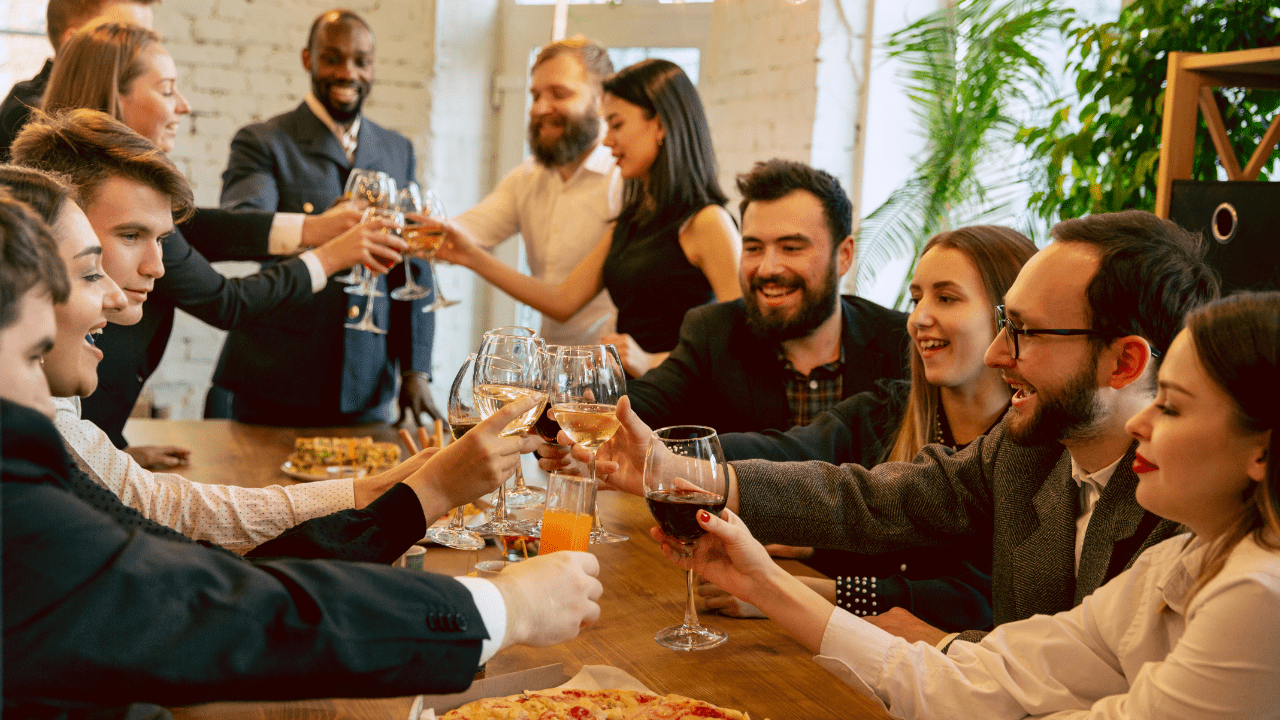
Here’s something most people don’t consider when planning events: not everyone wants to sit the same way all night. Some guests prefer traditional table seating during dinner. Others gravitate toward lounge furniture for casual conversation. A few want high-top tables where they can stand, sit on a stool, or do that half-lean thing that somehow feels perfect during cocktail hour.
Smart event planning incorporates multiple seating styles throughout the space. Working with party furniture rentals gives hosts the flexibility to create distinct zones—formal dining areas, casual conversation corners, and standing-height spots that encourage mingling. This variety means guests can move around and find the setup that works for them at any given moment.
The lounge furniture areas deserve special attention. Sofas, armchairs, and coffee tables grouped together create natural gathering spots where conversations flow more easily than they do at formal dining tables. These become the spaces where guests end up spending time after dinner, where new friendships form, and where the party’s energy sustains itself without constant host intervention.
Strategic Furniture Placement That Encourages Movement
The layout matters just as much as the furniture itself. Events where all the seating lines the walls tend to feel stiff and formal, even when the furniture’s comfortable. Guests end up facing the middle of the room, watching rather than participating. Better arrangements place seating clusters throughout the space, creating multiple conversation areas that pull people in different directions. The whole atmosphere changes when furniture creates defined spaces rather than leaving one big empty center.
This scattered approach does something clever—it gets guests moving around naturally. They’ll sit with one group for a while, then drift over to check out another area, running into different people along the way. That movement creates mixing and mingling without anyone having to awkwardly introduce themselves to strangers. The furniture arrangement does the social engineering work, making connections happen organically instead of forcing them.
Leaving clear pathways between seating areas is equally important. When guests have to squeeze past chairs or navigate furniture obstacles, they tend to plant themselves in one spot and stay there. Wide, obvious routes between different zones encourage exploration and make the whole space feel more welcoming.
Temperature and Weather Considerations
Outdoor events add another layer of comfort challenges. The most beautiful patio setup loses its appeal when guests are sweating through their clothes or shivering in evening temperatures. Successful outdoor furniture arrangements account for sun exposure during different times of day and create shaded areas where people can escape the heat.
For cooler weather events, the furniture placement needs to consider warmth sources. Seating areas near fire pits or patio heaters become the premium spots, so having enough comfortable furniture in those zones keeps guests from clustering in uncomfortable standing groups. The goal is creating enough cozy spots that everyone can be warm and seated without fighting for position.
The Food and Drink Access Factor
Comfortable guests are fed and hydrated guests. This means thinking about how far people have to walk from seating areas to reach food stations and bars. When those distances are too great, guests either make fewer trips (and end up hungry or thirsty) or they spend half the event walking back and forth instead of socializing. Neither situation creates the relaxed atmosphere that hosts are aiming for.
High-top tables near bars and buffets solve this problem elegantly. They give guests a place to set down drinks and plates without requiring them to claim a formal seat. These spots become natural mixing zones where people pause between getting refreshments and returning to their main seating area, creating spontaneous conversations with whoever else happens to be standing there. The best events make it easy for guests to grab what they need and get back to enjoying themselves without unnecessary effort or awkward balancing acts.
Lighting’s Role in Comfortable Spaces
Evening events need lighting that makes furniture areas visible and inviting without being harsh. Poorly lit seating zones feel forgotten and uninviting, even when the furniture itself is perfect. Soft ambient lighting around lounge areas and dining tables helps guests see each other’s faces during conversation, which sounds obvious but gets overlooked more often than it should.
The lighting also affects how long guests stay. Bright overhead lights signal “time to wrap things up” in people’s minds, while warmer, lower lighting creates an atmosphere where lingering feels natural. Pairing comfortable furniture with the right lighting extends events organically because guests simply don’t want to leave yet.
Making It All Come Together
Creating genuinely comfortable events means thinking beyond just having enough chairs for everyone. The most successful gatherings layer different types of seating, place furniture strategically to encourage movement and conversation, and consider every factor that affects how guests physically feel throughout the celebration. When hosts get these elements right, they end up with events where guests lose themselves in the moment—and that’s when the real celebration happens.
See more lifestyle posts here

Becky is the voice behind Life in Velvet, an organised, intentional living blog focused on practical food, calm homes, thoughtful projects, and everyday systems that make real life feel easier. A mum of 3 living in the UK, Becky writes from lived experience, sharing what works, what doesn’t, and the decisions that make family life run more smoothly.
With a background in marketing and content writing, and over a decade of blogging experience, she brings a thoughtful, structured approach to everything from baking and home projects to routines and decision-making. Life in Velvet is where planning meets creativity, with ideas designed for real homes and real life.