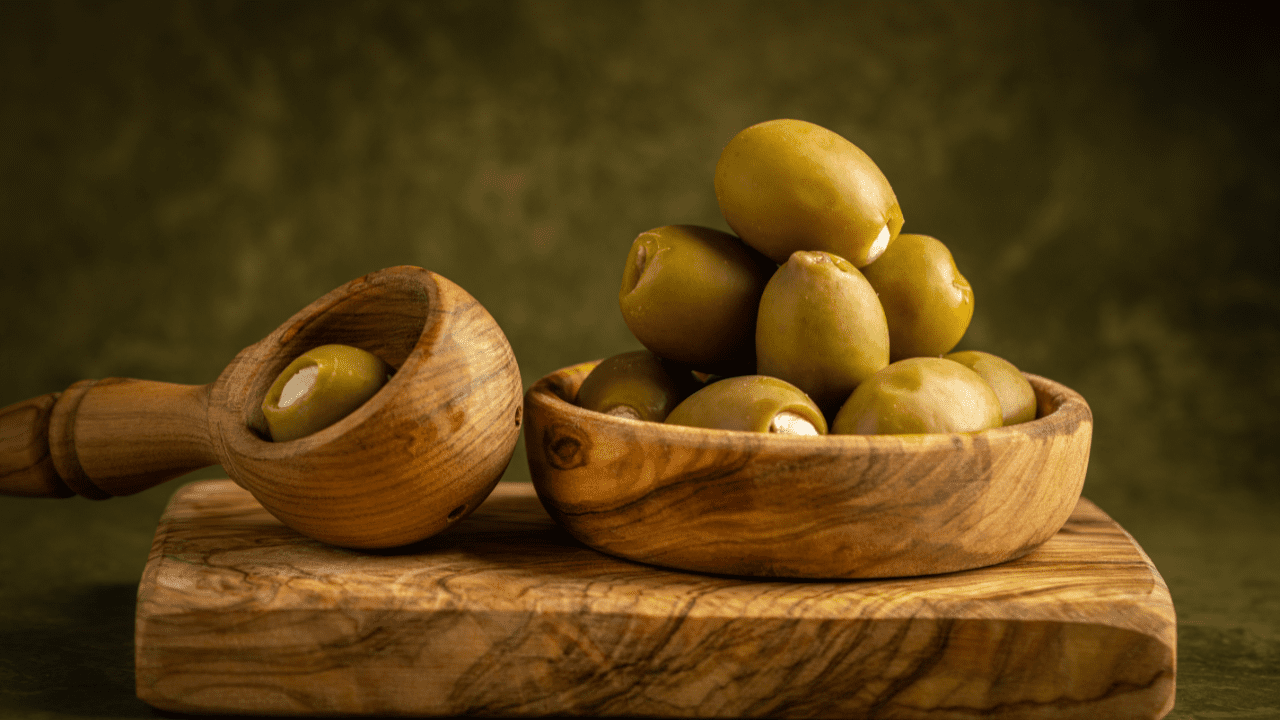
Most people buy olive oil thinking it’s all pretty much the same – maybe some difference between cheap and expensive, but otherwise just olive oil. The reality is that olive oil varies as much as wine, and for similar reasons. Different olive varieties produce oils with completely different flavor profiles, from delicate and buttery to bold and peppery.
Understanding these varieties helps explain why that bottle you loved last time tastes nothing like the one you just bought, even though both say “extra virgin” on the label. It’s not about quality necessarily – it’s about the olives themselves.
Picual: The Bold Workhorse
Picual is Spain’s most planted olive variety, and for good reason. It produces oil with a robust, sometimes intensely peppery flavor that hits the back of your throat. That peppery bite isn’t a defect – it’s a sign of fresh oil rich in polyphenols, the compounds that make olive oil healthy.
Picual oil tends to be green and grassy when fresh, with hints of tomato leaf and a bitter edge that some people love and others find too strong. The flavor mellows somewhat as the oil ages, but it never becomes mild.
This variety works brilliantly for cooking because its strong flavor holds up to heat and doesn’t disappear in dishes. It’s also particularly stable, meaning it doesn’t go rancid as quickly as more delicate oils. For everyday cooking where you want olive oil flavor to come through, Picual delivers.
The downside is that its intensity can overpower delicate dishes. Using it on mild fish or in a light vinaigrette might be too much. It’s the oil equivalent of using a bold red wine where white would be better.
Arbequina: The Crowd Pleaser
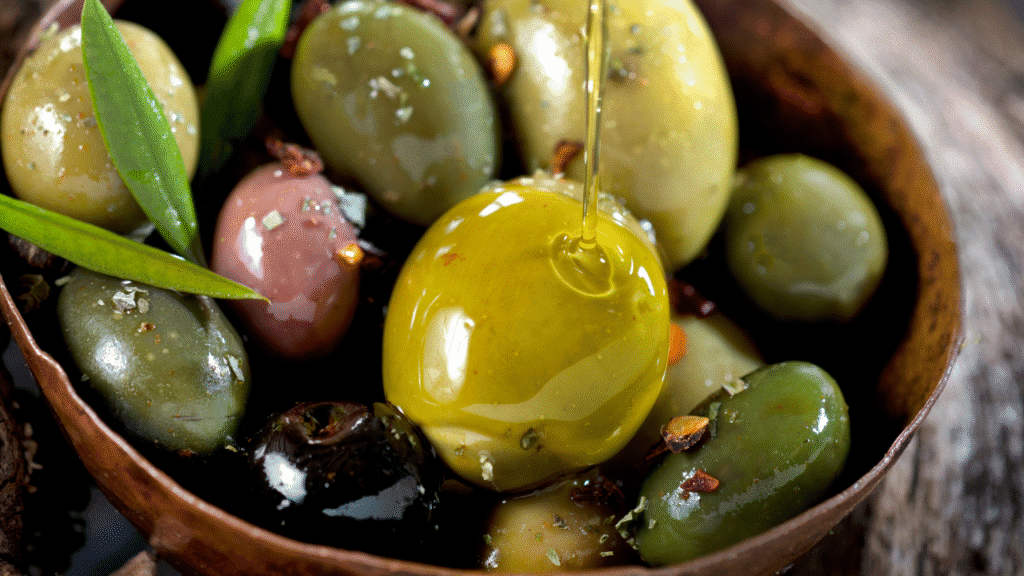
If Picual is the bold statement, Arbequina is the easy-going option everyone likes. This Catalan variety produces mild, buttery oil with almost no bitterness or pepper. It often has fruity notes – apple, almond, sometimes a hint of banana.
Arbequina’s gentle nature makes it versatile. It works in baking, in mayonnaise, drizzled over delicate foods, or anywhere you want oil richness without strong olive flavor. It’s the variety most likely to convert people who think they don’t like olive oil.
The trade-off is lower polyphenol content, which means less of that throat-catching bite but also fewer of the compounds that make olive oil particularly healthy. It also goes rancid faster than more robust varieties, so freshness matters even more.
When exploring options like artisan Spanish olive oils from different regions, Arbequina represents the softer, more approachable end of the spectrum. It shows that olive oil doesn’t have to be aggressive to be good.
Hojiblanca: The Balanced Middle
Hojiblanca sits between the extremes – more character than Arbequina but more approachable than Picual. The name means “white leaf” in Spanish, referring to the pale underside of its leaves.
The oil tends toward fresh grass and herbs, with moderate bitterness and pepper. It’s complex enough to be interesting but not so intense that it dominates dishes. Many people find it hits the sweet spot of noticeable olive flavor without overwhelming other ingredients.
Hojiblanca works well both raw and cooked. It’s substantial enough for sautéing vegetables but refined enough for salad dressings. This versatility makes it popular with people who want one quality oil that handles most kitchen tasks.
Cornicabra: The Spanish Character
Cornicabra is another major Spanish variety, producing oil with distinctive fruity notes and a pleasantly bitter finish. The flavor often includes hints of apple and almond, with enough structure to be interesting but not harsh.
What makes Cornicabra notable is how it captures something essentially Spanish in character – bold enough to stand up to regional cuisine but with underlying sophistication. It pairs particularly well with tomatoes, bread, and cured meats.
The oil tends to be bright green when fresh and holds its quality well over time. It’s less common outside Spain than Picual or Arbequina, but worth seeking out for people who want something distinctively regional.
Frantoio: The Italian Immigrant
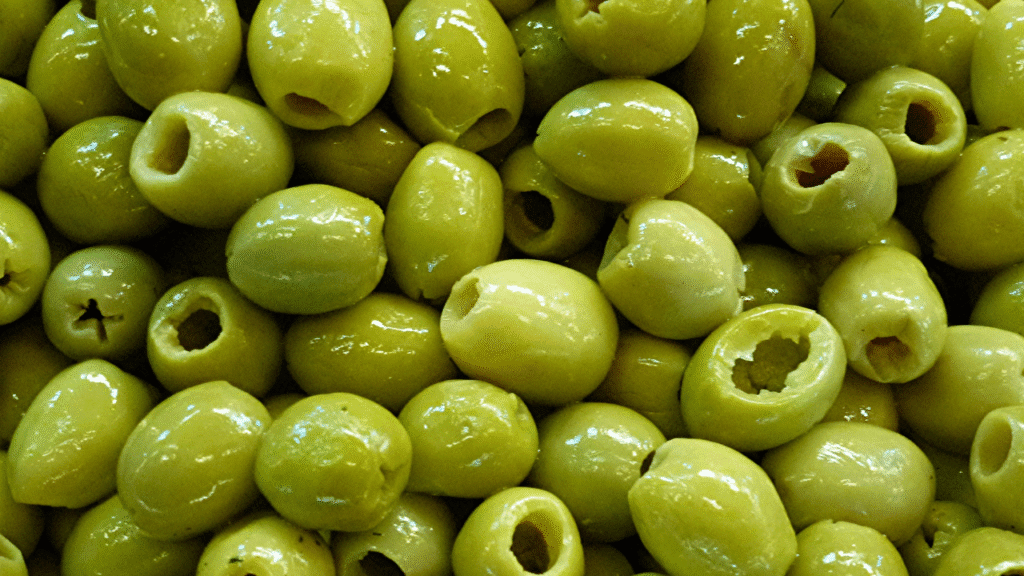
While Frantoio is Italian by origin, it’s grown in Spain too and worth mentioning because it appears in many quality blends. It produces medium-intensity oil with a pleasant balance of fruitiness, bitterness, and pepper.
Frantoio oil often has artichoke and fresh herb notes, with a smooth texture and lingering finish. It’s the variety that makes people understand why good olive oil costs more – the complexity is obvious even to inexperienced palates.
In Spain, Frantoio sometimes gets blended with local varieties to add sophistication and balance. These blends can be more interesting than single-variety oils, combining the best characteristics of different olives.
Why Variety Matters in Practice
Understanding olive varieties helps you choose oil that actually works for what you’re making. That bottle labeled just “extra virgin olive oil” could be mild Arbequina or aggressive Picual, and the difference matters.
For finishing dishes – drizzling over soup, dressing tomatoes, topping pasta – you want oil with personality. Bold varieties like Picual or Cornicabra add dimension. For cooking where oil is a background player, any good quality oil works, though robust varieties last longer at high temperatures.
Baking with olive oil calls for mild varieties like Arbequina that add richness without olive flavor. Mayonnaise and aioli work better with gentle oils too – strong varieties can taste bitter in emulsions.
The same variety can taste different depending on harvest timing, processing, and storage. Early harvest oils (picked when olives are green) taste more intense and bitter. Late harvest oils (from riper, darker olives) taste milder and sometimes slightly sweet. Even the same variety from the same producer varies year to year.
Reading Labels and Making Choices
Quality producers list the olive variety on their labels because they know it matters. If a bottle just says “extra virgin olive oil” with no variety information, it’s probably a blend of whatever was cheapest.
Single-variety oils aren’t necessarily better than blends – sometimes blending creates more balanced, interesting oils. But knowing what’s in the bottle helps predict how it will taste and perform.
Price correlates loosely with quality, but more with scarcity and production scale. A small producer making excellent Arbequina might charge more than a large company making decent Picual, even though Picual is “better” in some objective measures. What matters is whether the oil suits your purpose and tastes good to you.
Building Your Olive Oil Pantry
Rather than searching for one perfect oil, many serious cooks keep two or three different varieties. A robust oil for cooking and bold applications. A mild oil for baking and delicate uses. Maybe something special for finishing dishes.
This approach costs more upfront but makes sense once you understand how different oils work. It’s like having different wines for different occasions rather than trying to find one bottle that suits everything.
Start by trying single-variety oils side by side. Buy small bottles of Arbequina, Picual, and Hojiblanca, taste them on bread, and notice the differences. Once you understand the range, you can choose oils that actually suit your cooking rather than buying randomly.
Good olive oil isn’t cheap, but it’s also not prohibitively expensive when you consider how much flavor it adds. Understanding varieties helps you spend money on oils you’ll actually enjoy rather than bottles that sit unused because they don’t work for your cooking style.
See more of my food-related posts here!
How to Cook with Avocado Oil

Becky is the voice behind Life in Velvet, an organised, intentional living blog focused on practical food, calm homes, thoughtful projects, and everyday systems that make real life feel easier. A mum of 3 living in the UK, Becky writes from lived experience, sharing what works, what doesn’t, and the decisions that make family life run more smoothly.
With a background in marketing and content writing, and over a decade of blogging experience, she brings a thoughtful, structured approach to everything from baking and home projects to routines and decision-making. Life in Velvet is where planning meets creativity, with ideas designed for real homes and real life.