Small rooms come with their own set of challenges. The walls feel like they’re closing in, the space never quite looks right, and every decorating decision seems to make things worse instead of better. But here’s something most people overlook: the art on those walls can actually change how big a room feels.
It’s not about expensive pieces or following strict design rules. The right artwork creates visual tricks that fool the eye into seeing more space than actually exists. Getting this wrong, though, can make a cramped room feel even smaller.
Size Actually Matters More Than You’d Think
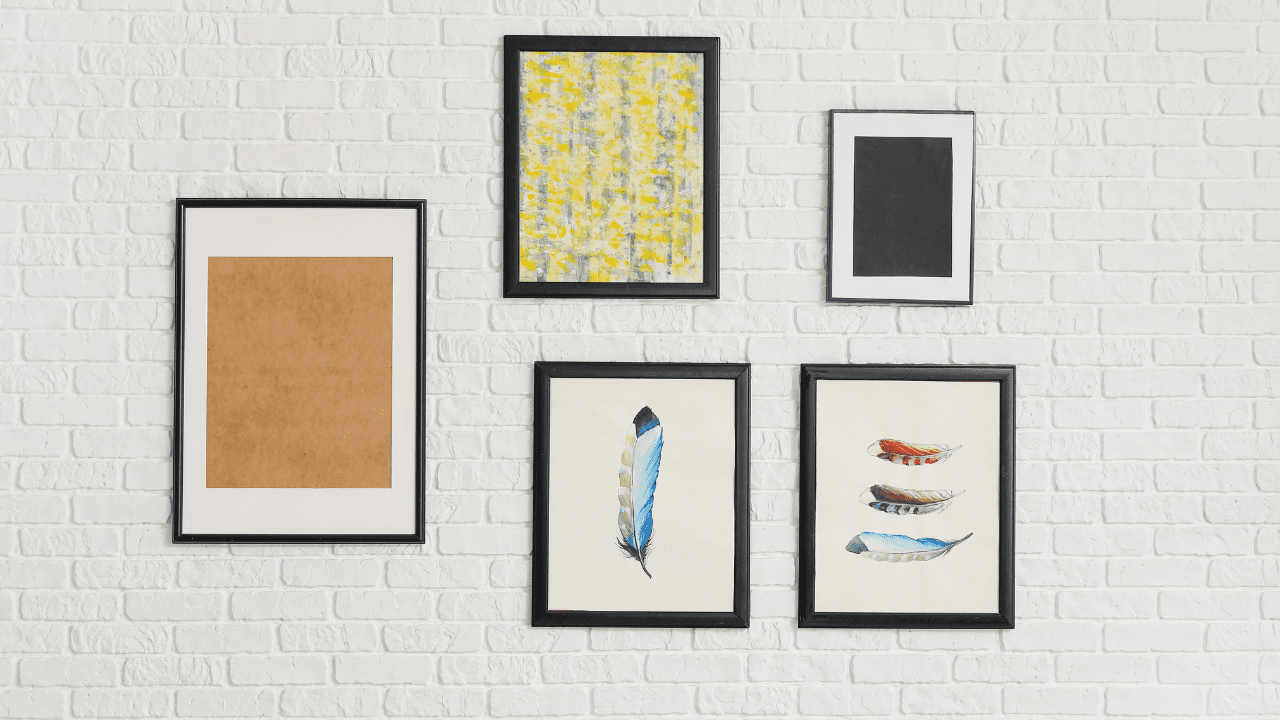
The biggest mistake people make is going too small with their wall art. There’s this instinct to match small art to small rooms, but that backfires completely. Tiny frames scattered around make the walls look cluttered and the room feel even more confined.
One large piece works better than several small ones. A single substantial artwork draws the eye to one focal point rather than bouncing attention around the room. This creates a sense of openness that multiple small pieces can’t achieve. Think of it like this: would you rather have five small windows or one large picture window? The same principle applies to wall art.
For most small rooms, aim for artwork that takes up about two-thirds to three-quarters of the furniture width below it. Over a sofa in a compact living room, that might mean a piece that’s 40 to 50 inches wide. It sounds counterintuitive, but that larger scale actually makes the room feel more spacious.
The Color Situation Changes Everything
Dark, heavy colors on the walls pull a room inward and make it feel tight. Light, airy artwork does the opposite by reflecting light around the space and creating breathing room.
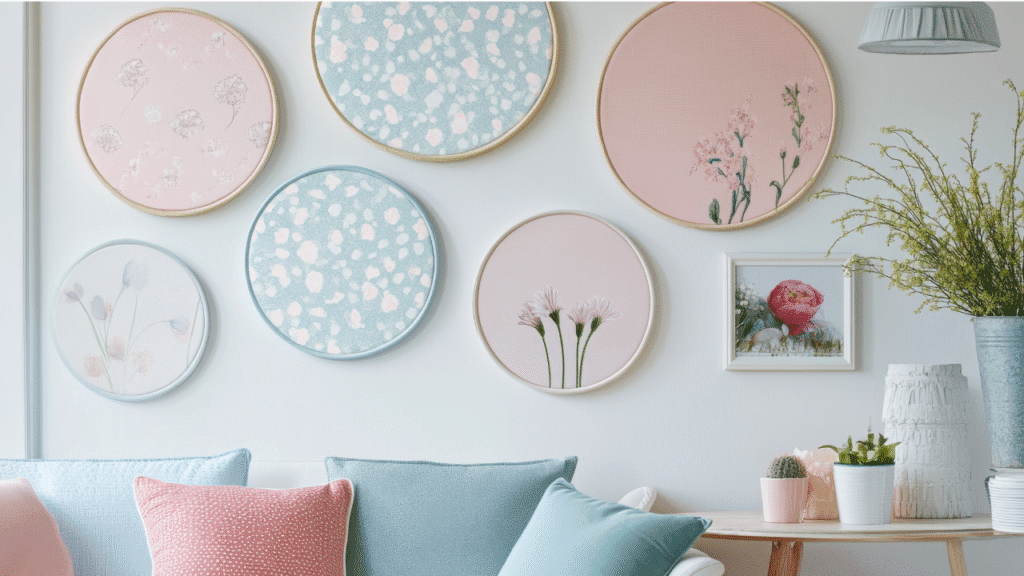
Artwork with whites, soft grays, pale blues, and muted pastels opens up a room in ways that dark or heavily saturated pieces can’t. This doesn’t mean everything needs to be boring or washed out. A piece with a light background and subtle pops of color still adds personality while maintaining that spacious feel.
Monochromatic pieces work particularly well in small spaces. When artwork stays within a similar color family, it creates visual harmony that makes walls recede rather than dominate. A canvas print with various shades of blue, for example, adds interest without overwhelming the space. Services like London Canvas offer options in different color palettes that can match specific room schemes while maintaining that light, open quality.
The temperature of colors matters too. Cool tones (blues, greens, soft purples) naturally recede and make walls feel further away. Warm tones (reds, oranges, deep yellows) come forward and can make spaces feel more enclosed. For small rooms, cool-toned artwork creates the illusion of depth.
Placement Height Isn’t Just About What Looks Nice
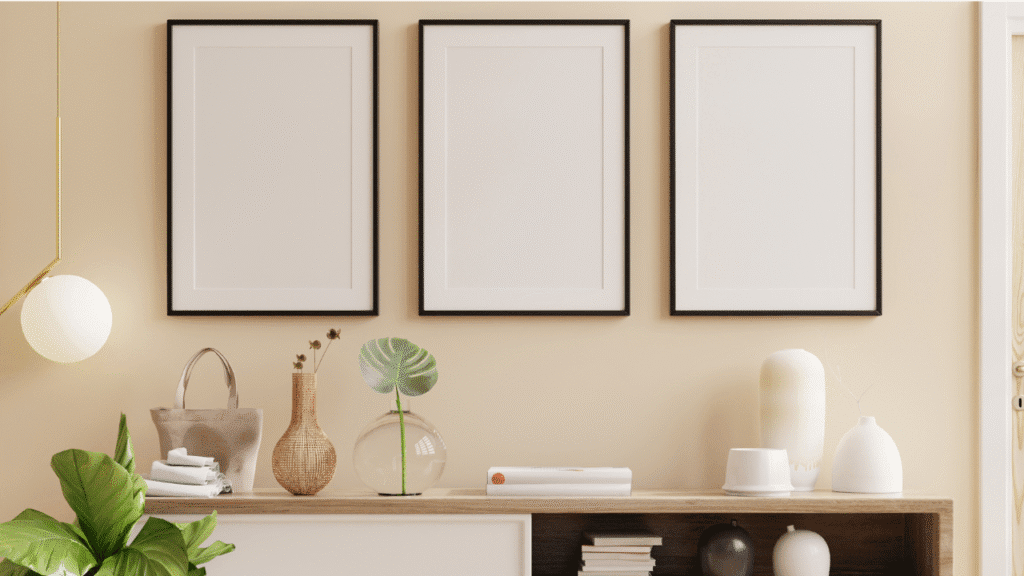
Most people hang art too high. The standard advice is to center artwork at eye level, around 57 to 60 inches from the floor. But in small rooms, placement becomes more strategic than that.
Hanging artwork slightly lower than the standard height can actually make ceilings feel higher, which makes the room feel larger overall. When the eye doesn’t have to travel as far up to see the art, it creates a sense of more vertical space above.
The gap between furniture and artwork matters too. Leave about 6 to 8 inches between the top of a sofa or console table and the bottom of the frame. Too much space makes the art feel disconnected and breaks up the wall in ways that shrink the room visually.
Horizontal vs Vertical Makes a Real Difference
The orientation of artwork affects how we perceive room dimensions. Horizontal pieces make walls feel wider, while vertical pieces draw the eye upward and emphasize height.
In a narrow room, horizontal artwork on the longest wall creates the illusion of width. The eye follows the horizontal line and the wall seems to stretch. In a room with low ceilings, vertical artwork pulls attention upward and makes the space feel taller.
This is where it gets a bit tricky. Some rooms need both width and height. In those cases, mixing orientations works, but stick to larger pieces rather than creating a scattered look with multiple small frames.
What About Mirrors and Reflective Pieces
Mirrors are the obvious choice for making rooms look bigger, but they need to reflect something worth seeing. A mirror reflecting a blank wall or cluttered corner doesn’t help. Position mirrors to reflect windows, light sources, or appealing views.
Artwork with metallic elements or glass components also bounces light around and adds depth. A piece with gold or silver leaf catches light and creates movement in the space. Even printed artwork with lighter, shinier finishes reflects more light than matte pieces on paper.
The problem is mirrors everywhere can make a small room feel cold and unwelcoming. Balancing reflective surfaces with traditional artwork creates warmth while still benefiting from the space-expanding qualities of reflection.
Canvas vs Framed Prints in Tight Spaces
The medium matters more than most people realize. Traditional framed artwork adds depth to the wall with the frame, mat, and glass. In a small room, that extra dimension eats into the limited space and creates shadows that make walls feel heavier.
Canvas prints sit flatter against the wall and don’t need frames or glass. This creates a cleaner, more open look that doesn’t add bulk. The edges of a canvas wrap around the sides, so there’s no interruption between the image and the wall. This seamlessness helps walls recede rather than feel crowded with protruding frames.
Canvas also has a lighter visual weight than framed pieces. Without the heavy frame border drawing attention, the artwork itself becomes the focus. This keeps the wall feeling less cluttered even with larger pieces.
Keeping the Overall Look Simple
Small rooms can’t handle visual complexity the way larger spaces can. Busy, detailed artwork with lots of competing elements makes the eye work too hard and creates visual clutter that shrinks the space.
Simple compositions with clear focal points work better. Abstract pieces with broad color blocks, landscape photography with clear horizons, or minimalist designs all give the eye somewhere to rest. This creates a sense of calm that makes the room feel more open.
That doesn’t mean artwork needs to be boring. A simple composition can still be interesting and personal. The key is avoiding pieces where there’s too much happening, which fragments attention and makes the space feel chaotic.
Making It Work Together
Getting wall art right in a small room comes down to making deliberate choices rather than just filling empty wall space. Larger pieces over smaller multiples, light colors over dark ones, and simpler compositions over complex busy ones all contribute to that illusion of more space.
The height and placement matter as much as the artwork itself. Strategic positioning can emphasize room dimensions in flattering ways. And the medium, whether canvas or framed prints, affects how much visual weight the art adds to the walls.
Small rooms don’t have to feel cramped. The right artwork creates visual breathing room that makes even the tightest spaces feel more open and livable.
See more home and interiors posts here

Becky is the voice behind Life in Velvet, an organised, intentional living blog focused on practical food, calm homes, thoughtful projects, and everyday systems that make real life feel easier. A mum of 3 living in the UK, Becky writes from lived experience, sharing what works, what doesn’t, and the decisions that make family life run more smoothly.
With a background in marketing and content writing, and over a decade of blogging experience, she brings a thoughtful, structured approach to everything from baking and home projects to routines and decision-making. Life in Velvet is where planning meets creativity, with ideas designed for real homes and real life.