
Most homeowners don’t think about their windows until something goes wrong. That telltale condensation between glass panes, the sudden spike in heating bills, or that persistent draft that no amount of weather stripping seems to fix. These are all signs that double glazing might be reaching the end of its useful life.
The truth is, even quality double glazing doesn’t last forever. Most units have a lifespan of 15-25 years, depending on the quality of installation and environmental factors. But here’s the thing – waiting until complete failure can cost significantly more than planning ahead.
Signs Your Double Glazing Needs Attention
Condensation between glass panes is probably the most obvious red flag. When the seal fails, moisture creeps in and creates that foggy appearance that cleaning won’t fix. This doesn’t just look unsightly – it means the insulating properties have been compromised.
Drafts around window frames tell another story. Over time, the sealant and weatherstripping deteriorate. What starts as a barely noticeable breeze can develop into a genuine cold spot that forces the heating system to work overtime.
Rising energy bills often provide the first clue that windows aren’t performing as they should. Older double glazing simply can’t match the efficiency standards of modern units. The difference becomes particularly noticeable during extreme weather when heating and cooling costs spike.
Physical damage presents more urgent concerns. Cracked glass compromises both security and insulation. While small chips might seem manageable, they tend to spread, especially with temperature fluctuations.
Understanding Replacement Timing
The replacement decision involves balancing immediate costs against long-term benefits. Windows showing multiple signs of wear typically warrant full replacement rather than piecemeal repairs.
Age plays a significant role in this calculation. Double glazing installed in the 1990s or earlier lacks the advanced coatings and gas fills found in contemporary units. The energy efficiency gap has widened considerably as technology has improved.
For property owners considering comprehensive home improvements, window replacement often delivers better value when coordinated with other projects. Professional glazing specialists such as those at hadleighglass.co.uk/windows-double-glazing/ can assess existing installations and recommend optimal timing for upgrades that complement broader renovation plans.
Climate considerations also influence timing. Homes in coastal areas face additional challenges from salt air corrosion, while properties in regions with extreme temperature swings experience more thermal stress on seals and frames.
What Modern Double Glazing Offers
Today’s double glazing surpasses older installations in several key areas. Low-emissivity (Low-E) coatings reflect heat back into rooms during winter while blocking solar heat during summer. This technology wasn’t widely available in earlier installations.
Gas fills between panes have evolved beyond basic air gaps. Argon gas provides superior insulation properties, while some premium units use krypton for even better performance. These inert gases reduce heat transfer more effectively than air.
Frame materials have also improved dramatically. Modern uPVC formulations resist warping, fading, and thermal expansion better than earlier versions. Composite frames combine the best properties of different materials for optimal performance.
Security features have kept pace with other improvements. Multi-point locking systems, reinforced frames, and toughened glass provide protection that older installations can’t match.
The Replacement Process
Professional assessment forms the foundation of any replacement project. Experienced installers evaluate existing frames, measure openings, and identify potential complications before work begins.
Manufacturing lead times vary depending on customization requirements. Standard sizes typically ship within 2-3 weeks, while bespoke units may require 6-8 weeks. Planning ahead prevents weather exposure during removal and installation.
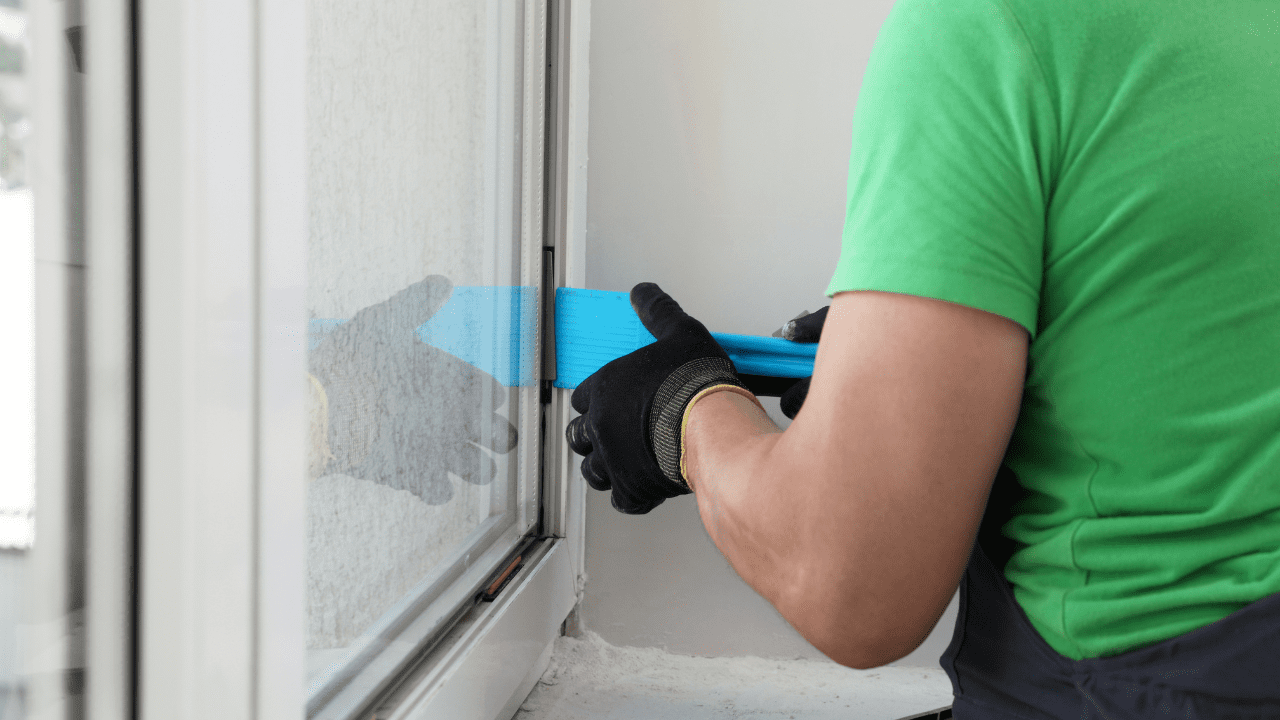
Installation itself usually takes 1-2 days per property, depending on the number of units being replaced. Professional crews remove old windows carefully to minimize interior damage and debris.
Building regulations compliance ensures installations meet current standards. This includes proper insulation around frames and adequate ventilation to prevent moisture buildup.
Cost Considerations and Value
Replacement costs vary widely based on window sizes, frame materials, and glazing specifications. Basic uPVC units start around £300-400 per window, while premium options with advanced features can exceed £800-1000 each.
However, these upfront costs need evaluation against long-term savings. Modern double glazing can reduce heating bills by 10-20% compared to older installations. The payback period typically ranges from 8-15 years, depending on energy prices and usage patterns.
Property value improvements provide additional financial benefits. Estate agents consistently report that new windows appeal to buyers and can add 5-10% to property values in competitive markets.
Energy efficiency ratings help quantify these benefits. Current Building Regulations require minimum C-ratings for replacement windows, but A-rated units offer superior performance that justifies the premium.
Avoiding Common Pitfalls
Choosing installers requires careful research. Look for established companies with proper insurance, professional certifications, and verifiable local references. Avoid door-to-door sales tactics and high-pressure techniques.
Warranty terms deserve close attention. Reputable suppliers offer 10-year guarantees on sealed units and extended warranties on frames and hardware. Understanding what’s covered prevents disappointment later.
Planning permission requirements catch some homeowners off-guard. Listed buildings and conservation areas often have restrictions on window styles and materials. Checking requirements early prevents costly mistakes.
Making the Decision
The replacement decision ultimately depends on individual circumstances, but certain factors make timing more critical. Properties with failing seals, rising energy costs, or security concerns shouldn’t delay necessary upgrades.
Planning ahead provides better outcomes than emergency replacements. Taking time to research options, obtain multiple quotes, and schedule work during favorable weather conditions results in superior installations and greater satisfaction with the investment.
Modern double glazing represents a significant improvement over installations from previous decades. The combination of energy savings, comfort improvements, and property value increases makes replacement a worthwhile investment for most homeowners facing aging windows.
See more home and DIY posts here

Becky is the voice behind Life in Velvet, an organised, intentional living blog focused on practical food, calm homes, thoughtful projects, and everyday systems that make real life feel easier. A mum of 3 living in the UK, Becky writes from lived experience, sharing what works, what doesn’t, and the decisions that make family life run more smoothly.
With a background in marketing and content writing, and over a decade of blogging experience, she brings a thoughtful, structured approach to everything from baking and home projects to routines and decision-making. Life in Velvet is where planning meets creativity, with ideas designed for real homes and real life.