Key Takeaways
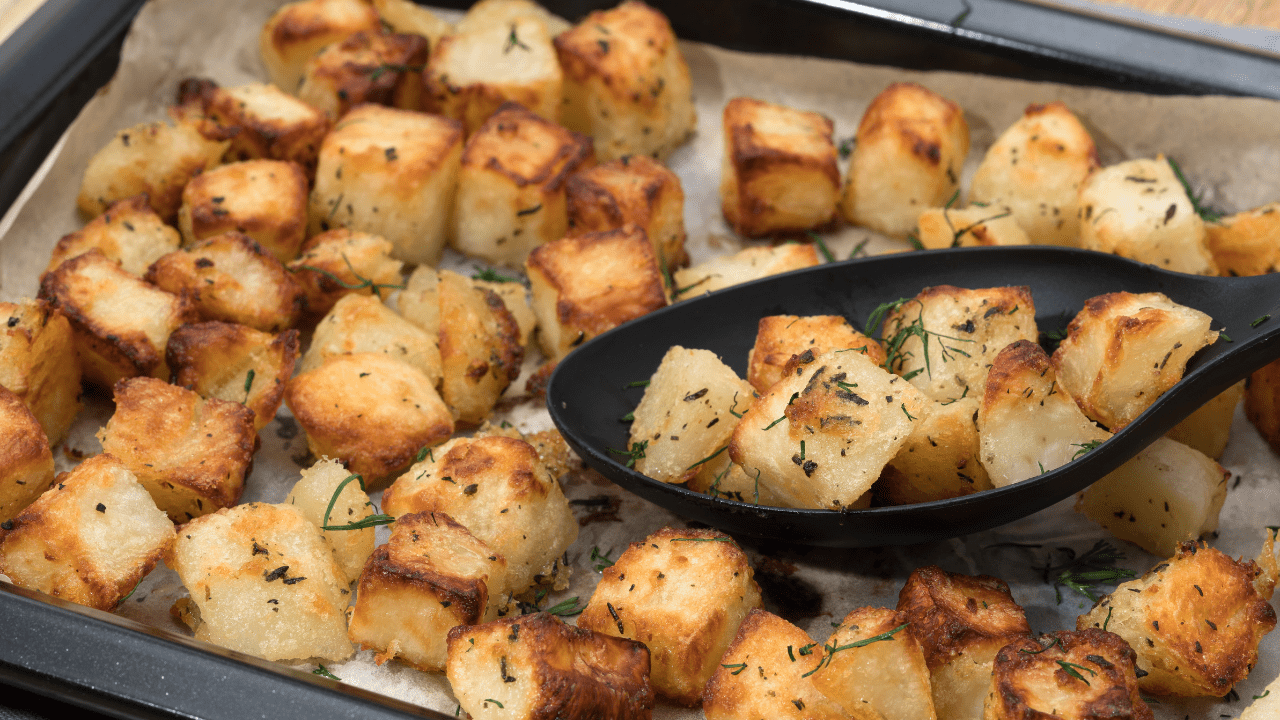
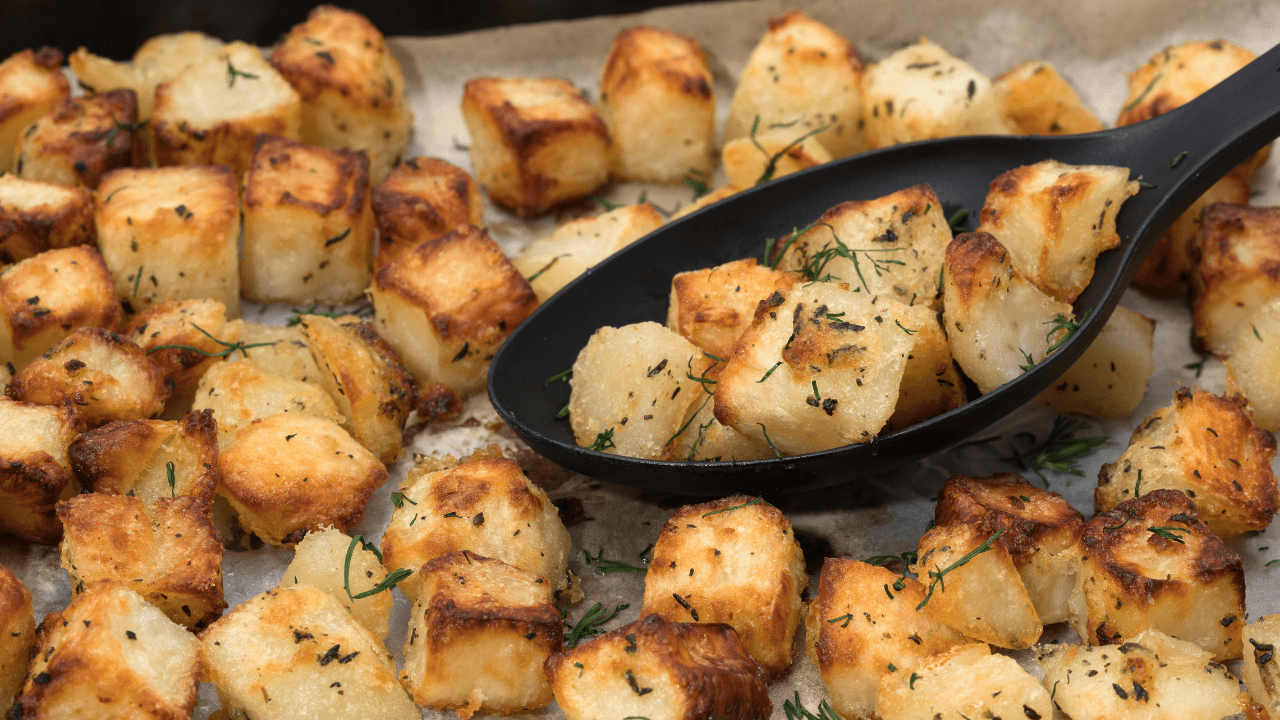
- Parmentier potatoes are crispy, golden potato cubes coated in garlic and fresh herbs—think mini roast potatoes with a French twist
- You don’t need to parboil them (though you can if you want extra fluffiness)
- They’re incredibly versatile and go with everything from Sunday roasts to midweek chicken dinners
- Use floury potatoes like Maris Piper or King Edward for the best crispy-outside, fluffy-inside texture
- They’re actually named after a French pharmacist who championed potatoes in the 1700s—how cool is that?
Right, can we talk about how Parmentier potatoes have basically taken over my life? I’m not even exaggerating. Last Sunday, I made a batch to go with our roast chicken, and my 8-year-old literally said, “Mom, these are better than chips.” BETTER THAN CHIPS, people. From a child. That’s when you know you’ve struck gold.
If you’ve never heard of Parmentier potatoes, you’re in for an absolute treat. They’re essentially fancy French potato cubes -crispy on the outside, gorgeously fluffy on the inside, and absolutely drenched in garlic and herbs. Think of them as mini roast potatoes that decided to get really posh and move to Paris for a while.
The best part? They’re actually easier than traditional roasties, they cook faster, and honestly, I reckon they’re even tastier. My husband has started requesting them for literally everything. Steak night? Parmentier potatoes. Fish and chips Friday? Swap the chips for Parmentier potatoes. I’m half expecting him to ask for them with his morning fry-up next.
In this post, I’m going to share everything you need to know about making perfect Parmentier potatoes at home. We’ll cover the history (it’s actually fascinating!), the best techniques, loads of variations, and all my top tips for getting them crispy every single time. Plus, I’ll answer all those burning questions you might have—because trust me, I’ve made these about a million times since discovering them, and I’ve learned a thing or two along the way.
What Are Parmentier Potatoes?
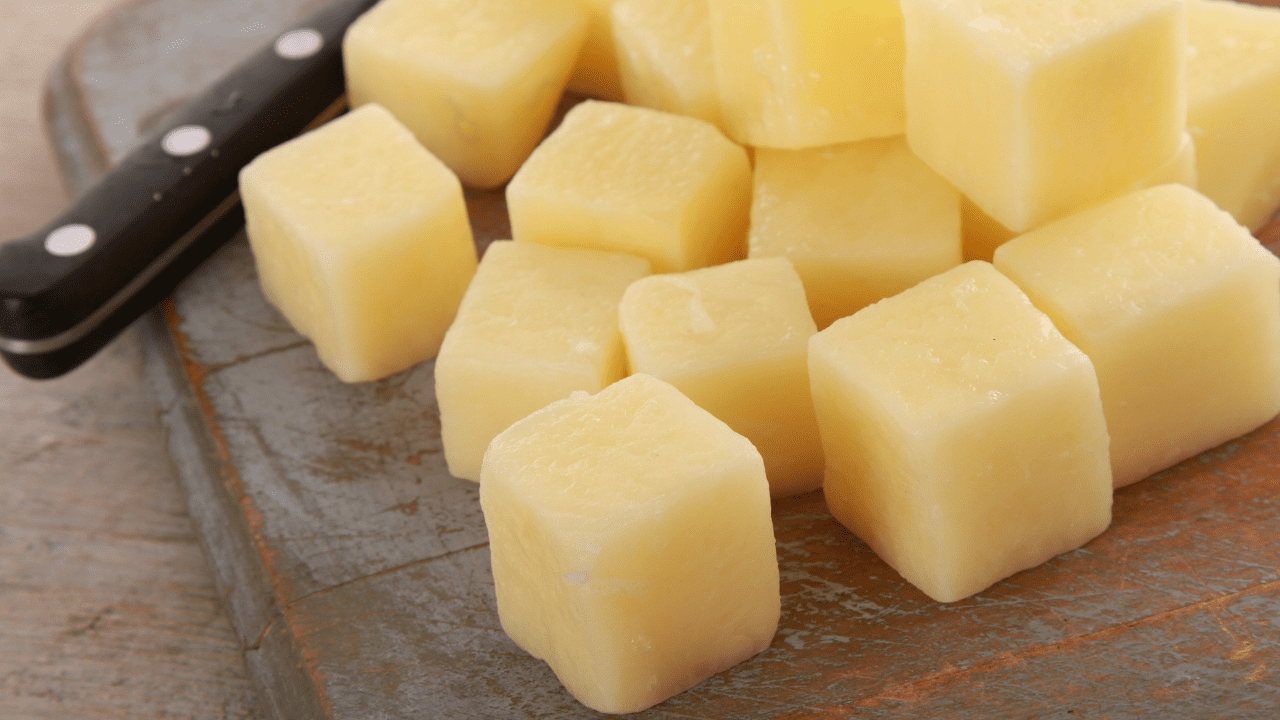
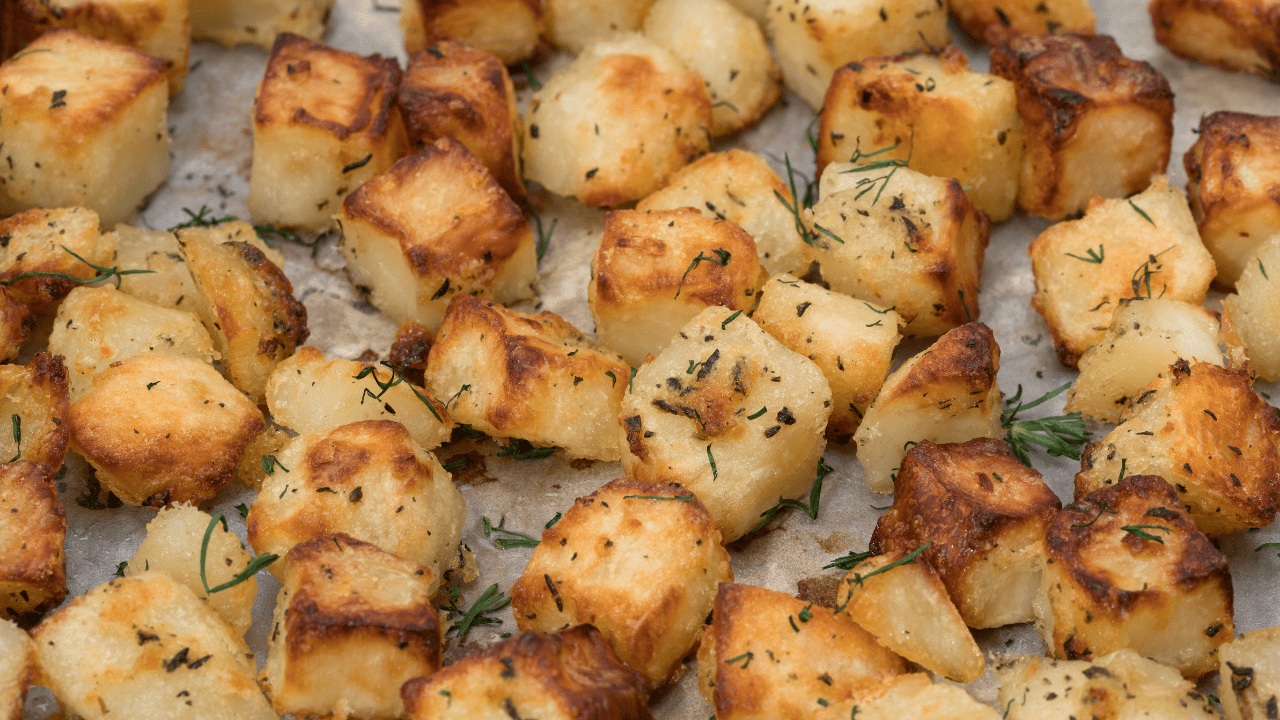
Parmentier potatoes (or pommes Parmentier if we’re being properly French about it) are simply potatoes cut into small cubes—usually about 1.5-2cm (½-¾ inch) square—then roasted until gloriously golden and crispy. They’re traditionally cooked in oil or sometimes duck fat (ooh la la), and tossed with garlic and fresh herbs like rosemary or thyme.
The texture is what makes them so addictive. You get this incredible contrast between the super crispy, almost crunchy exterior and the soft, fluffy interior. It’s like the best bits of roast potatoes and chips had a baby, and that baby was absolutely delicious.
What makes them different from regular roast potatoes? Well, the smaller size means more surface area, which equals more crispy bits (and we all know that’s where the magic happens). They also cook faster—usually in about 30-40 minutes—which is brilliant when you’re juggling four kids, three pets, and trying to get dinner on the table before someone has a meltdown. (Usually me, if we’re being honest.)
The Fascinating History Behind the Name
Here’s where it gets really interesting. These potatoes are named after Antoine-Augustin Parmentier, a French pharmacist and nutritionist who lived from 1737 to 1813. Now, Parmentier was basically the potato’s biggest fan—like, if potatoes had a fan club in the 1700s, he’d have been president, treasurer, and enthusiastic newsletter editor all rolled into one.
But here’s the thing: back in 18th century France, potatoes had a terrible reputation. People genuinely believed they caused leprosy, were poisonous, and were only fit for animal feed. The French government even made it illegal to grow potatoes at one point. Can you imagine? No roasties, no mash, no chips. Dark times, my friends. Dark times.
So how did Parmentier become such a potato evangelist? During the Seven Years’ War, he was taken prisoner by the Prussians, and while in captivity, he was forced to eat potatoes. Unlike his fellow French citizens, he realized they were actually rather nutritious and, you know, not at all deadly. Revolutionary stuff.
When he returned to France, he made it his life’s mission to change French minds about potatoes. He was clever about it too. He persuaded King Louis XVI to wear potato flowers in his lapel, convinced Marie Antoinette to wear them in her hair, and even planted potatoes in fields guarded by soldiers during the day (but not at night), making people think they must be valuable. Locals would sneak in and steal the potatoes, and voilà—potatoes spread throughout France.
His work literally changed French cuisine forever. Today, any dish with “Parmentier” in the name honours his contribution to food history. Pretty amazing when you think about it – this one pharmacist basically gave France (and the world) the gift of proper potato appreciation.
Why You’ll Absolutely Love This Parmentier Potatoes Recipe
Look, I’m not one for hyperbole (okay, I totally am), but these potatoes are genuinely brilliant. Here’s why I reckon you need to try them:
They’re Ridiculously Easy
No complicated techniques, no special equipment needed. If you can peel a potato and use an oven, you’re golden. I’ve made these while simultaneously helping with homework, settling a toddler tantrum, and texting my best friend about Friday night plans. They’re that straightforward.
Faster Than Traditional Roasties
Because they’re smaller, they cook in about 30-40 minutes instead of the usual hour for full-sized roast potatoes. On busy weeknights, that extra 20 minutes can be the difference between a calm dinner and complete chaos.
The Crispy-to-Fluffy Ratio is Perfection
More edges mean more crispiness. It’s just maths, really. Delicious, delicious maths.
They Go With Literally Everything
Sunday roast? Check. Midweek chicken? Absolutely. Fish? Gorgeous. Sausages? Perfect. I’ve even served them with a full English breakfast, and they were amazing. They’re like the Swiss Army knife of side dishes.
Kids Actually Love Them
My four will happily demolish a entire tray of these. They’re like chips but feel slightly healthier, so there’s less Mom guilt. Plus, getting them involved in cutting the potatoes (older kids only, obviously) makes them more excited to eat them.
Perfect for Meal Prep
They reheat beautifully, freeze well, and can be prepped ahead. As a busy Mom, this is absolutely key for me.
Ingredients You’ll Need for Perfect Parmentier Potatoes
The beauty of this recipe is its simplicity. You probably have most of these ingredients already. Here’s what you’ll need:
The Essential Ingredients
Potatoes (1kg / 2.2 lbs for 4-6 servings) The star of the show! You want floury potatoes here—Maris Piper are my absolute favourite, but King Edward or Rooster work brilliantly too. In the US, Russet potatoes or Yukon Golds are your best bet. Avoid waxy potatoes like Charlotte or new potatoes—they won’t give you that fluffy interior we’re after.
Olive Oil (3-4 tablespoons / 45-60ml) I use a light olive oil or rapeseed oil. You could also use vegetable oil or, if you’re feeling fancy, duck or goose fat for extra richness.
Fresh Garlic (3-4 cloves, crushed) Fresh is definitely best here. The roasted garlic flavour is what makes these potatoes absolutely divine.
Fresh Herbs Traditionally, you’d use either rosemary or thyme (or both!). I usually go with about 1 tablespoon of each, finely chopped. Fresh herbs make such a difference—the flavour is just miles better than dried.
Salt and Pepper Don’t skimp on the seasoning! Potatoes need a generous hand with the salt.
Optional Extras to Jazz Things Up
- Parmesan cheese (grated, about 30g) for a cheesy twist
- Lemon zest for a fresh, bright flavour
- Chilli flakes if you fancy a bit of heat
- Smoked paprika for a subtle smoky flavour
The Best Potatoes for Parmentier: Floury vs Waxy Explained
This is genuinely important, so stick with me for a minute. Not all potatoes are created equal, and using the wrong type can seriously impact your results.
Floury Potatoes (What You Want)
These are high in starch and low in moisture. When roasted, they get gorgeously fluffy inside and crispy outside. Perfect for our Parmentier potatoes! In the UK, look for:
- Maris Piper (my personal favourite)
- King Edward
- Rooster
- Desirée
In the US, you want:
- Russet potatoes
- Idaho potatoes
- Yukon Gold (slightly less floury but still work great)
Waxy Potatoes (Avoid for This Recipe)
These have more moisture and less starch. They’re brilliant for potato salads and boiling but won’t give you the crispy texture we’re after. These include:
- Charlotte
- Jersey Royals
- New potatoes
- Most “salad” potatoes
Quick Tip: If you’re in the supermarket and can’t remember, look for potatoes labelled as “good for roasting” or “all-purpose.” That’s your safe bet!
How to Make Parmentier Potatoes: Step-by-Step Guide
Right, let’s get into the nitty-gritty of actually making these gorgeous potatoes. I’m going to give you two methods—the traditional way with parboiling, and my lazy weeknight shortcut that skips that step entirely. Both work brilliantly!
Method 1: Traditional Method (With Parboiling)
This is the classic French technique. It gives you maximum fluffiness inside with guaranteed crispiness outside.
Step 1: Prep Your Potatoes Preheat your oven to 200°C (180°C fan / 400°F / Gas Mark 6). While it’s heating, peel your potatoes and cut them into 1.5cm (½-¾ inch) cubes. Try to keep them roughly the same size so they cook evenly—but honestly, don’t stress too much about this. Rustic is totally fine!
Step 2: Parboil Pop your potato cubes into a large pan of cold, salted water. Bring to the boil, then simmer for exactly 5 minutes. Not 4, not 6—we want them slightly tender but still holding their shape. This is crucial! Overcooked potatoes will turn to mush.
Step 3: Drain Gently This is different from regular roasties—DO NOT shake the colander! I repeat: no shaking! You want to keep those lovely cube shapes intact. Just drain gently and let them steam dry in the colander for a couple of minutes.
Step 4: Get Your Tray Ready While the potatoes are draining, put your oil in a large, shallow roasting tin and pop it in the hot oven for 2-3 minutes. We want that oil sizzling hot.
Step 5: First Roast Carefully (seriously, watch out for splashes) tip your potato cubes into the hot oil. Give them a gentle turn to coat them all in oil, spread them out in a single layer (no overcrowding!), and roast for 30 minutes, giving them a shuffle halfway through.
Step 6: Add the Magic After 30 minutes, remove the tray from the oven. Add your crushed garlic and chopped herbs, give everything a good toss, and return to the oven for another 10-15 minutes until they’re gorgeously golden and crispy.
Step 7: Season and Serve Season generously with salt and pepper, and try not to eat them all straight off the tray. (I always fail at this bit.)
Method 2: Quick Shortcut Method (No Parboiling)
This is my weeknight saviour. Honestly, the results are brilliant, and you save about 15 minutes of faff.
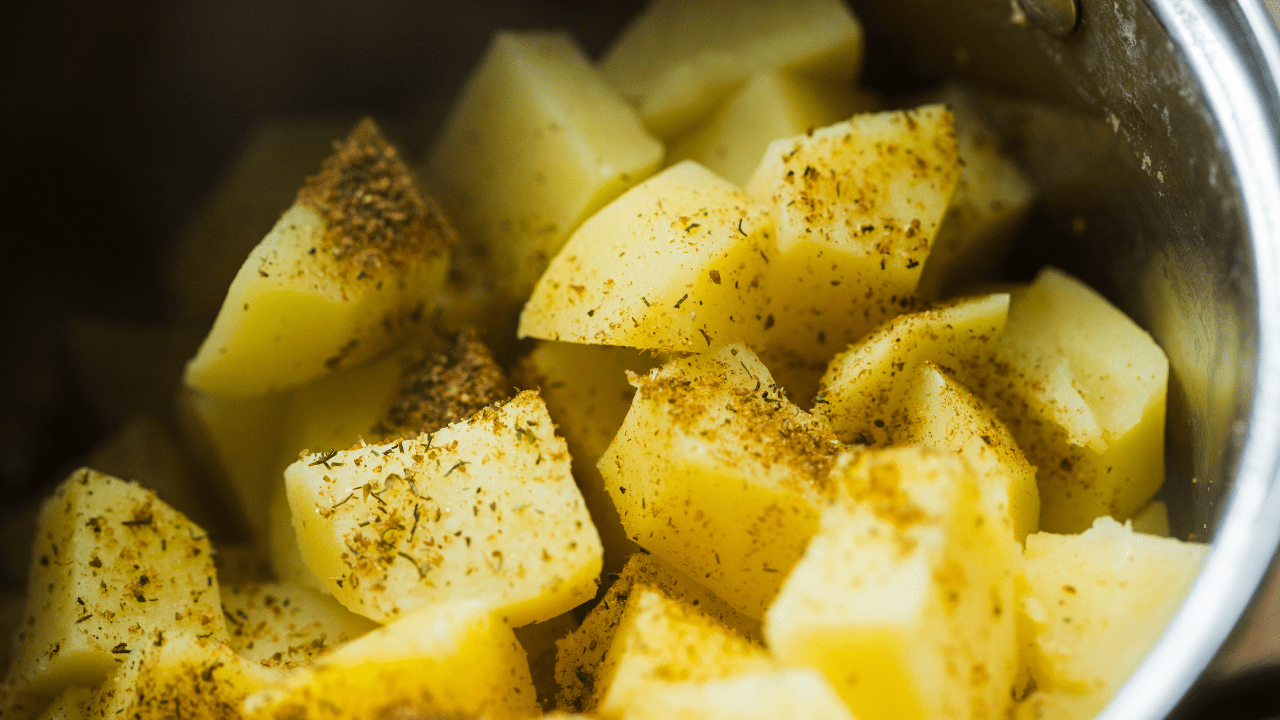
Step 1: Prep and Dry Preheat oven to 200°C (180°C fan / 400°F / Gas Mark 6). Peel and cube your potatoes as before. Here’s the key: rinse them in cold water to remove excess starch, then dry them REALLY well with a clean tea towel. The drier they are, the crispier they’ll get.
Step 2: Oil and Season In a large bowl, toss your dried potato cubes with the oil and a good seasoning of salt and pepper.
Step 3: Roast Spread them out on a large baking tray (or two—don’t crowd them!) and roast for 40-50 minutes, turning them every 15 minutes or so, until they’re golden and crispy all over.
Step 4: Add Flavour About 10 minutes before they’re done, add your garlic and herbs, give them a toss, and finish roasting.
Step 5: Devour Again, season well and try to resist eating them all before dinner.
My Top Tips for The Crispiest Parmentier Potatoes Ever
After making these approximately 5,000 times (okay, maybe 50, but it feels like more), I’ve learned a few tricks that guarantee crispy perfection every time.
1. Don’t Crowd the Pan
This is THE most important tip. If your potatoes are piled on top of each other, they’ll steam rather than roast, and you’ll end up with sad, soft potatoes. Use two or even three baking trays if you need to. Give them space to breathe!
2. Make Sure Everything is Dry
Water is the enemy of crispiness. After rinsing or parboiling, make sure your potatoes are properly dry before they hit the oil.
3. Use a Shallow Roasting Tin
A shallow tin allows better air circulation than a deep dish. I use a large, flat roasting tray and it makes a massive difference.
4. Add Garlic Later
If you add garlic at the start, it’ll burn and go bitter. Trust me, I learned this the hard way. Adding it for the last 15 minutes gives you that gorgeous roasted garlic flavour without the bitterness.
5. Get the Oil Hot First
Hot oil = instant sizzle = crispy exterior. Don’t skip the step of heating the oil in the oven first (for the traditional method).
6. Cut Consistent Sizes
I know I said not to stress about this, but roughly similar sizes really do help with even cooking. Aim for about 1.5cm (½-¾ inch) cubes.
7. Don’t Be Shy With Seasoning
Potatoes need salt. Lots of it. Season before roasting and again at the end for maximum flavour.
Brilliant Variations to Try
Once you’ve mastered the basic recipe, the world is your potato-filled oyster! Here are some of my favourite variations:
Mediterranean Style
Add dried oregano, a squeeze of lemon juice, and some crumbled feta cheese in the last 5 minutes of cooking. Absolutely gorgeous with lamb or chicken.
Spicy Parmentier
Toss with smoked paprika, a pinch of cayenne pepper, and some ground cumin. Serve with a dollop of sour cream or garlic mayo.
Cheesy Garlic Parmentier
Grate over loads of Parmesan in the last 10 minutes of cooking. This is basically like the poshest cheesy chips ever, and my kids go absolutely mad for them.
Indian-Spiced
Use curry powder, turmeric, and cumin seeds instead of the herbs. Gorgeous served with raita or yoghurt.
Truffle Parmentier
If you’re feeling really fancy, drizzle with truffle oil in the last few minutes. Perfect for a special dinner party.
Christmas Parmentier
Add some chopped bacon, sage instead of rosemary, and a tiny drizzle of maple syrup. These are incredible with your Christmas dinner!
What to Serve With Parmentier Potatoes
The honest answer? Literally everything. But here are some of my favourite pairings:
Perfect for Sunday Roast
These are absolutely brilliant alongside:
- Roast chicken with all the trimmings
- Slow-cooked lamb shoulder
- Roast beef with Yorkshire puddings
- Pork loin with crackling
The beauty is they cook faster than traditional roasties, so you can get them started later and everything finishes at the same time.
Midweek Dinner Ideas
- Grilled steak or lamb chops
- Pan-fried salmon or sea bass
- Chicken Kiev or chicken breast in creamy sauce
- Sausages and gravy
- Veggie burgers or halloumi burgers
Casual Meals
- Fish and chips (swap the chips!)
- Full English breakfast (honestly, try it)
- Alongside a big salad for a lighter meal
- With dips as a posh sharing starter
Make It a Full Meal
Add some roasted veg on the same tray (peppers, courgettes, red onions work brilliantly), and you’ve got a complete one-tray dinner. Chuck in some sausages or chicken thighs too if you fancy.
Meal Prep and Storage Tips (A Busy Mom’s Best Friend)
One of the reasons I love this recipe so much is how well it works for meal prep. Let me share all my best tips for making life easier:
Make-Ahead Tips
Prep the Night Before Peel and cut your potatoes, then store them in a bowl of cold water in the fridge for up to 24 hours. This actually helps remove excess starch, which can make them even crispier! Just make sure to drain and dry them really well before roasting.
Par-cook in Advance You can parboil the potatoes up to a day ahead. Once drained and cooled, store them in an airtight container in the fridge. Then just roast them when you’re ready.
Fully Cook and Reheat These reheat brilliantly! Make a full batch, let them cool completely, then store in the fridge for up to 3 days. When you’re ready to eat them, spread them on a baking tray and reheat at 200°C (180°C fan / 400°F) for 10-15 minutes until crispy again. Much better than microwaving, which makes them soggy.
Freezing Instructions
Before Cooking Parboiled potatoes freeze brilliantly. Spread them on a baking tray, freeze until solid (about 2 hours), then transfer to freezer bags. They’ll keep for up to 3 months. Cook from frozen, adding an extra 10 minutes to the cooking time.
After Cooking You can also freeze fully cooked Parmentier potatoes. Again, freeze on a tray first, then bag them up. Reheat from frozen at 200°C (180°C fan / 400°F) for 15-20 minutes.
Mom Tip: I often make a double batch on Sunday, freeze half, and then have them ready for a quick midweek dinner. Total game-changer when you’re knackered after school pickup!
Troubleshooting: Common Problems Solved
Even the simplest recipes can go a bit wonky sometimes. Here are solutions to the most common Parmentier potato problems:
Problem: Potatoes Aren’t Crispy
Solution: This usually means they’re too wet or too crowded. Make sure you dry them thoroughly after rinsing/parboiling, and spread them out properly on the tray. Also check your oven temperature—if it’s running cool, they’ll steam rather than roast.
Problem: Potatoes Are Burnt on the Outside but Raw Inside
Solution: Your cubes are probably too big, or your oven’s running hot. Cut them slightly smaller (around 1.5cm), and try reducing the temperature by 10-20 degrees and cooking for longer.
Problem: Garlic Tastes Bitter
Solution: You’ve added it too early and it’s burned. Always add garlic in the last 15 minutes of cooking.
Problem: Potatoes Are Falling Apart
Solution: You’ve over-parboiled them. Remember, just 5 minutes from when they start boiling! And don’t shake the colander.
Problem: They’re Bland
Solution: Season more! And add salt at multiple stages—in the boiling water, before roasting, and again at the end. Don’t be shy!
Problem: Some Bits Are Crispy, Some Are Soggy
Solution: Inconsistent cube sizes. Try to cut them more uniformly, and give them a shuffle halfway through cooking so they all get equal oven time.
Kid-Friendly Tips (Because We’re All in This Together)
As a Mom of four, I’m always looking for ways to make cooking more fun and get the kids involved. Here’s how I make Parmentier potatoes work for the whole family:
Getting Kids Involved
Younger Kids (3-6 years):
- Let them wash the potatoes
- Have them pick the herbs from your garden or separate leaves from stems
- Let them mix the potatoes with oil in a bowl (once they’re cut)
- Have them help count how many potatoes you’re using
Older Kids (7+ years):
- Teach them to peel potatoes (with supervision)
- Show them how to cut the potatoes into cubes (with a child-safe knife and lots of supervision)
- Let them crush the garlic with a garlic press
- Get them to set a timer and remind you when to stir the potatoes
Making Them More Kid-Friendly
If your little ones are fussy:
- Start with less garlic and herbs
- Add a sprinkle of grated cheddar on top
- Serve them with ketchup for dipping (no judgment here!)
- Cut them slightly bigger so they’re easier to spear with a fork
- Let kids choose which herb to use
Sneaky Tip: I call these “magic potato cubes” or “crispy potato bites” with my younger two, and they think they’re having a special treat rather than eating vegetables!
FAQs About Parmentier Potatoes
Do I have to parboil Parmentier potatoes?
Nope! While parboiling is the traditional method and does give you an extra fluffy interior, you can absolutely skip this step. I often make them without parboiling on busy weeknights—just make sure you dry the raw potato cubes really well, and they’ll still get lovely and crispy. You’ll need to roast them for about 40-50 minutes instead of 30.
Can I use dried herbs instead of fresh?
You can, but fresh really is best for this recipe. If you must use dried, remember they’re more concentrated—use about 1 teaspoon of dried herbs instead of 1 tablespoon of fresh. Add them right at the start though, as dried herbs need more time to release their flavour.
What’s the best way to reheat leftover Parmentier potatoes?
Pop them on a baking tray and reheat in a hot oven (200°C / 180°C fan / 400°F) for 10-15 minutes. This gets them crispy again. Avoid the microwave if you can—it makes them soggy. You can also reheat them in an air fryer at 180°C for about 5-7 minutes, which works brilliantly.
Can I make these in an air fryer?
Absolutely! Preheat your air fryer to 200°C (400°F). Toss the potato cubes in oil, then cook for 20-25 minutes, shaking the basket every 5-7 minutes. Add the garlic and herbs for the last 5 minutes. You might need to cook them in batches to avoid overcrowding.
Why are my Parmentier potatoes going soggy?
This usually comes down to moisture or overcrowding. Make sure your potatoes are completely dry before roasting, use enough oil to coat them properly, and give them plenty of space on the baking tray. Also check your oven temperature—if it’s too low, they’ll steam rather than roast.
What potatoes should I avoid for this recipe?
Skip waxy potatoes like Charlotte, Jersey Royals, or new potatoes. They don’t have enough starch to get properly fluffy inside. Stick with floury varieties like Maris Piper, King Edward, or Russet potatoes.
Can I prep these in advance for a dinner party?
Yes! You can parboil them up to a day ahead and store them in the fridge, then just roast them when your guests arrive. Or cook them fully ahead of time and reheat them—they’re honestly still delicious. I do this all the time when we have people over.
External Resources and Further Reading
Want to dive deeper into the world of potatoes and French cooking? Here are some brilliant resources:
- Love Potatoes UK – Comprehensive guide to British potato varieties and how to use them
- BBC Good Food’s Guide to Potatoes – Excellent overview of different potato types and their best uses
- Historic UK: The History of Potatoes in Britain – Fascinating article about how potatoes became a staple in British cuisine
Why Parmentier Potatoes Deserve a Place in Your Recipe Rotation
Look, I know I’ve waxed lyrical about these potatoes for about 2,500 words now, but honestly, they really are that good. Since I discovered them about six months ago, they’ve become one of our family’s most-requested side dishes. Even my pickiest eater (who once declared that potatoes were “too potato-y”- don’t ask) happily hoovers these up.
What I love most is how they manage to feel special without requiring any special effort. They’re fancy enough for a dinner party but easy enough for a random Tuesday. They’re crispy and indulgent-tasting but use less oil than chips. They’re versatile enough to work with pretty much any main dish you throw at them.
And knowing the history behind them? That just makes them even better. Every time I make them, I think about old Parmentier in his 18th-century kitchen, desperately trying to convince the French that potatoes wouldn’t kill them. I reckon he’d be pretty chuffed to know that centuries later, a Mom in the UK is serving his namesake potatoes to her four kids on a regular basis.
So go on, give them a try. Your family will thank you. And if you make them, I’d absolutely love to know how you got on! Leave me a comment below, give this recipe a star rating, or tag me on social media with your creations. Nothing makes me happier than seeing your versions of recipes I’ve shared.
Now if you’ll excuse me, I’ve got a sudden craving for crispy, garlicky potatoes…
Happy cooking!
Great Side Dishes You Might Love!
Creamed Peas
Enoki Mushroom Recipe Guide
Delia Smith Red cabbage
Air Fryer Roast Potatoes
20 Greek Side Dishes
Side Dishes for Ham

Becky is the voice behind Life in Velvet, an organised, intentional living blog focused on practical food, calm homes, thoughtful projects, and everyday systems that make real life feel easier. A mum of 3 living in the UK, Becky writes from lived experience, sharing what works, what doesn’t, and the decisions that make family life run more smoothly.
With a background in marketing and content writing, and over a decade of blogging experience, she brings a thoughtful, structured approach to everything from baking and home projects to routines and decision-making. Life in Velvet is where planning meets creativity, with ideas designed for real homes and real life.