
The chain store birthday cake. You walk through the bakery section of the grocery store and it seems like a convenient option. The price is decent, the designs look good enough from the photos, and it’s all right in front of you while you pick up your groceries anyway. This is not to say that there isn’t a difference between industrial cake produced and made from frozen and shipped ingredients versus a real bakery baking everything from scratch – but there is a different universe that exists between the two.
It’s not just about airbrushed decoration and trendy flavors. It’s about the ingredients, the processes, and the simple fact that it’s not someone doing a job to meet production needs, but instead, something created out of love with all the right elements in place.
What is Inside a Chain Store Cake
Here’s a little inside information: those cakes that come out of the supermarket aren’t made in the supermarket. In fact, they come frozen or in premade states shipped from some chain headquarters and the ‘bakery’ section is just a place where they thaw components and decorate.
The base cakes, for example, are more than likely baked thousands at a time in a warehouse somewhere and since these cakes need to be transported and held at room temperature, cut weeks down the line for consumption, they have extra preservatives, extra stabilizers, even shelf-stable ingredients. The frostings are also vegetable shortening instead of butter because butter needs to be refrigerated whereas products with shortening can remain under fluorescent lights without melting all day.
Even those ‘custom’ designed decorations are somewhat limited; most chain bakeries have approved images or approved techniques and the person writing Happy Birthday with icing has had a few week’s training on the basics of piping and utilizing edible image printers. They’re not utilizing decades worth of experience; they’re fulfilling quota needs.
And ultimately, that’s what it comes down to: economics. An industrial bakery creates thousands of cakes a week at a low price point and that means no customizations for premium or artisan projects.
How Local Bakeries Differ for Birthday Cakes
A local bakery operates as an artisan trade. An actual chef operates behind the scenes with decades of experience and an intended cake for a birthday genuinely starts from scratch.
That means mixing flour, eggs, butter and milk. That means understanding the proper ratios. That means knowing how to make a buttercream frosting or ganache or fondant on their own instead of buying premade products ahead of time.
And that means superior quality. Real butter instead of shortening. Real eggs instead of egg in a carton or powdered egg. Real vanilla bean versus vanillin. These minute differences may seem like they don’t matter – but try eating the two side by side and you’ll understand why one sticks to your mouth while the other melts as it should. Butter based frosting tastes like frosting; shortening tastes like wax with sugar. Butter melts on your tongue; shortening sticks.
But flavor options are also limited; local shops pride themselves on having seasonal offerings, uncommon couples, even the ability to truly create what someone wants based on an idea instead of what’s approved. If someone wants a chocolate cake with raspberry filling and cream cheese frosting – someone from a local bakery can fulfill that request.
When it comes to decorating, this also allows for more freedom; instead of working off a printed level of images, the baker can hand pipe elements, create sugar flowers, sculpt fondant people, paint onto the cake; when birthdays call for distinction – a custom bakery like Sweet E’s Bake Shop is better than other channel options which merely use process-created guidelines.
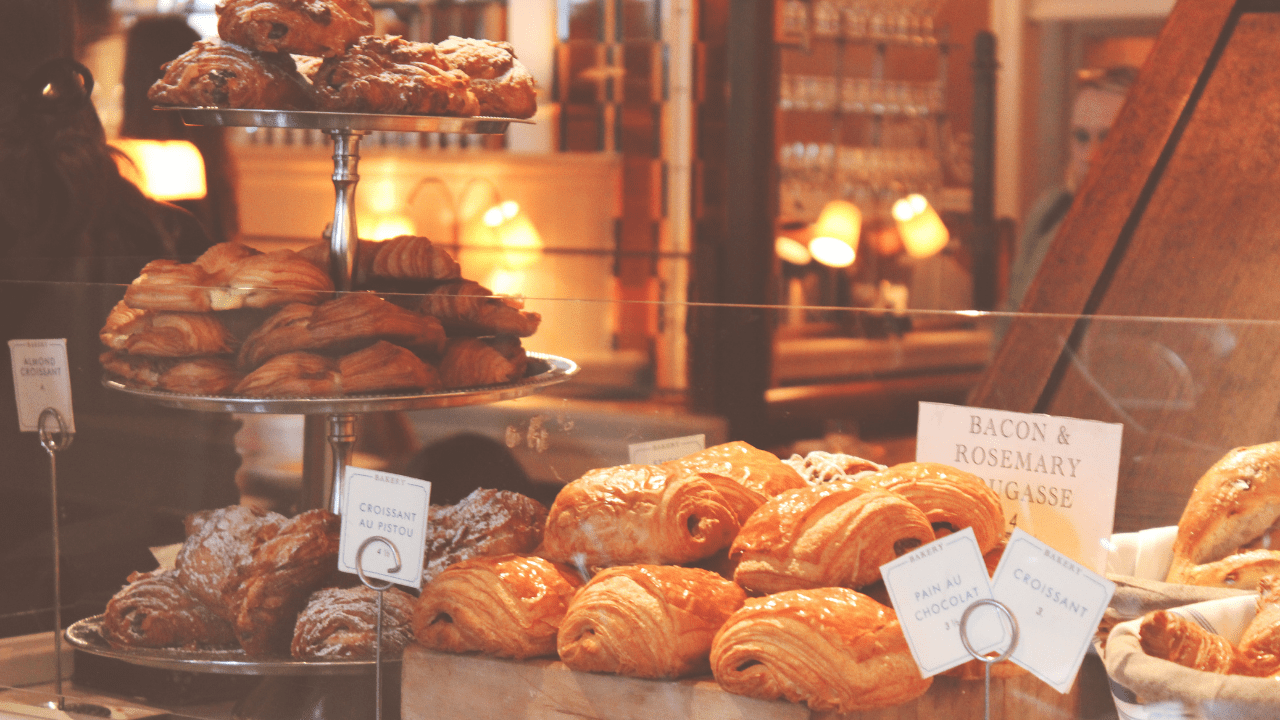
The Freshness Quality no One Talks About
Perhaps this is the biggest difference that no one considers when taking photos or pricing options. Local chain cakes are baked closer to when they’re actually picked up; most bakeries bake their cake layers one or two days prior to pickup and then the final details are attended to day-of or day-before.
Those cakes that have been made within chain stores over time might have components made weeks prior – and while they may still not be expired after all that time, the flavor compounds disintegrate over time as fats oxidize, moisture redistributes. The cake might be okay – but it’s not at its best.
A fresh cake has a delicate crumb that melts away instantly. The flavors pop rather than fade. Even frosting has more personality when it hasn’t been sitting around waiting for mediocre action. This is where the homemade taste comes from – not having to trudge through a supply chain.
Price Differences and Why They Make Sense
It’s no surprise that local bakery cakes are more expensive. There’s not much recourse for avoiding this reality; customizing a cake that serves 20 people might go for $75-$150 in an artisan setting versus $30-$50 in an industrial one. But people balk at the pricing structure.
But when one considers what factors go into these costs – ingredients are exponentially more expensive – real vanilla costs more than vanillin as does European butter as does fresh fruit unless buying on season. The labor is significantly different if someone’s piping by hand versus automated machines.
More importantly, local bakeries aren’t subsidizing their cake-making efforts with hundreds of other types of products throughout the store; they need this cake to pay for itself and keep the business afloat. Chain stores undercut because they’re profiting from various grocery items throughout the rest of the establishment.
Thus it becomes an ethical question for birthdays – is saving $50 worth having a cake that makes an impressive showing to be eaten with memorable flavor or is it better to skate by on a mediocre effort if it’s only going to be eaten in ten minutes at a kids party? For milestone birthdays with adults who appreciate artisanal food, it’s worth it.
The Consultation Process Matters
When one frequents local bakeries, there’s an actual conversation with someone who knows what they’re talking about – not just filling out an order form with price quotes and that’s it. There are inquiries into flavors, dietary restrictions, themes ideas, headcounts – all help formulate something suitable instead of just picking something off a list once someone goes into the bakery themselves.
Tastings will happen if someone wants – someone doesn’t have to just guess how lemon buttercream goes together; they can try it first before committing to a huge purchase.
Chain stores don’t always provide this level (or any) of service – if the company doesn’t do it right – give them a refund maybe – but now there’s an ugly cake for someone’s birthday.
The Bottom Line on Birthday Cakes
Chain store bakeries serve a purpose when time efficiency and budget matter first – but when birthday cakes matter – and they matter when they become the centerpiece – better quality exists through local bakeries for fresher products, more precise decorating opportunities, custom options, baking professionals who know how to do things from scratch.
It’s more expensive – and requires careful planning ahead – but it’s worth it – for those memories associated with eating birthday cake should be remembered – not fought through convenience at one grocery shopping effort at the expense of even picking at flavors that later turn into weird toppings. For birthdays meant to be celebrated – they’re worth it more than having them merely foisted around as an afterthought with no effort to make them special in any way.
See more baking posts here

Becky is the voice behind Life in Velvet, an organised, intentional living blog focused on practical food, calm homes, thoughtful projects, and everyday systems that make real life feel easier. A mum of 3 living in the UK, Becky writes from lived experience, sharing what works, what doesn’t, and the decisions that make family life run more smoothly.
With a background in marketing and content writing, and over a decade of blogging experience, she brings a thoughtful, structured approach to everything from baking and home projects to routines and decision-making. Life in Velvet is where planning meets creativity, with ideas designed for real homes and real life.