
You’d be forgiven for thinking that in the age of double glazing, draught-proofing, and all things energy efficient, we’d have left condensation issues back in the 70s, along with avocado bathroom suites and net curtains. But moisture on the inside of windows remains one of the most common issues faced by us here in the UK – especially in the colder months – and is something that we have in our current home, despite double glazing and seemingly good ventilation.
And while condensation inside windows might seem like just an annoyance (wiping it down every morning like you’re doing the windows on the number 38 to Hackney!), if left unchecked, that harmless-looking mist can turn into mould, damp patches, plus damage to paintwork, wallpaper, or even the window frames themselves.
So, whether you’re living in a Victorian terrace in need of a bit of TLC or a brand new build in a windswept corner of Yorkshire, keeping on top of condensation inside windows is just one of those essential little jobs – like bleeding the radiators or remembering when bin day’s changed after a bank holiday. We make our older kids take care and wipe their’s down, so if they can do it, so can you, haha!
Let’s get into why it happens, how to prevent it, and what you can do if you’ve already spotted the dreaded droplets…
What Causes Moisture on the Inside of Windows?
The science is simple. Condensation inside windows happens when warm, moist air hits a cold surface – like your windowpane on a chilly morning. The water vapour in the air cools down, turns back into liquid, and collects on the surface. Voilà – misty windows.
Common sources of excess moisture indoors include:
-
Cooking (yes, your spag bol is to blame)
-
Showering
-
Drying clothes indoors (especially radiators – guilty!)
-
Breathing (we exhale moisture – it’s unavoidable!)
-
Poor ventilation or lack of airflow
In the UK, with our ever-changing weather and the tendency to keep homes sealed up to conserve heat, it’s easy for humidity levels to rise indoors without anywhere for the moisture to escape, therefore causing condensation inside windows.

Why Moisture Inside Your Windows Is a Problem
A bit of mist on a cold morning might not seem like the end of the world – and sometimes, it isn’t. But consistent condensation on the inside of double glazed windows can cause a whole host of issues:
-
Mould and mildew growth – especially on sills, frames, and nearby walls
-
Damage to timber frames or paint – particularly in older properties
-
Aggravated allergies or asthma – mould spores can be a real health hazard
-
Peeling wallpaper or bubbling paint
-
Foggy views and general annoyance – it’s no one’s idea of hygge
If you’re wiping down your windows every day with a tea towel and lighting scented candles to cover the musty smell, it’s time to tackle the root cause.
How to Prevent Moisture on the Inside of Windows
Prevention is far easier than cure when it comes to condensation on the inside of double glazed windows – and it doesn’t have to cost the earth (or make your home feel like a wind tunnel). Here are some top tips:
1. Improve Ventilation
Good airflow is key. Open windows for a few minutes every day – yes, even in winter – to let moist air escape and fresh air in. Trickle vents (those small openings in modern windows) should also be left open.
If your bathroom mirror is fogging up like it’s in a steamy EastEnders scene, your extractor fan might not be doing its job. Upgrade or clean existing fans, and always use them when cooking or showering.
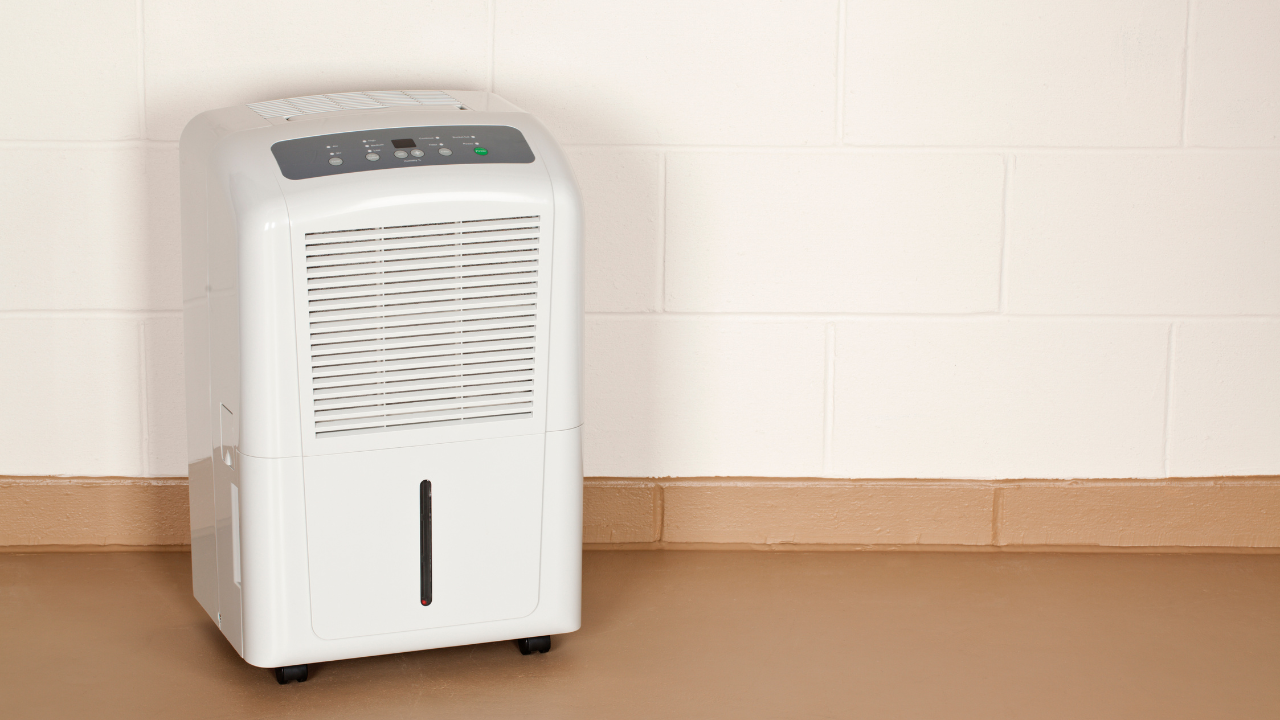
2. Use a Dehumidifier
These handy gadgets can work wonders – particularly in bedrooms, bathrooms, and kitchens. You don’t have to go full industrial; even a compact model can make a noticeable difference. Look for one with a hygrometer to keep humidity levels in check.
3. Avoid Drying Clothes Indoors
We know, we know – not everyone has a tumble dryer or room for a rotary line outside (especially in a London flat). But drying clothes on radiators can add litres of water to your home’s air. If you must dry indoors, open a window nearby and shut the door to contain the moisture.
4. Keep Heating Consistent
Sudden temperature drops make condensation on the inside of double glazed windows worse. Try to keep your home at a steady temperature – even if it’s just low-level heating during the day. It’s often more efficient than blasting it for an hour then letting it freeze again.
5. Invest in Thermal Curtains or Blinds
They help keep the window surface warmer, reducing the contrast between indoor air and the glass. Plus, who doesn’t love a stylish pair of heavy curtains that make your living room feel like a cosy country pub?

How to Manage Moisture If You’ve Already Got It
Okay, so the windows are misted up every morning and your bedroom smells vaguely like a swimming pool changing room. Here’s what to do.
1. Wipe It Down – Every Time
Grab a microfibre cloth or squeegee and get into the habit of wiping down affected windows daily. It might feel like a chore, but it prevents moisture soaking into frames or pooling on sills.
2. Treat Mould Immediately
Use a dedicated mould remover spray (plenty available in UK supermarkets and DIY stores). Wear gloves, ventilate the room, and scrub gently but thoroughly. Keep an eye out for recurrence.
3. Check for Hidden Moisture Traps
Behind curtains, blinds, and furniture can be secret condensation hotspots. Pull things away from the walls to let air circulate, and clean windows regularly. Condensation on exterior windows can be helped by allow circulation.
4. Monitor Humidity
A cheap digital hygrometer can be a game changer. Aim for 40–60% indoor humidity. If it regularly goes above that, it’s time to take further action – see prevention tips above.
Is It Condensation or Something Else?
It’s important to know what you’re dealing with when it comes to condensation on exterior windows. Here’s a quick guide:
-
Condensation between the panes of double glazing? That’s a failed seal – and likely means your window unit needs replacing.
-
Condensation on the outside of the window? That’s actually a sign your double glazing is working – the outer pane is cold while the inner pane stays warm.
-
Damp patches on walls or ceilings? Might indicate a leak or structural damp – worth investigating separately.
UK References Worth a Mention
If you’ve ever noticed that your windows are mistier after cooking a full English or after the whole family’s taken turns in the shower on a Sunday, you’re not alone. Even good old British weather – damp, drizzly and unpredictable – plays its part.
In fact, many new builds in the UK are so well insulated that moisture has nowhere to go, unlike older homes that ‘breathe’ more. This can be a shock to the system if you’ve moved from a draughty Victorian semi to a modern, airtight new build.
And let’s not forget how much more we use our homes these days. With many people still working from home, and the classic British cuppa being brewed more frequently than ever (seriously, how many kettles boiled per day now?), it’s no wonder indoor moisture levels are up and there’s increasing condensation on exterior windows.
FAQs: Moisture on the Inside of Windows
Q: Is condensation on windows dangerous?
A: While condensation itself isn’t dangerous, if it leads to mould growth, it can cause health issues – especially for those with asthma, allergies, or respiratory conditions.
Q: Will getting new windows stop condensation?
A: Not necessarily. If condensation is on the inside (room side), it’s an issue with indoor humidity – not the window itself. However, poorly insulated or single-glazed windows can make the problem worse.
Q: Should I leave my windows open in winter?
A: Yes – even just for 5–10 minutes a day. Quick bursts of ventilation help get rid of moist air without cooling down the whole house too much.
Q: Can plants cause condensation?
A: Yes, indoor plants release moisture. If you’ve created your own Chelsea Flower Show in the living room, try spreading them out and making sure the room is ventilated.
Q: Does putting cling film on windows help?
A: Surprisingly, yes – using insulation film kits on single glazing can reduce heat loss and minimise condensation. It’s a budget-friendly fix until you can upgrade windows.
Q: What’s the best room for a dehumidifier?
A: Anywhere you notice high humidity – often bedrooms, kitchens, or bathrooms. Some people rotate theirs between rooms depending on where the problem is worst.
Moisture on the inside of your windows might seem like a small problem, but left untreated, it can lead to bigger headaches – from mould and mildew to damage and poor indoor air quality. The good news? It’s totally manageable with some easy changes and daily habits.
Whether it’s cracking a window during your tea break, investing in a dehumidifier, or just getting in the routine of wiping down panes each morning, a little effort goes a long way.
So next time you spot those misty windows, don’t ignore them. Pop the kettle on, give them a wipe, and give your home the fresh, healthy environment it deserves.
See more of my home and interiors posts here

Becky is the voice behind Life in Velvet, an organised, intentional living blog focused on practical food, calm homes, thoughtful projects, and everyday systems that make real life feel easier. A mum of 3 living in the UK, Becky writes from lived experience, sharing what works, what doesn’t, and the decisions that make family life run more smoothly.
With a background in marketing and content writing, and over a decade of blogging experience, she brings a thoughtful, structured approach to everything from baking and home projects to routines and decision-making. Life in Velvet is where planning meets creativity, with ideas designed for real homes and real life.