Life has a way of throwing curveballs when you least expect them. One day your grandmother is cooking Sunday dinner for the whole family, and the next she’s struggling to remember where she put her keys. Maybe your dad comes home from the hospital after surgery and can’t manage the stairs. Or your mom starts having trouble with basic tasks that used to be second nature. These moments catch families off guard, and suddenly everyone starts asking the same question: what now?
When families find themselves in these situations, they quickly discover there are more options available than they initially thought. The support network extends far beyond what relatives and friends can provide, opening up possibilities that many people never knew existed.
The Reality Check Most Families Face
Most people assume they’ll just figure things out when the time comes. The truth is, caring for someone who needs help is much more demanding than anyone expects. It’s not just about making sure they take their medicine or helping them get dressed. There’s meal preparation, transportation to doctor appointments, managing medications, and providing companionship. The list goes on and on.
Families often start by dividing responsibilities among relatives. One sibling handles medical appointments, another takes care of grocery shopping, and a third checks in daily. This works for a while, but it usually becomes overwhelming pretty quickly. People have their own jobs, kids, and responsibilities. The stress starts building, and everyone begins to feel stretched thin.
That’s when families start looking at other options. Professional home care services become a real consideration, and many people discover that becoming a home care professional in Pennsylvania (or indeed elsewhere) offers meaningful career opportunities for those who want to help others while building their own future.
What Professional Support Actually Looks Like
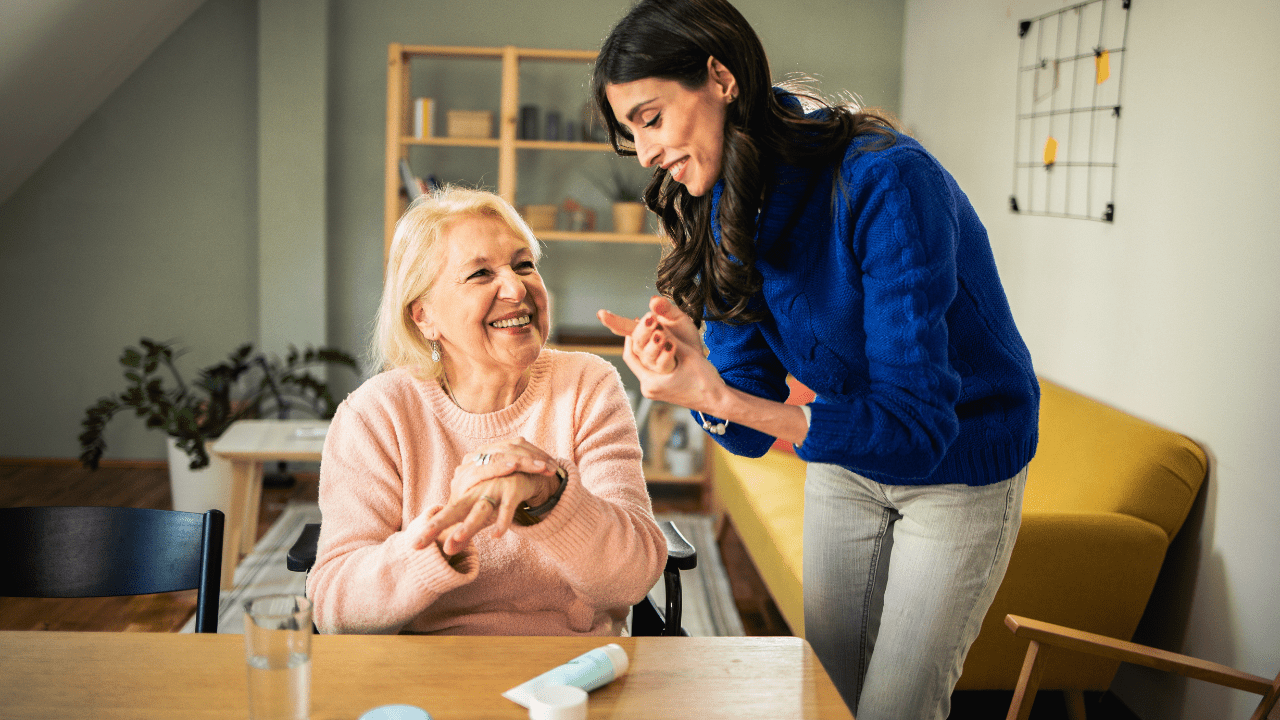
Professional caregivers aren’t just people who show up and sit around. They’re trained to handle specific situations that family members might not feel comfortable with or know how to manage. They understand how to safely help someone move from a bed to a wheelchair, how to spot warning signs of health problems, and how to handle emergencies calmly.
These professionals can provide everything from basic companionship to more intensive medical support. Some families need someone to come in just a few hours a week to help with errands and light housekeeping. Others need round-the-clock assistance for someone recovering from surgery or managing a chronic condition.
The flexibility is what makes professional home care so valuable. Families can customize the support based on what they actually need rather than trying to fit into a one-size-fits-all solution. This means the person receiving care gets exactly the right level of help while staying in their own home, which is usually what everyone prefers anyway.

The People Who Choose This Work
Professional caregivers come from all walks of life, but they share some common traits. They genuinely care about helping others and find satisfaction in making someone’s day a little easier or brighter. Many of them started out helping their own family members and realized they wanted to expand that caring to help other people too.
Some caregivers are looking for their first career, while others are making a change from something completely different. Teachers, retail workers, office employees, and even people who worked in factories have all found their way into caregiving roles.The most important qualities are being patient and willing to learn on the job, as every person requiring care operates in a different way.
Finding meaningful employment is something that all people aspire to have, but this is one line of work where it’s a real possibility. Instead of just collecting a paycheck, caregivers see the direct impact of their work every single day. They help someone maintain their independence, provide comfort during difficult times, and often become trusted friends to the families they serve.
How Families Make the Transition
Deciding to bring in professional help is rarely easy. Many families feel guilty about not being able to handle everything themselves, or they worry about letting a stranger into their loved one’s life. These concerns are completely normal, and good home care agencies understand this.
The best approach usually involves starting small. Maybe a professional caregiver comes in just twice a week to help with bathing and medication management. This gives everyone time to adjust and build trust. Family members can see how their loved one responds to having extra support, and they can gradually increase the hours if needed.
Communication becomes crucial during this transition. Families need to stay involved and maintain open dialogue with both their loved one and the caregiver. This isn’t about replacing family relationships; it’s about strengthening them by removing some of the stress and burden that can strain those relationships.
Building a Support Network That Actually Works
The most successful situations happen when professional care becomes part of a larger support network rather than replacing everything else. Family members still play important roles, but they’re not trying to do everything themselves anymore. Friends and neighbors can continue their visits and check-ins without feeling pressured to provide hands-on care.
This approach benefits everyone involved. The person receiving care gets consistent, professional support while maintaining their family relationships. Family members can focus on being relatives instead of full-time caregivers, which often makes their time together more enjoyable and less stressful. Professional caregivers get to do work they find fulfilling while families get peace of mind knowing their loved one is in good hands.
The key is finding the right balance and being willing to adjust as needs change. What works today might need to be modified in six months, and that’s perfectly normal. The goal is creating a sustainable situation that keeps everyone healthy and happy for the long term.
Making It Work for Your Family
Every family’s situation is different, so there’s no single right answer for how to handle these challenges. Some families benefit most from having a professional caregiver come in daily, while others just need someone available for emergencies and occasional help. The important thing is being honest about what you can realistically manage and being open to getting help when you need it.
The process of finding and working with professional caregivers has gotten much easier over the years. Agencies now do thorough background checks, provide training, and match caregivers with families based on personality and specific needs. Many families find that bringing in professional support actually strengthens their relationships and makes it possible to continue caring for their loved one at home for much longer than they could have managed on their own.
See more of my home organisation posts here

Becky is the voice behind Life in Velvet, an organised, intentional living blog focused on practical food, calm homes, thoughtful projects, and everyday systems that make real life feel easier. A mum of 3 living in the UK, Becky writes from lived experience, sharing what works, what doesn’t, and the decisions that make family life run more smoothly.
With a background in marketing and content writing, and over a decade of blogging experience, she brings a thoughtful, structured approach to everything from baking and home projects to routines and decision-making. Life in Velvet is where planning meets creativity, with ideas designed for real homes and real life.