Energy bills increase every year, and many people feel their only option is to lower the thermostat come wintertime or become unbearable during summertime. But there are actual home improvements one can make to reduce energy costs that don’t involve people needing to be too hot or too cold.
Even better, many of these improvements are not the big-ticket items one assumes they would need to spend. Yes, some initial investment is required, which over time makes up for itself, but some of these options are items people wouldn’t even consider to save thousands over time.
Air Leaks Are More Expensive Than You Think
On a windy day, go stand in your house and see how much air escapes. There’s no room in the house without windows, doors or gaps where air that you pay for to heat or cool is escaping. Windows? Over time, the seals can break. Doors? The more we use them, the looser they get. Electrical outlets? Air can escape through those small openings in the walls and especially if you’re not filling a gap with a cover plate.
Weather stripping costs about $10 per door and takes about 20 minutes to install yourself. A less visible application is rope caulk for windows—that way in springtime you can peel it off—or permanent caulking year-round. People are willing to spend $300 on a new thermostat but not think about how their well-conditioned air is escaping through cracks around their home.
A typical homeowner can save upwards of 20% on heating and cooling when they seal leaks. That’s approximately $200-400 for a typical household. Do it yourself and you’ll be spending maybe $50 on materials for the solutions.
Attic Insulation Pays Off Faster Than You Think
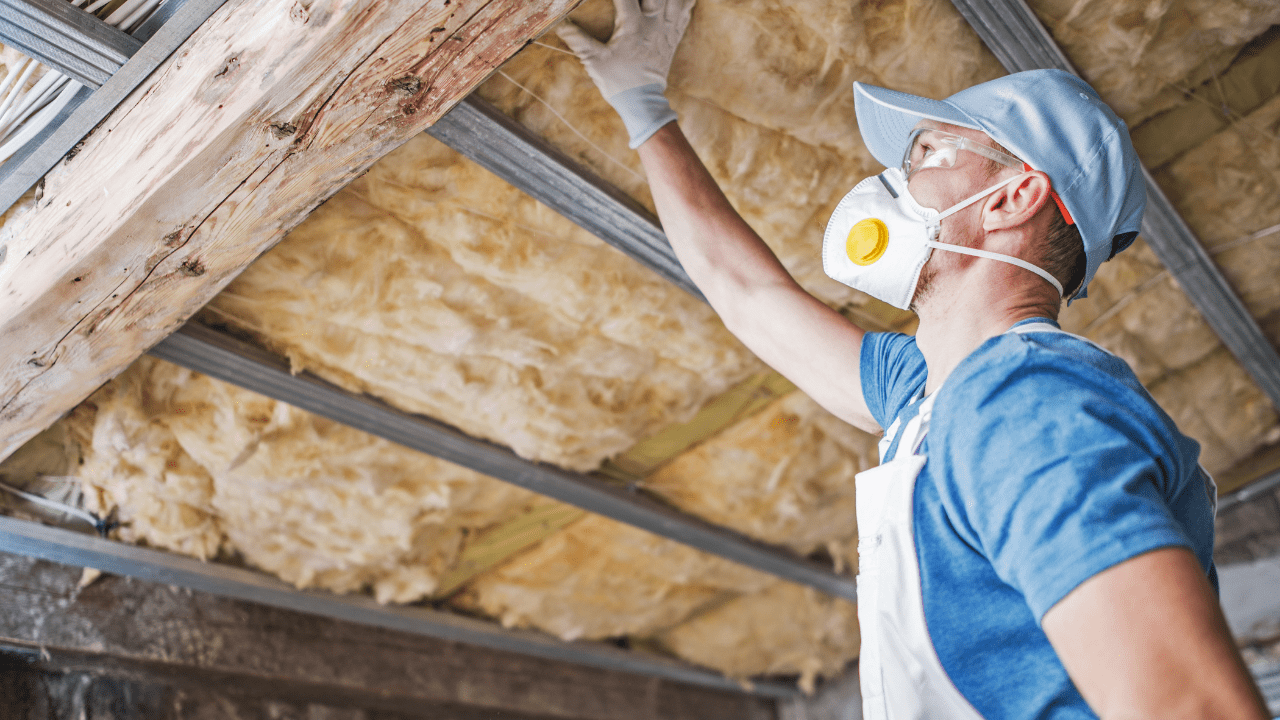
No one ever goes up to their attic. Therefore, most people have no idea how much insulation is needed—if at all. The test is this: if your floor joists are visible, you need more insulation. That heat (or cooling in the summer) will rise (or sink), meaning in winter, all your paid for heating is escaping out the roof.
While attic insulation may not be the most flattering application, it’s financially worth it to do sooner than later. The average cost to insulate an already insulated attic is $1,500-3,000; however, proper attic insulation will accommodate savings between 15-20% on heating and cooling costs per year. That’s an average of $360-480 yearly for someone who pays $200/month in energy bills. That investment pays itself back in five years and then some in the next decades.
In addition, blown-in insulation is typically the best way to insulate an existing attic and a contractor can complete it in one day—no more itchiness from fiberglass batts for you!
Window Treatments That Work
Windows are the most problematic areas for transfer in a house. They allow heat in during warm months and let it escape during cold months (single pane windows are just holes in your walls with frame additions).
For homes with multiple windows, it’s cheaper to replace older ones later than to replace all of them at once (average price $8,000-$20,000 for an average size home). However, window film works wonders for prevention that costs so much less than window replacement and provides better results than blinds or curtains. Cellular shades work through honeycomb design wherein air gets trapped inside the shade’s pieces and creates an insulative barrier; they’re not inexpensive compared to basic blinds but they’re a small fraction of replacing windows entirely.
Likewise, more people should consider window film for their homes. Professional tinting can block up to 80% of solar heat but still allow light into a space. This is important for people whose rooms get direct afternoon sun; if you find that your west-facing family room turns into a sauna because of the setting sun, consider tinting. You can View website options for residential applications that handle both heat rejection and UV protection.
Smart Power Strips Stop The Phantom Power Draw
This seems like it’s not a big deal, but phantom power drain costs families between $100-$200 per year on average; that’s power to devices that are “off” but still draining energy: cable boxes, game consoles on standby, chargers plugged in when not needed.
Smart power strips cut power options when devices aren’t being used; once you turn off your TV, it will automatically cut power to the game system plugged into another outlet. You’re not wasting energy while you’re at work with your Xbox still pulling 15 watts for no reason.
They’re $25-$40 each; you could power your whole house with smart strips for $150 or less and see payback within the first year while saving multiple thousands over time.
LED Bulbs Are Finally Worth It
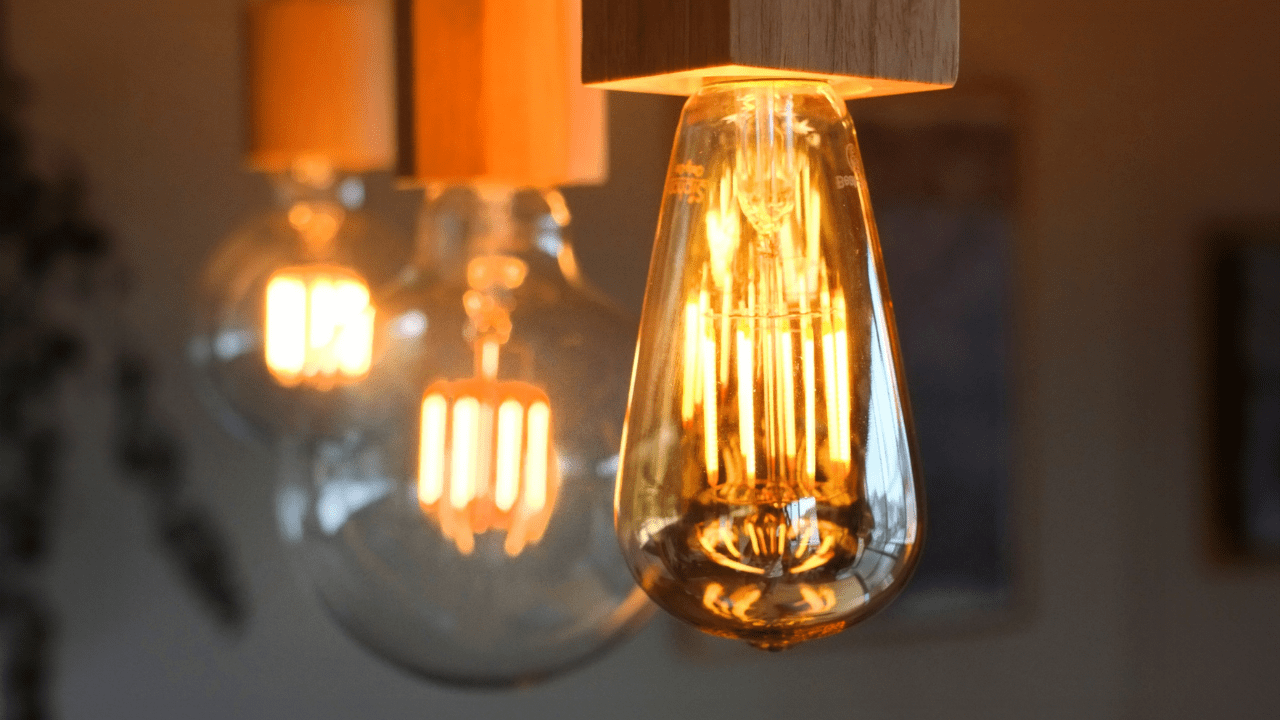
Yes, LED bulbs have been touted for years—but now the technology has gotten good. Initially they were too expensive ($12+), took too long to warm up, and gave off a horrible bluish light making spaces look like cold morgues; now LED bulbs cost $2-$3 per bulb and work instantly while providing warm tones that look similar enough to traditional lighting.
Here’s how the math works out: where incandescent bulbs run 60 watts (around 30 bulbs running 3 hours/day), LED runs about 10 watts (around 30 bulbs running 3 hours/day). That’s about $150 savings per year by switching out the bulbs and since LED bulbs cost maybe $75 for an entire household replacement at once (as they last 15-25 years), it makes sense to do it all at once rather than as each old bulb burns out every other month.
You just have to bite the bullet at first—especially if you have average bulbs throughout—because you’re not going to see savings until most are switched out—but once they are, you won’t be worrying about light bulbs again!
Programmable Thermostats You Will Actually Use
The average household saves 10-15% in heating/cooling with programmable thermostats (smart ones) as they adjust based on learning your schedule and you can control them from your phone.
The average family will save between $130-$150 in energy bills once getting a smart thermostat ($100-$250 hardware cost based on model). This means payback takes 1-2 years and after that it’s free money!
It’s effortless; there’s no reminding yourself to change temperatures, there’s no guilt if you forget it; you can set it up without any concern that will happily run itself once it’s installed.
Making It Stick
Often people feel overwhelmed trying to do all these projects at once only to do none because they can’t handle everything. Pick 2-3 that would make sense based on your situation—drafty windows? Weather stripping first; cooling costs killing you? Look at window film and attic options.
Then track the energy bills over a few months after implementation—see how much they’re actually going down makes this hard work worthwhile and makes it easier to implement the next project.
They’re not sexy upgrades—for no one is posting about their weather stripping on social media—but they’re the ones making real impact come utility bill time.
See more home and interiors posts here

Becky is the voice behind Life in Velvet, an organised, intentional living blog focused on practical food, calm homes, thoughtful projects, and everyday systems that make real life feel easier. A mum of 3 living in the UK, Becky writes from lived experience, sharing what works, what doesn’t, and the decisions that make family life run more smoothly.
With a background in marketing and content writing, and over a decade of blogging experience, she brings a thoughtful, structured approach to everything from baking and home projects to routines and decision-making. Life in Velvet is where planning meets creativity, with ideas designed for real homes and real life.