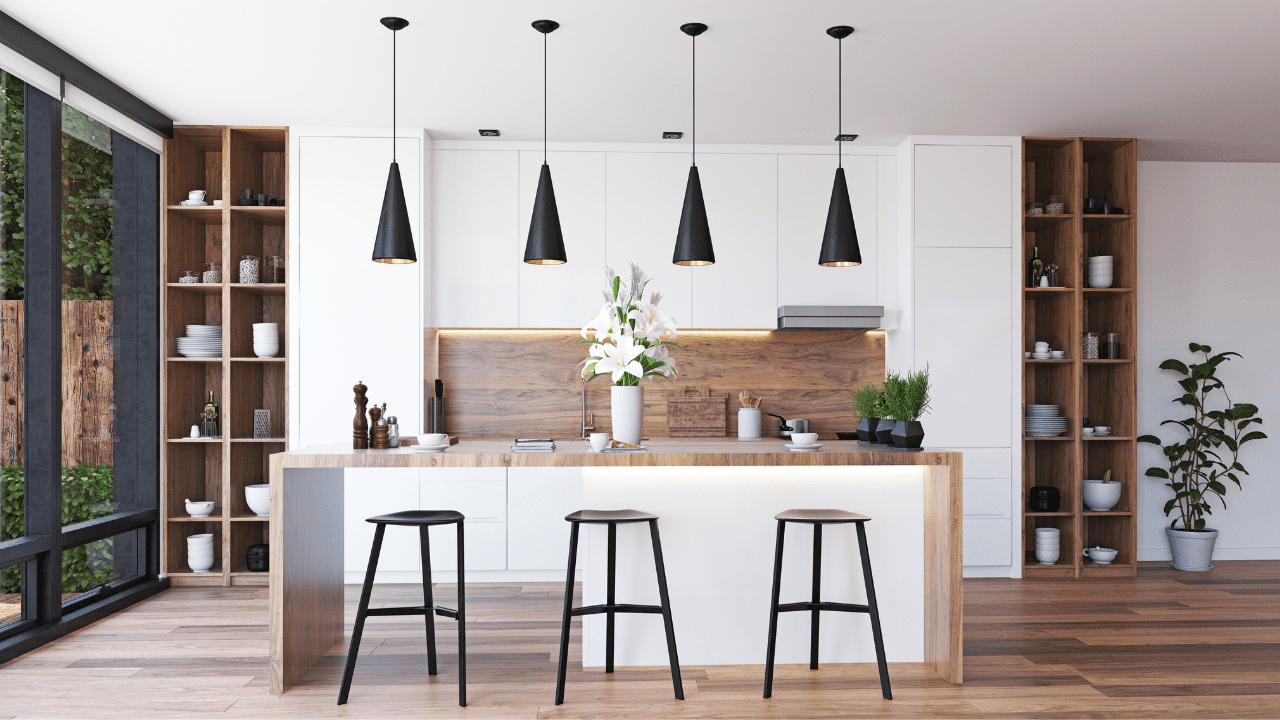
Most kitchens don’t need a complete overhaul to look dramatically different. What they need is strategic attention to the elements that shape how the space feels when you walk in. While a full renovation might be in the cards eventually, there are specific updates that deliver outsized visual results for a fraction of the cost and disruption.
The truth is, our eyes are drawn to certain features more than others. Surfaces, particularly the ones at eye level and underfoot, create the foundation of how a kitchen reads visually. When these elements feel dated or disconnected, the entire space suffers regardless of how new the appliances might be.
The Floor Sets Everything in Motion
Kitchen floors take more abuse than almost any other surface in the home, but they also establish the entire room’s character. A tired, discolored floor drags down even the nicest cabinets and countertops. Replacing or updating flooring creates an instant transformation because it’s literally the foundation everything else sits on.
The material matters less than most people think. What really counts is choosing something that feels intentional and suits the overall style. A crisp, clean floor in a complementary tone makes cabinets look newer, creates better contrast, and gives the whole kitchen a refreshed baseline to build from.
Here’s the thing: floor updates don’t require moving appliances or disrupting plumbing. The installation process has gotten easier over the years with better materials and methods, making it one of the more straightforward changes to tackle during a long weekend or scheduled installation.
Backsplash: The Kitchen’s Jewelry
If floors are the foundation, the backsplash is the statement piece. This relatively small area punches well above its weight in terms of visual impact. The backsplash sits right in your line of sight when you’re standing at the counter, and it’s often the first thing guests notice when they enter the kitchen.
What makes backsplashes so effective as an update is their flexibility. They can introduce texture, pattern, color, or all three without overwhelming the space. A new backsplash can tie together mismatched elements or create a focal point that draws attention away from less-than-perfect features elsewhere.
The installation is contained and doesn’t require touching major systems. For homeowners looking to make a change without committing to months of construction, updating the backsplash delivers immediate gratification. The space feels intentionally designed rather than thrown together, and that cohesiveness changes the entire atmosphere.
Rethinking the Floor-to-Ceiling Story
When it comes to surfaces that shape the kitchen’s appearance, Stylish and affordable kitchen tiles can address both the floor and walls in a coordinated way. Bringing consistency to these high-impact areas creates visual flow that makes the kitchen feel larger and more intentional, even when other elements stay the same.
The ceiling, surprisingly, plays a bigger role than most realize. Many kitchens have textured or popcorn ceilings that instantly date the space. Smoothing out the ceiling or adding a fresh coat of paint in a slightly warmer white transforms how light bounces around the room. The kitchen suddenly feels taller, cleaner, and more modern.
This update gets overlooked because people don’t look up that often. But the cumulative effect of a clean, smooth ceiling changes the room’s proportions and makes everything else look more polished. Combined with updated floors, the before-and-after difference can be startling.
Hardware: Small Pieces, Big Difference
Cabinet hardware might seem inconsequential, but switching out old knobs and pulls completely changes how cabinets read visually. Dated brass or worn finishes make cabinets look older than they are. Modern hardware in the right finish brings cabinets into the current decade without refinishing or replacing them.
The key is choosing hardware that matches the kitchen’s overall style rather than fighting against it. Traditional kitchens need different pulls than contemporary ones, but within those parameters there’s plenty of room for personal taste. Oil-rubbed bronze, brushed nickel, matte black—each creates a different feel but all represent meaningful upgrades from builder-grade brass.
Installation takes an afternoon at most. The cost is minimal compared to other updates. Yet the cumulative effect of 20 or 30 updated pulls and knobs across all the cabinets creates surprising visual continuity.
Lighting Layers the Transformation
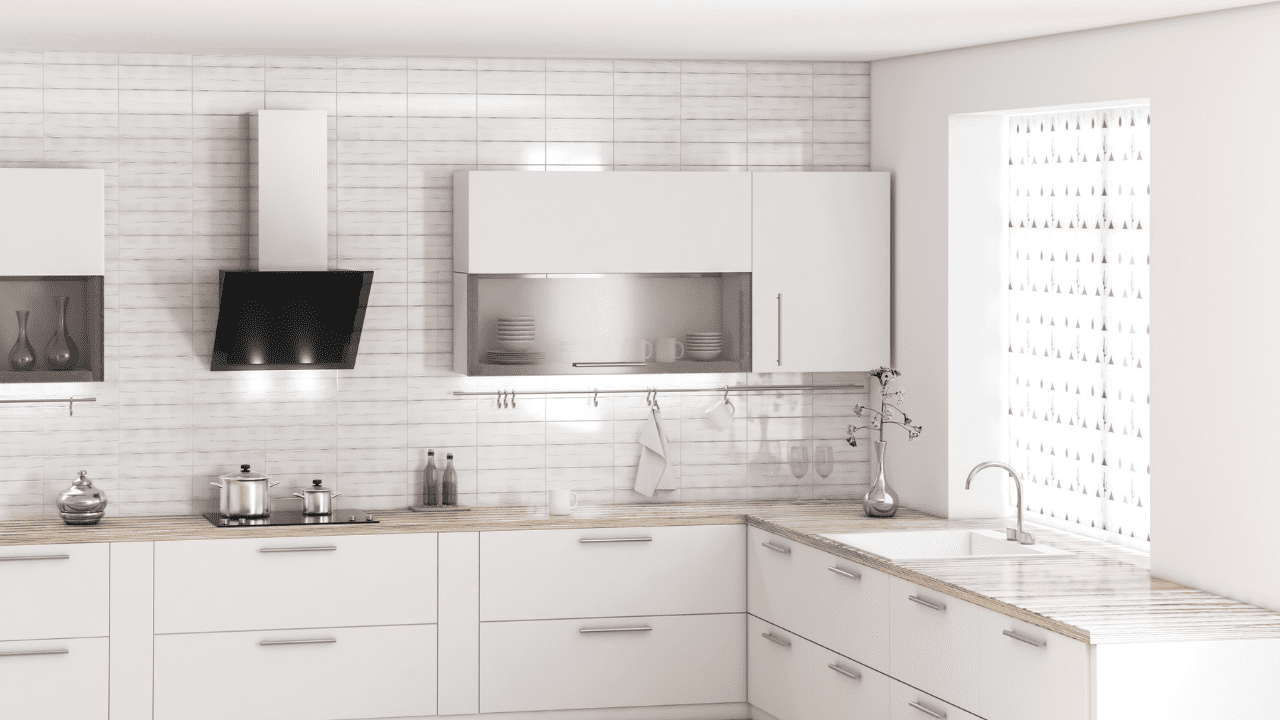
Swapping out a single overhead fixture for better lighting options changes both function and atmosphere. Under-cabinet lighting illuminates work surfaces and adds dimension. Pendant lights over an island or peninsula create focal points and introduce personality.
Most kitchens rely too heavily on harsh overhead lighting that flattens everything. Adding layers means the space can shift from bright task lighting during meal prep to warmer, more relaxed ambiance for evening gatherings. The flexibility makes the kitchen feel more sophisticated and intentional.
Modern LED options have made this update more accessible than ever. The fixtures use less energy, last longer, and come in styles that fit any budget. The installation often requires only basic electrical work, making it manageable for many homeowners or a quick job for an electrician.
Paint: The Great Unifier
Fresh paint pulls everything together. Walls that have yellowed or show years of wear make even updated elements look dingy. Choosing the right shade—usually something lighter and more neutral than expected—opens up the space and creates a clean backdrop for everything else.
The trick is painting not just the walls but also trim, doors, and sometimes even the ceiling in coordinated shades. This attention to detail makes the kitchen feel professionally designed rather than piecemeal. Paint is inexpensive and temporary, which makes it a low-risk way to dramatically shift the room’s character.
The Compound Effect
These updates work best when combined. A new floor with the old backsplash is an improvement. A new floor, fresh backsplash, and updated lighting is a transformation. Each element amplifies the others, creating a cohesive result that feels much more expensive than the individual parts.
The beauty of focusing on these high-impact areas is that they don’t require permits, major construction, or months of living without a functional kitchen. They’re accessible updates that homeowners can tackle in stages or all at once, depending on budget and timeline.
What these changes really do is reset the kitchen’s baseline. Instead of feeling stuck with a dated space, there’s a renewed sense of possibility. The room feels intentional, cared for, and current—all without the stress and expense of starting from scratch.
See more home and interiors posts here

Becky is the voice behind Life in Velvet, an organised, intentional living blog focused on practical food, calm homes, thoughtful projects, and everyday systems that make real life feel easier. A mum of 3 living in the UK, Becky writes from lived experience, sharing what works, what doesn’t, and the decisions that make family life run more smoothly.
With a background in marketing and content writing, and over a decade of blogging experience, she brings a thoughtful, structured approach to everything from baking and home projects to routines and decision-making. Life in Velvet is where planning meets creativity, with ideas designed for real homes and real life.