
The chaos of moving into a new home pushes security concerns to the bottom of the priority list. Between unpacking boxes, setting up utilities, and figuring out which room should be the office, most people don’t think seriously about whether their new property is actually secure. The assumption is that the previous owners took care of everything, or that security issues would have been obvious during viewings. That assumption creates vulnerabilities that sometimes don’t get noticed until something goes wrong.
The Lock Situation Nobody Wants to Think About
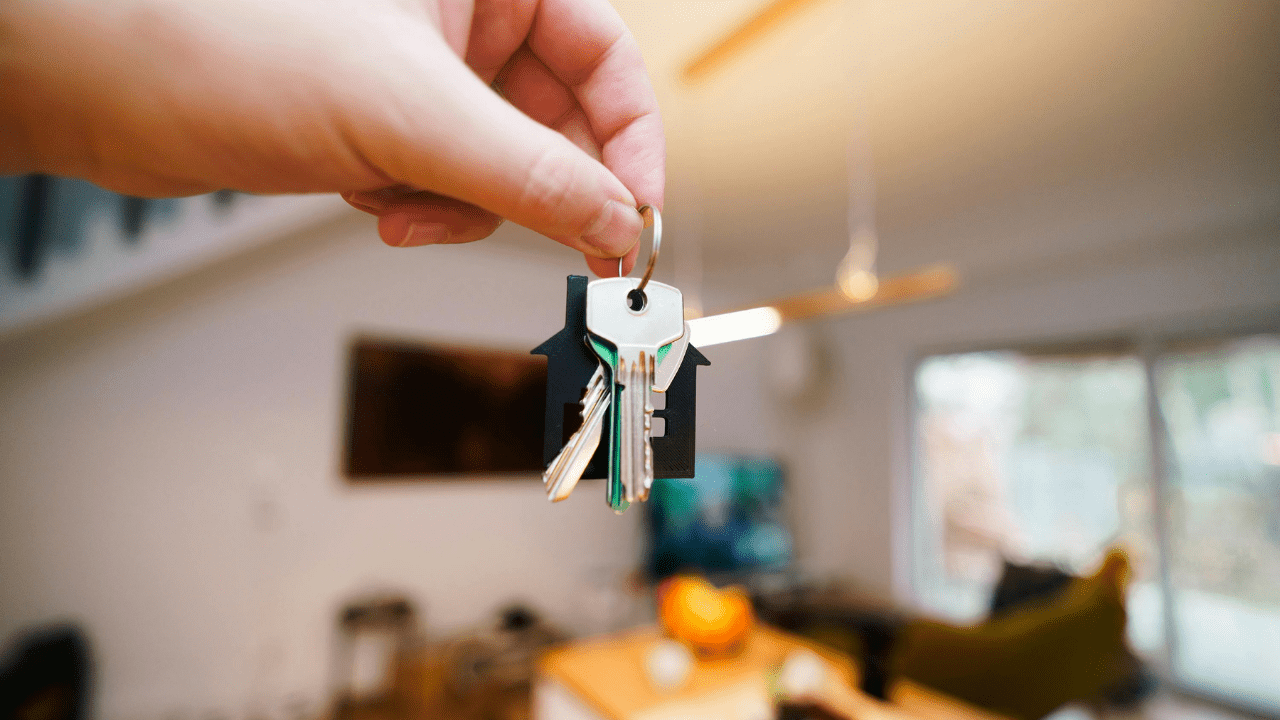
Here’s an uncomfortable truth: you have no idea who has keys to your new home. The previous owners obviously had them, but so might their relatives, friends, neighbors, dog walkers, cleaners, or contractors. Estate agents typically hold keys during the selling process. Some of those keys get returned, some get lost, and some just disappear into drawers and coat pockets where they’re forgotten until someone finds them months later.
Changing the locks isn’t paranoia, it’s basic security sense. Yet plenty of new homeowners skip this step, reasoning that the previous owners seemed trustworthy or that nobody would bother coming back. The problem isn’t necessarily that the former residents have bad intentions. It’s that keys circulate wider than anyone tracks, and it only takes one person with questionable judgment or desperation to create a problem.
Professional locksmiths can rekey existing locks or install new ones depending on the condition and type of hardware already in place. Rekeying costs less than full replacement and works fine when the existing locks are in good shape. Either way, this should happen within the first week of moving in, before the boxes are even fully unpacked. The expense feels like one more cost in an already expensive moving process, but it’s cheaper than dealing with an unauthorized entry later.
Windows Get Overlooked Constantly
Everyone focuses on doors when thinking about home security, which makes sense since doors are the main entry points. Windows, though, are where security often falls apart in older properties. Ground floor windows that don’t lock properly are surprisingly common, and upper floor windows sometimes have locks that broke years ago and never got fixed.
Testing every single window in the house sounds tedious, and it is. But it needs doing. Open each window, close it again, engage the lock, and actually try to open it from the outside perspective. Are the locks functional? Do they engage fully? Can the window be lifted or forced even when locked? Many window locks provide more psychological comfort than actual security, holding the window closed against wind but not against any determined effort to open them.
Sash windows in Victorian and Edwardian properties often have security issues. The original locks are sometimes missing entirely, or they’ve worn down so much that they barely function. Window restrictors can be added fairly cheaply and prevent windows from opening more than a small gap, which helps with ventilation while maintaining security.
Alarm Systems Need Verification
If the property came with an existing alarm system, that’s convenient. Or it seems convenient until you actually try to use it. Many home alarm systems stop being maintained properly years before a house goes on the market. The previous owners might have stopped using it, might have forgotten the code, or might have never fully understood how it worked in the first place.
The system might still be connected to a monitoring service that bills annually to a bank account nobody checks. Or it might have been disconnected from monitoring but still makes noise locally when triggered. Some systems have batteries that died long ago, and some have sensors that no longer communicate with the main panel. Finding out all this information requires either getting documentation from the previous owners or calling the security company directly.
Getting alarm system details should happen during the purchase process, but it often gets missed in the flurry of paperwork. If no information was provided, checking any visible alarm company branding and calling them usually works. They can look up the property address and explain what system is installed, whether it’s monitored, and what the service status is.
Garage and Shed Security Gets Forgotten
Main house security gets attention, but outbuildings often get treated as an afterthought. Garages and sheds store valuable items though, from tools and bikes to lawn equipment and storage boxes containing everything that didn’t fit in the house. They’re also potential access points if they connect to the main building or have windows that overlook the property.
Many garage doors can be opened surprisingly easily if they’re not properly secured. Up-and-over doors sometimes have weak locks that can be forced with minimal effort. Side doors into garages often have older, less secure locks than the main house doors. Sheds typically have even more basic security, sometimes just a padlock on a hasp that can be unscrewed or forced off.
Checking these spaces properly means going out there with a critical eye and actually testing whether the locks hold up to pressure. Push on doors, try to lift them, check whether windows are secured. The goal isn’t to break in yourself, but to understand whether someone else could without much difficulty.

Garden Access Points Create Surprises
Side gates, back gates, and fence sections sometimes have problems that aren’t obvious until you’ve lived somewhere long enough to notice. A gate that can be reached over and unlatched from outside. A fence panel that’s rotted at the bottom and can be pushed aside. A wall low enough to climb easily. These access points let people get into the garden, and from there they can try doors and windows away from street view.
Walking the full perimeter of the property shows what the boundaries actually look like versus what they seemed like during viewings. That gap in the hedge that looked like natural variation might actually be a shortcut the neighbor’s kids use regularly. The gate that seemed secure might have a bolt that doesn’t quite engage properly. Small issues become clear when you’re living somewhere rather than just visiting for twenty minutes.
Light Timers and Visibility
The period right after moving in often involves spending nights elsewhere while things get sorted, or being out of the house more than usual while dealing with moving-related tasks. An empty house with no lights coming on in the evening advertises that nobody’s home. Timer plugs for lamps cost a few pounds and create the appearance of occupancy without needing to leave lights running all night.
External lighting matters too, particularly around entry points that can’t be seen from the street. Motion sensor lights deter casual opportunists who prefer to work in darkness. They also help homeowners see what they’re doing when coming home after dark, which is a nice bonus beyond the security benefit.
The Documentation Nobody Thinks to Get
During the chaos of completing a house purchase, asking the previous owners for security-related information probably won’t occur to most people until after they’ve moved out. But having records of when locks were last changed, what alarm codes are, which keys go to which doors, and where the spare keys were kept helps establish a security baseline.
Some of this information comes through in the property information forms, but most of it doesn’t unless specifically requested. Making a point to ask about security details during the final walkthrough or in the days before completion means getting answers while the sellers are still reachable and motivated to be helpful.
Making It Systematic Rather Than Overwhelming
Security tasks feel overwhelming when considered all at once, especially during a move when everything else is also demanding attention. Breaking it down into a prioritized list helps. Locks first, because that’s the most immediate vulnerability. Windows and doors next, because they’re the main entry points. Alarm systems and outbuildings after that, since they’re important but slightly less urgent. Garden security and lighting can come last since they’re about deterrence rather than direct access prevention.
The first few weeks in a new home create an unusual window of vulnerability. The property is unfamiliar, routines aren’t established, and the full security picture isn’t clear yet. Taking time to address these often-forgotten security tasks means living somewhere that’s actually secure rather than just assuming it is.
See more of my home and interiors posts here

Becky is the voice behind Life in Velvet, an organised, intentional living blog focused on practical food, calm homes, thoughtful projects, and everyday systems that make real life feel easier. A mum of 3 living in the UK, Becky writes from lived experience, sharing what works, what doesn’t, and the decisions that make family life run more smoothly.
With a background in marketing and content writing, and over a decade of blogging experience, she brings a thoughtful, structured approach to everything from baking and home projects to routines and decision-making. Life in Velvet is where planning meets creativity, with ideas designed for real homes and real life.