
Most people spend years thinking about changes they want to make before actually doing anything about them. The haircut gets postponed. The style update stays theoretical. The piercing or tattoo remains a “someday maybe” conversation topic with friends. Then something shifts, and suddenly the thing that felt too bold or risky becomes the thing someone does on a random Tuesday afternoon.
This progression from safe choices to bolder self-expression isn’t just about appearance. It’s a confidence journey that reflects internal growth, changing priorities, and evolving relationships with risk and judgment. Understanding what prompts people to finally take these leaps helps make sense of the connection between external presentation and internal development.
The Safe Years
Starting from a conservative baseline makes sense for most people. Childhood and teenage years involve figuring out basic identity while also dealing with parents, school dress codes, and intense peer pressure to fit in. Playing it safe with appearance isn’t always a conscious choice so much as the path of least resistance when navigating all these external expectations.
Early adulthood often continues this pattern. First jobs come with professional dress codes and unspoken rules about acceptable presentation. New relationships bring partners’ preferences into the equation. Building adult life involves so many other decisions and challenges that appearance experimentation might feel like one risk too many when everything else already feels uncertain.
This safe period serves a purpose though. It establishes baseline comfort with basic grooming and presentation. It teaches reading social contexts and understanding when certain looks work or don’t. These skills become useful later when taking bigger style risks, because bold choices land better when someone understands the rules they’re breaking.
The safe years also build up desire for change. Every time someone thinks “I’d love to do that but can’t right now,” a little pressure accumulates. Eventually that pressure seeks release, often when life circumstances finally allow for more freedom in self-expression.
The First Small Step
Bold transformations rarely happen all at once. They start with small tests, manageable risks that feel just slightly outside the comfort zone. Maybe it’s a haircut that’s shorter than usual. Perhaps it’s an outfit in a colour the person typically avoids. These initial experiments gauge both personal comfort and social reaction without committing to anything dramatic.
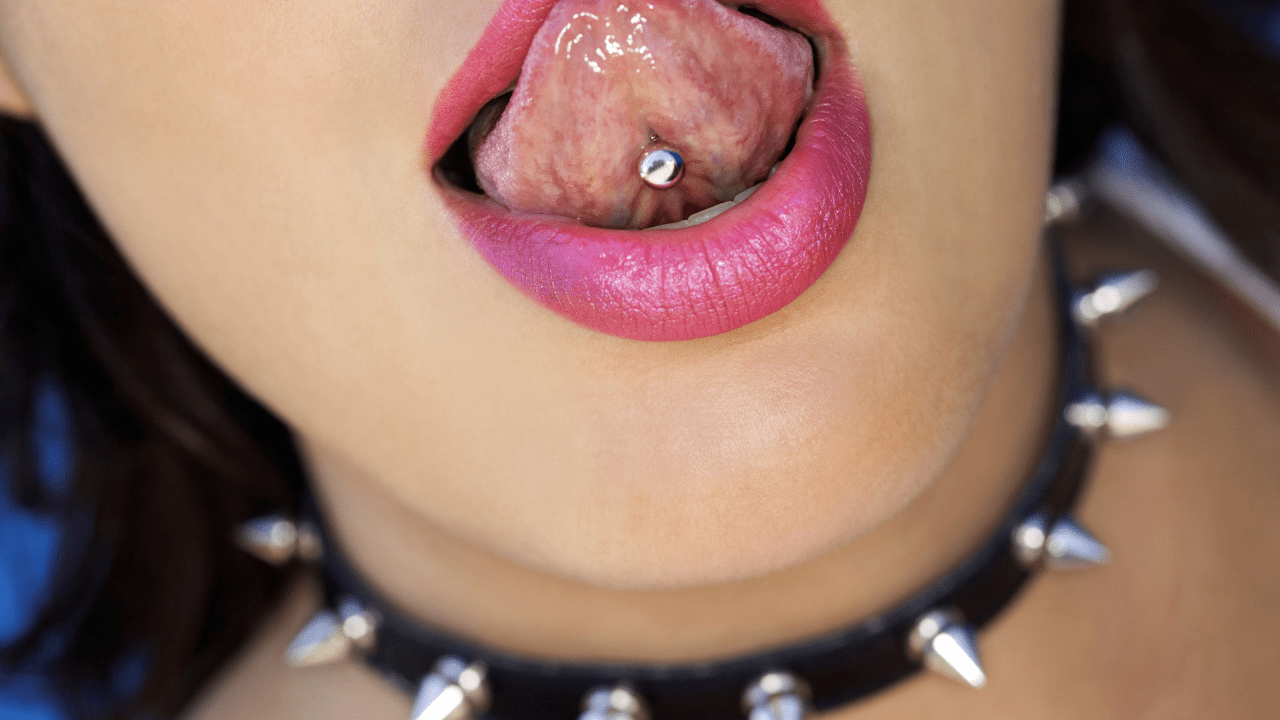
For many people, getting a helix piercing or similar cartilage piercing serves as this first test. It’s visible but not dramatically so, relatively easy to hide if needed, and more permanent than hair or clothing changes but not as permanent as tattoos. The manageable level of risk makes it an ideal confidence-building step.
The reaction to these small changes matters enormously. Positive feedback, or even just neutral acceptance rather than the feared judgment, builds courage for the next step. Discovering that the world doesn’t end because of a style update proves that fears about others’ reactions were probably overblown. This realization becomes permission to push boundaries further.
Even negative reactions serve a purpose. They teach that some people will judge regardless, and surviving that judgment builds resilience. The person learns they can handle disapproval, which reduces its power to control future decisions. What felt scary before becomes just another data point rather than a reason to retreat to safety.
What Actually Prompts the Leap
Several common triggers push people from thinking about changes to actually making them. Life transitions top the list. Moving to a new city where nobody knows the “old” version creates space for reinvention. Starting a new job, especially one with more relaxed culture, removes previous barriers. Ending relationships eliminates a partner’s preferences from the decision calculus.
Milestone birthdays often spark bold changes too. Turning 25, 30, or 40 prompts reflection about whether current presentation actually reflects desired identity. These moments create urgency about living authentically rather than continuing patterns that no longer serve.
Sometimes the prompt is negative. A particularly bad day makes someone think “life’s too short to keep worrying about this.” Dealing with actual serious problems puts appearance concerns into perspective, making style risks feel trivial by comparison. The realization that nobody’s really paying that much attention anyway can be both disappointing and liberating.
Other times it’s purely positive. Someone reaches a point of financial security where professional consequences feel less threatening. Confidence builds through achievements in other areas, creating spillover courage for appearance changes. A supportive friend group makes experimentation feel safer and more fun than it would alone.
The Snowball Effect
One bold choice often leads to another. The person who finally gets that first cartilage piercing frequently returns for more within a year. Someone who tries a dramatic haircut and survives discovers they’re braver than they thought. Each successful step outside the comfort zone expands the zone itself, making the next risk feel less risky.
This progression explains why people with visible modifications often have multiple ones. It’s rarely about any single tattoo or piercing being addictive. It’s about the accumulating evidence that these choices don’t bring disaster, combined with growing comfort with standing out rather than blending in.
The confidence built through appearance changes transfers to other life areas too. People who become comfortable with bold style choices often find themselves more willing to speak up at work, set boundaries in relationships, or pursue goals they previously thought too ambitious. The connection isn’t necessarily causal in one direction, more of a feedback loop where internal and external boldness reinforce each other.
Social circles shift during this process too. Bold appearance choices attract different people than safe conventional looks do. As someone’s style becomes more expressive, they often find themselves surrounded by others who value authenticity and creativity over conformity. This new social context further supports continuing the journey rather than retreating.
The Authenticity Factor
Not every bold appearance choice sticks long-term. Some experiments get reversed when they turn out not to feel as good as expected. But even temporary changes teach valuable lessons about personal preferences and identity. The goal isn’t finding one perfect look, it’s developing comfort with ongoing evolution and expression.
The most meaningful progression happens when external changes align with internal growth. Someone who dresses more boldly while also becoming more assertive and confident experiences reinforcement between these parallel developments. The appearance change becomes outward evidence of inner transformation rather than just surface decoration.
This authenticity test sorts fads from lasting changes. Modifications adopted because they look cool on someone else often get abandoned when the novelty wears off. Those chosen because they genuinely resonate with personal identity tend to become permanent parts of presentation. The journey teaches people to distinguish between wanting something because others have it versus wanting it for personal reasons.
The Freedom on the Other Side
People who complete this journey from safe to bold often report feeling more themselves than ever before. The relief of external presentation finally matching internal identity removes low-level discomfort they didn’t fully recognize was there. Looking in the mirror and seeing genuine self-expression rather than carefully managed acceptability changes the relationship with appearance entirely.
This freedom isn’t about looking perfect or following trends. It’s about permission to experiment, change course, and continue evolving without fear of judgment paralyzing decision-making. Mistakes become learning experiences rather than catastrophes. Changes become exciting rather than terrifying.
The confidence built through this process has staying power too. Even if someone later scales back bold choices for practical reasons, they retain the knowledge that they can stand out, handle attention, and survive disapproval. That internal security doesn’t disappear just because external presentation shifts again.
Different Paths, Same Growth
Not everyone needs dramatic transformation to grow confidence. Some people feel most authentic with minimal style intervention. The journey matters more than the destination. Moving from fear-based decision-making to choice-based presentation represents growth regardless of whether the resulting look is bold or understated.
What matters is the progression from letting external expectations control choices to making decisions based on personal preference. That shift, from playing it safe out of fear to making intentional choices about presentation, represents real confidence development. Whether those choices result in conventional or unconventional appearance is secondary to the autonomy and self-assurance behind them.
See more lifestyle posts here

Becky is the voice behind Life in Velvet, an organised, intentional living blog focused on practical food, calm homes, thoughtful projects, and everyday systems that make real life feel easier. A mum of 3 living in the UK, Becky writes from lived experience, sharing what works, what doesn’t, and the decisions that make family life run more smoothly.
With a background in marketing and content writing, and over a decade of blogging experience, she brings a thoughtful, structured approach to everything from baking and home projects to routines and decision-making. Life in Velvet is where planning meets creativity, with ideas designed for real homes and real life.