
Nature operates on its own timeline, completely indifferent to wedding plans. Flowers bloom when conditions trigger them, leaves change color according to temperature patterns, daylight hours shift with Earth’s tilt, and weather follows seasonal patterns that laugh at carefully arranged schedules. For couples planning outdoor or nature-connected weddings, this creates a choice: fight against natural rhythms and try to force specific conditions, or work with what each season naturally provides.
The second approach—planning around nature’s schedule rather than against it—almost always produces better results. It means understanding what different times of year actually offer, then making choices that take advantage of seasonal strengths instead of battling seasonal realities. This isn’t about compromise or settling. It’s about recognizing that nature provides different gifts at different times, and the best wedding plans work with those natural offerings.
Understanding Foliage Timing
The changing leaves that make autumn such a visually stunning season don’t follow fixed calendar dates. Peak foliage timing varies by location, elevation, and year-to-year weather patterns. In the UK, color changes typically begin in late September and peak through October, but this shifts based on how warm autumn stays and when first frosts arrive.
For couples who want their wedding surrounded by autumn colors, timing matters enormously. Book too early in September and trees might still be mostly green. Schedule too late in November and leaves have already fallen. The sweet spot exists, but it’s a moving target that requires understanding local patterns.
This doesn’t mean couples need to become amateur meteorologists. It means choosing wedding dates with some flexibility built in, or accepting that nature might not cooperate perfectly with the envisioned aesthetic. Gardens at venues with mature trees typically show color first, while woodlands might peak a week or two later. Understanding these patterns helps set realistic expectations.
Daylight Hours and Their Impact
Day length changes dramatically throughout the year, and this affects wedding timing more than most couples initially realize. Summer weddings benefit from daylight stretching past 9pm, allowing ceremony, cocktails, photos, and dinner all in natural light. Winter weddings have darkness falling by 4pm, which completely changes how the day flows.
Spring and autumn occupy the middle ground, with sunset times that create natural progression through the day. An autumn ceremony at 3pm flows into golden hour photos around 5pm, then transitions to candlelit dinner as darkness falls. This progression feels intentional and creates atmospheric shifts that keep energy moving through the celebration.
Planning ceremony timing around daylight availability rather than arbitrary preferred times makes everything work better. A 2pm ceremony in December means most photos happen in limited daylight. The same 2pm ceremony in June happens in bright midday sun that photographers find challenging. Understanding when good light actually occurs for your chosen date helps optimize the schedule.
Seasonal Weather Patterns
Weather can’t be controlled, but it can be anticipated and planned around. Each season brings typical conditions—not guaranteed, but likely enough to factor into planning. Summer tends toward warm and dry but occasionally delivers rain and extreme heat. Winter brings cold and early darkness with potential for snow or ice. Spring and autumn sit between these extremes with more variable but generally moderate conditions.
These patterns matter for venue choice and contingency planning. Venues offering both outdoor and covered spaces handle weather variability better than those requiring backup tent rentals if rain threatens. Couples selecting an Autumn Wedding Venue often appreciate the season’s moderate temperatures and reliability—cooler than summer but warmer than winter, with weather that’s usually comfortable for both outdoor ceremonies and indoor receptions.
The key is matching venue capabilities to seasonal realities. An entirely outdoor venue in December creates high risk of guest discomfort. A venue with no outdoor space in June misses opportunities that long daylight and warm weather provide. The best matches between venue and season feel natural rather than forced.
Flower Availability and Seasonal Blooms
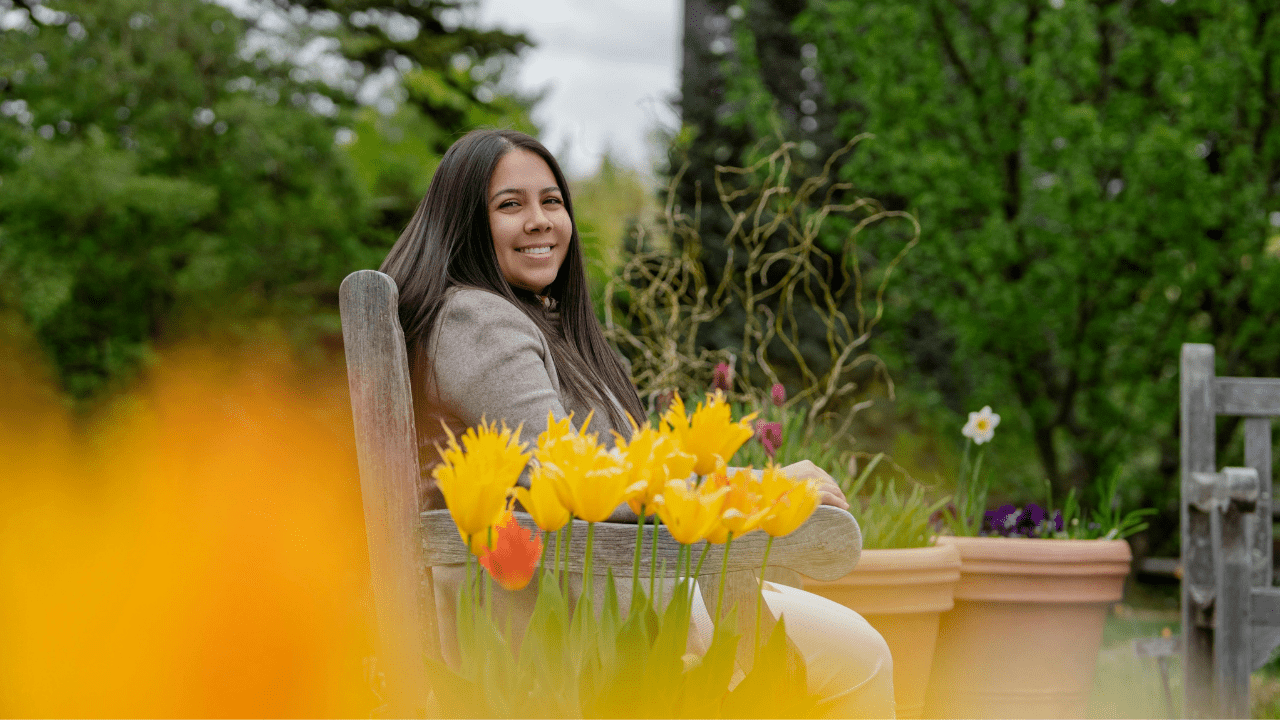
Garden weddings rely on what’s actually blooming at the time. Spring brings bulbs and early blossoms—daffodils, tulips, cherry blossoms—creating fresh, colorful atmosphere. Summer offers roses, peonies, and abundant blooms. Autumn brings dahlias, chrysanthemums, and late-season flowers alongside foliage. Winter has limited natural blooms but can feature evergreens and winter berries.
Trying to have spring flowers at a September wedding means importing blooms and working against what’s naturally available. This increases costs and creates arrangements that feel slightly off because they contradict the surrounding environment. Working with seasonal blooms creates coherence between arranged flowers and natural surroundings.
This same principle applies to venue gardens. A venue with spectacular spring bulb displays looks completely different in autumn. One with stunning autumn foliage might be fairly plain in June. Understanding what a venue looks like during your actual wedding month, not just in professional photos that might be from different seasons, prevents disappointment.
Temperature Considerations
Temperature affects guest comfort more than almost any other factor. A beautiful outdoor ceremony loses impact if guests are sweating through formal wear or shivering in insufficient clothing. Each season brings typical temperature ranges that should guide planning decisions.
Summer heat requires shade, hydration, and timing ceremonies to avoid the hottest parts of afternoon. Winter cold demands heated spaces and limiting outdoor time. Spring and autumn temperatures tend toward comfortable ranges but with more day-to-day variation—one May day might be 25 degrees and sunny, the next could be 12 degrees and rainy.
Venue selection should account for seasonal temperatures. Summer weddings need adequate cooling or outdoor shaded areas. Winter celebrations require proper heating and quick transitions between outdoor photos and warm indoor spaces. Shoulder season weddings benefit from venues offering flexibility to move between indoor and outdoor spaces as conditions allow.
Wildlife and Natural Activity
The natural world around wedding venues changes with seasons in ways that go beyond visual aesthetics. Birds are most active in spring and early summer. Butterflies appear in warm months. Evening insects can be problematic during summer outdoor events but aren’t a concern in cooler months.
These details seem minor until they’re not. Summer evening receptions might need insect management for guest comfort. Spring ceremonies might have birds singing in the background (charming for some, distracting for others). Autumn tends to have less wildlife activity, which can be either peaceful or less vibrant depending on preference.
Gardens and outdoor spaces also smell different across seasons. Spring brings fragrant blossoms. Summer has cut grass and roses. Autumn offers earthy scents of fallen leaves. Winter air is crisp and clean. These sensory details contribute to overall atmosphere in subtle but real ways.
Seasonal Light Quality
Light changes character through the year, and this affects both how venues look and how photos turn out. Summer light is bright and extended but can be harsh at midday. Winter light is softer and more limited but creates beautiful low-angle illumination. Spring and autumn offer warm, golden light that photographers particularly love.
The angle of sun changes seasonally too. Summer sun sits high overhead, creating strong shadows. Winter sun stays lower, providing more flattering light angles for longer periods. This affects when good outdoor photo opportunities exist and how natural light works inside venues.
Venues with large windows benefit differently from seasonal light. Summer sun flooding through windows creates bright, airy atmosphere. Winter sun coming through at lower angles creates interesting patterns and warm spots. Understanding how natural light works in a venue during your specific season helps plan both ceremony placement and photo timing.
Working With Rather Than Against
The most successful weddings that incorporate natural elements don’t try to make October look like June or force winter venues to feel like spring gardens. They embrace what each season naturally provides—autumn’s rich colors and cozy atmosphere, spring’s fresh energy and blooms, summer’s extended light and warmth, winter’s intimate indoor focus.
This means choosing venues that look their best during your selected season. It means timing ceremonies to capture good natural light rather than scheduling for arbitrary times. It means selecting flowers that are actually in season. It means having realistic expectations about weather and appropriate backup plans.
Planning around nature’s schedule isn’t limiting—it’s liberating. Instead of fighting to create artificial conditions, couples work with the built-in advantages each season offers. The result is weddings that feel harmonious with their surroundings, creating atmosphere that emerges naturally from when and where the celebration happens rather than being imposed through forced decoration or going against seasonal realities.
Practical Application
The approach to seasonal planning starts with honest assessment of what matters most. Is specific aesthetic vision essential, requiring particular flowers or foliage? Then season choice needs to align with when those elements naturally occur. Is comfortable temperature for outdoor celebration the priority? Then extreme seasons get avoided in favor of moderate spring or autumn.
Research what venues actually look like during your chosen month, not just in curated photos from their best season. Visit if possible during the time of year you’re considering. Talk to venue coordinators about seasonal realities—what blooms when, how weather typically behaves, what challenges and advantages each season presents.
Build flexibility into plans where possible. Have realistic backup options for weather. Be open to timing adjustments that work better with natural light. Choose decoration approaches that complement rather than compete with seasonal surroundings. The goal is creating celebration that feels like it belongs in that moment, that season, that natural environment—not one that fights against where and when it’s actually happening.
See more gardening posts here

Becky is the voice behind Life in Velvet, an organised, intentional living blog focused on practical food, calm homes, thoughtful projects, and everyday systems that make real life feel easier. A mum of 3 living in the UK, Becky writes from lived experience, sharing what works, what doesn’t, and the decisions that make family life run more smoothly.
With a background in marketing and content writing, and over a decade of blogging experience, she brings a thoughtful, structured approach to everything from baking and home projects to routines and decision-making. Life in Velvet is where planning meets creativity, with ideas designed for real homes and real life.