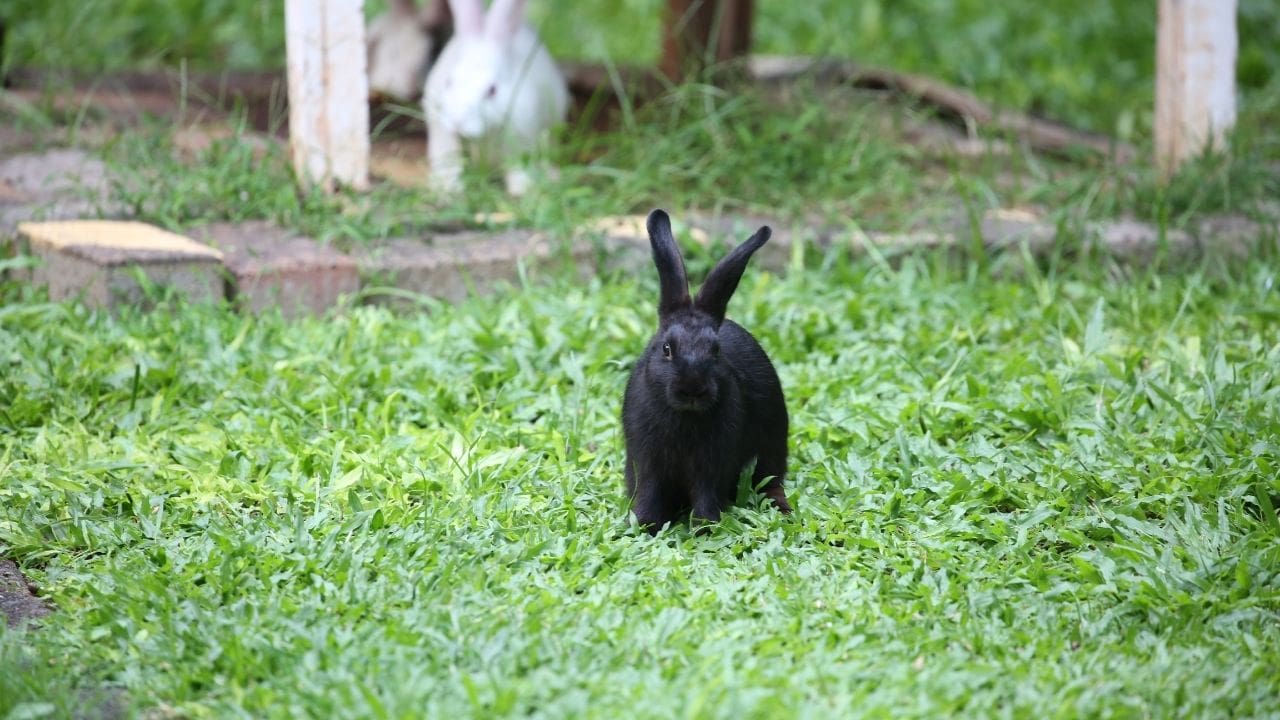
There’s nothing more frustrating than stepping into your garden, admiring your carefully tended veg patch — and spotting nibbled lettuce, half-eaten carrots, and neatly trimmed bean shoots.
Rabbits may look charming at a distance, but when they decide your vegetable garden is their personal buffet, it’s a different story. For families who grow their own produce, especially in rural or semi-rural areas, rabbit damage can quickly undo months of effort.
So what actually works: fencing or trapping? And how do you decide which approach suits your garden best?
Let’s break it down in simple, practical terms.
Why Rabbits Love Your Garden
Vegetable patches are irresistible to rabbits because they offer:
- Soft, nutrient-rich growth
- Easy access to low plants
- Regular watering (which keeps produce tender)
- Safe cover nearby (hedges, sheds, long grass)
They typically feed at dawn and dusk, and once they discover a reliable food source, they return repeatedly.
The key to solving the problem isn’t just reacting — it’s choosing the right prevention method for your space.
Option 1: Fencing – Prevention First
For most family gardens, fencing is the most effective long-term solution.
Properly installed electric fencing creates a physical and psychological barrier that deters rabbits without harming them. When set up correctly, it delivers a short, safe pulse that encourages animals to stay away from your veg patch in the future.
Why Electric Fencing Works
- It prevents repeated access
- It protects larger areas efficiently
- It’s suitable for ongoing prevention
- It works for multiple types of wildlife
Unlike basic netting, electric fencing discourages digging and repeated attempts to breach the boundary. For rural homes or larger gardens, it’s often the most reliable method.
Stores like Muttons Country Store, which specialise in agricultural supplies, stock electric fencing suitable for smallholdings, paddocks, and domestic vegetable gardens alike.
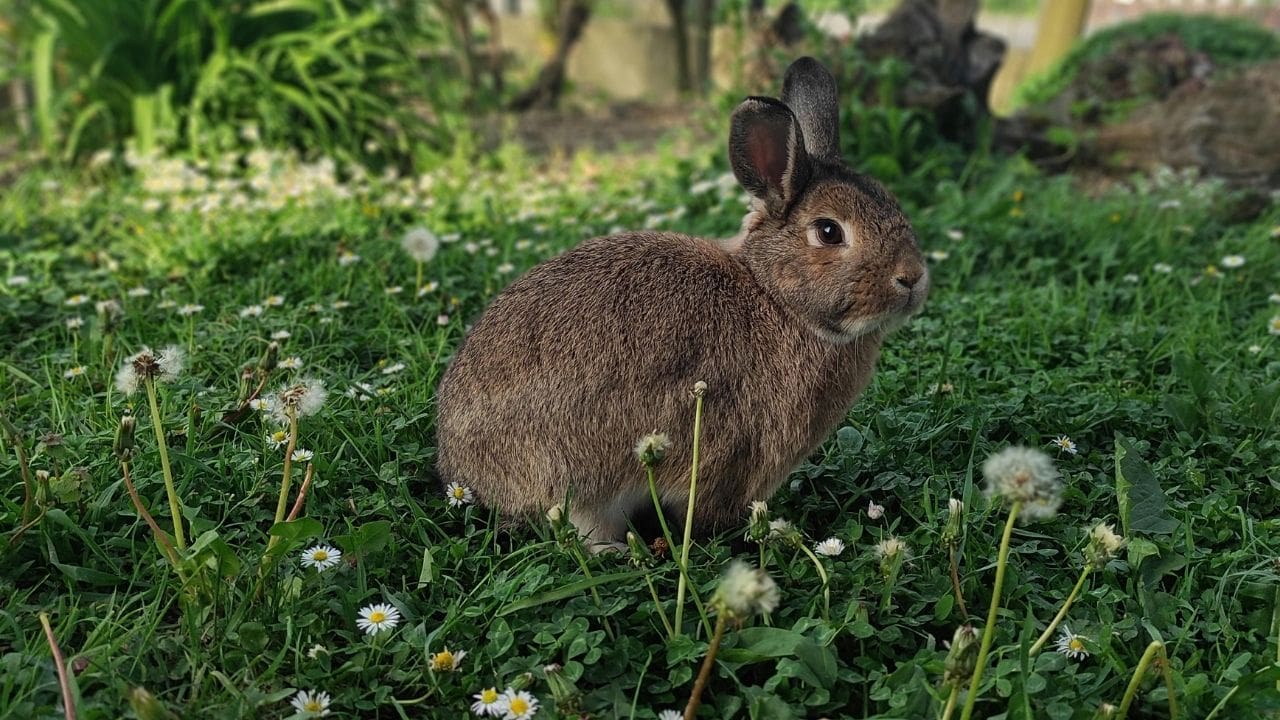
When Fencing Is the Best Choice
Fencing works particularly well if:
- You have a larger veg patch
- Rabbits are persistent visitors
- You live near open countryside
- You want a long-term solution
It’s also ideal for families who want to avoid handling animals directly. Once installed, it requires minimal intervention beyond routine checks.
Option 2: Trapping – Targeted Action
In some situations, trapping may be considered — particularly if one or two rabbits are causing repeated issues in a contained area.
However, trapping requires careful thought. Humane practices and local regulations must always be followed. You should also consider:
- Where the rabbit will be released (if legal and appropriate)
- The stress caused to the animal
- Whether removing one rabbit solves the wider issue
In many cases, trapping addresses a symptom rather than the root cause. If your garden remains accessible, other rabbits may simply take its place.
For families wanting to manage wildlife responsibly, exploring broader pest control solutions can offer more balanced options.
The Importance of Humane Pest Control
When dealing with wildlife, it’s essential to balance protecting your garden with treating animals responsibly.
Modern pest control methods focus on deterrence and exclusion rather than harm. Electric fencing, for example, acts as a behavioural deterrent. Once rabbits associate your garden with an unpleasant (but safe) pulse, they’re unlikely to return.
Muttons Country Store offers pest control solutions designed for agricultural and domestic settings, helping homeowners manage wildlife without unnecessary cruelty.
Combining Methods for Best Results
In some cases, a combined approach works best.
For example:
- Install electric fencing around the veg patch
- Remove attractants (fallen produce, long grass nearby)
- Fill in burrows close to the garden
- Reinforce shed bases or decking edges
This layered strategy reduces temptation while physically preventing access.
Simply trapping without securing the space often leads to ongoing frustration.
What About Small Gardens?
If you have a compact garden in a suburban setting, electric fencing can still be effective — especially low-profile options designed for smaller areas.
Alternatively, buried mesh fencing (dug 15–20cm into the ground) can help prevent digging beneath barriers.
The right solution depends on:
- Garden size
- Rabbit population levels
- Budget
- How permanent you want the setup to be
Protecting Your Hard Work
Growing vegetables as a family is about more than food. It teaches patience, responsibility, and sustainability. When rabbits undo that effort overnight, it can feel disheartening — especially for children who’ve helped plant and water.
Installing reliable electric fencing shifts the balance back in your favour. Instead of reacting to damage, you’re preventing it altogether.
And if additional wildlife challenges arise, exploring broader pest control options ensures you’re prepared for more than just rabbits.
Final Thoughts: Fencing Wins for Long-Term Peace
While trapping may occasionally be necessary in specific cases, fencing is generally the most effective and humane long-term solution for protecting your vegetable garden.
For rural families, smallholders, or keen gardeners, investing in quality electric fencing from a trusted agricultural supplier like Muttons Country Store can save time, money, and frustration in the long run.
Because your veg patch should feed your family — not the local wildlife.
See more gardening posts here

Becky is the voice behind Life in Velvet, an organised, intentional living blog focused on practical food, calm homes, thoughtful projects, and everyday systems that make real life feel easier. A mum of 3 living in the UK, Becky writes from lived experience, sharing what works, what doesn’t, and the decisions that make family life run more smoothly.
With a background in marketing and content writing, and over a decade of blogging experience, she brings a thoughtful, structured approach to everything from baking and home projects to routines and decision-making. Life in Velvet is where planning meets creativity, with ideas designed for real homes and real life.