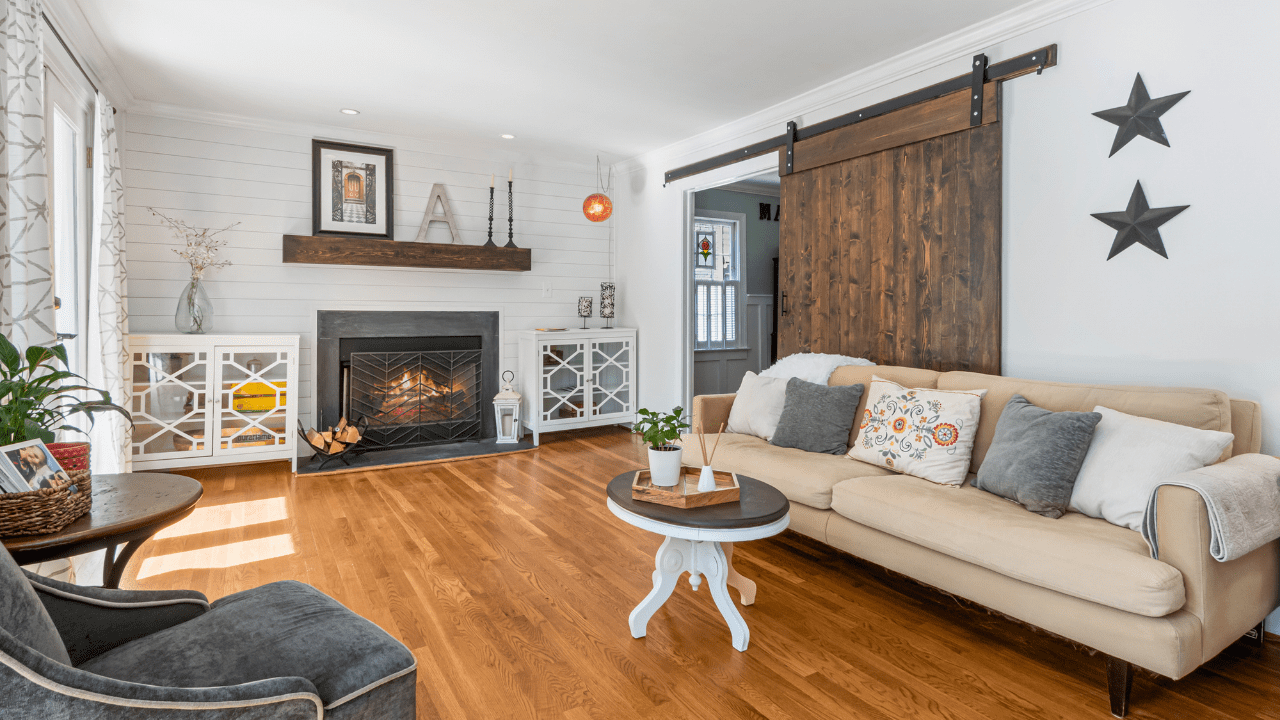
Many people have all the right living room pieces – couch, chairs, coffee table, TV stand – and yet it still feels like an afterthought; like someone grabbed a bunch of living room furniture and just tossed it into the room without any thought. There’s an air of “put together” that only big homes, and the like, have. But don’t buy into the fact that you need an entirely new space or a professional team to make your living room feel more put together. You just need some thought into a few changes that can work with what’s already there.
Make a Focal Point
The easiest way to make a room feel disjointed is when people aren’t sure where to look – i.e., there’s no obvious focal point and everything’s competing for attention. A TV or fireplace work nicely as focal points in most living rooms. Instead of steering clear of this already created idea, embrace it. Your couch will be easily positioned facing the TV (or fireplace) and your side chairs can either line up in harmony or point in toward the center for a more focus-driven composition.
Once the focal point is established, everything else can fall into place. There is a hierarchy established to ensure everything else connects or is relevant to the focal point. What could feel accidental can feel intentional.
Arrange Furniture Properly
Another reason disjointed spaces feel uncomplete is when they’re not arranged properly; i.e., floating furniture by itself or shoved into walls makes a place feel “empty” even if there’s more than enough pieces all over. Furniture appropriately placed gives a more “full” sense and part of comfortable living means the proximity to things makes sense.
For example, seating needs to create an intimate conversation area, whether U-shaped or L-shaped, ensuring closeness and coffee table access. If someone has to yell across the room to talk to the other side of the couch, it’s too far apart! Similarly, the TV stand should not be floating in it’s own little alcove but instead should feel encompassed by the room as well; high-quality pieces by Z-Furnishing can help make the TV not feel like an afterthought but part of the whole gathering.
Moreover, rugs can help define these arrangements, too! At least front legs of chairs and couches should be on a rug; all seated options should be on a rug, if possible.
Color Coordination
Rooms filled with everything that match perfectly are sterile; rooms filled with everything haphazardly are chaotic. The compromise? Coordination – with no one need to match. Pick one color that appears in at least three spots around the room.
For example, maybe navy runs through throw pillows, curtains and in a frame on the wall – and that’s okay! Maybe warm browns are seen through wood and leather pieces and accents; again, that’s fine! This repetition provides visual interest without making everything seem like it came from one collection. Instead, it gives a rhythm to the eye without forcing comparison.
It’s best when larger neutrals are used (sofas or oversized pieces that could succumb to crazier styles) while others can afford some flare before being calmed down with coexisting color schemes that establish an approachable base layer for aesthetic purposes.
Layered Lighting
Rooms with only overhead lighting feel flat and unfinished. Layering light provides different depth with a more designed feeling. This means considerations for day versus night inspired.
Table lamps on side tables flanking a couch generate symmetry and softer light for nighttime – some may have only one lamp on at their side if they’re reading, which is acceptable. A floor lamp can rest in darker corners or provide added height if needed. Should there be an option for a console/shelf, add a small lamp there as well.
When level heights differ thanks to varying light sources, symmetry does not reign supreme – but visual interest does.
Scale with Wall Art
Nothing says, “I just moved in,” like tiny art pieces on large walls – with or alongside furniture. Art should hold its own on its wall or be substantial compared to surrounding furniture options – i.e., art above sofas should be approximately two-thirds width wise of the couch – too small gets lost in translation; too large looms overwhelming and tacky.
Scale is its own art form because it makes every other piece within proximity appropriate without them having to work that hard for compliments – even when they’re not giving them.
Therefore, look at wall space that should not be neglected but instead used for visual interest contribution.
Include Textures/Patterns
Rooms that utilize all smooth textures look frigid – no matter what color scheme you create. Varying textures – nubby throws with smooth leather with rough wood with soft pillows – create warmth and optical interest making people want to sink in instead of always feeling like they’re being watched and critiqued.
Instead of patterns – which may overwhelm – subtle patterns in throw pillows, textured rugs or curtains with slight patterns help make rooms dimensional without looking basic.
Patterns and subtle textures make spaces feel considered instead of flat.
Style Surfaces
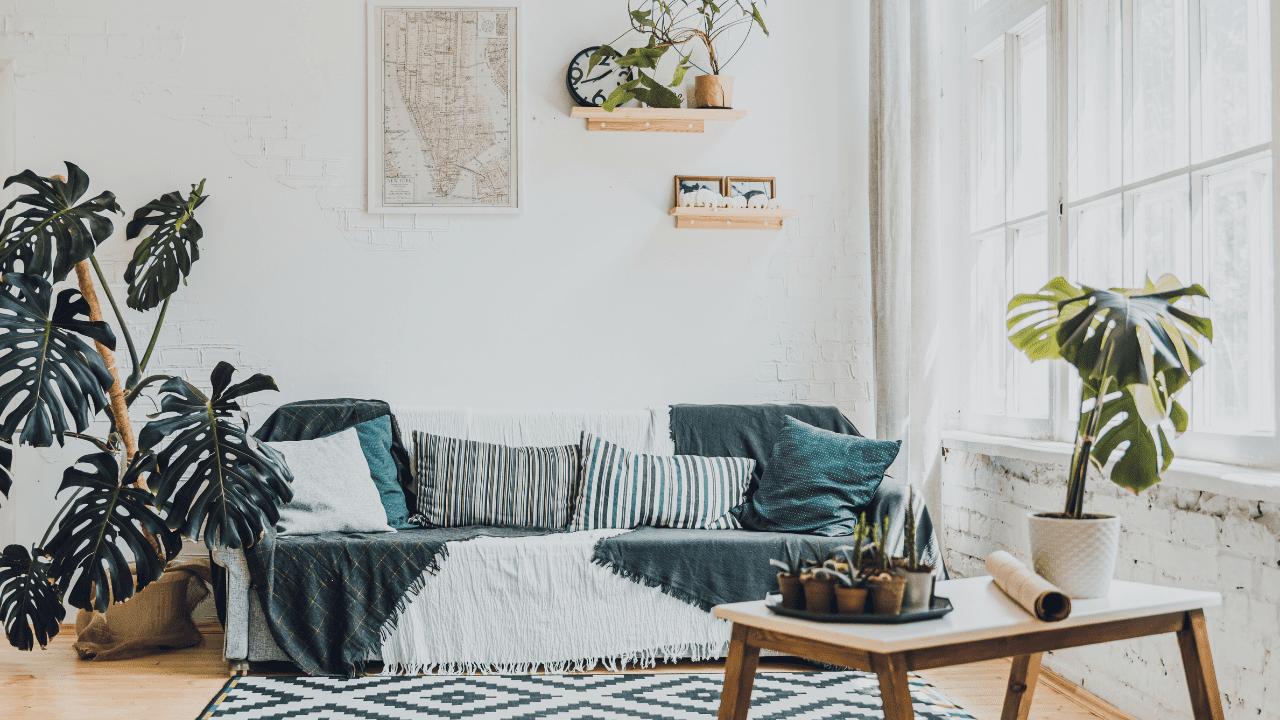
Coffee tables sit empty or cluttered; console tables sit blank or filled with junk – this means “I just moved in but I don’t know where anything goes!” Styling surfaces helps finish off the room’s look.
It’s easier than you think: Use shorter vs higher items, use odd numbers, find a balance of decorative vs functional finds so attention isn’t brought to outlandishly sized pieces simply for show! For example, three books (one hardback/two paperback) can be stacked on a coaster (functional) next to an air plant (decorative), but not one item by itself!
Smaller items can even be found under trays – another smaller organization piece – to keep everything together aesthetically without looking like they’ve given up.
Create Visual Balance
Weighted visual balance works around spaces but it does not require symmetry – unless it’s a more traditional space where symmetry works well.
For example, if one side of your living room features a large item – a couch – then something of similar visual weight must exist on the other side – a couch made up of two chairs or perhaps a large bookshelf – otherwise things will look lopsided! Height matters; don’t put square furniture next to something low unless you’re compensating down the line with something that’s substantially tall!
Everything must maintain mixed heights so everything feels cohesive.
The Bottom Line: Cohesion Factor
Cohesion comes through final details that help a space feel more interesting than thrown together; when someone looks like they know what they’re doing (without care for expensive pieces) but instead lends itself toward incremental potentials instead of successful final product all at once during budgetary constraints, then what once feels thrown together could work!
You don’t need new expensive purchases – you just need affordable adjustments from what’s already at your disposal!
See more home and interiors posts here

Becky is the voice behind Life in Velvet, an organised, intentional living blog focused on practical food, calm homes, thoughtful projects, and everyday systems that make real life feel easier. A mum of 3 living in the UK, Becky writes from lived experience, sharing what works, what doesn’t, and the decisions that make family life run more smoothly.
With a background in marketing and content writing, and over a decade of blogging experience, she brings a thoughtful, structured approach to everything from baking and home projects to routines and decision-making. Life in Velvet is where planning meets creativity, with ideas designed for real homes and real life.