
Patio doors are a beautiful feature in any home. They bring in natural light, connect indoor and outdoor living spaces, and create a sense of openness. But when colder weather rolls around, those same wide panes of glass and sliding tracks can become one of the biggest sources of heat loss in your house.
If you’ve ever stood next to your patio doors in winter and felt a draft or noticed condensation forming on the glass, you’re not alone! According to the U.S. Department of Energy, about 30% of a home’s heating energy is lost through windows and doors. That means insulating your patio doors isn’t just about staying cozy – it’s also about saving money on energy bills.
In my guide, I’ll walk you through practical, affordable, and effective ways to insulate patio doors, from quick DIY hacks to longer-term upgrades. Whether you have sliding glass doors, French doors, or folding patio doors, these tips will help keep your home warm in winter and cool in summer.
Why Insulating Patio Doors Matters
Before explore the ‘how-to’, let’s talk about why it’s worth your time.
-
Energy savings – Heating costs can skyrocket in colder months. Proper insulation helps keep warm air inside where it belongs.
-
Comfort – No one wants to sit on the sofa and feel a draft on the back of their neck. Insulation reduces drafts and makes rooms feel more comfortable.
-
Moisture control – Insulation can help prevent condensation, which can lead to mold or mildew.
- Environmental benefits – By using less energy, you’re also lowering your home’s carbon footprint.

Step 1: Identify the Problem Areas
Not all patio doors lose heat in the same way. Some leak around the frame, others let in cold air through the sliding track, and many simply have thin glass that doesn’t provide enough insulation.
Here’s how to spot issues:
-
Draft test – On a windy day, hold a lit candle or incense stick near the edges of your patio door. If the flame flickers, you’ve got a draft.
-
Hand test – Run your hand along the edges of the door. Do you feel cold air seeping in?
-
Visual inspection – Look for gaps between the frame and wall, cracked caulking, or worn-out weatherstripping.
-
Condensation check – Fog or water on the glass often means poor insulation.
Step 2: Weatherstripping – The First Line of Defense
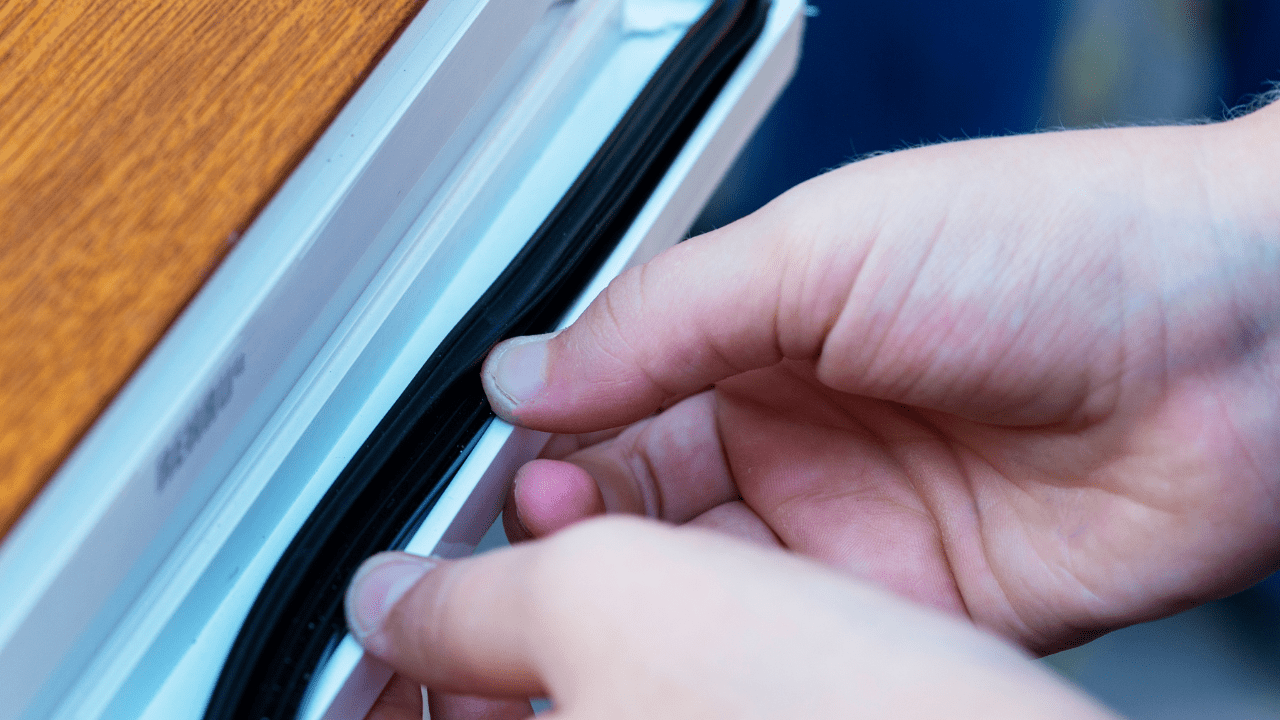
One of the easiest and cheapest ways to insulate patio doors is by adding or replacing weatherstripping. Over time, the rubber or foam seals around doors wear out, leaving gaps for air to escape.
Best Options for Patio Doors
-
Foam tape – Great for quick fixes around the edges.
-
V-strip (tension seal) – Flexible plastic that creates a tight seal along the sides.
-
Door sweeps – Long strips that attach to the bottom of the door to block drafts.
Tip: If you have a sliding glass door, look for weatherstripping specifically designed for sliding tracks.
Option: Frost King Weatherseal Tape – budget-friendly and widely available.
Step 3: Insulating Patio Door Glass
The glass itself is often the biggest culprit. Even double-pane glass can let in cold air during freezing winters. Here are a few solutions:
Window Insulation Film
Plastic insulation film is applied over the glass with double-sided tape, then shrunk tight with a hair dryer. It creates a clear, invisible barrier that traps air and reduces drafts.
Pros: Affordable, easy to install, removable in spring.
Cons: Single-season use, needs reapplying each year.
Option: 3M Indoor Window Insulator Kit
Thermal Curtains or Insulated Drapes
Thick, lined curtains add an extra layer of warmth and can dramatically cut down on heat loss at night.
Tip: Look for curtains labeled thermal insulated or energy-efficient blackout curtains.
Option: NICETOWN Thermal Insulated Curtains – stylish and functional.
Insulated Cellular Shades
Also known as honeycomb shades, these traps pockets of air to form an insulating barrier.
Step 4: Seal the Frame and Gaps
Even the best glass won’t matter if the frame is leaking air.
Caulking
Check the caulk around the outside edges of your patio door. If it’s cracked or peeling, scrape it out and reapply a fresh bead of silicone caulk.
Expanding Foam
For larger gaps where the frame meets the wall, use low-expansion spray foam. It fills cracks and prevents airflow without warping the frame.
Option: Gaps & Cracks Spray Foam
Step 5: Patio Door Draft Stoppers
If you need a quick fix, draft stoppers (sometimes called draft snakes) are a simple way to block cold air at the bottom of the door. They’re especially useful for sliding glass doors where air seeps along the track.
DIY Idea: Make your own draft stopper by filling a long fabric tube with rice or beans.
Option: Everlasting Comfort Draft Stopper for Sliding Doors
Step 6: Consider Long-Term Upgrades
If your patio doors are old and leaky, sometimes the best solution is replacement. Modern patio doors are built with energy-efficient glass, low-E coatings, and improved seals.
Look for:
-
ENERGY STAR® certified patio doors – meet strict energy efficiency standards.
-
Double or triple-pane glass – with argon gas between panes for insulation.
-
Low-E coatings – reflect heat back inside during winter.
Step 7: Extra DIY Patio Door Insulation Tips
-
Rugs & mats – Place a thick rug near the door to reduce cold floors.
-
Shrink-wrap film kits – Apply both inside and outside for extra insulation.
-
Magnetic door seals – For French doors, magnetic seals can create a tighter close.
-
Draft-proofing kits – Many home improvement stores sell all-in-one kits.
Seasonal Maintenance Tips
Even after insulating, it’s important to maintain your patio doors to keep them performing well.
-
Clean the tracks – Dirt and debris can stop doors from closing tightly.
-
Lubricate rollers and locks – Keeps sliding doors moving smoothly.
-
Check seals annually – Replace worn-out weatherstripping before winter hits.
-
Store insulation film – If reusable, keep it clean and dry for next season.
FAQs About Insulating Patio Doors
1. What is the best insulation for sliding glass doors in winter?
The most effective options are a combination of weatherstripping, insulation film, and thermal curtains. If your doors are very old, upgrading to ENERGY STAR® rated doors is the best long-term solution.
2. How do I stop cold air from coming through my patio doors?
Check for gaps around the frame and seal them with caulk or foam, replace weatherstripping, and add a draft stopper at the bottom. Covering the glass with insulation film or thermal curtains also helps.
3. Are thermal curtains worth it for patio doors?
Yes – thermal curtains can reduce heat loss by up to 25% when used correctly. They’re especially effective at night when outside temperatures drop.
4. Can I insulate patio doors without blocking the view?
Absolutely. Use clear window insulation film or cellular shades, which allow light in while still providing insulation.
5. How much does it cost to replace patio doors with energy-efficient ones?
On average, homeowners spend between $1,000–$5,000 per door depending on the size, style, and energy rating. While it’s an investment, the long-term savings on heating and cooling bills can make it worthwhile.
Insulating your patio doors doesn’t have to be a huge project. Whether you’re looking for a quick weekend DIY fix or a long-term upgrade, there are plenty of options to fit your budget and needs.
Start simple, by replace weatherstripping, seal any gaps, and add insulation film or curtains. If you’re ready to make a bigger investment, consider upgrading to modern, energy-efficient doors. The result? A warmer, cozier home, lower energy bills, and the peace of mind that your patio doors aren’t working against you!
See more of my posts on outdoor spaces here and some DIY posts here!

Becky is the voice behind Life in Velvet, an organised, intentional living blog focused on practical food, calm homes, thoughtful projects, and everyday systems that make real life feel easier. A mum of 3 living in the UK, Becky writes from lived experience, sharing what works, what doesn’t, and the decisions that make family life run more smoothly.
With a background in marketing and content writing, and over a decade of blogging experience, she brings a thoughtful, structured approach to everything from baking and home projects to routines and decision-making. Life in Velvet is where planning meets creativity, with ideas designed for real homes and real life.