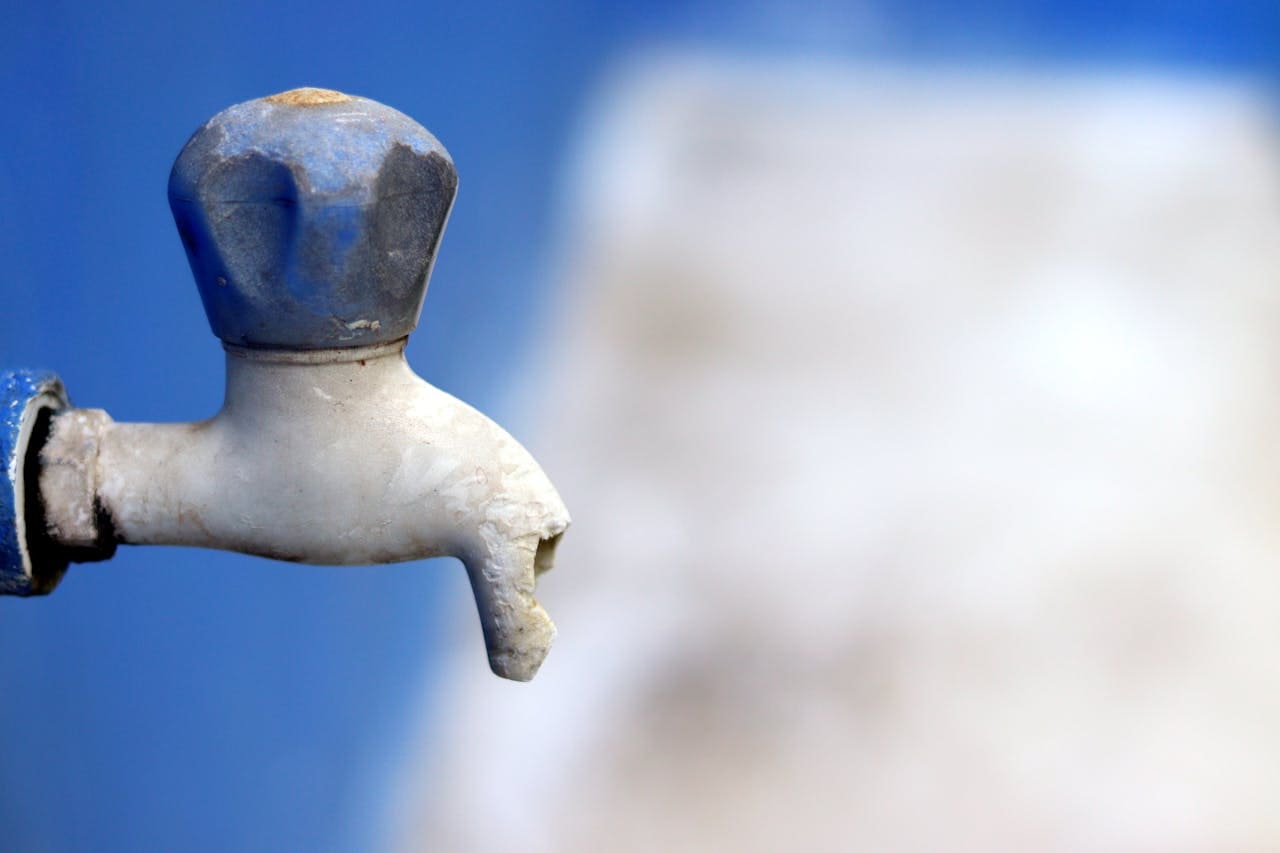
Ever had your morning thrown off by a dripping faucet or a clogged toilet? In places like Beachwood, OH, where routines are tight and schedules are full, it doesn’t take much for a plumbing issue to turn a normal day into a frantic scramble. The truth is, even the smallest plumbing problems have a way of snowballing into much larger disruptions—both practically and emotionally.
Plumbing issues seem like a minor nuisance—until they aren’t.
The Hidden Chaos Behind a Drip
At first glance, a leaky faucet is nothing more than an occasional annoyance. It taps in the background while you brush your teeth, barely making a sound. But that slow, rhythmic drip has a larger impact than you’d expect. It wastes water, certainly, but it also chips away at peace of mind. When it’s 2 a.m. and you’re trying to sleep, that drip becomes an unwanted soundtrack.
Multiply that by millions of homes, and now you’re looking at a national water waste problem. According to the EPA, household leaks waste nearly 1 trillion gallons of water each year. That’s not just bad for your utility bill—it’s a burden on aging water systems already under pressure from climate-related stress. In cities across the country, officials are urging homeowners to report leaks early to ease pressure on public infrastructure.
How One Small Issue Becomes Everyone’s Problem
Let’s say your kitchen sink is draining slower than usual. Annoying, yes—but nothing urgent. You’ll get around to it. Fast forward a few days and you’re standing ankle-deep in water every time you do the dishes. Now it’s not just inconvenient—it’s a health hazard. And when you finally get around to calling a professional, you might be surprised how many others are in the same boat.
Finding a plumber in Beachwood, OH during a cold snap or a holiday rush can be as challenging as booking a last-minute flight. Everyone else with “small” problems is also scrambling for help because they waited just a little too long. What starts as one slow drain turns into a clogged sewer line affecting the whole block. Individual procrastination often snowballs into community-level stress, especially in areas with shared piping systems or aging infrastructure.
Plumbing and the Modern Work-from-Home Life
In the age of remote work, home plumbing problems don’t just disrupt household chores—they derail productivity. Imagine logging into a Zoom call only to be interrupted by the sound of your toilet running endlessly in the background. Or worse, needing to take a break every 20 minutes to mop up a mysterious leak under the sink.
With more Americans working from home than ever before, the pressure for fully functional household systems has intensified. What once might’ve been an after-work chore now competes directly with work hours, video calls, and back-to-back meetings. Suddenly, you’re juggling a work crisis and a plumbing one at the same time—and losing ground on both.
When Plumbing Impacts Your Mental Bandwidth
It’s not just the time you lose—it’s the mental load you carry. A minor leak or a faint gurgle in the pipes adds one more thing to your already long list of to-dos. That low-grade anxiety builds slowly, like water behind a dam, until one day you find yourself unreasonably frustrated by your sink just taking too long to drain.
This emotional toll is often underestimated. The uncertainty of when something will go from manageable to urgent, coupled with the guilt of not having fixed it sooner, creates an undercurrent of stress that can bleed into every corner of your day.
This feeling is exacerbated even further when something eventually goes catastrophically wrong, which can tip you over the edge. This is the reason that people trust an experienced emergency plumber portland to handle their repairs for them – handling the job properly first time can put nerves at ease and lessens the mental bandwidth required to deal with plumbing problems.
The Cost of Delay is Real
Ignoring small plumbing problems isn’t just a matter of inconvenience—it’s often more expensive in the long run. A tiny leak under the bathroom sink could mean hidden water damage, mold growth, and warped cabinetry. What could’ve been a $75 fix becomes a $700 renovation project, complete with drywall replacement and mold remediation.
Plumbers often note that many costly repairs started with someone saying, “It didn’t seem like a big deal.” But by the time water finds its way through flooring or behind walls, you’re looking at more than just pipes. You’re looking at damaged flooring, ruined paint, and health risks—all for something that could’ve been handled early and cheaply.
Instead, it’s a good idea to have an experienced plumbing team, like Ironclad Plumbing Jasper (or elsewhere) on hand to do regular maintenance checks on your system. This can help to spot issues early before they compound and become more serious. Having a good relationship with a plumbing professional can also remove any hesitation from a homeowner to get someone out to their house to look at a problem.
How Plumbing Problems Affect Family Life
When plumbing goes wrong, family routines fall apart. The morning rush to get everyone out the door becomes a logistical nightmare when one bathroom is out of order. Dinner plans are delayed because you can’t rinse vegetables or boil water. Suddenly, everyone is grumpy and short-tempered, and the ripple effect is real.
This kind of domestic disruption affects more than just timing—it impacts relationships. When daily tasks become harder, tempers flare faster. Kids get impatient, partners blame each other, and even pets start to act out. One plumbing issue ends up setting the tone for the whole day—or week.
Tight Budgets, Tight Spaces, Big Problems
In today’s economy, many families are living paycheck to paycheck. That means even affordable repairs get postponed simply because there’s no room in the budget. But delaying doesn’t make the problem disappear—it magnifies it. Low-income households are hit the hardest by plumbing issues because they often live in older homes or rentals with outdated systems and limited landlord support.
Meanwhile, renters may struggle to get quick responses, and homeowners often have to choose between repairs and other essentials. In places where inflation is already shrinking household budgets, a $150 fix might be out of reach—until it becomes a $1,500 emergency.
Society’s Infrastructure Reflects Our Habits
On a larger scale, the way we treat our plumbing mirrors how we treat other infrastructure. We often ignore small issues until they burst into crises. This reactive mindset is visible not just in homes, but in cities dealing with crumbling water mains or overwhelmed sewage systems. What happens at the sink level is just a microcosm of the broader system failing under pressure.
There’s something almost poetic—if slightly depressing—about the way a leaky pipe mimics civic decay. When we wait until things fall apart to act, the cost is always higher, and the stress, always deeper.
Even in the smallest of domestic messes, there’s a lesson about urgency, maintenance, and the hidden costs of delay.
See more home and interiors posts here

Becky is the voice behind Life in Velvet, an organised, intentional living blog focused on practical food, calm homes, thoughtful projects, and everyday systems that make real life feel easier. A mum of 3 living in the UK, Becky writes from lived experience, sharing what works, what doesn’t, and the decisions that make family life run more smoothly.
With a background in marketing and content writing, and over a decade of blogging experience, she brings a thoughtful, structured approach to everything from baking and home projects to routines and decision-making. Life in Velvet is where planning meets creativity, with ideas designed for real homes and real life.