
Water damage starts as one problem but rarely stays that way. What begins as a burst pipe, roof leak, or flooded basement can quickly spiral into a complex web of issues that homeowners never saw coming. The real nightmare isn’t the initial water – it’s everything that happens next when that moisture finds places to hide and starts creating problems that are far more expensive and dangerous than the original damage.
The 24-Hour Window Nobody Talks About
Most people think they have time to deal with water damage. They figure they’ll dry things out over the weekend or wait until Monday to call a professional. Here’s the thing – water doesn’t wait for your schedule. Within 24 hours, that innocent-looking puddle starts a chain reaction that can affect your entire property.
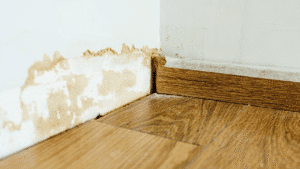
Moisture seeps into places you can’t see. It travels through wall cavities, gets absorbed by insulation, and settles into subflooring. Even if you can’t see standing water anymore, the damage is spreading. Wood starts swelling, drywall begins breaking down, and the conditions become perfect for the real problems to begin.
When Biology Takes Over
The second phase of water damage is where things get seriously expensive. Once moisture levels stay elevated for more than a day or two, biological growth becomes almost inevitable. Mold spores, which are everywhere in the environment, suddenly have the perfect conditions to multiply rapidly.
This isn’t just about a little discoloration on the walls. We’re talking about active contamination that can spread throughout your home’s ventilation system. The spores become airborne, and suddenly you’re dealing with air quality issues that affect every room. Professional mold cleanup and remediation becomes necessary because this isn’t something you can handle with bleach and good intentions.
The problem gets worse because most homeowners don’t realize how fast this progression happens. By the time they notice the musty smell or see visible growth, the contamination has often spread far beyond what’s immediately visible.
The Hidden Structural Damage
While everyone’s focused on what they can see, water is busy destroying the parts of your home that you can’t. Load-bearing wooden structures absorb moisture and begin to weaken. Metal components start corroding. Electrical systems become safety hazards.
Here’s where it gets expensive – this damage often doesn’t show obvious signs until it’s become a major structural issue. That small leak in the upstairs bathroom? It might be slowly rotting the floor joists below. The moisture from that basement flood? It could be compromising your foundation’s integrity.
Insurance adjusters know this, which is why they often push for quick settlements after water damage. They’re hoping you’ll take the money for surface repairs before you discover the real extent of the problem.
The Air Quality Crisis
One aspect of water damage that catches people completely off guard is how it affects the air inside their home. Moisture creates conditions for all kinds of biological contaminants, not just the obvious ones. Bacteria, volatile organic compounds, and other airborne particles can make your home’s air genuinely unhealthy to breathe.
This is particularly dangerous for children, elderly family members, and anyone with respiratory conditions. But even healthy adults can develop symptoms from prolonged exposure to contaminated air. Headaches, fatigue, and respiratory irritation often get attributed to stress or other factors when the real culprit is the compromised air quality from untreated water damage.
The Insurance Nightmare
Most homeowners assume their insurance will cover water damage restoration, but the reality is much more complicated. Insurance companies have gotten very good at finding reasons to limit payouts, especially when the damage extends beyond the immediate water intrusion.
They might cover the cost to remove standing water but balk at paying for comprehensive remediation of contaminated materials. They’ll approve surface repairs but fight coverage for structural work that isn’t immediately visible. The result is that homeowners often end up paying out of pocket for the most critical parts of the restoration process.
Why DIY Solutions Make Things Worse
The internet is full of advice about handling water damage yourself, and most of it will make your situation worse. Renting a few fans and dehumidifiers might dry out the surfaces you can see, but it won’t address the moisture that’s trapped in building materials or ventilation systems.
Worse, inadequate drying creates the perfect conditions for contamination to develop in hidden areas. You might think you’ve solved the problem when you’ve actually just pushed it underground where it can cause more damage over time.
The Real Cost of Waiting
Every day you wait to address water damage properly, the final bill gets bigger. What starts as a relatively straightforward extraction and drying job becomes a complex remediation project involving multiple trades and specialized equipment.
The difference in cost between immediate professional response and waiting even a few days can be thousands of dollars. When you factor in the health risks and potential structural damage, the true cost of waiting becomes even more significant.
Getting Ahead of the Problem
The key to preventing water damage from becoming your worst nightmare is understanding that time is your enemy. Quick action with proper professional equipment and expertise can stop the progression before it reaches the expensive and dangerous stages.
This means having a plan before disaster strikes, knowing who to call, and understanding that water damage restoration isn’t just about removing water – it’s about preventing all the secondary problems that can destroy your home and threaten your family’s health. The nightmare scenarios are preventable, but only with immediate, comprehensive action that addresses both the visible damage and the hidden threats that water damage always creates.
See more of my home and DIY-related posts, for more tips on house related jobs and issues that can occur!

Becky is the voice behind Life in Velvet, an organised, intentional living blog focused on practical food, calm homes, thoughtful projects, and everyday systems that make real life feel easier. A mum of 3 living in the UK, Becky writes from lived experience, sharing what works, what doesn’t, and the decisions that make family life run more smoothly.
With a background in marketing and content writing, and over a decade of blogging experience, she brings a thoughtful, structured approach to everything from baking and home projects to routines and decision-making. Life in Velvet is where planning meets creativity, with ideas designed for real homes and real life.