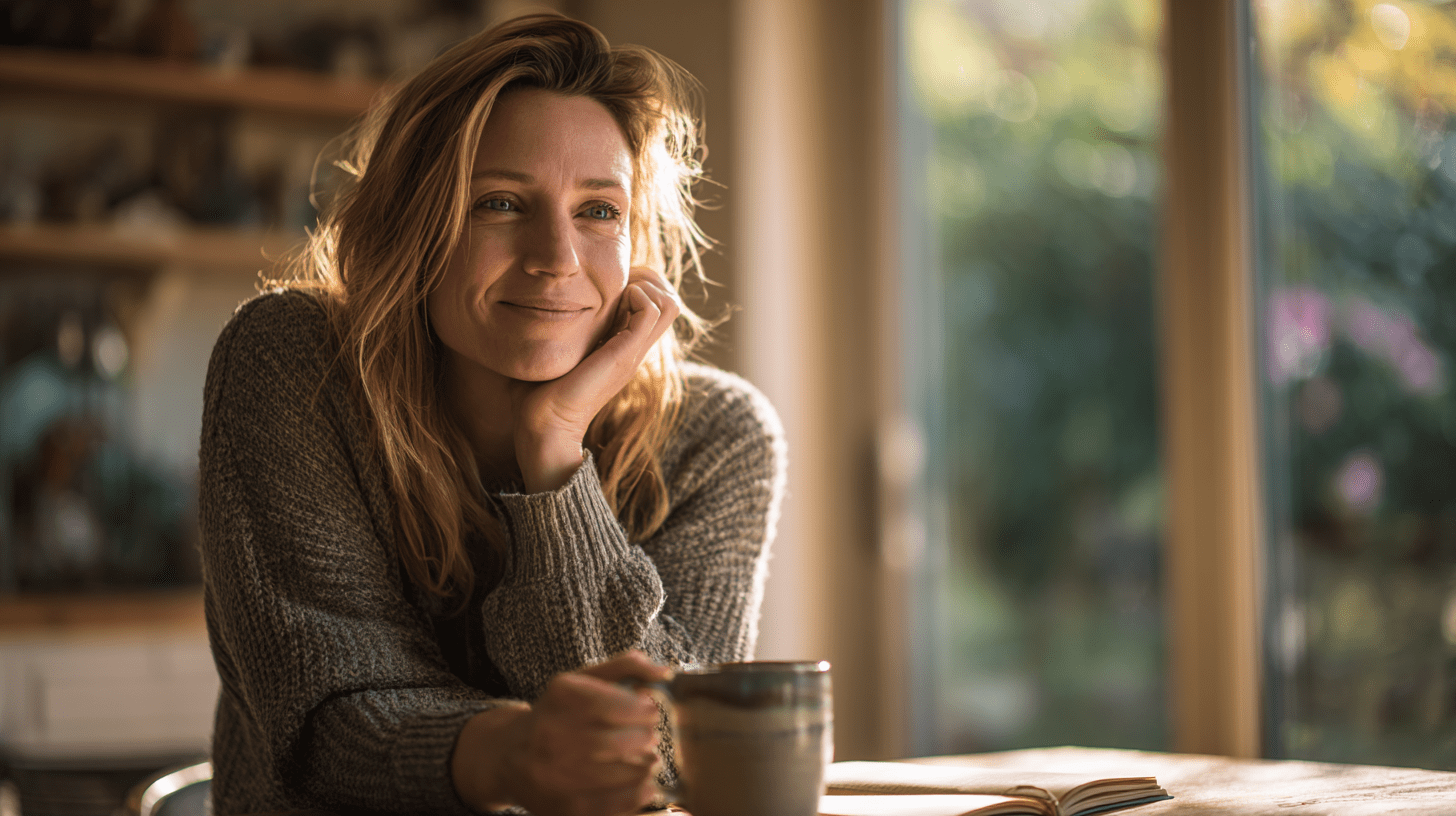
I want to be honest with you about “that girl” before we go any further: most of what you see on TikTok isn’t real life, and a surprising amount of the advice recycled across the internet is quietly aimed at people with no children, no commute, and unlimited free time. That said, the actual idea underneath all the aesthetics is worth something. Being “that girl” at its core just means being more intentional about your own life. And that’s absolutely achievable, even when your life is already full.
I’ve got three kids, a house that regularly looks like someone tipped it upside down, and a work schedule that doesn’t exactly lend itself to two-hour morning routines. I’m also, genuinely, the most together I’ve ever felt. Not because I’m drinking green smoothies at 5am, but because I got deliberate about the things that actually move the needle. This post is about those things.
If you came here hoping I’d validate a complete life overhaul, I’m probably not your person. But if you want the version of “that girl” that actually sticks once the TikTok dopamine wears off, let’s talk.
What “That Girl” Actually Means (Versus What It Looks Like Online)
The trend started around 2021 and has mutated into about fifteen different aesthetics since then. Clean girl, it girl, quiet luxury, soft life, the whole lot. They share the same underlying idea: a woman who has her life together, takes care of herself, and moves through her days with intention rather than chaos.
That part I like. The version I don’t like is the one that requires a specific body type, a fridge full of expensive ingredients, a gym membership you use daily, and an uncluttered flat with good lighting. That version isn’t a lifestyle. It’s a content format.
Here’s the distinction that changed things for me. The feeling people are chasing when they watch those videos isn’t “I want to be thin and aesthetically pleasing.” It’s “I want to feel like my own life is working.” Those are very different things, and only one of them is actually within reach for most of us.
The Morning Routine Question (Honest Answer)
Nearly every “that girl” guide you’ll read puts the morning routine first. Wake up early, journal, work out, meditate, make a nourishing breakfast, get ready slowly. It sounds wonderful. It also requires approximately three hours of quiet before anyone else wakes up, which is a luxury, not a strategy.
What I’d tell you instead is this: the quality of your morning is almost entirely determined by what happened the evening before.
If you go to bed with a messy kitchen, no idea what you’re wearing tomorrow, and a mental list of twenty undone things spinning around your head, your morning’s going to feel chaotic before you’ve even got out of bed. If you go to bed with the basics sorted, it doesn’t.
This is less exciting than a six-step morning ritual but it’s far more effective for most people. The actual practical version looks like: a 10-minute tidy before bed, tomorrow’s essentials laid out, and one small thing ready that’s just for you in the morning. For me that’s a clean kitchen and a decent coffee waiting to happen. For you it might be something else. The point is that you decide in advance rather than just surviving.
If you want to start somewhere, start there. Everything else can follow.
The Habit That Makes Everything Else Easier
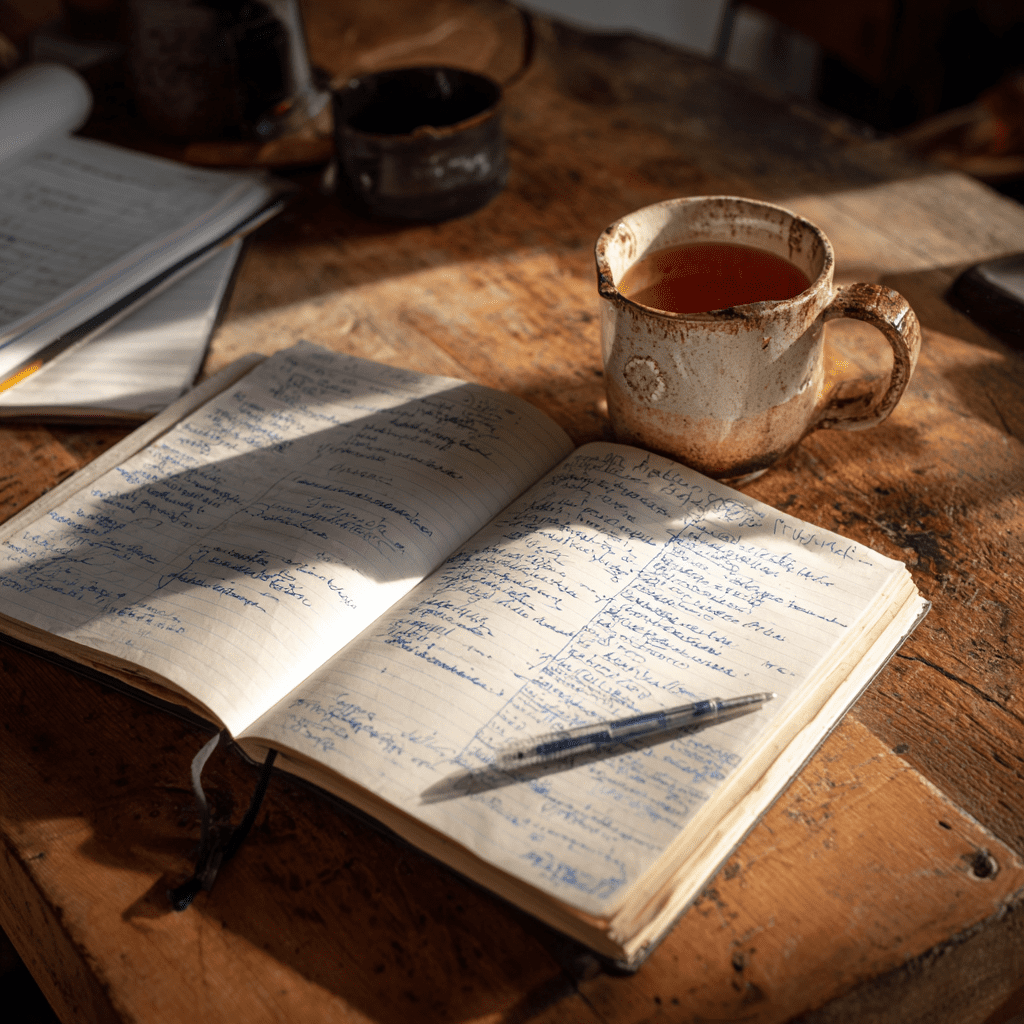
I’ve tried a lot of things over the years in the name of self-improvement. The one that’s consistently made the biggest difference to how my days feel isn’t a morning routine or a gym habit or a skincare routine. It’s writing things down.
Not journaling in any elaborate sense. Just getting the stuff out of my head and onto paper so my brain isn’t spending all day trying to hold it. A list of what actually needs doing today. A note about the thing I can’t forget this week. A brain dump before bed if I’m feeling overwhelmed.
The cognitive load of a busy life is real and it’s exhausting, and most lifestyle content completely ignores it. Nobody’s going to feel like their life is upscaled when they’re mentally carrying seventeen open loops at once. Getting things out of your head and into a system, any system, reliably makes everything feel more manageable.
This is also, incidentally, why the “that girl” home looks calm in the videos. It’s not the lighting. It’s that organised spaces reduce decision fatigue, and reduced decision fatigue makes you feel more in control of your life. The organised fridge isn’t an aesthetic choice. It’s a friction reduction strategy.
The Things Most “That Girl” Guides Get Wrong
There are a few bits of advice that appear in virtually every post on this topic that I think are either useless or actively misleading.
The vision board thing. I understand the appeal and I’m not saying it has no value. But deciding what you want your life to look like and then making a collage of it isn’t the hard part. The hard part is the unsexy daily choices. If vision boards genuinely help you stay connected to your goals, brilliant. But a lot of people make them, feel great for a day, and then nothing changes because nothing concrete changed.
The “just eat intuitively” advice. This isn’t bad advice in itself but it’s genuinely unhelpful if you’re not already in a fairly stable relationship with food and hunger signals. It also completely ignores the reality of feeding a family, cooking on a budget, being tired, and not wanting to make a decision about lunch at noon when you’ve already made forty decisions before midday. Having some structure around food isn’t a failure of intuition. It’s just sensible.
The “invest in yourself” framing, which almost always immediately pivots to buying something. A planner, a course, a supplement, a journal. I’m not against buying things that genuinely help. But the implication that you need to spend money to take your life seriously is worth pushing back on. Most of the genuinely impactful changes are free.
And the early morning thing, already covered above, but worth repeating: waking up at 5am doesn’t make you “that girl.” Having some structure and intention in your mornings does. They’re not the same thing.
What Actually Upscales Your Life (In Practice)
The things that’ve made the most consistent difference to how my life feels, in rough order of impact:
Sleep. I know, I know, it’s the boring one. But being properly rested changes everything, including your food choices, your patience, your motivation, and your ability to cope with the general noise of a full life. The NHS recommends 7 to 9 hours for adults and I used to think that was aspirational. It isn’t. It’s just a thing that needs to be prioritised.
Moving your body in a way you’ll actually do. Not a way that looks good on Instagram. The research is consistent that any regular movement is dramatically better than occasional intense exercise. A 20-minute walk at lunch counts. A stretch before bed counts. You don’t need a gym or a matching set.
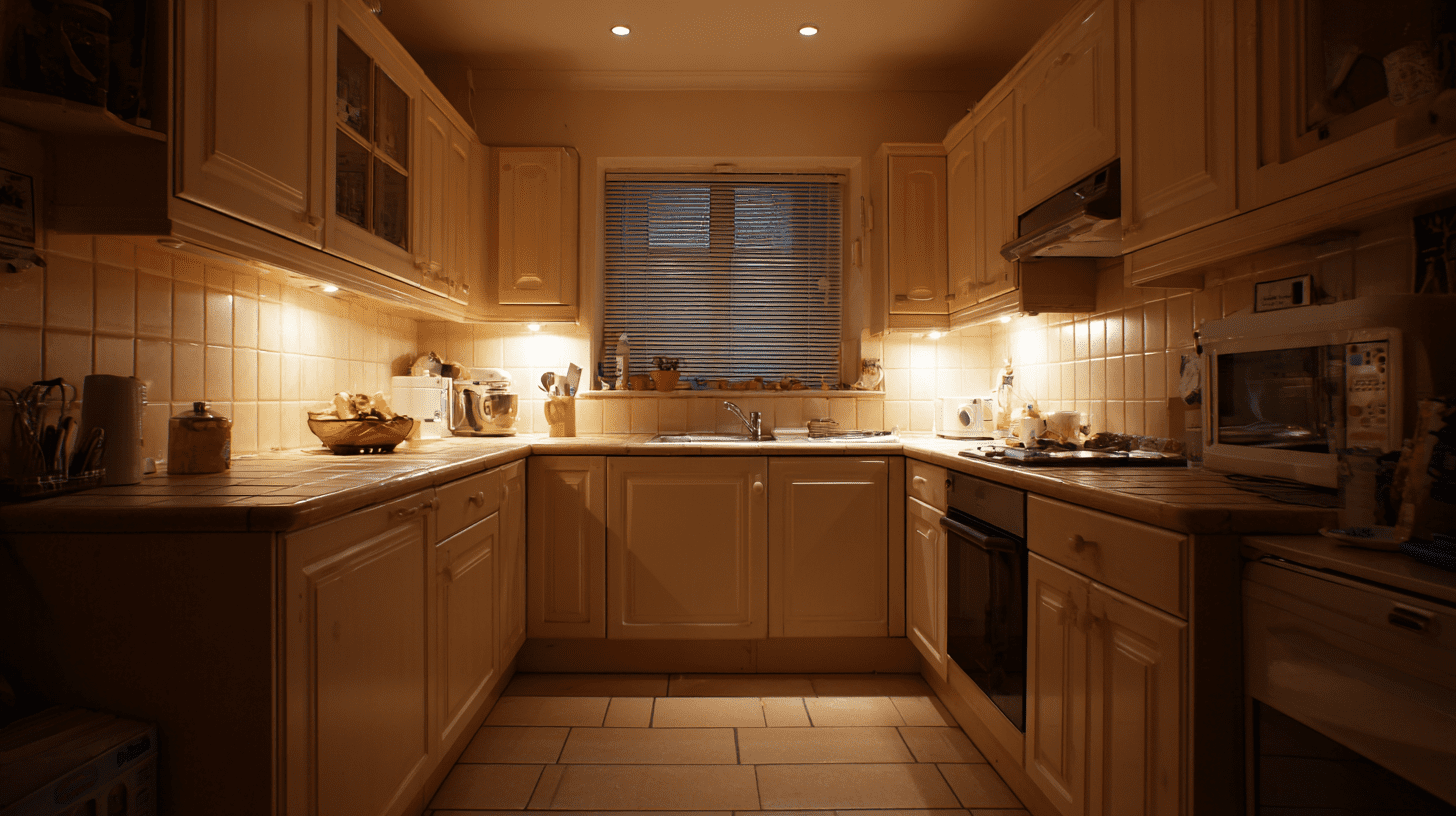
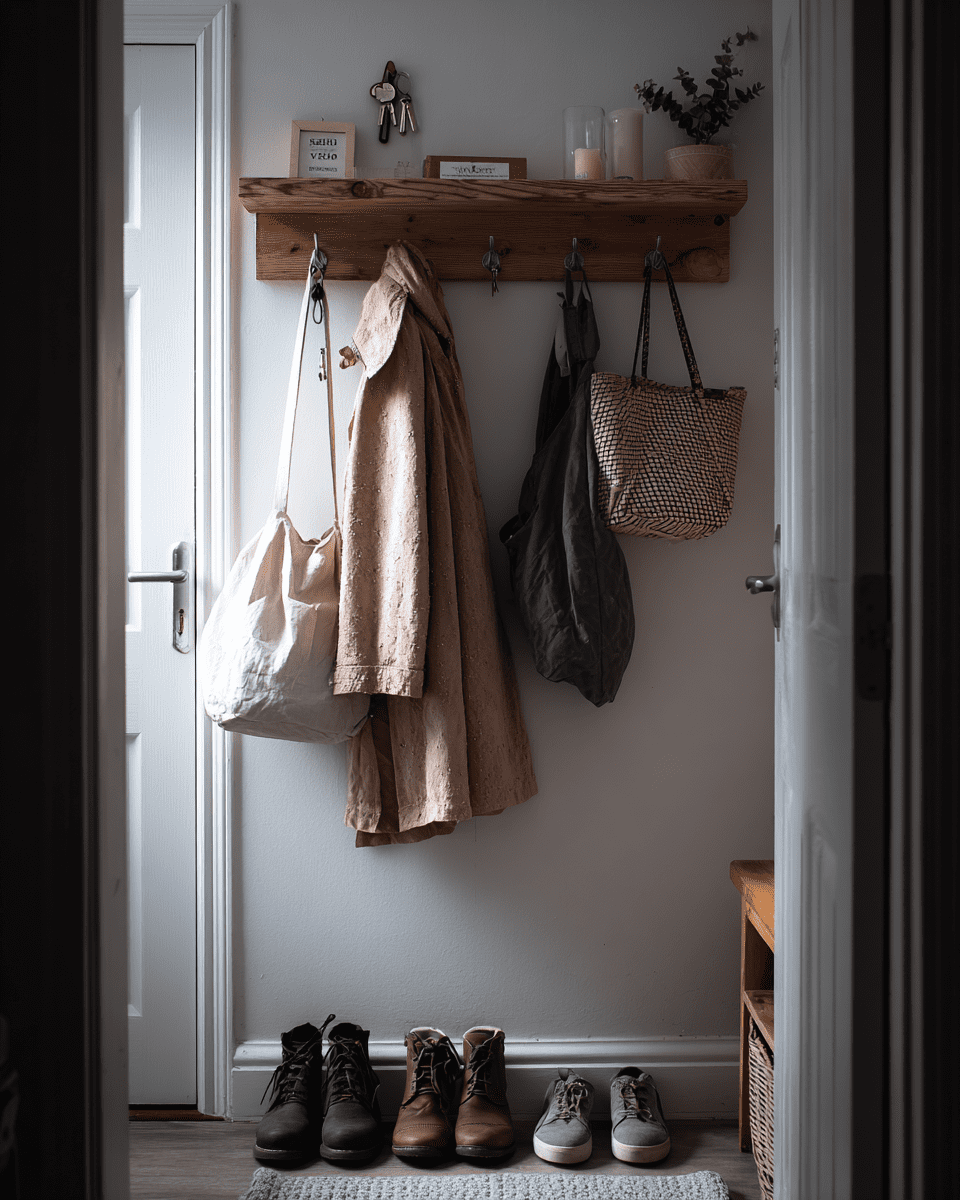
Getting on top of your home environment. Not tidying it to perfection, but having enough system that it’s not fighting you every day. A place for your keys and bags. A rough reset routine. Knowing where things are. This sounds mundane but the mental load of a chaotic home is significant and most people don’t fully realise how much energy it’s quietly consuming.
Protecting your attention. This is the one I wish someone had told me about ten years ago. Your attention is the thing everything in your life is competing for, and the degree to which you get to direct it intentionally makes an enormous difference to how your days feel. Not in a “delete all your apps” way. Just in a “be a bit more deliberate about what you give your focus to” way.
Drinking enough water. I’m including this because it genuinely keeps proving itself. The difference between well-hydrated and not-quite-hydrated is more significant than it should be. A glass of water first thing in the morning is a habit so small it almost feels silly, but it consistently makes a difference.
The Part Nobody Mentions: It’s Also Okay to Do Less
The “that girl” trend has a maximalist streak that I find quietly stressful. There’s always more to add. Another habit, another routine, another thing to optimise. And while I understand the appeal of self-improvement as a project, I think there’s something worth saying about the fact that a calmer, more intentional life sometimes means doing fewer things, not more.
Saying no to the thing you don’t want to do is an upscale. Cancelling the commitment that was already draining you is an upscale. Choosing to sit and read rather than scroll and feel vaguely terrible is an upscale. None of those things make for good content, which is probably why they don’t appear in the guides.
But they matter. A life that feels good to live isn’t just a life with better morning routines. It’s a life with fewer things in it that you resent.
A Practical Starting Point If You Don’t Know Where to Begin
Pick the one area of your life that causes you the most daily friction. Not the most aspirational one. The most annoying one. The thing that, if it worked better, would take a small amount of weight off your shoulders every single day.
For some people that’s the mornings. For others it’s the state of the kitchen. For others it’s always feeling behind on admin, or never having anything decent to eat in the house. Start there. Just there. Make that one thing work before you add anything else.
It’s the most unsexy possible version of the “that girl” journey but it’s also the most honest one. The people who actually end up with lives that feel calmer and more together didn’t get there by implementing everything at once. They got there by fixing one thing, letting it become normal, and then fixing the next thing.
That’s really all it is.
FAQs
Do you have to wake up early to be “that girl”?
No. The early morning thing is persistent in the content but it’s not the actual point. What matters is having a morning that doesn’t immediately put you on the back foot. For some people that means waking up before the house does. For others it’s an extra ten minutes of quiet before checking their phone. The time you wake up is much less important than what you do with the time you have.
Can you actually do this if you have kids?
Yes, and honestly I think the “that girl” content aimed at women without children is missing a significant audience. The principles are the same. If anything, reducing cognitive load and having functional home systems matters more when you’re managing multiple people’s lives simultaneously. The specifics look different but the goal’s the same: fewer moments of chaos, more moments of feeling like you’re actually in charge of your own days.
Is “that girl” just another way of pushing unrealistic standards onto women?
It can be, depending on how it’s framed. The aesthetic version definitely has a thinness and class privilege problem that’s worth acknowledging. But the underlying idea of being more intentional about your health, your environment, and your time is genuinely useful and isn’t tied to a body type or an income bracket. The trick is separating the substance from the packaging.
What’s the single most impactful change you can make?
Honestly, sleep. Everything’s harder when you’re chronically tired and most people in busy lives are running on less sleep than they need. Better sleep tends to improve food choices, mood, patience, and motivation, which in turn makes every other habit easier to maintain. It’s not glamorous but it’s foundational in a way that nothing else really is.
How do you stay consistent without burning out?
Do less than you think you should, at least at first. The usual pattern is to start with too many changes at once, which is exciting for about a week before it becomes exhausting and everything quietly falls apart. One change at a time, genuinely embedded before you add another, is slower but it actually works. The goal is habits that run in the background without requiring enormous willpower, not a self-improvement sprint you can’t sustain.
If any of this landed, the most useful next step is genuinely just picking one thing. Not a list of things. One thing. Give it a few weeks. Notice whether it makes a difference. Then decide what to add next.
See more Type A Life Systems, including Routines and more posts on creating a Home that Works and on Organised Mindsets

Becky is the voice behind Life in Velvet, an organised, intentional living blog focused on practical food, calm homes, thoughtful projects, and everyday systems that make real life feel easier. A mum of 3 living in the UK, Becky writes from lived experience, sharing what works, what doesn’t, and the decisions that make family life run more smoothly.
With a background in marketing and content writing, and over a decade of blogging experience, she brings a thoughtful, structured approach to everything from baking and home projects to routines and decision-making. Life in Velvet is where planning meets creativity, with ideas designed for real homes and real life.