
Key Takeaways
- Becoming organised is a learnable skill, not an innate personality trait you either have or don’t have
- Organisation isn’t about perfection or keeping everything pristine; it’s about reducing mental load and making daily life run more smoothly
- The shift requires both practical systems and a mindset change about what organisation actually means
- Small, consistent habits matter more than massive overhauls that you can’t maintain
- Your organisational approach needs to fit your actual life, not an idealised version of how you think you should live
At a Glance
Best for: Anyone tired of feeling scattered and wants practical ways to create calmer routines
Not ideal for: People seeking quick fixes or perfect Instagram-worthy organisation
Time needed: 3-6 months to build lasting habits (be realistic about this)
Difficulty level: Moderate (requires consistency but not complicated)
What you need: A willingness to experiment and adjust systems until they work
Biggest mistake to avoid: Trying to implement every organisational tip at once instead of starting small
Quick tip: Focus on creating homes for items you use daily first
My honest take: It’s less glamorous than organisational content suggests, but the mental clarity is worth it
Introduction: What Being Organised Actually Means
Let me be honest with you. If you’ve clicked on this article hoping for a magic formula that transforms you into someone who colour codes their spice rack and has a perfectly tidy home by teatime every day, I’m going to disappoint you. That’s not what real organisation looks like for most people living actual lives!
I’m writing this for the person who feels perpetually one step behind. The one who spends half their morning looking for keys, can’t find that important letter when they need it, and feels like their home is constantly in a state of controlled chaos. The person who looks at naturally organised people and wonders what they’re doing wrong.
Here’s what I’ve learned: those seemingly effortless organised people aren’t operating on some different plane of existence. They’ve simply built systems that work for them, and they’ve made peace with the fact that organisation is ongoing maintenance, not a destination you reach and then you’re done.
This guide is different from the countless “10 habits of organised people” articles because it addresses the uncomfortable truth: changing how you operate takes time, involves setbacks, and requires you to be realistic about your actual life rather than the one you wish you had.
But it is genuinely possible, and the reduction in daily stress makes it worthwhile!

Understanding What You’re Really After
Before we get into the practical steps, you need to understand something crucial. There’s a difference between surface organisation (things that look tidy) and functional organisation (life that runs smoothly). You can have a perfectly styled bookshelf whilst still missing appointments and losing important documents. Conversely, you can have a lived-in home that doesn’t look magazine-perfect but where you know exactly where everything is and your days run without constant friction.
Most people actually want functional organisation but get distracted by surface organisation because that’s what looks good in photos. Figure out which matters more to you. I’d argue functional organisation is far more valuable for reducing stress and mental load, even if it’s less photogenic.
The Mindset Shift Required
The biggest barrier to becoming more organised isn’t lack of storage containers or the wrong planner. It’s the stories you tell yourself. If you’ve spent years thinking “I’m just not an organised person,” that belief becomes self-fulfilling. Every time you lose your keys or forget an appointment, it confirms what you already believe about yourself.
Organised people aren’t born different. They’ve simply developed habits over time until those habits became automatic. The same way you once had to think about every step of making a cup of tea and now you do it without conscious thought, organisation becomes easier with repetition.
But here’s the uncomfortable bit: during the transition period, it feels harder before it feels easier. You’re breaking old patterns whilst building new ones, and your brain will resist this. Knowing this in advance helps you push through the awkward middle phase instead of giving up.
Common Mistakes That Keep You Stuck
Let me save you some time by addressing what doesn’t work, because I’ve tried most of it.
Buying organisational products before creating systems. That beautiful storage basket won’t help if you haven’t decided what actually goes in it or where it lives. Products support systems; they don’t replace them.
Attempting a complete life overhaul in one weekend. You’ll exhaust yourself, create chaos, and probably give up within a week when you can’t maintain it. Sustainable change happens incrementally.
Copying someone else’s system without adapting it. What works for a minimalist living alone won’t work for a family of five. What works for someone who’s home all day won’t work if you’re out from 7am to 7pm. Personalisation matters.
Focusing only on decluttering without building maintenance habits. You can clear out your entire home, but if you don’t develop habits for managing incoming items and daily tidying, you’ll be back where you started within months.
Waiting until you “feel motivated” to start. Motivation follows action, not the other way around. You build the habit first, then it starts to feel natural.
The Foundation: Creating Homes for Everything
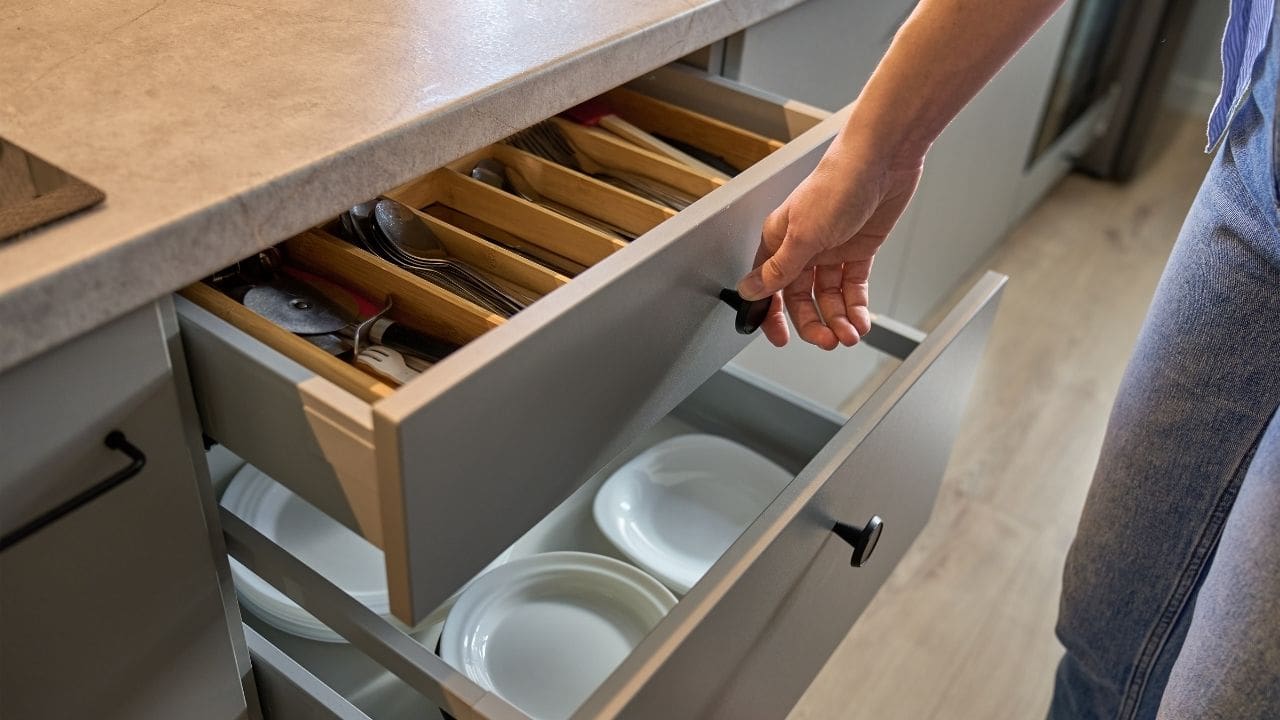
This sounds simplistic, but it’s genuinely the most important principle. If items don’t have designated places, they drift around your home, creating visual clutter and mental load. Every time you use something, you make a micro-decision about where to put it down, and those decisions drain your energy.
Start with items you use daily. Keys, bags, post, shoes, phone charger, everyday medication. Where do these currently end up? Probably scattered across various surfaces. Decide on a specific home for each one, ideally close to where you actually use them (not where you think you should use them in an ideal world).
For us, keys live on hooks by the front door because that’s where we come in. Phone chargers live on bedside tables because that’s where we charge overnight. The medication lives in a kitchen cupboard because that’s where we take it. Simple, functional, based on our actual movements through the house.
Once you’ve designated homes, you need to consistently return items to those homes. This is where the habit-building comes in. In the beginning, you’ll need to consciously remind yourself. After a few weeks, it becomes automatic. Your hand reaches for the hook before your brain even registers you’re doing it.
Dealing with Homeless Items
You’ll inevitably have things that don’t fit into obvious categories. These need homes too. Create a system for processing them. I have a small basket near where I sort post for items that need decisions: things to file, forms to complete, items to return to their actual rooms. This basket gets emptied every Sunday evening. It’s not perfect, but it prevents the endless pile on the kitchen counter.
Building Sustainable Daily Habits
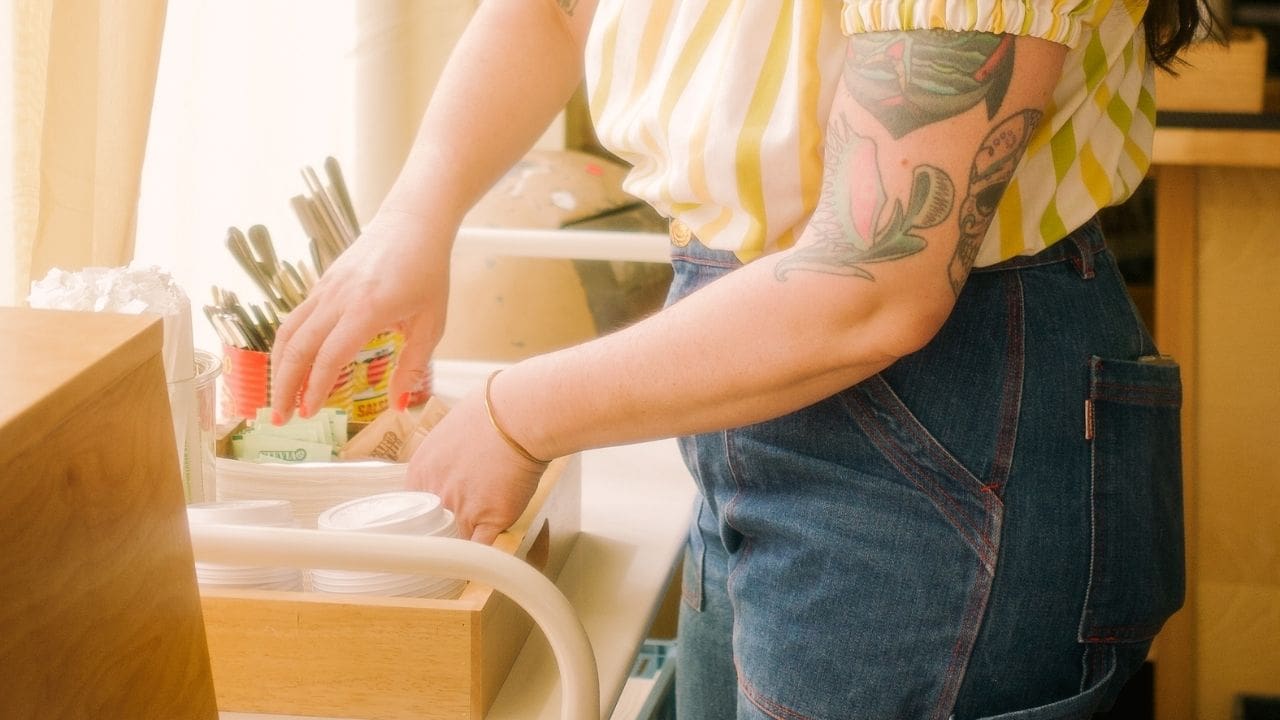
Right, let’s talk about the actual habits that make a difference. But remember: you’re implementing these gradually, not all at once.
Morning Reset (10 Minutes)
This isn’t about making your home pristine. It’s about starting the day without yesterday’s mess greeting you. Whilst the kettle boils, I do a quick circuit: make the bed (takes 90 seconds), put yesterday’s mugs in the dishwasher, return items to their rooms. The house isn’t perfect, but the main living spaces are functional.
Making the bed specifically matters because it’s a small accomplishment first thing that sets the tone. It also prevents the bed becoming a dumping ground during the day.
Evening Tidying (15 Minutes)
This is non-negotiable for maintaining organisation. Before bed, spend 15 minutes resetting your main living spaces. Return items to their homes, sort tomorrow’s belongings, clear kitchen surfaces. The goal isn’t perfection; it’s waking up to a functional space rather than yesterday’s chaos.
I know you’re tired. I know there are evenings you’d rather collapse on the sofa. Do it anyway. Your morning self will thank you, and it prevents small messes becoming overwhelming chaos.
Weekly Planning Session (30 Minutes)
Sunday evening works for most people, but choose whatever day suits your schedule. Review the week ahead, check everyone’s commitments, plan meals, write a shopping list, handle any admin tasks. This prevents the Sunday night panic about what’s happening tomorrow or realising you’ve got nothing for dinner on Tuesday.
This habit alone reduces stress more than almost anything else. You’re moving from reactive (dealing with things as they hit you) to proactive (preparing for what’s coming).
Creating Functional Systems
Systems are the backbone of organisation. They’re the frameworks that handle recurring tasks without you needing to think about them every time.
Post and Paperwork
This causes chaos for so many people. Here’s a system that actually works: handle post immediately when you bring it in. Recycle junk mail before it enters your home properly. Put bills and important documents in a designated tray for weekly processing. File or bin items after you’ve dealt with them.
I process paperwork every Sunday during my weekly planning session. Everything in the tray gets handled: bills paid, forms completed, documents filed. The tray starts empty again for the next week.
Meal Planning and Shopping
This deserves its own system because it affects daily life significantly. Every Sunday, I plan the week’s main meals (not every meal, just dinners), write a detailed shopping list organised by shop section, and do one main shop. This prevents daily “what’s for dinner” stress and multiple rushed shopping trips.
The meal plan lives on the fridge where everyone can see it. If plans change, we adjust. It’s a framework, not a rigid rule. But having that framework means dinner happens without daily decision fatigue.
Laundry Routine
Laundry never ends, so you need a system that prevents overwhelming piles. Some people prefer doing one load daily. Others batch it on specific days. Find what suits your household size and schedule.
Mine: washing goes on Monday, Wednesday, Friday mornings. It gets dried and put away the same day (crucial – wet washing sitting in the machine or dry washing in baskets defeats the purpose). Bedding gets done Saturday mornings. This rhythm means we never run out of clean clothes but I’m not constantly doing laundry.
Quick Wins for Immediate Impact
Sometimes you need quick improvements whilst building longer-term habits. These give you immediate relief:
Implement a “one touch” rule. When you pick something up, don’t put it down until it’s in its actual home. No intermediate surfaces. This alone reduces clutter significantly.
Create a launch pad by your door. Everything you need to leave the house lives here: keys, bags, shoes, coats. You’re not hunting for items when you’re already late.
Set phone reminders for recurring tasks. Weekly bin reminder, monthly bill payments, regular medication. Outsource your memory for routine tasks.
Use timers for tedious tasks. Set a 10-minute timer and see how much you can reset. Makes tasks feel less endless and often you’ll keep going after the timer ends because you’ve built momentum.
Process your bag daily. Empty receipts, remove rubbish, return items to their homes, prepare for tomorrow. Prevents your bag becoming a mysterious black hole.

Myth vs Reality
Let me clear up some common misconceptions that might be holding you back:
Myth: Organised people never have messy homes.
Reality: Organised people have functional systems for resetting mess. Their homes get messy too; they just have routines for dealing with it.
Myth: You need lots of storage solutions and organisational products.
Reality: You need appropriate homes for items and the discipline to use those homes. Fancy containers are optional.
Myth: Organisation happens in a big decluttering session.
Reality: Organisation is ongoing maintenance. One big session can jumpstart things, but without daily habits, you’ll be back to chaos within weeks.
Myth: Being organised means being rigid and having no spontaneity.
Reality: Good systems create freedom for spontaneity because the basics run automatically. You’re not constantly managing chaos, which frees up mental space and time.
Myth: You either have the organised gene or you don’t.
Reality: Organisation is a learned skill built through consistent habits. Anyone can develop it with practice.
When Systems Break Down
Because they will. Life happens. Illness, house guests, busy work periods, school holidays. Your carefully built routines will face disruption. This is normal and doesn’t mean you’ve failed.
The key is having a reset protocol. When things slip, acknowledge it without judgment, then implement a quick reset day. One focused few hours can get you back to functional even if not perfect.
My reset protocol: pick one day (usually Sunday), spend 2-3 hours doing a thorough tidy and sort, get laundry caught up, process any accumulated paperwork, do a proper shop and meal plan. This gets core systems running again so daily habits can resume.
Don’t aim for perfection during chaotic periods. Aim for “good enough to function.” Lower standards temporarily whilst maintaining critical basics like clean clothes and food in the house.
Adapting Systems to Your Life
This is crucial. Your systems must fit your actual circumstances, not an idealised version of your life.
If you work full-time outside the home: Front-load preparation. Sunday batch cooking, evening routine that prepares for the next day, weekend focus on resets. Accept that weekday tidying will be minimal.
If you have young children: Lower your standards, involve them in appropriate tasks, accept mess during waking hours but maintain evening resets. Your organisation looks different from someone with older children or no children.
If you live alone: You have simpler systems but must be self-motivated. Create accountability through routines rather than relying on others.
If you share space with others: Communication about systems is essential. Everyone needs to know where things live and agree to the basic routines, even if execution isn’t perfect.
If you have limited mobility or energy: Minimise items you own, arrange storage for easy access, batch tasks to preserve energy, ask for help with physical aspects. Organisation reduces energy spent hunting for items.
Maintaining Long-Term
Organisation isn’t a project you complete. It’s ongoing practice, like brushing your teeth or doing laundry. Once you accept this, it becomes less daunting.
Build in regular review points. Monthly, assess what’s working and what isn’t. Adjust systems that have stopped serving you. Declutter items that have accumulated. This prevents systems becoming outdated or overwhelming.
Seasonal deep resets help too. Twice yearly, tackle bigger organisational projects: reorganising cupboards, clearing out wardrobes, reviewing stored items. This maintains the baseline so daily habits remain manageable.
Remember that life changes require system changes. New baby, different job, children starting school, house move. When circumstances shift, your organisational approach may need adjusting. That’s fine. Adapt rather than trying to force systems that no longer fit.

What to Do Today
Feeling overwhelmed? Start here:
Choose one area causing daily stress. Just one. Keys constantly lost? Create a hook by the door and commit to using it for one week. Bills piling up? Set up a weekly processing time and a designated tray.
Implement one daily habit. Morning bed-making or evening 15-minute tidy. Master that single habit before adding another.
Write down three items you use daily that don’t have consistent homes. Decide where they should live and spend this week building the muscle memory of returning them there.
That’s it. Don’t reorganise your entire home. Don’t buy loads of storage containers. Don’t create elaborate systems. Pick one small change and make it consistent.
Common Questions About Becoming Organised
How long does it actually take to become an organised person?
Honestly? Several months to build solid habits, potentially longer depending on how far you’re starting from and how complex your household is. Individual habits take about 3 to 4 weeks to feel automatic, but building a full suite of organisational routines is a 3 to 6 month process. Don’t let this discourage you though. You’ll see improvements within weeks; it just takes longer for organisation to feel truly effortless rather than something you’re consciously working at.
Do I need to declutter everything before getting organised?
Not necessarily. Massive decluttering can help by reducing the volume of items you’re managing, but it’s not prerequisite for building organisational systems. Sometimes it’s actually easier to develop habits for managing your current possessions, then declutter gradually as you notice what you’re not actually using. That said, if clutter is genuinely overwhelming, a focused decluttering session can provide psychological relief and make systems easier to implement.
What if I share my home with people who aren’t organised?
This is genuinely challenging. You can’t force others to change, but you can create systems that make organisation the path of least resistance. Clear homes for items, visible routines, and gentle consistency often bring people along gradually. Focus on shared spaces and critical daily items first. Communicate about why systems matter to you. Accept that you may maintain higher standards in your personal spaces whilst being flexible about shared areas. It’s not perfect, but it’s progress.
Why do my organisational efforts never stick?
Usually because you’re trying to change too much at once, copying systems that don’t fit your life, or expecting perfection rather than progress. Sustainable organisation builds gradually through small, consistent habits. Review what’s actually stopped working. Were the systems too complicated? Did they not fit your actual routines? Start smaller and more realistic. One solid habit that sticks beats five ambitious systems that collapse within weeks.
Is it possible to be organised with young children?
Yes, but it looks different from child-free organisation. Lower your standards for tidiness during waking hours, involve children in appropriate tasks, accept mess as part of family life. Focus on functional organisation (finding items, managing schedules, keeping essentials running) rather than surface perfection. Create evening resets when children are in bed. Use simplified systems that work even when life is chaotic. Remember that this season is temporary; your capacity for organisation will increase as children become more independent.
What organisational tools or products do I actually need?
Far fewer than organisational content suggests. Start with what you already have. The only essentials are: somewhere to write things down (physical planner, phone notes, whatever you’ll actually use), homes for items (which might be existing drawers and shelves), and possibly a few basic storage containers. Resist buying loads of organisational products until you’ve established what systems you need. Products should support existing habits, not create them.
Final Thoughts
Becoming an organised person isn’t about transformation into someone completely different. It’s about building systems and habits that reduce daily friction and mental load. It’s choosing to consistently do small maintenance tasks so they don’t become overwhelming chaos.
It won’t happen overnight. There will be setbacks and days when everything falls apart. That’s normal. The difference between someone who’s organised and someone who isn’t isn’t perfection; it’s having systems to reset when things slip and the discipline to use them.
Start small. Be patient with yourself. Adjust systems until they fit your actual life. Accept that organised enough to function peacefully beats perfectly organised but unsustainable.
The goal isn’t living in a show home or colour-coding your sock drawer (unless that genuinely brings you joy). The goal is reducing the mental load of constantly managing chaos, knowing where to find things when you need them, and having routines that support rather than drain you.
You can absolutely become more organised. It just requires consistency, realistic expectations, and systems built for your actual life rather than someone else’s. And honestly? The mental clarity when your daily basics run smoothly is worth every bit of effort getting there!
See more Type A Life Systems, including Routines and more posts on creating a Home that Works and on Organised Mindsets

Becky is the voice behind Life in Velvet, an organised, intentional living blog focused on practical food, calm homes, thoughtful projects, and everyday systems that make real life feel easier. A mum of 3 living in the UK, Becky writes from lived experience, sharing what works, what doesn’t, and the decisions that make family life run more smoothly.
With a background in marketing and content writing, and over a decade of blogging experience, she brings a thoughtful, structured approach to everything from baking and home projects to routines and decision-making. Life in Velvet is where planning meets creativity, with ideas designed for real homes and real life.