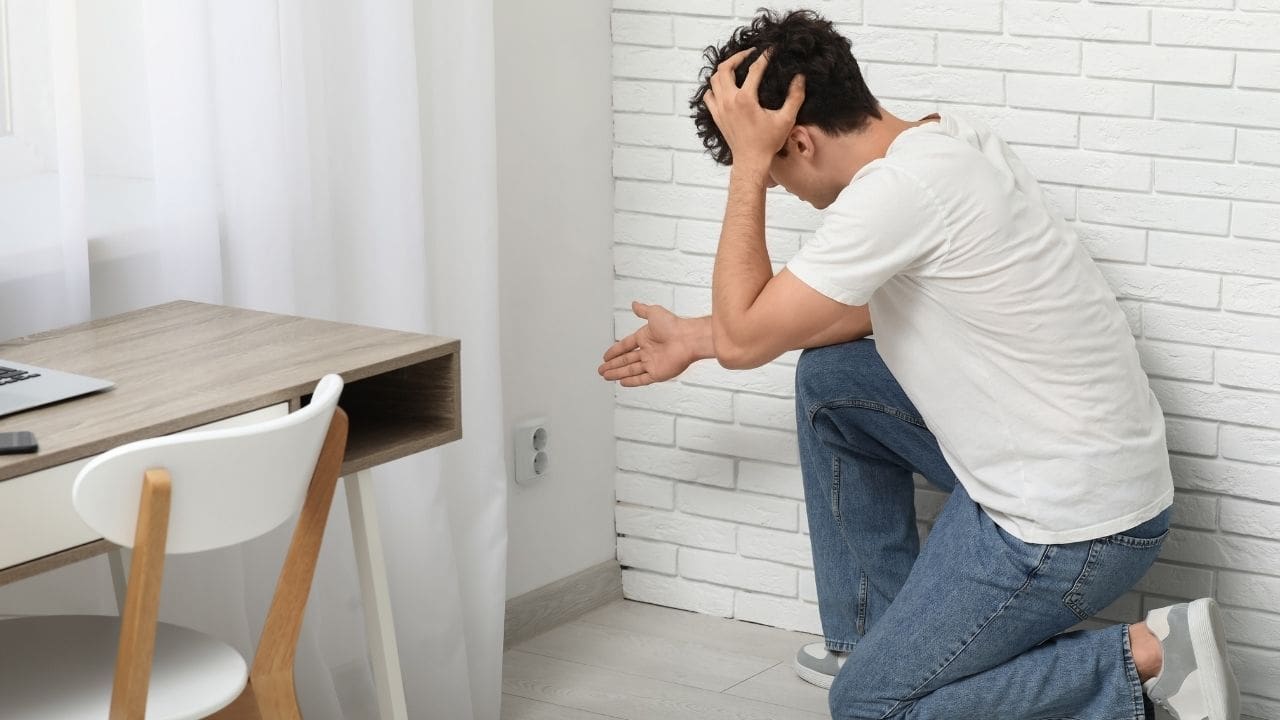
Following a big leak, the primary concern for most people is the damage that is visible – standing water, wet carpet, and soaked possessions. It’s a common belief that simply soaking up the water and using some fans is enough to repair the damage. Unfortunately, this is not the case and the water that you mop up is rarely the cause of the serious damage – it is the moisture left behind in your floors, walls, and ceilings that you can’t see.
Professional moisture detection is not an optional extra when it comes to home flood damage repair and restoration. It is a necessary step if you want to be sure that you’ve successfully solved the real problem.
Water doesn’t stay where it lands
The way water behaves when it enters your home works to your disadvantage. Water always takes the easiest route, so it runs behind baseboards, gets under the subfloor, and flows along studs before collecting in an area far from the source of the leak.
You could feel a surface and think it’s dry, while there’s actually water pooling in the subfloor. Wood doesn’t just absorb water; it absorbs it like a sponge. The drywall and insulation draw moisture upwards by capillary action. This can be directly above the waterline, and it can be feet above where the water has pooled. Standard moisture meters can’t detect that without deep-penetrating probes like the pros use.
This can be a problem if your surface seems dry and you assume it is.
What thermal imaging actually does
Infrared thermal imaging is the technology that has revolutionized professional moisture assessment. These cameras read temperature variations in building materials – since wet materials hold and release heat differently than dry materials, the camera can read the difference even when there is no visible indication of moisture.
The advantage is massive: technicians can pinpoint moisture locations in wall cavities without having to open them up. It doesn’t eliminate the need for physical moisture readings but it shows you where to get them. Instead of cutting every wall, construction crews can be precise about targeting the issues. That’s less teardown, less rebuild, and a quicker, more efficient restoration overall.
This is the shift from cleanup to actual assessment. Specialists like Vista Flood use thermal imaging in combination with deep-penetrating surface sensors to map out the moisture of the entire structure, creating a detailed paper trail of moisture readings for every material, every room, every step of the way. This is a detailed history of how dry your home is getting and a confirmable scientific basis for when everything is back to normal.
The 24-hour mold window is real
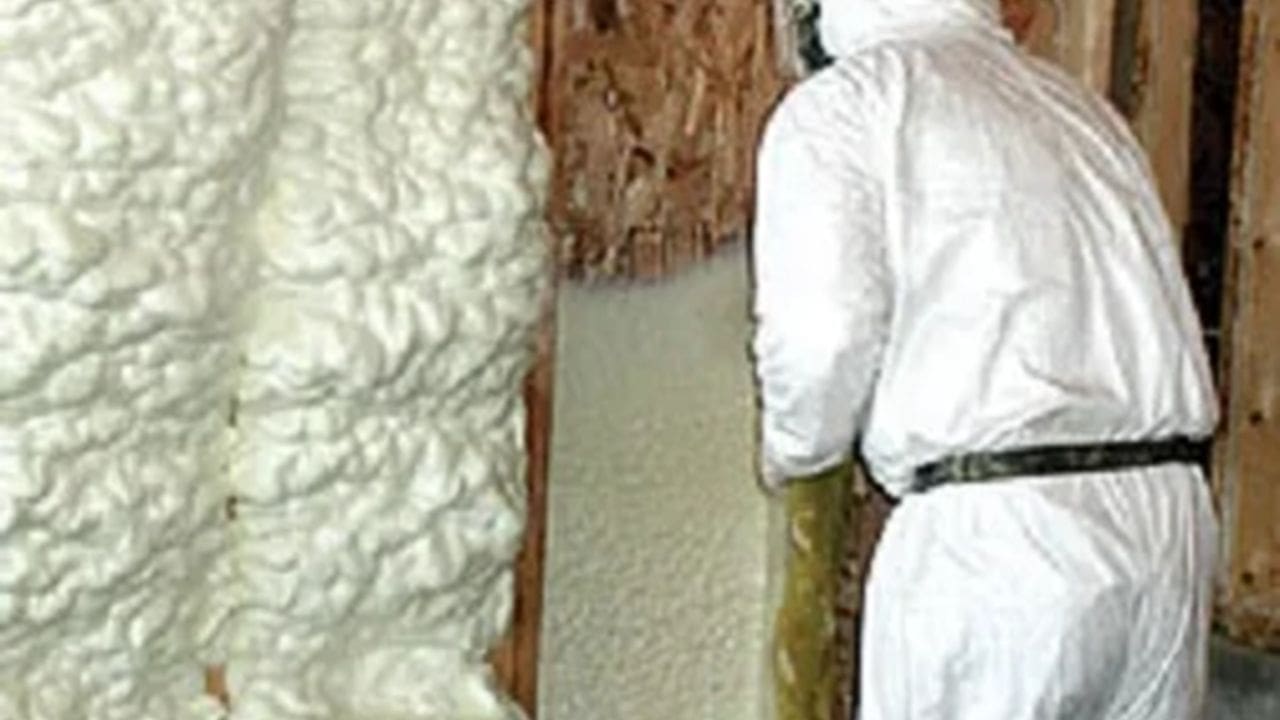
Mold grows fast; within 24-48 hours, it appears on any porous materials affected by water. Fixing leaks and tearing out waterlogged materials is the only way to eliminate active mold. If the true extent of damage and water intrusion behind walls and under flooring is underestimated, decay will also set in (sometimes in less time than mold needs to germinate).
You can have the dampest home in the state, but if you remove every damaged scrap, you won’t have a mold problem. Here, too, cavities are key. You need to be certain you’ve found every source of moisture and every colony of mold spores. Otherwise, they’ll just slowly eat through the pristine new sheetrock and grow under and over the new subfloor.
It can even happen in a room served solely by the HVAC system; if the duct boot is wet, mold will grow up into the metal ducts and blow spores into every room in the house.
Documentation protects your claim
A professional moisture detection report and a moisture map provide both the property owner and insurer with a detailed, scientifically rigorous, well-documented description of a property’s condition. This record can be useful years into the future for a variety of reasons.
Say, for example, the property sells, but the new owner claims you failed to disclose the flood damage. You pull out the move-out inspection with its readings, the move-in that shows the same readings, and testimony from the buyer’s own home inspector that everything was in good shape – you should be protected.
Or maybe the same type of event reoccurs, but you have your original readings and can show the insurer that the property was not completely dry even after the repairs they authorized. That company is on the hook, not you.
There is also the livability issue. Properties simply are not nice to be in if they aren’t truly “dry”. It smells damp; it’s clammy and uncomfortable. Post the readings and the moisture map, and there will be no debate over incomplete repairs.
Getting it right the first time
The benefits of professional moisture detection far outweigh the cost. This is true whether you’re insured or just looking for the best result after a loss. Most water restorations that fail have no detectable moisture by the time the restoration company leaves. But failure becomes evident, perhaps six months later, in a buildup of foul-smelling microbial volatile organic compounds (MVOCs) associated with fungal mold. And these building components will, after sufficient time, become so damp again that new contaminants will grow in them. Most notably, this time the problem remains underneath the surface and is not visible to the restorer.
See more DIY posts here

Becky is the voice behind Life in Velvet, an organised, intentional living blog focused on practical food, calm homes, thoughtful projects, and everyday systems that make real life feel easier. A mum of 3 living in the UK, Becky writes from lived experience, sharing what works, what doesn’t, and the decisions that make family life run more smoothly.
With a background in marketing and content writing, and over a decade of blogging experience, she brings a thoughtful, structured approach to everything from baking and home projects to routines and decision-making. Life in Velvet is where planning meets creativity, with ideas designed for real homes and real life.