
Most people think they’re being careful with their valuable belongings by storing them in closets, basements, or safes. But the truth is, tons of expensive items get ruined every year because of simple home storage mistakes that nobody thinks about until it’s too late.
The worst part is that this damage happens super slowly, so you don’t notice it until something you care about is already wrecked. Your grandmother’s jewelry starts tarnishing, important documents get yellow and brittle, or electronics stop working for no obvious reason. Understanding these common storage problems can save you from losing things that can’t be replaced.
The Invisible Enemy: Humidity Problems
Humidity is probably the biggest destroyer of stored items, and most people have no idea it’s even a problem. Too much moisture in the air causes metal to rust, paper to get moldy, and leather to crack. Too little moisture makes things brittle and causes them to fall apart.
The tricky part is that humidity problems are sneaky. You won’t see damage happening day by day, but over months or years, high humidity can completely destroy valuable items. Basements are especially bad for this because they’re naturally damp, but even upstairs closets can have humidity issues depending on your house.
Different items need different humidity levels to stay in good shape. Paper documents and photographs do best when humidity stays between 30-50%. Electronics prefer even lower humidity, while some fabrics can handle a bit more moisture in the air.
For gun owners, humidity control becomes especially critical because firearms are particularly susceptible to rust and corrosion in storage. Understanding the best humidity level for gun safe storage helps prevent expensive damage to firearms that can cost hundreds or thousands of dollars to repair or replace.
Temperature Swings Cause Big Problems & Home Storage Mistakes
Temperature changes might not seem dangerous, but they cause materials to expand and contract, which creates stress that breaks things down over time. Attics are terrible for storage because they get super hot in summer and cold in winter, making this problem even worse.
Electronics are especially sensitive to temperature changes. Old computers, cameras, and gaming systems can get damaged when their internal parts expand and contract repeatedly. Circuit boards can crack, and connections can become loose, making devices stop working even though they look fine from the outside.
Temperature swings also create condensation problems. When warm air meets cold surfaces, water droplets form, creating instant humidity spikes that can damage anything nearby. This happens a lot in garages and basements where temperature changes are common.
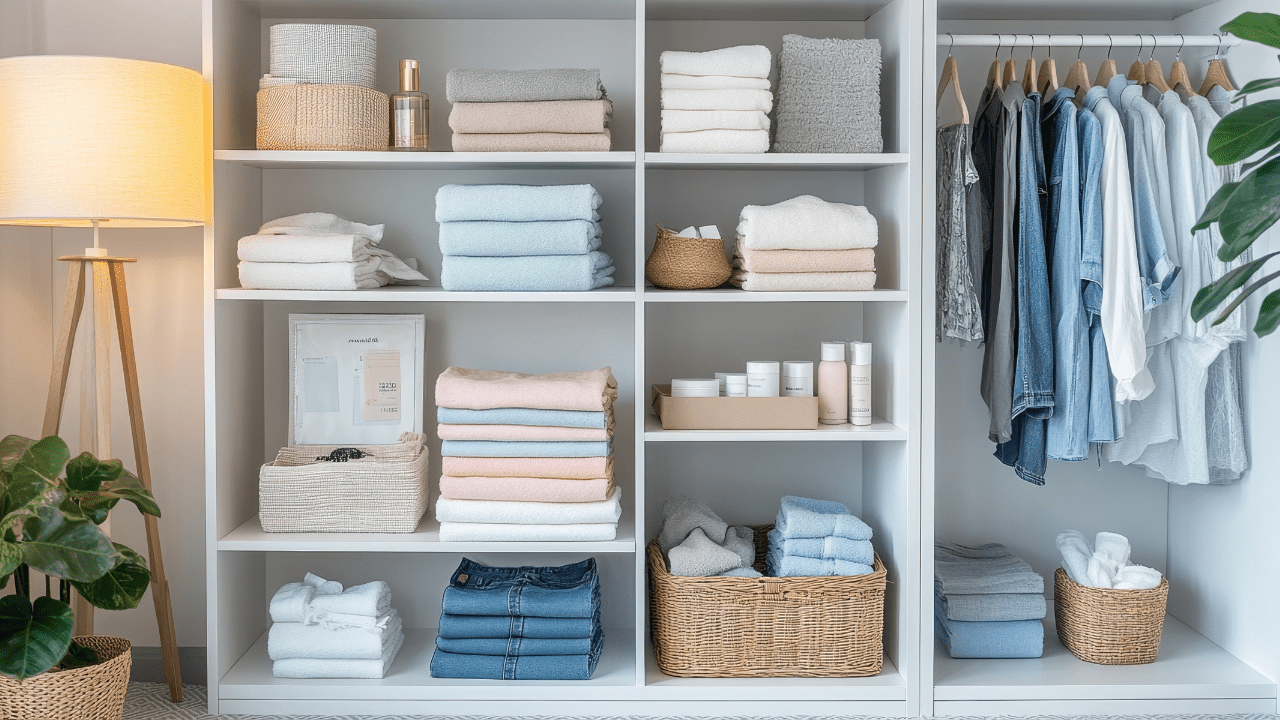
Light Damage You Can’t See Coming
Most people know that sunlight fades curtains and furniture, but they don’t realize that even indoor lighting can slowly damage stored items over time. Photographs, important documents, and fabric items are especially vulnerable to light damage that happens gradually.
The problem isn’t just direct sunlight either. Regular light bulbs, especially older incandescent ones, give off UV rays that break down materials over years of exposure. Even items stored in boxes can get damaged if those boxes are in well-lit areas for long periods.
Artwork, collectibles, and historical documents need to be stored in dark places to prevent this kind of damage. Even brief exposure to bright lights during storage or handling can add up over time and cause fading or deterioration that can’t be reversed.
Air Quality Issues Nobody Thinks About
The air in your storage areas might be slowly damaging your belongings without you realizing it. Chemicals from cleaning products, paint fumes, or even off-gassing from carpet and furniture can react with stored items and cause damage over time.
Dust might seem harmless, but it can actually be quite destructive. Dust particles are abrasive and can scratch delicate surfaces when items are moved or handled. Dust also holds moisture and chemicals from the air, concentrating these damaging elements right on the surfaces of your stored belongings.
Poor air circulation makes all these problems worse. Stagnant air allows humidity, dust, and chemical vapors to build up around stored items instead of being carried away. This creates perfect conditions for mold growth and accelerated deterioration.
Container Choices That Backfire
People often think any container is better than no container, but the wrong storage containers can actually make damage worse. Plastic bags, for example, can trap moisture and create perfect conditions for mold growth, especially in slightly humid environments.
Cardboard boxes seem safe, but they absorb moisture from the air and can transfer that moisture to whatever’s stored inside them. Old cardboard also becomes acidic over time, which can damage paper documents, photographs, and fabric items that touch it.
Metal containers can cause problems too if they’re not properly treated or if they’re stored in humid conditions. Untreated metal can rust, and that rust can spread to items stored inside. Even treated metal containers can develop condensation problems if temperature changes occur frequently.
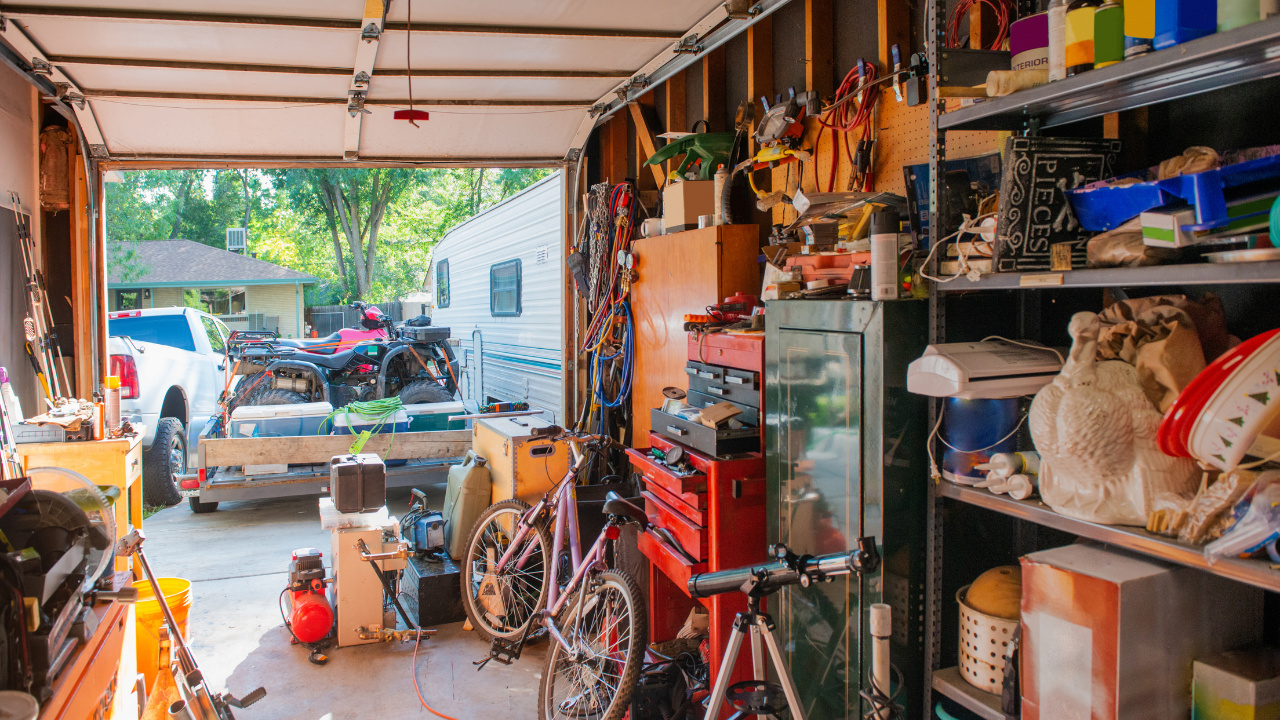
Location, Location, Location
Where you store things matters just as much as how you store them. Basements might seem convenient, but they’re often damp and prone to flooding. Attics have extreme temperature swings and can get incredibly hot in summer. Garages combine both problems plus exposure to car exhaust and other chemicals.
Even indoor closets can be problematic if they’re on exterior walls or near bathrooms where humidity levels fluctuate. Closets that share walls with laundry rooms are especially bad because of the moisture from washing machines and dryers.
The best storage locations are interior rooms with stable temperatures and good air circulation. Avoid areas near heating vents, windows, or anywhere that experiences regular temperature or humidity changes.
Protecting What Matters Most
Here’s the thing – you can actually prevent most of this storage damage once you know what you’re looking for. It’s not rocket science, and you don’t need to become some kind of storage expert overnight.
Start simple. Get a basic humidity and temperature gauge from the hardware store and check the areas where you keep your valuable items. You might be surprised to discover that your “safe” storage spot actually has terrible conditions that are slowly wrecking your belongings.
If you find problem areas, don’t panic. A decent dehumidifier can fix most humidity issues, and proper ventilation goes a long way toward keeping air moving and preventing stagnant conditions. For really valuable items – things you’d be devastated to lose – it’s worth investing in storage solutions that actually control the environment instead of just hiding things away.
Get into the habit of actually checking on your stored belongings every few months. Set a reminder on your phone if you have to. Look for home storage mistakes such as weird smells, discoloration, or anything that seems different from the last time you checked. Catching problems early means you can actually do something about them instead of just discovering disaster later.
The truth is, protecting your valuable possessions from home storage mistakes doesn’t have to be this huge complicated project. Most of the time, it’s just about understanding what actually damages things and then doing a few simple things to prevent those problems. Being proactive about storage beats the heck out of finding out your precious belongings are ruined when it’s too late to fix anything.
See more home organisation posts here!

Becky is the voice behind Life in Velvet, an organised, intentional living blog focused on practical food, calm homes, thoughtful projects, and everyday systems that make real life feel easier. A mum of 3 living in the UK, Becky writes from lived experience, sharing what works, what doesn’t, and the decisions that make family life run more smoothly.
With a background in marketing and content writing, and over a decade of blogging experience, she brings a thoughtful, structured approach to everything from baking and home projects to routines and decision-making. Life in Velvet is where planning meets creativity, with ideas designed for real homes and real life.