
Key Takeaways
- Yoghurt ice lollies are healthier than standard ice lollies, with more protein and less sugar, but they need the right balance to avoid icy texture
- Full-fat Greek yoghurt works best for creamy texture; low-fat versions tend to freeze rock-hard
- Adding a small amount of honey or maple syrup (1–2 tablespoons per batch) prevents excessive ice crystals and makes them sweet enough for kids
- Blend fruit thoroughly for smooth lollies, or leave chunky for texture; both work, but blended freezes more evenly
- They keep for up to 3 months in the freezer and cost roughly half the price of equivalent shop-bought “healthy” ice lollies
Introduction
If you’ve ever stood in the freezer aisle trying to decide whether the £4 box of “natural” ice lollies is worth it, or whether the brightly coloured 99p pack is genuinely terrible, you’re not alone. I’ve been making yoghurt ice lollies at home for the past few years, and they’ve become one of those small things that quietly makes family life feel a bit easier.
This post is for you if you want a healthier alternative to standard ice lollies that doesn’t taste virtuous and sad, or if you’re looking for a practical way to use up yoghurt before it goes off. It’s also useful if you’re trying to get more fruit into children who’ve decided they’re “not really fruit people” this week.
What makes this post more useful than the dozens of yoghurt ice lolly recipes already out there?
I cover texture problems, why some batches freeze into solid ice blocks, which yoghurts actually work, and what to do when your children take one lick and announce they prefer the shop-bought ones!
I’ve made enough batches to know what works in real life, not just in theory.
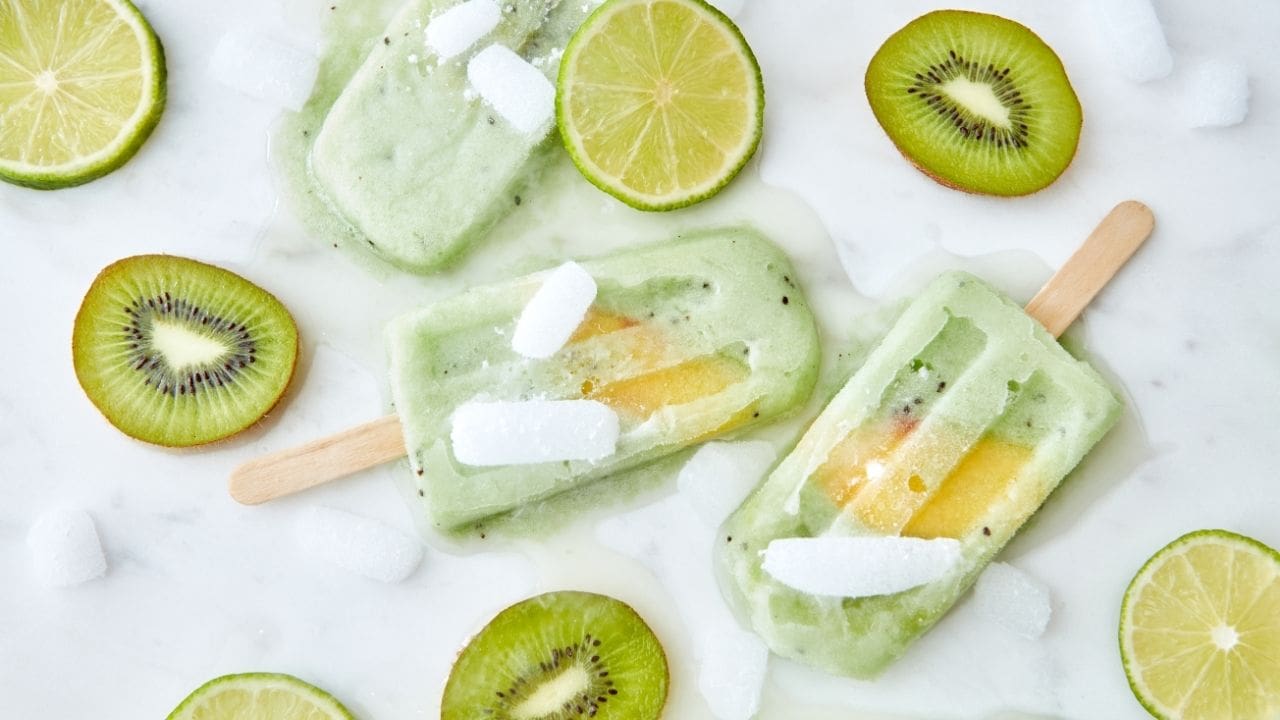
Why Yoghurt Ice Lollies Work (When Done Right)
The appeal of yoghurt ice lollies is straightforward. They’re healthier than standard ice lollies, cheaper than the fancy “natural” versions in shops, and you can control exactly what goes into them. But the texture issue is real, and if you’ve ever made a batch that froze into something resembling a flavoured ice brick, you’ll know what I mean.
The Science Bit (Briefly)
Yoghurt contains protein and fat, which should theoretically make for a creamier frozen treat than water-based ice lollies. But yoghurt also contains a lot of water, and when that water freezes, it forms ice crystals. The more water content, the icier your lollies will be. That’s why low-fat yoghurt, despite being marketed as healthier, tends to make disappointing ice lollies.
Full-fat Greek yoghurt gives you the best texture because the higher fat content means less water and smaller ice crystals. Natural yoghurt works too, but the texture won’t be quite as creamy. If you’re using natural yoghurt, you might want to add a spoonful of double cream to improve the result.
What About Sugar?
This is where the honesty matters. If you freeze plain yoghurt with fruit, you’ll get something healthy but not particularly pleasant. Most children (and quite a few adults) will reject it after one attempt. A small amount of sweetener makes a significant difference to both taste and texture.
Sugar, honey, or maple syrup don’t just add sweetness; they also lower the freezing point slightly, which means softer, less icy lollies. I typically add 1–2 tablespoons of honey per 500g yoghurt. That’s still far less sugar than shop-bought ice lollies, but enough to make them genuinely appealing.
If you want completely sugar-free lollies, you can use very ripe bananas for sweetness, but be prepared for a stronger banana flavour and a slightly denser texture.
The Basic Recipe (That Actually Works)
This is the formula I come back to repeatedly because it’s simple, reliable, and produces lollies that children will actually eat without you having to negotiate.
Ingredients
- 500g full-fat Greek yoghurt
- 200g fruit (fresh or frozen)
- 1–2 tablespoons honey or maple syrup
- Optional: 1 teaspoon vanilla extract
Method
- If using frozen fruit, let it thaw slightly (about 10 minutes at room temperature)
- Blend the fruit until smooth, or leave it chunky if you prefer texture
- Mix the yoghurt, blended fruit, and honey in a bowl until well combined
- Pour into ice lolly moulds, leaving about 1cm space at the top (the mixture expands slightly when frozen)
- Insert sticks and freeze for at least 4 hours, ideally overnight
To remove the lollies easily, run the moulds under warm water for 10–15 seconds. Don’t use hot water or leave them too long, or you’ll end up with a melting mess.
UK vs US Measurements
- 500g Greek yoghurt = about 2 cups
- 200g fruit = about 1.5 cups
- 1 tablespoon = 15ml
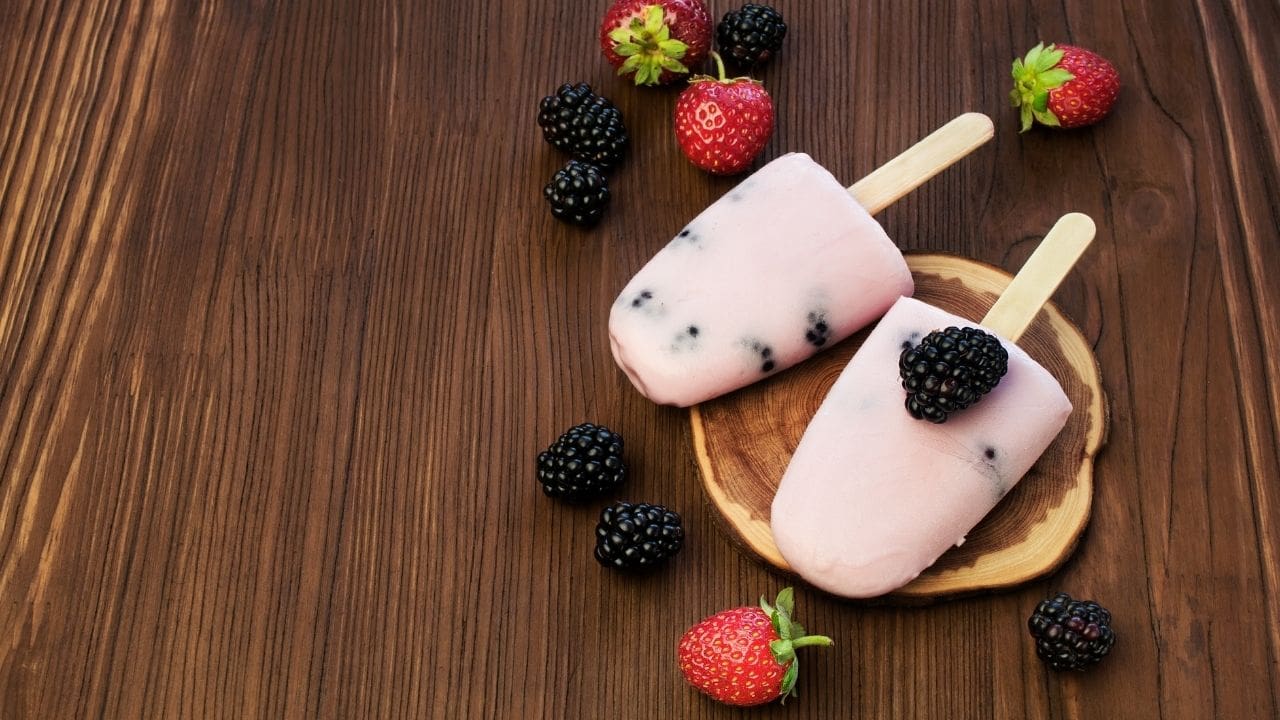
Fruit Combinations That Work
Not all fruits freeze equally well in yoghurt lollies. Some work brilliantly; others turn oddly bland or develop an unpleasant texture.
| Fruit | How It Works | Notes |
|---|---|---|
| Strawberries | Excellent | Sweet, bright colour, familiar flavour. Works fresh or frozen. |
| Mango | Excellent | Very creamy texture, naturally sweet. Frozen mango chunks are perfect for this. |
| Raspberries | Good | Lovely flavour but seeds can be annoying. Strain if serving to young children. |
| Blueberries | Good | Mild flavour, turns lollies purple. Best combined with sweeter fruit. |
| Banana | Good | Makes lollies creamy but dominates the flavour. Use half banana, half other fruit. |
| Peaches | Good | Subtle flavour, works well but needs ripe fruit. Tinned peaches in juice work in a pinch. |
| Kiwi | Fair | Can be sharp. Needs extra sweetener and works better combined with mango or strawberry. |
The combinations I make most often: strawberry and banana, mango and passionfruit (just the pulp of one passionfruit stirred through), raspberry and vanilla, mixed berry (whatever’s in the freezer).
Common Problems and Actual Solutions
They’re Too Icy
This is the most common complaint. The solution is more fat and a bit of sweetener. Switch to full-fat Greek yoghurt if you haven’t already, and add 1–2 tablespoons of honey. If they’re still icy, try adding a tablespoon of double cream or a teaspoon of vegetable glycerine (available in baking aisles).
They’re Too Hard to Bite
Rock-hard lollies mean too much water content. Use thicker yoghurt, blend the fruit thoroughly (whole fruit pieces freeze harder), and let them sit at room temperature for 2–3 minutes before eating.
They Taste Bland
Frozen foods taste less sweet than they do at room temperature, so your mixture needs to taste slightly too sweet before freezing. If your lollies are coming out bland, increase the honey and add a pinch of salt (this sounds odd but enhances fruit flavour).
The Stick Falls Out
Make sure you’re filling the moulds enough (about 1cm from the top), and freeze them for at least an hour before inserting the stick. Some moulds come with stick holders; use them. If your moulds don’t have holders, cover with foil and poke the sticks through.
They Won’t Come Out of the Moulds
Run under warm water for 10–15 seconds. If that doesn’t work, your moulds might be too flexible or oddly shaped. I’ve had much better results with the stiffer plastic moulds than the silicone ones.
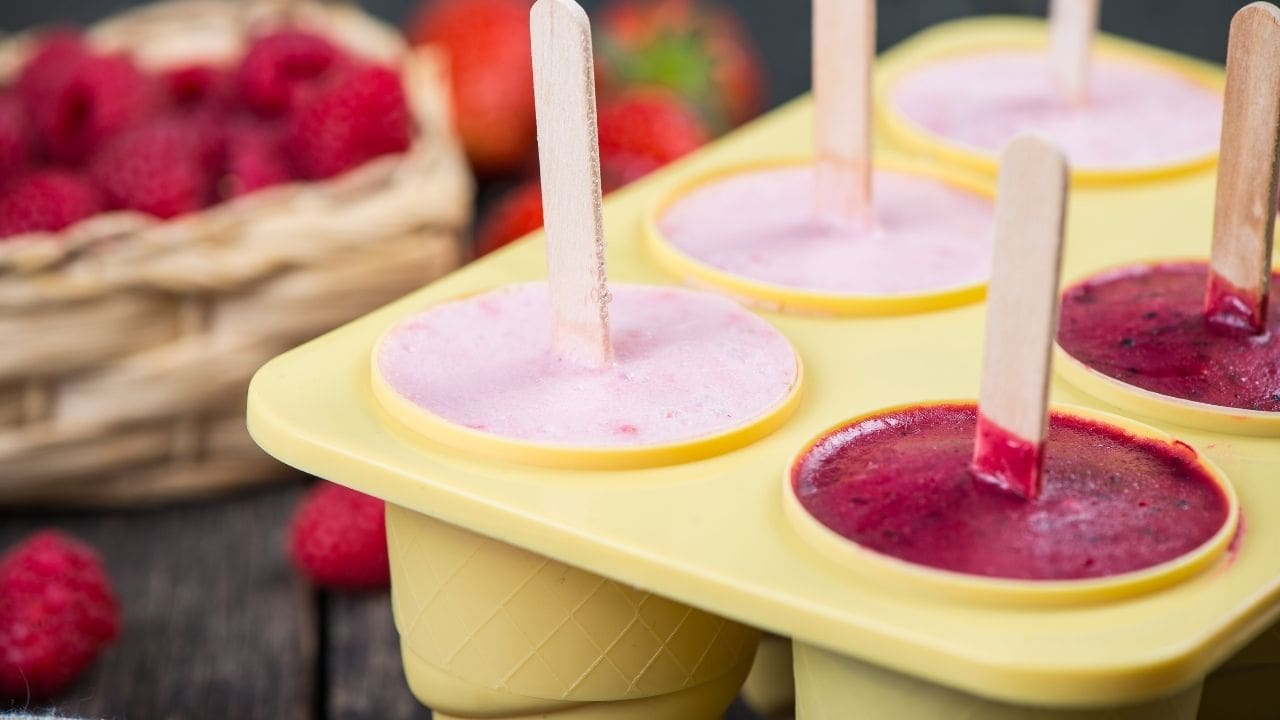
Making Them More Interesting (Without Making More Work)
Once you’ve mastered the basic recipe, there are simple ways to make yoghurt ice lollies more appealing without turning this into a complicated project.
Layering
Pour one fruit-yoghurt mixture into the mould, freeze for 1–2 hours until just set, then add a second flavour on top. Strawberry and mango layers look particularly good and only add about 10 minutes of active time.
Swirls
Don’t fully mix the fruit into the yoghurt. Pour white yoghurt into the moulds, add spoonfuls of fruit puree, and swirl gently with a chopstick. This creates a ripple effect and means you can use stronger flavours (like passionfruit) without overwhelming the lolly.
Crunchy Bits
Add a tablespoon of granola, crushed digestive biscuits, or mini chocolate chips to the mixture before freezing. Children find this endlessly exciting. Just be aware that crunchy additions will freeze very hard, so these work better for older children.
Chocolate Shell
Melt 100g dark chocolate with 1 tablespoon coconut oil. Once your lollies are frozen, dip them quickly in the chocolate mixture, which will harden in seconds. Keep them in the freezer wrapped in baking paper to prevent the chocolate cracking off.
The Practical Reality: Cost, Time & Storage
Cost Comparison
A 500g tub of full-fat Greek yoghurt costs about £2. Frozen fruit (500g bag) costs £2–3. Honey adds perhaps 50p. That’s roughly £5 for 8–10 lollies, or 50–60p per lolly.
Compare this to:
- Standard ice lollies: 10–15p each (but mostly sugar and water)
- “Natural” or “healthy” ice lollies: 60–80p each
- Premium yoghurt lollies: £1+ each
So yes, homemade costs more than cheap ice lollies but significantly less than the healthier shop-bought equivalents. And you know exactly what’s in them.
Time Investment
- Active time: 10–15 minutes
- Freezing time: 4+ hours
- Washing up: One bowl, one blender, one set of moulds
You can easily make a batch while tidying the kitchen after dinner. It’s one of those tasks that fits into the gaps.
Storage
Yoghurt ice lollies keep for up to 3 months in the freezer. Once fully frozen, I pop them out of the moulds and store them in a freezer bag or container. This frees up the moulds for the next batch and prevents freezer burn.
Label them with the date if you’re making multiple flavours. I’ve definitely handed a child what I thought was strawberry only to discover it was actually raspberry, which caused a surprising amount of drama.

What to Do When Children Reject Them
Let’s be honest: some children will take one look at your lovingly made yoghurt ice lollies and ask for a Rocket Lolly instead. This is annoying but not a disaster.
Strategies That Sometimes Work
- Let them help make the lollies (children are more likely to eat things they’ve “made”)
- Offer them alongside, not instead of, regular treats (normalises them without pressure)
- Make them in fun moulds (rocket shapes, character moulds)
- Call them something more appealing (“frozen smoothie sticks” worked inexplicably well in our house)
- Serve them when genuinely hot and they actually want something cold
When to Give Up
If your children genuinely hate yoghurt or have sensory issues with creamy textures, yoghurt ice lollies might just not be for them. That’s fine. Not every healthy food swap needs to work. You can still give them regular ice lollies without feeling like you’ve failed at parenting.
Equipment You Actually Need
You don’t need much, but the right moulds make a noticeable difference.
Ice Lolly Moulds
I’ve tried silicone moulds, cheap plastic moulds, and the more expensive rigid ones. The best results come from moulds with:
- Built-in drip catchers (less sticky mess)
- Secure stick holders
- Rigid structure (easier to fill, easier to remove)
- Simple shapes (less likely to break when removing)
Blender
Any blender works. I use a stick blender most of the time because it’s quicker to wash up.
Optional But Useful
- Small jug or measuring jug with a spout (makes pouring into moulds neater)
- Freezer-safe labels
- Spare sticks (they break or get lost)
Variations for Different Dietary Needs
Dairy-Free
Use coconut yoghurt or soya yoghurt instead of dairy yoghurt. The texture won’t be quite as creamy, but it works. Add an extra tablespoon of coconut cream to improve creaminess. Coconut yoghurt is naturally quite sweet, so you might need less honey.
Lower Sugar
Use very ripe bananas as the only sweetener, or try a small amount of stevia (note: stevia can taste bitter if you use too much; start with 1/4 teaspoon). Monk fruit sweetener also works but is harder to find in UK shops.
Protein-Boosted
Add a scoop of unflavoured or vanilla protein powder to the mixture. This works best with fruit flavours that can disguise any protein powder aftertaste (mango and strawberry are good options). This makes them more filling, which is useful for active children or as an after-school snack.
Probiotic
Use yoghurt with live cultures and freeze quickly to preserve some of the beneficial bacteria. While freezing does reduce probiotic activity, there’s some evidence that beneficial bacteria can survive freezing, particularly in high-fat yoghurt.
Frequently Asked Questions
Can I use flavoured yoghurt instead of natural yoghurt?
Yes, but check the sugar content first. Most flavoured yoghurts already contain a lot of sugar, which means you won’t need to add honey. The flavour will also be quite intense once frozen, so it might be worth mixing half flavoured, half natural yoghurt.
How long do yoghurt ice lollies take to freeze?
At least 4 hours for a solid freeze, but overnight is better. If you’re in a rush, smaller moulds (50–75ml) will freeze in about 3 hours.
Can I use frozen yoghurt that’s past its use-by date?
If the yoghurt smells fine and hasn’t separated or developed mould, it’s usually safe to use for ice lollies since you’re freezing it immediately. Use your judgement. If it’s more than a week past the date or smells off, bin it.
Do yoghurt ice lollies melt faster than regular ice lollies?
Slightly, yes, because of the fat content. They’re best eaten within about 10 minutes of coming out of the freezer on a warm day. The chocolate shell trick helps slow this down.
Can I make them without moulds?
You can use small paper cups with wooden sticks pushed through foil lids, or even ice cube trays for tiny lollies (these freeze faster and work well for toddlers). They won’t look as neat, but they’ll taste the same.
Will my children actually eat these?
Honestly? It depends. Most children will eat them if they’re involved in making them and if the lollies are sweet enough. Some won’t, and that’s fine too. They’re worth trying because the cost and effort are low, but don’t feel like you’ve failed if they don’t become a household favourite.
Final Thoughts
Yoghurt ice lollies sit in that useful category of “good enough” family food. They’re healthier than standard ice lollies, cheaper than the premium alternatives, and simple enough to make regularly without it feeling like a project.
The trick is managing expectations. These won’t taste like Magnums, and some children will prefer brightly coloured lollies from the shop. But they’re a practical way to offer something a bit better without spending a fortune or a lot of time, and once you’ve found the combination your household likes, they slot into the routine quite easily.
Start with the basic strawberry version, see how it goes, and adjust from there. If it works, brilliant. If it doesn’t, you’ve only spent about £5 finding out.
See more of my sweet treats posts here
More about Making Healthy Ice Lollies:
Healthy Ice Lollies for Toddlers: What Actually Works (and What Doesn’t)
No Added Sugar Ice Lollies: Shop-Bought and Homemade Options That Actually Work

Becky is the voice behind Life in Velvet, an organised, intentional living blog focused on practical food, calm homes, thoughtful projects, and everyday systems that make real life feel easier. A mum of 3 living in the UK, Becky writes from lived experience, sharing what works, what doesn’t, and the decisions that make family life run more smoothly.
With a background in marketing and content writing, and over a decade of blogging experience, she brings a thoughtful, structured approach to everything from baking and home projects to routines and decision-making. Life in Velvet is where planning meets creativity, with ideas designed for real homes and real life.