
Key Takeaways
- Ice lollies can be a genuinely useful way to get fruit, yoghurt, or even vegetables into reluctant toddlers, especially during teething or hot weather
- The “healthiest” option is whichever one your toddler will actually eat without a fight – perfectionism helps nobody
- Homemade versions give you full control over sugar and ingredients, but shop-bought options like mini Fruit Shoots or Rowntree’s fruit ice lollies work fine in moderation
- Timing matters more than you’d think – offer them after a meal rather than as a standalone snack to avoid sugar crashes and ruined appetites
- Choking risk is low with ice lollies compared to many toddler foods, but supervision is still essential, particularly with harder frozen chunks
So you’re standing in the frozen aisle, staring at rows of ice lollies, wondering if any of them count as actual food for a toddler. Or maybe you’re scrolling through Instagram seeing perfect fruit-filled moulds while your own child refuses anything that isn’t beige. Either way, you’re in the right place.
Ice lollies for toddlers are a bit odd when you think about it. They’re basically frozen fruit or yoghurt, which sounds healthy enough. But they’re also sweet and cold and brightly coloured, which makes them feel more like a treat than proper nutrition. And if you’re trying to work out what’s actually sensible to give a one-, two-, or three-year-old, the advice out there is either ridiculously precious or completely useless.
This post is for anyone who wants practical, honest guidance on ice lollies for toddlers. Not perfect. Not Instagram-worthy. Just what actually works when you’re managing real toddler eating, real mess, and real life.
It’s not for you if you’re after a lecture on eliminating all sugar, or if your toddler happily eats everything you offer without complaint. (If that’s you, genuinely well done – enjoy it while it lasts!)
What makes this different is that it’s written by someone who’s actually made the lollies, cleaned up the puddles, dealt with toddlers who refused them, and learned which shortcuts matter and which don’t. You’ll get experience-led advice here from a Mum of 15 years!

Why Ice Lollies Can Be Genuinely Useful for Toddlers
Ice lollies aren’t essential. Obviously. But they can be surprisingly practical in certain situations (hear me out!)
Teething relief is the big one. A cold lolly soothes sore gums far better than a bit of cucumber, and there’s less gagging risk than a frozen washcloth. If your toddler’s miserable and refusing food because their molars are coming through, a yoghurt-based lolly can at least get some calories and calcium into them.
Hot weather hydration is another. Toddlers are rubbish at drinking enough water when it’s warm. You know this. They’ll ignore their beaker all afternoon but demolish a fruity ice lolly in minutes. It’s not a replacement for actual water, but it helps.
And then there’s the strategic bribe. Let’s not pretend otherwise! Sometimes you need five minutes of peace, or you need them to sit still, or you need them to stop melting down over something completely ridiculous. A lolly buys you that time. That’s not bad parenting. That’s surviving.
The best bit? Ice lollies are one of the few “treats” where you actually control what goes in them. Make them yourself and you’re basically giving frozen fruit or yoghurt. That’s objectively better than a biscuit IMO.
What Makes an Ice Lolly “Healthy” for a Toddler?
Right, let’s be honest. There’s no single definition of “healthy” that works for everyone, and getting too rigid about it just makes feeding toddlers harder than it needs to be.
That said, a decent ice lolly for a toddler generally has:
- Recognisable ingredients – fruit, yoghurt, milk, maybe a bit of honey if they’re over one
- Not loads of added sugar – though some is fine if it means they’ll actually eat it
- No artificial sweeteners – toddlers don’t need aspartame or whatever
- A size that’s manageable – standard adult lollies are too big and melt faster than tiny hands can cope with
Here’s the thing though. The “healthiest” lolly is the one your toddler will eat without you having to negotiate, bribe, or argue. If that’s a homemade mango yoghurt lolly, brilliant. If it’s a Petits Filous Frube shoved in the freezer, also fine.
Perfectionism around toddler food is exhausting. Aim for “good enough” and move on with your life.
Homemade vs Shop-Bought: What’s Actually Worth It?
Homemade ice lollies give you complete control. You know exactly what’s in them, you can tweak the sweetness, and you can sneak in vegetables if you’re feeling ambitious. They’re also significantly cheaper if you make them in bulk.
The downside? They take time. You need moulds. And there’s a very real risk your toddler will refuse them entirely because they don’t look like the ones their friend had at playgroup.
I’ve found homemade lollies work best when you’re batch-making for the week, your toddler’s going through a phase of actually eating fruit, or you genuinely enjoy the process and don’t resent the faff.
Shop-bought options are convenient, predictable, and your toddler’s far more likely to recognise and accept them. The trade-off is less control over sugar and ingredients.
Decent shop-bought choices include mini Fruit Shoot ice lollies (small, not too sweet), Rowntree’s Fruit Pastille lollies (fruit juice-based, no weird colours), Petits Filous Frubes frozen (technically a yoghurt tube but works), and Del Monte fruit pots frozen (unconventional but genuinely useful).
Avoid anything with artificial sweeteners for toddlers, and obviously check labels if allergies are a thing.
My honest take? Keep a box of shop-bought mini lollies in the freezer for emergencies and make homemade ones when you’ve got time and inclination. Don’t make it an either/or battle.
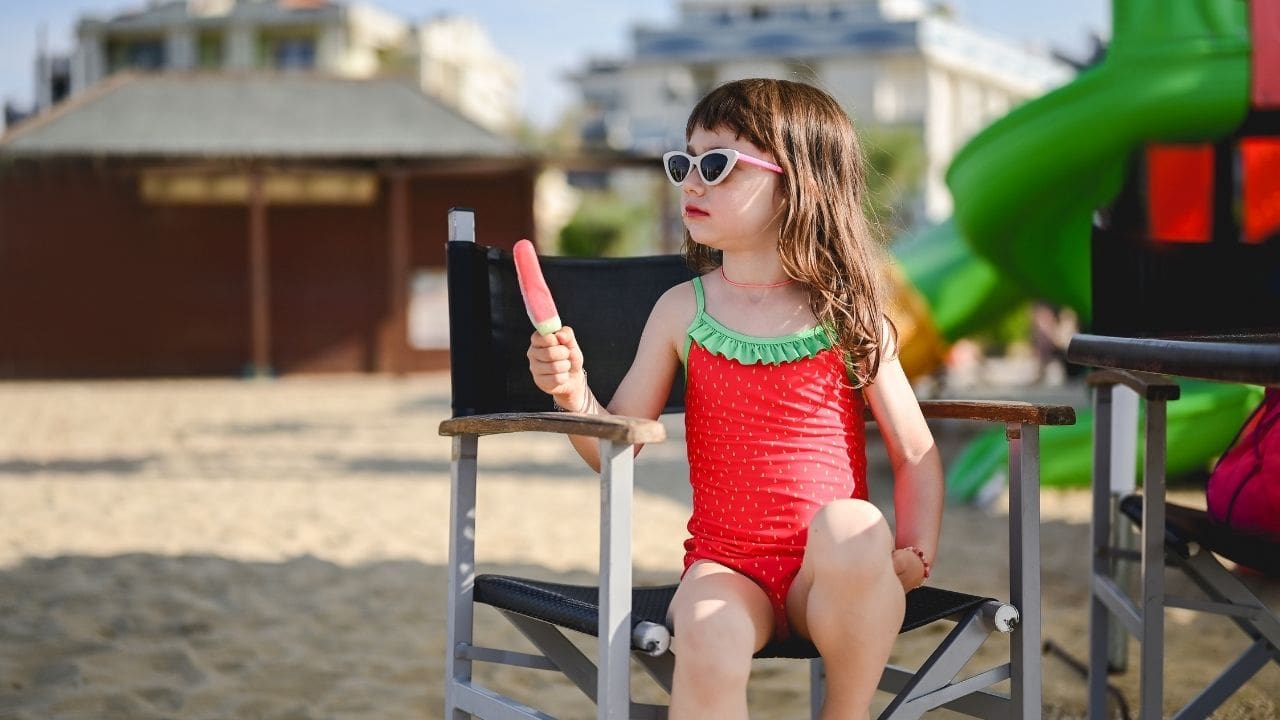
Simple Recipes That Toddlers Actually Eat
Plenty of ice lolly recipes look beautiful but are completely impractical for real toddlers. Here’s what actually works.
Basic Fruit Puree Lollies
Blend fruit with a splash of water or apple juice. Pour into moulds. Freeze. Done.
Best fruits for toddlers: strawberries (sweet, familiar), mango (naturally sweet, no tartness), banana (adds creaminess without dairy), watermelon (mild flavour, high water content).
Avoid anything too acidic like pineapple or kiwi unless you know your toddler tolerates it. Acidic fruit can irritate sensitive mouths, especially if they’re teething.
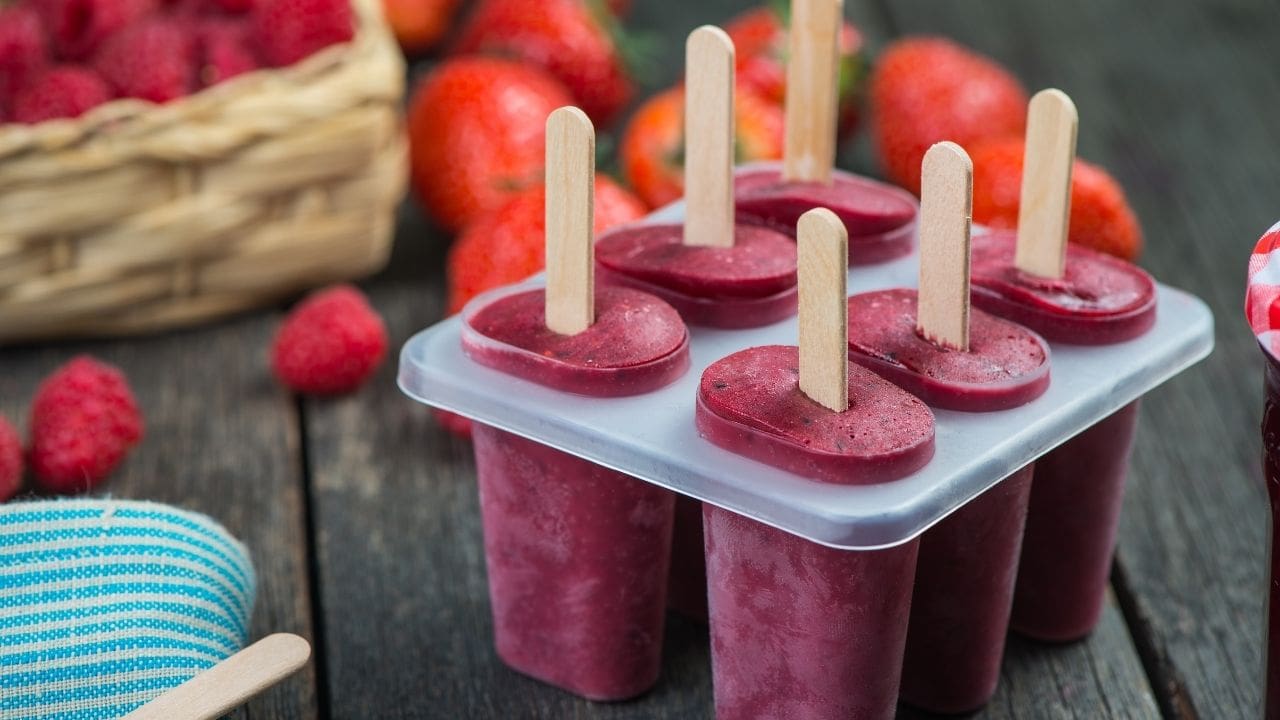
Yoghurt-Based Lollies
Mix natural yoghurt with mashed fruit or a bit of puree. Pour into moulds. Freeze.
Why yoghurt works: it’s creamier, which toddlers tend to prefer. It adds protein and calcium. And it’s less likely to cause brain freeze than pure fruit ice.
Use full-fat yoghurt for under-twos. Greek yoghurt’s brilliant because it’s thick and doesn’t separate as much when frozen.

Smoothie Lollies
Got leftover smoothie? Pour it into lolly moulds rather than chucking it.
A reliable toddler smoothie formula: banana (for sweetness), a handful of spinach or kale (they won’t taste it, I promise), berries or mango, full-fat milk or yoghurt, and maybe a small spoonful of nut butter if no allergies.
Freeze in small moulds. These are genuinely nutritious and most toddlers genuinely can’t tell there’s spinach in them.
Coconut Water or Diluted Juice Lollies
For hydration on hot days, freeze coconut water or very diluted fruit juice. One part juice to three parts water.
These aren’t particularly nutritious but they’re useful for getting fluids into a toddler who’s refusing to drink. Think of them as a hydration tool rather than a snack.
Practical Tips for Actually Making and Serving Them
Making ice lollies sounds simple. It is simple. But there are practical realities that recipe blogs never mention.
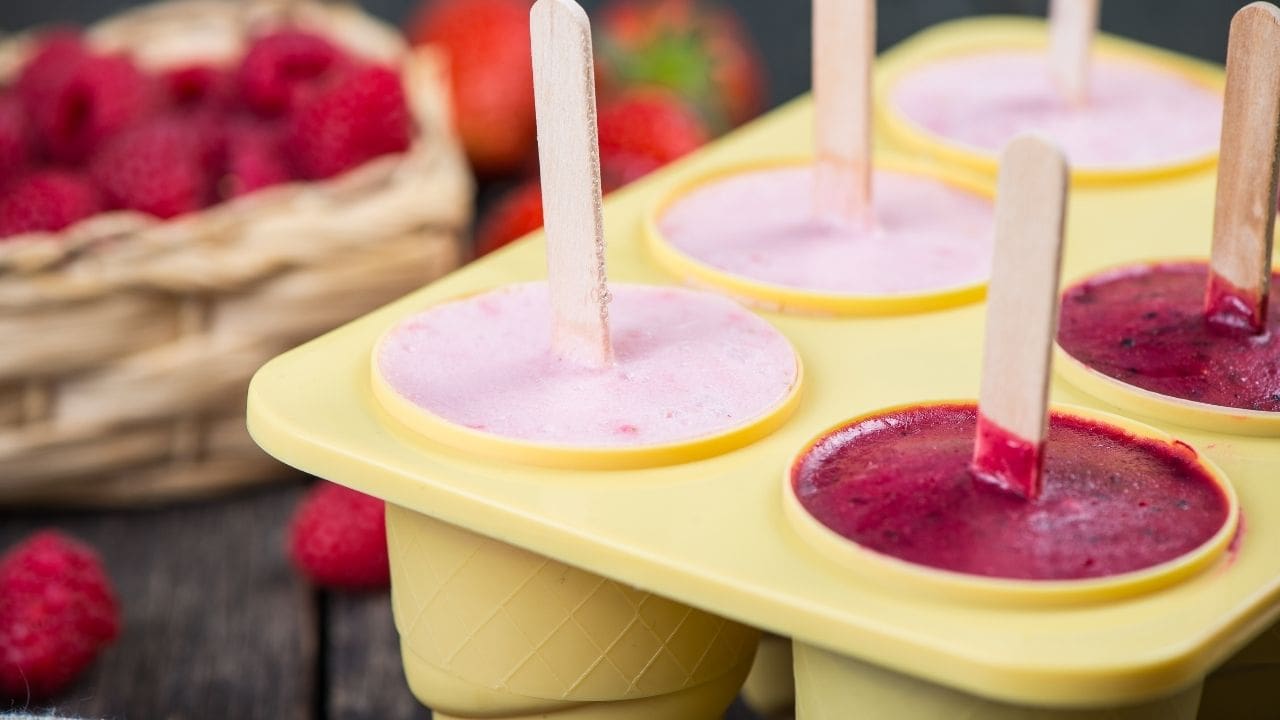
Moulds matter. Small moulds designed for toddlers are worth buying. Standard adult moulds are too big, melt too quickly, and lead to sticky disasters everywhere. Look for moulds around 40-60ml.
They need proper freezing time. At least 4-6 hours, often longer. Make them the night before, not an hour before you need them. (Ask me how I know.)
Getting them out of the moulds can be infuriating. Run the outside under warm water for 10-15 seconds, then pull gently. Don’t yank or the stick comes off and you’ve ruined everyone’s day.
Serve them outside or over a towel. They melt fast. Toddlers eat slowly. You will have puddles. Just accept this now.
Let them eat it in the highchair if mess is a concern. Far easier to wipe down a highchair tray than an entire sofa.
And don’t expect them to finish it. Toddlers rarely finish anything. Half-eaten and dropped is completely normal.
When to Offer Ice Lollies (and When Not To)
Timing makes a surprisingly big difference.
Best times: after lunch or dinner as dessert (they’ve already eaten proper food), mid-afternoon on a hot day (far enough from dinner that it won’t interfere), or during teething flare-ups (whenever they need relief).
Times to avoid: first thing in the morning (cold sugary food on an empty stomach is asking for trouble), right before a meal (even a “healthy” lolly takes the edge off their hunger), or right before bed (sugar and cold don’t help with settling).
If your toddler’s prone to sugar-related behaviour changes, keep lollies to once a day maximum and always pair them with some protein or fat earlier in the meal.
Addressing Common Worries
Is There a Choking Risk?
Ice lollies are generally low-risk compared to loads of toddler foods. They melt, they’re soft, and toddlers tend to suck rather than bite them.
That said, supervision is essential. Don’t leave a toddler alone with a lolly, particularly if they’re under 18 months, the lolly has frozen chunks of whole fruit, or they’re running around while eating it.
Seated and supervised. That’s the rule.
What About Sugar Content?
Homemade fruit lollies contain natural fruit sugars. Which are still sugars. A lolly made from pureed mango has roughly the same sugar content as eating a piece of mango – it’s just in a different form.
The difference is that whole fruit contains fibre, which slows sugar absorption. Pureed and frozen fruit doesn’t. So yes, there’s a bit more of a blood sugar spike with a lolly than fresh fruit, but it’s not a disaster.
If you’re worried, offer the lolly after a meal that included protein and fat. That blunts the spike.
Will They Refuse “Real” Fruit if They Get Used to Lollies?
Possibly. But probably not long-term.
Toddlers are erratic. They refuse things one week and devour them the next. Offering fruit in different forms – fresh, cooked, frozen – actually increases the chances they’ll accept it overall.
If you’re worried, just don’t make lollies an everyday thing. Once or twice a week is plenty.
What to Do if Your Toddler Refuses Homemade Lollies
You’ve made a batch of beautiful mango yoghurt lollies. Your toddler takes one look and says no.
This is incredibly common and not a reflection on your lolly-making skills.
Why toddlers refuse homemade lollies: they don’t recognise them (shop-bought ones come in familiar packaging), the texture’s slightly different, they’re in a “no” phase and would refuse anything, or they wanted the red one and you only made orange.
What actually helps: offer it without pressure. Put it on the table, eat one yourself, see if curiosity kicks in. Let them see you making the next batch – toddlers are far more likely to try something they helped create. Freeze them in fun moulds. Or just accept that shop-bought is fine and stop fighting this particular battle.
Not every homemade food experiment works. That’s completely normal.
UK-Specific Products and Ingredients
If you’re making ice lollies in the UK, these are particularly easy to find:
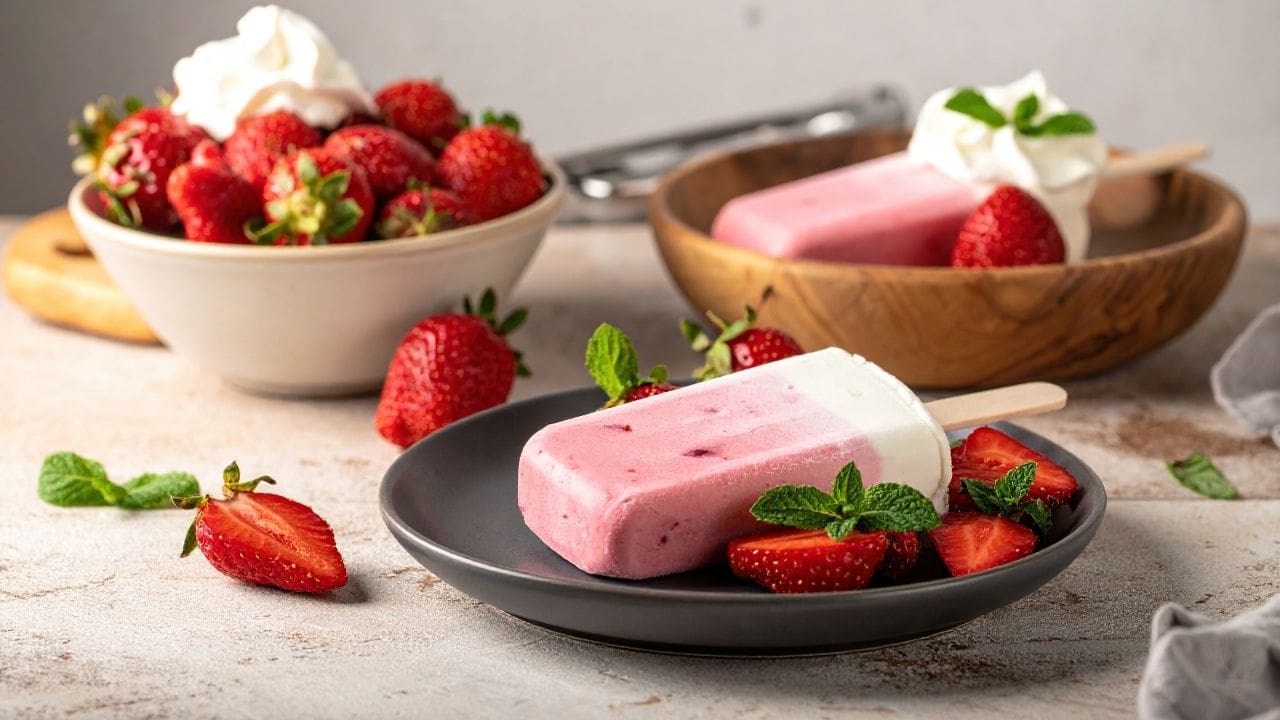
British strawberries in summer (cheaper and sweeter than imported ones), frozen mango chunks from supermarkets (consistent quality, no prep), tinned peaches in juice (not syrup) pureed.
For dairy: Yeo Valley organic yoghurt (thick, creamy), Alpro coconut yoghurt if dairy-free, whole milk (blue top) for under-twos.
For moulds: Lakeland sells toddler-sized moulds that actually work. Amazon has cheap silicone ones though quality varies.
Comparison: Homemade vs Shop-Bought
| Factor | Homemade | Shop-Bought |
|---|---|---|
| Cost per lolly | 20-40p | 30-60p |
| Prep time | 10-15 mins + freezing | None |
| Ingredient control | Complete | Limited |
| Toddler acceptance | Variable | Usually high |
| Convenience | Low (requires planning) | High |
| Sugar content | Controllable | Often higher |
Takeaway: Homemade is better for control and cost if you’re organised. Shop-bought is better for convenience and guaranteed acceptance. Use both depending on what kind of week you’re having.
Sneaking Vegetables into Ice Lollies: Does It Work?
In theory, yes. In practice, depends on your toddler.
Vegetables that work: spinach (genuinely tasteless if blended with banana and berries), courgette (adds creaminess, very mild), avocado (makes yoghurt lollies thicker).
Vegetables that don’t: carrot (too earthy, they notice), beetroot (stains everything and has a distinctive taste), peas (texture issues when frozen).
My honest opinion? If your toddler eats vegetables in other forms, you don’t need to hide them in lollies. If they refuse all vegetables, a spinach smoothie lolly might get some nutrients in, but it’s not a long-term solution.
Focus on making mealtimes calmer rather than relying on stealth vegetables.
Storage and Batch-Making Realities
How long do homemade ice lollies keep? About 1-2 weeks in a standard freezer. Beyond that they get freezer burn and the texture goes weird.
Batch-making tips: make a double batch and freeze extras in a sealed container (prevents ice crystals), label them with the date if you’re making multiple flavours, store them upright in a jug so they don’t stick together.
Defrosting and refreezing: don’t. If a lolly melts, either let your toddler drink it or bin it. Refreezing creates a grainy texture and increases bacterial risk.
What About Allergies and Dietary Requirements?
Ice lollies are one of the easier toddler snacks to adapt for allergies.
Dairy-free: use coconut yoghurt, oat milk, or coconut milk instead. Blend fruit with coconut cream for a richer texture.
Nut-free: avoid recipes using nut butters or almond milk. Stick to fruit, dairy, or oat-based versions.
Egg-free: most ice lollies don’t contain egg anyway, so this rarely matters.
Low-sugar: use very ripe fruit (naturally sweeter), add a tiny pinch of vanilla extract to enhance perceived sweetness, avoid fruit juice as a base – it’s just concentrated sugar.
Always check labels on shop-bought lollies if your toddler has allergies. Loads of them contain milk powder or traces of nuts even when you wouldn’t expect it.
The NHS has helpful guidance on introducing allergens to toddlers
Frequently Asked Questions
Can I give ice lollies to a one-year-old?
Yes, as long as they’re eating solid foods confidently and can sit upright. Avoid lollies with honey for under-ones, and supervise closely. Start with very small lollies and see how they manage.
How often should toddlers have ice lollies?
There’s no official guidance, but 2-3 times a week feels reasonable if they’re homemade and fruit-based. Daily is fine if it’s replacing another sweet snack, not adding to it. Use your judgement based on their overall diet.
Are ice lollies better than ice cream for toddlers?
Not necessarily. Ice cream contains fat and protein from milk, which can actually be more satisfying and cause less of a sugar spike than a fruit lolly. The “best” option depends on the specific product.
Do ice lollies count towards their five a day?
Homemade lollies made from pureed fruit count as one portion maximum per day, regardless of how many they eat. Same rule as smoothies.
What if my toddler bites the lolly instead of licking it?
Very common, not dangerous. They might get brain freeze, which’ll teach them to slow down. If they’re biting off large chunks and struggling, switch to a softer yoghurt-based lolly.
Can I freeze shop-bought yoghurt pouches as lollies?
Yes, and it works brilliantly. Frubes, Petits Filous pouches, Ella’s Kitchen pouches – all freeze well. Just pop them in the freezer. No prep involved.
When Ice Lollies Aren’t the Answer
Ice lollies are useful, but they’re not a solution to every problem.
If your toddler’s refusing all food (not just being picky, but genuinely eating very little), losing weight or not gaining appropriately, gagging or choking frequently on various foods, or showing signs of extreme sensory sensitivity around food, then ice lollies aren’t going to fix it. Worth speaking to your GP or health visitor.
Similarly, if you’re relying on lollies (or any single food) to get your toddler to eat most days, that’s a sign something else is going on. Might be a phase, might be a feeding issue, might be that mealtimes have become a battlefield. Either way, sustainable feeding strategies matter more than finding the perfect lolly recipe.
The NHS Start4Life programme has helpful resources on toddler feeding challenges
My Final Thoughts
Healthy ice lollies for toddlers don’t need to be complicated, perfect, or Instagram-worthy. They just need to work for your family.
If that means making batches of mango yoghurt lollies every Sunday, brilliant. If it means keeping a box of Fruit Shoot minis in the freezer for emergencies, equally brilliant. If it means sometimes giving them a Rowntree’s lolly because everyone’s had a terrible day and you need five minutes of peace, also completely fine.
The aim is to make feeding toddlers feel a bit calmer and more manageable, not to add another thing to your mental load. Ice lollies can be a genuinely useful tool for hydration, nutrition, and sanity preservation – as long as you don’t overthink them.
Make them when you’ve got time, buy them when you don’t, and don’t let anyone make you feel guilty about either choice.
See more posts about Healthy Ice Lollies here:
Healthy Ice Lollies: Easy, Low-Sugar Ideas for Kids
No Added Sugar Ice Lollies: Shop-Bought and Homemade Options That Actually Work
Yoghurt Ice Lollies

Becky is the voice behind Life in Velvet, an organised, intentional living blog focused on practical food, calm homes, thoughtful projects, and everyday systems that make real life feel easier. A mum of 3 living in the UK, Becky writes from lived experience, sharing what works, what doesn’t, and the decisions that make family life run more smoothly.
With a background in marketing and content writing, and over a decade of blogging experience, she brings a thoughtful, structured approach to everything from baking and home projects to routines and decision-making. Life in Velvet is where planning meets creativity, with ideas designed for real homes and real life.