
When it comes to your renovation or custom-built project, you probably feel you can wing it with your measurements and small corrections here and there along the way will get you where you need to go. And honestly, for many projects, that’s true enough. Until it’s not. Until tolerances that don’t cut it become a reality right when you’re trying to fit that last piece in.
The thing about tolerances when cutting for a built piece is that one small error multiplies. If your cut is an eighth off on one side, it carries through when you mirror that piece. Then it’s shimming, fixing, reordering materials even. What makes the difference from an aesthetically appealing installation or one that looks off kilter every time you walk by? An insignificant variation. But once you’ve made the cut, it’s not so insignificant anymore.
Where Measurements Matter Most
Here’s where people are surprised: tolerances matter where everyone thinks they’re visible – edges, seams, junctions, but they also matter where structural integrity, weight distribution, pivoting and moving occur and if they’re incorrectly measured, your project may not be able to do what you need long term.
For example, custom metal work for stairs and railings. If the angles are even a little off in the beginning, the whole assembly sits incorrectly. It can go together but stress points occur where they’re not supposed to be. Things loosen over time, shift overtime, fail over time. The same for wood working projects where pieces need to fit without space, furniture grade, built-ins, architectural details. When tolerance matters, they really matter.
Then, on the other hand, if you have cut-to- fit custom shelving or countertops or details for your space, then the numbers had better be right because once they’re built, they’re not easy to replace. Catalog items afford wider margins; custom work does not. Custom work is created for specific spaces from specific dimensions; if those dimensions aren’t right to begin with, forget about it.
Why This is Expensive
This is where it gets costly and most people don’t realize it until it’s too late and they’re committed. Material waste is one thing and losing a quarter sheet of decent plywood is one thing. But when that plywood costs upwards of $100 per sheet and you have to scrap it? This is where all those fancy new materials start to factor in.
Plywood sheets, pieces of metal, specialty wood, these aren’t cheap materials. Cut one piece wrong and you’re buying again. But what’s more costly? Time. Delay time. If you’re recutting pieces it holds everything else up. If you’re planning around other workers or a date in mind, it’s delayed. Shelving being installed isn’t on schedule; doors being installed aren’t on schedule; other parts of the project aren’t on schedule; it all adds up if you thought recutting was going to save you money by doing it yourself.
And there’s a cost of frustration factor which isn’t quantifiable but certainly has value. Realizing halfway through assembly that nothing fits right; you’re going to have to redo what you’ve already done; half your vision isn’t fulfilled because measurements are wrong – is disheartening. Some people give up right then and there.
When DIY Loses Its Luster
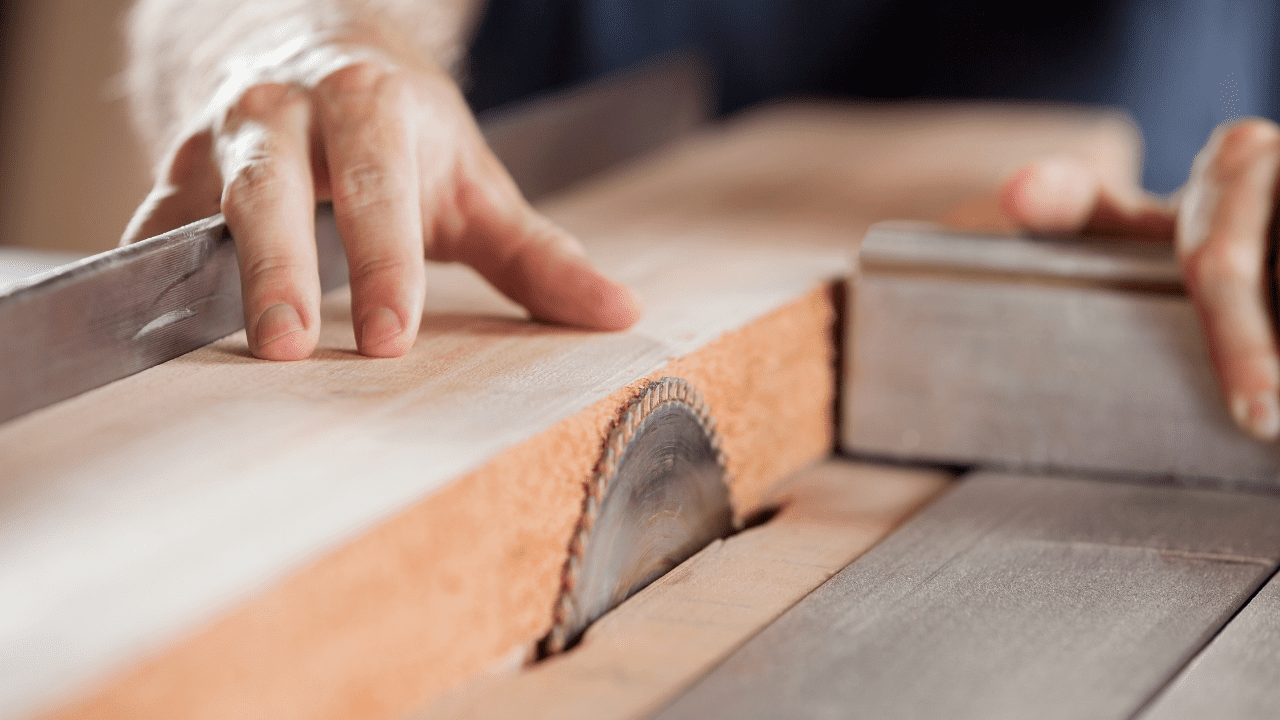
No one wants to admit that their project goes beyond their skill set or access to tools, but when it comes time for specific cuts, it requires equipment most residential workshops cannot afford. CNC cutting can achieve complex curves, details with rich design elements, or multiples that are all identical with tolerance variations of thousandths of an inch. A table saw with a straight edge can’t do that despite how experienced someone is.
Not to mention if you’re working with multiple of the same piece, cabinet parts over here, decorative panels over here, structural supports everywhere, interchangeability becomes key. Making a good cut one time is easy; making twenty identical cuts that can be interchangeable no problem is a different story, which is where Lovech takes the guesswork out of equity cutting from design files into reality without the error that uses materials unnecessarily.
It’s not the straight cuts that are the problems; it’s the angles, the curves, the intersections that need precision at multiple touch points; it’s cutting materials that split or tear or hack if you don’t have hands-on precision. It’s cutting larger pieces than people can handle in residential workshops.
What Precision Actually Delivers
If the cuts come out right, the rest is easy. Assembly becomes easier because parts fit right away. Finishes become easier because items stay in place thanks to lack of space when proper assembly occurs. The end result looks professional, not in the eyes of who did it, but who’s the professional in seeing how it’s done by making all components professionally done in tolerances.
Additionally, durability comes into play for proper fitted pieces through weight distribution stress identified appropriately. Pivoting parts pivot cleanly without binding or rattling down the road, or worse, coming off altogether. There are no minor benefits; it’s like comparing a project that’s working well versus wheels falling off in weeks or months.
For visible aspects, tolerances impact aesthetics not necessarily visible by human eye but immediately detectable, people know when things aren’t lined up cleanly even if they couldn’t tell you why on an eye exam. When lines are slightly not straight, spacing is semi-even but doesn’t quite track up; surfaces aren’t flush enough? They might not say anything but they’ll notice.
The Real Question
The question isn’t whether tolerances apply to your project; it’s whether you have the tools necessary to get it effectively done with time available versus bringing someone in who can help with cutting instead.
Consider what you’re actually good at versus what you’d rather skip. You might be amazing at creating and finishing, but measuring and cutting is the part that bores you into complacency. Or maybe you’re competent but don’t have the tools needed for today’s materials required. Maybe you’d just rather not spend a fortune later on replacing pieces to get them right instead of having someone devoted do it properly 100% of the time.
Cutting services aren’t admitting defeat; they’re getting realistic about time invested versus specialized equipment and experiences providing better results faster than it would take to carve something out yourself, and then find out it’s wrong multiple times in multiple settings before getting it right.
It’s like milling your own lumber or forging your own hardware, there’s something to be said for blending outsourced opportunities that save time later on since none of these things makes financial sense with all variables that’s ever necessary.
The jobs that turn out best were the ones created with honesty about what’s manageable, and what’s unnecessary, to get the cuts right from the beginning from pieces that fit together and operated how they needed so you could focus on better parts of your eventual project instead. It’s not about cutting corners; it’s about smart building.
See more DIY posts here

Becky is the voice behind Life in Velvet, an organised, intentional living blog focused on practical food, calm homes, thoughtful projects, and everyday systems that make real life feel easier. A mum of 3 living in the UK, Becky writes from lived experience, sharing what works, what doesn’t, and the decisions that make family life run more smoothly.
With a background in marketing and content writing, and over a decade of blogging experience, she brings a thoughtful, structured approach to everything from baking and home projects to routines and decision-making. Life in Velvet is where planning meets creativity, with ideas designed for real homes and real life.