
Key Takeaways
- Delia’s recipes work because they’re tested to death and written for real home kitchens, not professional setups
- Her step-by-step approach removes guesswork, making meal planning less stressful when you know dishes will actually turn out
- Classic British recipes give you a reliable rotation of meals the whole family will eat without complaints
- The Complete Cookery Course and How to Cook series create a proper foundation you can build on, not just random recipe collecting
- Once you’ve cooked a Delia recipe twice, you’ve basically got it memorised because the methods are so consistent
At a Glance
Best for: Families who want reliable, no-fuss recipes that actually work every time
Not ideal for: Adventurous cooks seeking Instagram-worthy fusion dishes or quick 15-minute meals
Time investment: Most recipes take 30-60 minutes active cooking, though many have longer oven times
Cost range: Generally budget-friendly using standard supermarket ingredients
Skill level needed: Absolute beginner to confident home cook
What you need: Basic kitchen equipment – Delia doesn’t assume you own specialist gadgets
Biggest mistake to avoid: Skipping her exact timings and temperatures (they’re there for a reason)
Quick win: Start with her spaghetti bolognese or shepherd’s pie – proper crowd-pleasers
My honest take: Not trendy, but that’s exactly why they work for actual family life
Why I Started Using Delia Smith for Family Meals
When you’re feeding a family every single night, you need recipes that just work. Not recipes that sound amazing but require seventeen specialty ingredients and three failed attempts before you get it right. Not recipes where half the family turns their nose up at something too adventurous.
I’d got myself into a right mess with meal planning. I was collecting random recipes from Instagram, food blogs, and wherever else caught my eye. Every week felt like starting from scratch. Some recipes were brilliant. Others were disasters that ended with me serving beans on toast at 7pm while trying not to cry over a pot of something inedible.
Then I properly started cooking from Delia Smith‘s books, and it clicked.
This post is for anyone who wants their meal planning to feel calmer and more predictable. If you’re tired of recipe roulette and want a solid foundation of meals you can rely on, Delia’s approach genuinely helps. If you’re looking for quick hacks or trendy fusion cooking, this probably isn’t for you.
What makes this different from other “why Delia is great” content? I’m going to explain exactly how her recipes fit into actual family meal planning systems, not just praise her in vague terms. You’ll see specific examples of how her methods make the weekly cooking routine genuinely easier.
The Delia Difference: Why Her Recipes Actually Work for Families
They’re Properly Tested (And It Shows)
Delia’s obsessive testing means when a recipe says “cook for 25 minutes until golden”, it actually takes 25 minutes and actually goes golden. This sounds basic, but it’s surprisingly rare.
Most recipes you find online have been tested once, maybe twice, often in completely different conditions than your kitchen. Delia tests everything multiple times, with different ovens, different brands of ingredients, different pan sizes. She accounts for the variables.
This matters enormously when you’re meal planning. You can genuinely rely on the timing she gives you. If you’ve got swimming lessons at 6pm, you know exactly when to start cooking to have dinner ready by 5:30. No surprises, no “oh it says 20 minutes but it’s been 40 and it’s still not done”.
When you’re planning a week of meals, that reliability is gold. You can look at Monday’s recipe and confidently say “right, that’s a 45-minute meal” and slot it into your schedule. With random internet recipes, you’re just guessing.
Written for Normal Home Kitchens
Delia doesn’t assume you own a KitchenAid, a food processor, three types of specialist knives, and a pasta machine. Her recipes work with basic equipment that most people actually have.
This makes meal planning so much simpler because you’re not constantly hitting roadblocks. You don’t get halfway through your prep and realise you need a piece of kit you don’t own. You can look at a week’s worth of Delia recipes and know you can actually make all of them with what’s in your kitchen right now.
She also writes for normal-sized hobs and ovens. Not massive range cookers. Not tiny studio flat kitchens either. Just standard UK home kitchens. Her roasting tins are the size you can actually buy in Tesco. Her cake tins are standard dimensions. Everything just fits.
The Instructions Are Crystal Clear
Delia explains each step as if she’s standing next to you in the kitchen. Not in a patronising way, but in a “here’s exactly what you need to do and what it should look like” way.
She tells you what colour things should turn. What texture you’re aiming for. What it should smell like. When other recipes say “cook until done”, Delia says “cook for 8 minutes until the onions are soft and pale gold but not brown”.
This clarity means less decision-making fatigue. When you’re cooking dinner after a long day, you don’t want to be making judgement calls about whether something is “done enough”. You want clear guidance. Delia provides it.
For meal planning, this means you can tackle recipes you’ve never made before with confidence. You’re not limited to the five things you already know how to cook. You can expand your rotation without the stress of wondering if you’re doing it right.
How Delia Recipes Fit Into Actual Meal Planning
Building a Reliable Rotation
The biggest meal planning challenge isn’t finding recipes. It’s finding recipes your family will actually eat, that you can cook competently, that use ingredients you can easily get, and that don’t take three hours on a Tuesday night.
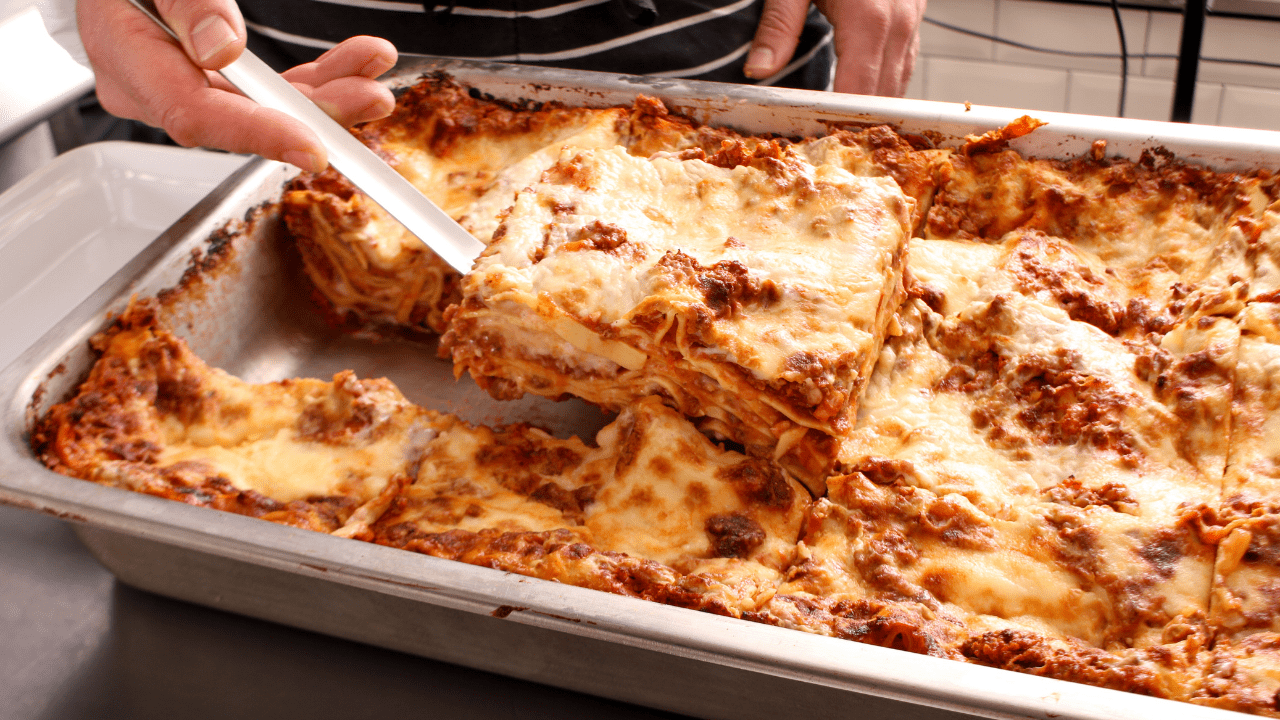
Delia’s classic British recipes solve this brilliantly because they’re fundamentally crowd-pleasers. Her cottage pie, her lasagne, her chicken casserole, her sausage and bean hotpot – these are meals most families will happily eat. No complaints, no “what is this”, just dinner.
Once you’ve cooked through maybe 15-20 Delia recipes that work for your family, you’ve got a proper rotation. Not a collection of random meals, but a cohesive set of reliable dinners you can cycle through. This is what makes meal planning actually functional rather than just a nice idea.
I keep a list on my phone of our “Delia standards” – about 25 recipes we’ve made multiple times and know work. When I’m planning the week, I pull from this list. Some weeks I add something new to test. But the foundation is solid.
Consistent Cooking Methods Mean Less Mental Load
Here’s something I didn’t expect: once you’ve cooked maybe five or six Delia recipes, you start seeing patterns. Her methods are incredibly consistent.
The way she browns meat is always the same. The way she makes white sauce is always the same. The way she roasts vegetables follows the same principles. This consistency means you’re not learning completely new techniques with every recipe.
For meal planning, this reduces the mental load significantly. You’re not starting from zero with each new recipe. You’re building on methods you already know. It makes trying new recipes far less daunting.
Shopping Lists That Make Sense
Delia uses ingredients you can actually buy in normal supermarkets. Not specialty delis. Not obscure online suppliers. Just Tesco, Sainsbury’s, Morrisons.
This makes grocery shopping for your meal plan straightforward. You’re not spending Sunday afternoon driving to three different shops trying to find sumac or za’atar or whatever trendy ingredient some recipe demands.
Her ingredient lists are also reasonable length. Most recipes need 8-12 ingredients, not 25. This keeps your shopping manageable and your cupboards from overflowing with half-used jars of things you bought for one recipe and never used again.
Proper Portions for Families
Delia’s recipes actually serve the number of people they claim to serve. If it says “serves 4”, it genuinely feeds four people with normal appetites. Not four people plus three extra servings. Not four people if they’re very small children.
This matters for meal planning because you can accurately predict whether you need to double a recipe, whether you’ll have leftovers for lunch, whether it’s worth making extra for the freezer.
Common Meal Planning Mistakes (And How Delia Helps Avoid Them)
Mistake: Choosing recipes that sound exciting but are too complicated for weeknights
Better approach: Delia’s recipes are honest about timing and complexity. Use her weeknight-friendly options (casseroles, pasta dishes, simple roasts) for busy days and save the more involved recipes for weekends.
Mistake: Not accounting for prep time vs cooking time
Better approach: Delia clearly separates prep from cooking time. Her “10 minutes prep, 1 hour cooking” means you can genuinely do other things while it’s in the oven – plan accordingly.
Mistake: Trying to meal plan with recipes from dozens of different sources
Better approach: Build your core rotation from one or two Delia books first. The consistency makes planning easier and shopping more efficient.
Mistake: Assuming you can modify recipes significantly on the first attempt
Better approach: Cook Delia’s recipes exactly as written the first time. Once you know how it’s meant to turn out, then you can adjust for your family’s preferences.
Which Delia Books Work Best for Family Meal Planning
Delia’s Complete Cookery Course
This is the foundation. If you only ever buy one Delia book, make it this one. It covers every basic technique and includes all the classic family meals you need in your rotation.
The book is organised by cooking method (roasting, braising, baking etc) which helps you understand the fundamentals rather than just following recipes. Once you understand how braising works, you can apply it to different ingredients with confidence.
For meal planning, this book gives you the reliable weeknight dinners you’ll cook again and again. The recipes aren’t fancy, but that’s the point. They’re proper, solid, family food.
Delia’s How to Cook Series
These three books (Books One, Two, and Three) are brilliant for building skills progressively. Book One assumes you genuinely don’t know how to boil an egg. By Book Three, you’re making pastry from scratch.
For families, Book One is surprisingly useful even if you’re not a complete beginner. It covers all the basics you might have gaps in – how to cook rice properly, how to make a decent omelette, how to roast a chicken so it’s actually juicy.
Book Two and Three expand your repertoire without getting overly complicated. They’re good for when you want to add new meals to your rotation but don’t want to suddenly be attempting restaurant-level cooking.
One is Fun! (For When You’re Cooking for Just Yourself)
This might seem odd for a family meal planning post, but hear me out. These single-portion recipes are brilliant for:
- When one family member has different dietary needs
- Lunch for yourself when everyone else is out
- Those nights when kids are eating something different and you want a proper meal
- Testing new recipes in small portions before scaling up
Having options for cooking just one portion removes the “well, I might as well just have toast” temptation when you’re not feeding the whole family.
Real-Life Delia Meal Planning: A Week’s Example
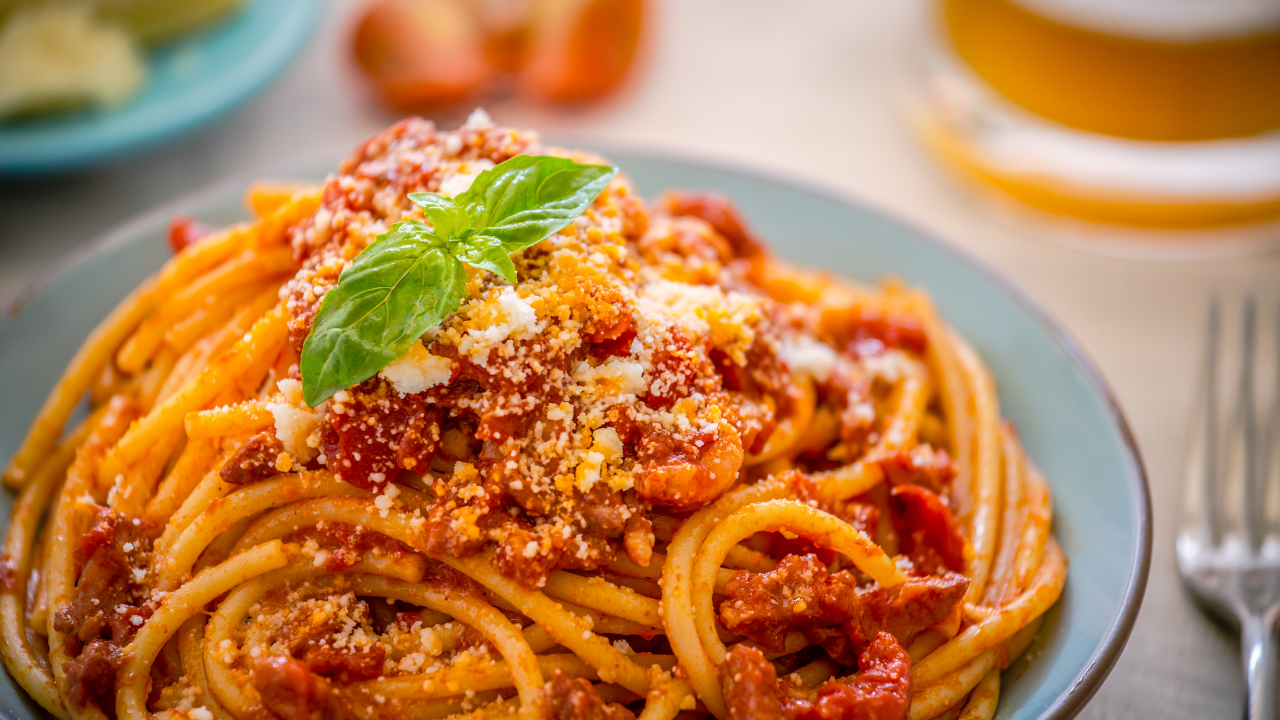
Monday: Spaghetti Bolognese
Delia’s bolognese is the version I come back to constantly. It takes about 20 minutes active cooking, then simmers for an hour while you sort homework and bathing. Serves our family of six with enough left over for someone’s lunch.
Why it works for Monday: Low mental load, mostly hands-off cooking time, universally accepted by all family members including the fussy eater.
Tuesday: Cottage Pie
Using leftover bolognese mince as a base, which Delia’s recipe is perfect for. Just add extra stock, vegetables, and top with mashed potato. 45 minutes total including prep.
Why it works for Tuesday: Leftovers transformed, uses up Monday’s mash if you made extra, can go in the oven while you deal with after-school chaos.
Wednesday: Chicken and Leek Pie
From the Complete Cookery Course. Make the filling the night before if you’re organised. Otherwise, it’s about an hour including cooking time.
Why it works for Wednesday: Comfort food midweek, can use shop-bought pastry to save time, reheats brilliantly if someone’s late.
Thursday: Quick Tomato and Basil Pasta
One of Delia’s simpler recipes. Ready in 20 minutes from start to finish.
Why it works for Thursday: Everyone’s tired, you need something fast, minimal washing up, can be on the table by 6pm even if you started late.
Friday: Fish Pie
Delia’s fish pie is reliable and fairly quick for a pie. About 40 minutes total.
Why it works for Friday: Feels a bit special without being stressful, good way to end the week, leftovers (if any) make excellent Saturday lunch.
Why Delia Works Better Than Recipe Apps and Websites
No Endless Scrolling Past Life Stories
You know how online recipes make you scroll through someone’s entire family history before you get to the actual ingredients? Delia’s books just give you the recipe. That’s it.
When you’re meal planning and need to quickly check ingredients or timing, this efficiency is brilliant. You can flip to a recipe and immediately see what you need. No waiting for ads to load. No accidentally closing the browser tab.
Recipes Don’t Disappear or Change
Websites change recipes, remove content, go offline entirely. Your Delia book will still be there in ten years with the exact same cottage pie recipe you’ve been making successfully all that time.
For building a long-term meal planning system, this permanence matters. You’re not constantly having to find replacement recipes because your saved links are now broken.
No Algorithm Pushing Trendy Nonsense
Recipe apps and websites are driven by what’s trending. Delia’s books are driven by what actually works. You’re not being pushed towards sourdough everything or air fryer hacks or whatever the current food fashion is.
This makes meal planning less exhausting because you’re not constantly feeling like you should be cooking differently. Delia’s approach is timeless. A good cottage pie was a good cottage pie in 1990 and it’s still a good cottage pie now.
Works Without Internet or Phone Battery
Genuinely underrated benefit: you can cook from a book when your phone’s dead or your internet’s down or you’ve left your phone upstairs and can’t be bothered to fetch it.
I’ve got flour-covered fingerprints all over my Complete Cookery Course. It lives on the kitchen shelf, always accessible, never running out of battery.
Comparison: Delia vs Other Recipe Sources for Family Meal Planning
| Aspect | Delia Smith | Recipe Websites | Food Influencer Accounts |
|---|---|---|---|
| Recipe reliability | Extensively tested, consistent results | Variable – some excellent, some untested | Often untested in normal kitchens |
| Instructions clarity | Step-by-step, detailed guidance | Ranges from excellent to vague | Usually brief, assumes knowledge |
| Ingredient accessibility | Standard supermarket items | Often includes hard-to-find ingredients | Frequently uses specialty items |
| Portion accuracy | Genuinely serves stated number | Often oversized or undersized | Rarely accurate |
| Long-term availability | Books don’t disappear | Links break, recipes removed | Posts deleted, accounts abandoned |
| Family-friendly focus | Classic crowd-pleasers | Mixed – some family meals, some not | Trends towards photogenic not practical |
This isn’t to say other sources are useless – they’re not. But for building a reliable meal planning foundation, Delia’s consistency wins.
Pro Tips for Using Delia Recipes in Your Meal Planning System
Start with one book and cook through it systematically
Don’t jump around multiple books collecting random recipes. Pick Complete Cookery Course or How to Cook Book One and work through the sections that appeal to you. This builds your skills coherently.
Make notes directly in the book
When you cook a recipe, scribble notes in the margin. “Family loved this”, “double next time”, “needs more seasoning for us”. Your Delia book becomes personalised to your family’s preferences.
Cook each recipe at least twice before deciding
First time you cook something new, you’re learning the method. Second time, you’re refining it. Only then can you fairly judge whether it belongs in your rotation.
Use weekend cooking to prep weekday Delia meals
Many Delia recipes have components you can make ahead. Sunday afternoon, make a batch of bolognese sauce or casserole base. Weeknight dinner becomes reheating and serving.
Keep a running list of your “Delia wins”
When a recipe becomes a family favourite, add it to a dedicated list. Over time, this becomes your personal meal planning bible – Delia’s recipes that specifically work for your household.
When Delia Recipes Don’t Work (Being Honest)
They’re Not Quick Midweek Meals
Most Delia recipes take at least 45 minutes to an hour total. If you genuinely need dinner on the table in 20 minutes, you’ll struggle. Her “quick” recipes are still proper cooking, not assembly jobs.
For those desperate weeknights, you need a different solution. I keep a separate list of actual quick meals (scrambled eggs, cheese toasties, pasta with butter and cheese) for when Delia’s timing doesn’t work.
They’re Not Particularly Adventurous
If your family loves trying new cuisines and exotic flavours, Delia might feel limiting. She does classic British food exceptionally well, but she’s not doing Korean fusion or Middle Eastern spices or Thai curries.
We use Delia for the foundation of our meal planning – the reliable 60-70% of meals. The other 30% comes from other sources when we want something different.
Some Recipes Feel Dated
A few recipes in the older books use ingredients or methods that feel very 1970s. Tinned vegetables where fresh would be better. Lots of double cream in places you might use Greek yoghurt now.
This isn’t necessarily a problem – often the method is still sound and you can modify ingredients. But occasionally you’ll hit a recipe that just feels like it belongs in a different era.
The Photos Aren’t Instagram-Worthy
Delia’s food photography is functional, not aspirational. Her cottage pie looks like cottage pie, not like something you’d see in a glossy magazine.
For some people, this is actually a relief – food that looks achievable. For others, it’s uninspiring. Know which camp you’re in.
Frequently Asked Questions
Do I need to own multiple Delia books or is one enough for family meal planning?
One book is genuinely enough to start – Complete Cookery Course gives you everything you need for a solid foundation. Once you’ve cooked through that and want to expand your range, add How to Cook Book One. You can build a complete meal planning system from just those two books without ever needing another recipe source. Additional Delia books are for when you want more variety or to develop specific skills, not necessities.
Are Delia Smith recipes suitable for cooking with children?
Most Delia recipes work brilliantly for cooking with children because the instructions are so clear and the methods are straightforward. How to Cook Book One is particularly good for this – it assumes no prior knowledge and builds skills step by step. The recipes generally involve standard techniques (mixing, stirring, measuring) rather than complicated knife work or high-heat cooking. That said, you’ll obviously need to supervise appropriately and choose recipes that match your children’s ages and abilities.
Can I meal prep Delia recipes in advance or do they need to be cooked fresh?
Many Delia recipes are excellent for meal prep – her casseroles, pies, and pasta sauces often taste better after a day or two. She usually specifies if something must be served immediately. For meal planning, this is brilliant because you can batch-cook at weekends and reheat during the week. Her bolognese, cottage pie filling, and most soup recipes freeze beautifully. The Complete Cookery Course often includes storage advice, though it’s not always prominent, so check each recipe.
How do Delia’s recipes work for dietary restrictions or allergies?
Delia’s recipes are written for standard British cooking, so they often include dairy, gluten, and meat. However, because her instructions are so detailed and her methods so clear, they’re actually quite good foundations for adaptation. You understand exactly what each ingredient is doing, which makes substitutions easier. That said, if you need extensively modified recipes, you might need dietary-specific cookbooks alongside Delia. Her books work well for “I need to avoid X” adjustments, less well for complete dietary overhauls.
Are Delia Smith’s ingredient measurements easy to follow if I’m not experienced with cooking?
Yes – Delia uses standard UK measurements (grams, millilitres, tablespoons) and her quantities are precise but not fussy. She doesn’t ask you to measure 73ml of stock or 127g of flour. Her measurements are round numbers that are easy to work with. The older books sometimes use imperial measurements alongside metric, which can look confusing at first, but just stick with whichever system you prefer. She also explains when exact measurement matters and when approximate is fine.
How long does it typically take to cook a Delia recipe for a family dinner?
Most family dinner recipes from Delia take 45 minutes to 1 hour total time, with about 15-20 minutes being active cooking and the rest being oven or simmer time. Quick recipes might be 30 minutes total. More involved weekend meals might be 1.5-2 hours. She’s very clear about timing in each recipe, listing prep time and cooking time separately. For meal planning, this honesty is helpful – you know exactly how much time to allocate and when you can be hands-off versus when you need to be actively cooking.
Why This Approach to Meal Planning Actually Sticks
The reason Delia-based meal planning works long-term isn’t because her recipes are revolutionary. It’s because they’re reliable.
Reliable means you can plan with confidence. You can look at the week ahead and slot in recipes knowing they’ll work. You can shop efficiently because you’re familiar with the ingredients. You can cook without constant stress about whether it’ll turn out.
This reliability removes the decision fatigue that kills most meal planning attempts. You’re not reinventing dinner every single week. You’ve got a foundation of meals that work, and you build from there.
Over time, cooking becomes less about following recipes word-for-word and more about understanding methods. Delia’s consistent approach teaches you how to cook, not just how to follow instructions. Once you’ve made her white sauce five times, you don’t need the recipe. You know how it works.
This is what makes meal planning sustainable rather than just another abandoned good intention. You’re building actual cooking competence, not just collecting pretty recipes you’ll never make again.

Getting Started: Your First Week with Delia Meal Planning
If you want to try this approach, here’s what I’d suggest:
Get hold of Delia’s Complete Cookery Course – library, charity shop, or buy it new. Flip through and mark five recipes that look appealing and doable for your family. Aim for variety – maybe a pasta dish, a pie, a casserole, a simple roast, and something with chicken.
Plan these five meals across your week, leaving two nights as “wildcards” (leftovers, something quick, takeaway, whatever). Shop specifically for these recipes, buying exactly what the ingredients lists say.
Cook each recipe following Delia’s instructions precisely. Don’t modify, don’t substitute, don’t skip steps. Just do what she says.
At the end of the week, assess which recipes worked for your family and which didn’t. The ones that worked go on your “Delia wins” list. The ones that didn’t – fair enough, not everything suits everyone.
Next week, repeat with five new recipes, gradually building your rotation of reliable family meals.
Within a month, you’ll have 15-20 tested recipes you know work. That’s a proper foundation for sustainable meal planning.
Delia for Family Meal Planning
Delia Smith recipes won’t make you an Instagram-famous cook. They won’t give you impressive dinner party stories about obscure ingredients you sourced from specialist importers.
What they will do is make feeding your family less stressful, more predictable, and more sustainable long-term.
Her recipes work because they’re designed to work, tested to work, and explained clearly enough that you can actually make them work in your kitchen with your equipment and your ingredients.
For meal planning, this reliability is everything. You need recipes you can count on, ingredients you can actually buy, methods you can genuinely execute on a Tuesday evening when you’re already tired.
Delia provides exactly that. Not exciting, perhaps. But genuinely helpful for making family cooking calmer and more manageable, which is rather the point.
See all of my favourite Delia Smith Recipes in one place, plus these ones here:
Delia Smith Pancakes
Delia Smith Pavlova
Delia Smith Scones
Delia Smith Chocolate Torte
Delia Smith Meringue
Delia Smith Red Cabbage
Delia Smith Lasagne
Delia Smith Plum Jam
Delia Smith Dundee Cake
Delia Smith Trifle

Becky is the voice behind Life in Velvet, an organised, intentional living blog focused on practical food, calm homes, thoughtful projects, and everyday systems that make real life feel easier. A mum of 3 living in the UK, Becky writes from lived experience, sharing what works, what doesn’t, and the decisions that make family life run more smoothly.
With a background in marketing and content writing, and over a decade of blogging experience, she brings a thoughtful, structured approach to everything from baking and home projects to routines and decision-making. Life in Velvet is where planning meets creativity, with ideas designed for real homes and real life.