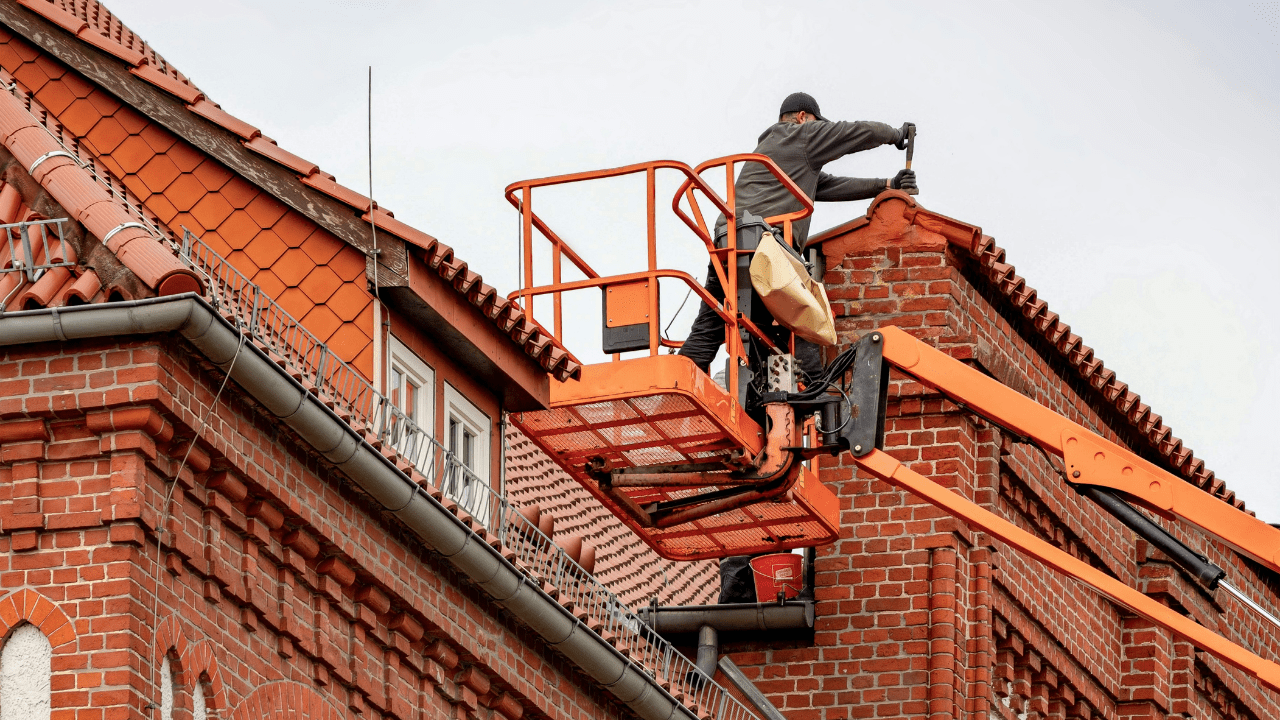
For many property owners, maintenance is about fixing things when they break. But that’s not maintenance—it’s damage control. Maintenance is about avoiding problems in the first place, and it’s more cost effective than most people think.
What’s the difference between a building that looks appealing after ten years versus one that looks worn in after three? Typically, only a few habits. Not challenging decisions, but checking on things regularly that most people ignore until they can no longer.
The Inspection No One Ever Thinks About
Every few months, walk around your property. Yes, walk around it. Look at the walls, assess the trim, feel where two materials meet. These are the entry points for failing materials where you’ll learn everything you need to know about what’s to come.
Cracks don’t pop up overnight. Paint doesn’t fail overnight. There are always signs—baby signs—that help you take action before water damage and rot occur. But most property owners never see them—because they aren’t looking.
What are you looking for? Any dull patches where paint is chalky compared to the rest, areas where caulking has detached or cracked, sections where a rough feel from rubbing your hand against it exists. These are not emergencies right this second. They will be in a year from now if you do nothing.
Good property managers keep a log. Nothing fancy—just notes about what they see and when, as over time, it’ll become easier to determine something needs attention versus looking at the same blemish every three months.
Understanding What Paint Actually Means
Paint is just paint, right? Wrong. Paint is a protective barrier against the elements, moisture, UV failure and once it starts to fail and wear, everything underneath is exposed.
But paint doesn’t fail overnight. It fades a little here and there and once that settles in, it’s chalking. Then it roughs up, and then cracks and peels. By the time it looks so bothersome in its state, the damage has likely already been done.
This is why knowing experienced professionals make a difference. Companies like Perth Professional Painters can understand surface conditions that might require touch ups before a full repaint is needed. Oftentimes areas are damaged, but the rest of the structure can wait a few more years.
Quality paint applied correctly can last 7-10 years in decent conditions. If you’re repainting every 3-4 years, there’s an issue with the product selection, application or preparation efforts. Do not accept that frequent repainting is just part of the process.

The Cleaning Schedule No One Considers
Dirt buildup isn’t just cosmetic failure. It keeps moisture against materials which deteriorates materials faster than necessary. It also prevents you from seeing any early-onset issues due to grime obscuring proper surface conditions.
One annual wash is more than you’d think. We’re not just talking about hosing things down—we’re talking about cleaning with solutions that remove mildew, pollutant residue and organic material growth. To some extent, this applies more to commercial structures than private ones as clients and customers take stock of how well your building is maintained.
Different surfaces require different touches. Painted wood requires something different compared to brick or vinyl or aluminum. Too much pressure on something could create failure instead of maintaining it; this is another area where research saves time or hiring someone who already knows what works best.
Act On Small Repairs Immediately
That crack in the trim? Now’s the time to patch it up. That caulking that separated? Get out your caulk gun this weekend and address it. Waiting will not make this job easier or cheaper—it’ll just keep letting water in so it destroys what’s behind—and you won’t even know yet.
Small repairs take minutes to do and cost almost nothing to acquire tools to fix. The repairs that you’ll need after ignoring small issues for two years take days and cost a fortune. This is either maintenance that keeps you happy with your budget or bleeding you dry because you’re neglecting cheap repairs that don’t require time or money—yet.
Always keep some basics—caulk, touch-up paint that matches the exterior, wood filler for timber trim—for easy access in case you need them. Otherwise, you’ll keep creating a mental list of small things that needs doing that will never get done.
Timing Is Everything
There is an ideal time to do exterior work—and doing it during harsh weather conditions is not ideal. Temperature and humidity and precipitation all dictate how well paint adheres and dries out; if you’re doing something during unnecessary circumstances then you’re assuring problems in 1-2 years.
Most exterior painting should take place in fair temperatures—not too hot or too cold—but with low humidity and no precipitation expected for at least 48 hours. If you’re rushing an event because of time constraints on your behalf, you’ll be paying for it by not having a viable finish.
This is why preventative maintenance trumps emergency repairs every single time. When you need to do something without any other option but right then and there, you’re forced into making uncomfortable choices; when you’re ahead of the game, you have time to spare.
What Commercial Property Owners Can’t Afford to Avoid
For business owners, there is no optionality for exterior maintenance anymore; your exterior first meets everyone who drives by or walks up to your door. Externally peeling paint or dirty surfaces tell consumers you don’t care about fine details—which means you’re probably delivering less-than-desirable service as well.
Retailers and hospitality businesses understand these intuitively—they put money into their look because they’ve evaluated return on investment—yet offices, warehouses and industrial spaces need just as much focus. Your employees are looking at the exterior daily. Your clients look at it once before they go in your building. Even vendors look at your building from afar.
A well-maintained commercial property has higher rents and tenant-retention opportunities; companies who operate out of poor-looking spaces fail because businesses prioritize looking good for their consumer-facing products. Landlords who understand this have lower turnover rates and greater tenant loyalty.
The True Cost of Deferred Maintenance
Deferred maintenance happens when there are all sorts of issues compounding upon each other—what was originally a $500 job is now a $5,000 restoration project. Paint failure creates wood rot. Wood rot creates structure problems. The right amount of money will never get spent if you defer everything over long periods of time—this transforms preventing efforts into complete replacements for whole siding or trim areas.
Insurance companies understand this too; properties with information substantiating maintenance have better rates because they’re lower risk; properties with visible neglect—either inside or out—pay higher premiums if they can even get coverage at all.
The math works no matter how it accumulates—always! Property owners who take down these efforts from minor costs per year instead of massive payouts during sporadic times see the benefit accrued over the property’s lifetime while making it look better at all stages in between.
The Property Maintenance Mindset
Properties that look new ten years in aren’t lucky; they’re fortunate enough to be maintained by people who realize that properties need tenable upkeep just like vehicles or other major investments. Thus exists a routine mentality—check the building exterior every season, wash once per year, address issues as they come up every three months/per each inspection and repaint before failure emerges.
This only happens when as a property owner you change your perspective on what maintenance means—you don’t want to spend money on a cost center; money means protection of your investment center and should be prioritized as such—the difference in longevity projected is astounding—from curb appeal to resale value.
It’s that simple! Pick one habit to implement now from above in order to begin—once that’s second nature revisit this list again and add another one to start planning before everything becomes overwhelming! Within a year you’ll have made everything new while avoiding costly pitfalls that generally catch most owners off guard!
See more home and property posts here

Becky is the voice behind Life in Velvet, an organised, intentional living blog focused on practical food, calm homes, thoughtful projects, and everyday systems that make real life feel easier. A mum of 3 living in the UK, Becky writes from lived experience, sharing what works, what doesn’t, and the decisions that make family life run more smoothly.
With a background in marketing and content writing, and over a decade of blogging experience, she brings a thoughtful, structured approach to everything from baking and home projects to routines and decision-making. Life in Velvet is where planning meets creativity, with ideas designed for real homes and real life.