
University neighborhoods have a certain energy that’s hard to find anywhere else. Coffee shops stay open late. Bookstores actually exist. There’s always something happening, whether it’s a weekend farmer’s market or a free concert on the campus lawn. But if you’re considering relocating to one of these areas, the experience comes with some quirks that real estate listings conveniently leave out.
Families, young professionals, and retirees are increasingly drawn to these vibrant pockets of their cities. The walkability is appealing. The cultural offerings are hard to beat. And property values near established institutions tend to hold steady even when the broader market gets shaky. If you’re seriously thinking about moving near universities, there are a few things worth knowing before you sign that lease or close on a house.
The Rental Calendar Runs on an Academic Schedule
Here’s something that catches a lot of people off guard: the rental market in university towns operates on its own timeline. Leases typically turn over in August, sometimes May for summer sublets. If you’re looking for housing in October or February, you might find slim pickings because most units locked in tenants months earlier.
This matters even if you’re buying, not renting. Sellers who know the rhythm will often list properties in spring to catch incoming faculty or graduate students. If you’re flexible on timing, shopping during the off-season (think November through January) could give you more negotiating power since there’s less competition. Real estate agents who specialize in university areas understand these cycles inside and out, so finding someone with local expertise can save you considerable time and frustration.
Parking Is a Whole Thing
Let’s talk about cars for a second. University areas tend to have serious parking situations. Street parking might be permit-only during certain hours. Game days can turn your quiet street into a free-for-all. And if your new place doesn’t come with dedicated parking, you’ll want to investigate the permit system before move-in day surprises you.
Some neighborhoods have graduated permit zones, meaning residents closest to campus pay more or face stricter restrictions. Others have time limits that make it nearly impossible to have guests over without constant meter feeding. Do your homework on this one. Swing by the area at different times of day to see what parking actually looks like in practice.
The Noise Factor Depends on Which Block You Choose
Not all streets in a university neighborhood are created equal. A house two blocks from the main campus drag will have a completely different vibe than one five blocks away. The closer you are to bars, fraternity and sorority houses, or major event venues, the livelier your weekends will be. And by livelier, I mean louder.
This isn’t necessarily a dealbreaker. Plenty of people love the buzz. But if you’re someone who treasures quiet Saturday mornings, spend time in the neighborhood before committing. Visit during a home football game. See what the area feels like on a Thursday night. Talk to people walking their dogs or grabbing coffee and ask them what they genuinely think. The research will save you a lot of regret, and locals usually have strong opinions they’re happy to share.
The Tenant Turnover Creates Interesting Opportunities
Because students cycle in and out every few years, you’ll find a robust secondhand market in university towns. Move-out weekends in particular can feel like citywide garage sales. Perfectly good furniture, appliances, and household items end up on curbs or listed for next to nothing on local marketplace apps.
If you’re furnishing a new place on a budget, timing your move to coincide with the end of a semester can work in your favor. It’s also worth connecting with local buy-nothing groups, which tend to be especially active in these areas.
Why the Right Moving Team Actually Matters Here
University neighborhoods present a unique set of challenges that can turn a straightforward move into a logistical puzzle. Those charming older homes near campus? They often come with narrow staircases, tight doorways, and third-floor walk-ups that weren’t designed with modern furniture dimensions in mind. The tree-lined streets everyone loves can mean low-hanging branches that limit which trucks can safely pass through.
Professional movers who regularly work in university districts already know which streets get congested during class changes, where the hidden loading zones are, and how to navigate buildings that were constructed before elevators became standard. They’ve figured out the workarounds that would take you hours to discover on your own.
There’s also the timing issue. During peak move-in weeks, the streets around campus can feel like controlled chaos. Experienced local movers know to start early, work efficiently, and anticipate the bottlenecks that trip up crews unfamiliar with the area. They understand that a move scheduled for orientation week requires different planning than one in mid-October.
Beyond logistics, there’s real value in working with a team that takes care with your belongings when navigating tricky spaces. Getting a vintage dresser up a curved Victorian staircase without damaging the walls or the piece itself takes skill and patience. So does maneuvering a sectional sofa through a doorway that’s six inches narrower than you’d expect. These are problems that disappear when you hire people who’ve solved them hundreds of times before.
Moving Day Logistics Require Extra Planning
University neighborhoods often have narrow streets, limited loading zones, and restricted access during certain events. If you’re hiring movers, let them know the specifics of your location. A truck that can easily navigate suburban cul-de-sacs might struggle with tight corners or overhead tree branches common in older college town neighborhoods. The Federal Motor Carrier Safety Administration offers helpful resources for researching moving companies and understanding your rights as a consumer.
Also consider timing. Moving during the last two weeks of August puts you in direct competition with thousands of students doing the exact same thing. If possible, schedule your move for early August or wait until after Labor Day when the initial rush has settled.
Community Resources Are Often Underutilized by Non-Students
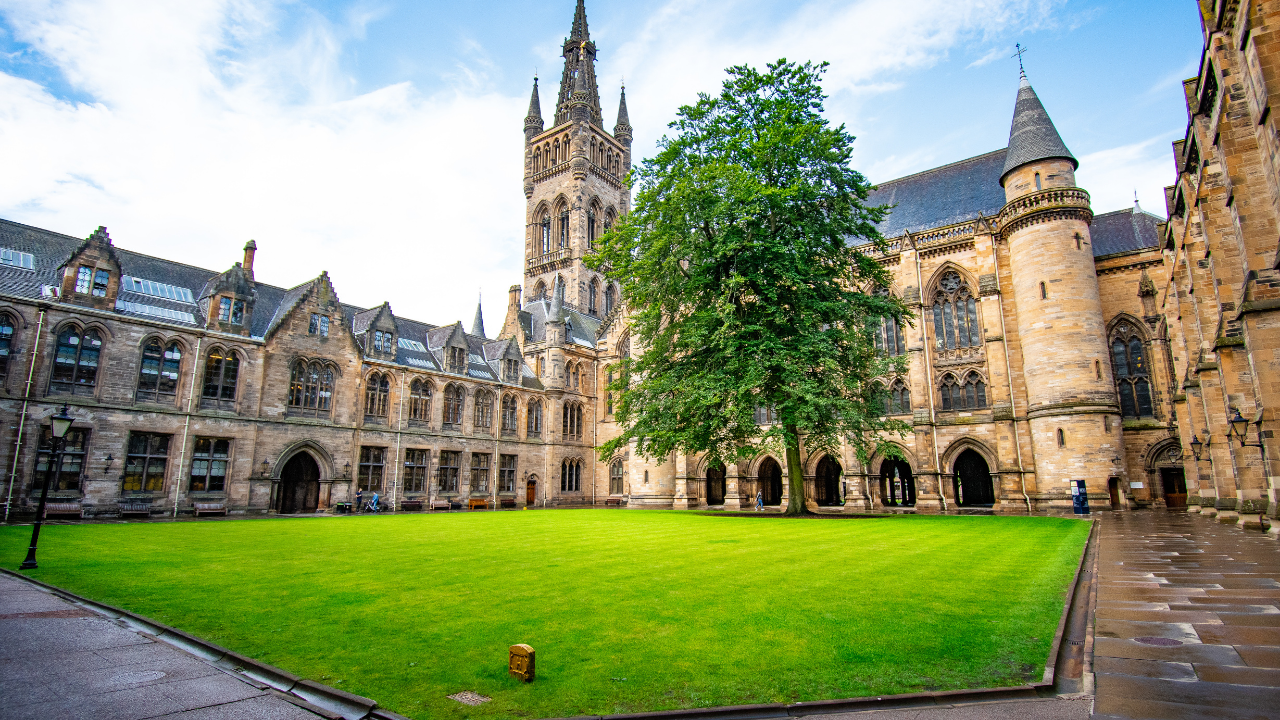
Universities are essentially small cities with incredible amenities, and many of them are open to the surrounding community. Libraries, recreation centers, public lectures, and arts programs frequently welcome area residents, sometimes for free or at reduced rates.
Check with the institution’s community relations office to learn what’s available. You might gain access to a world-class gym, free film screenings, continuing education courses, or special events that would cost a fortune elsewhere. Many universities also host farmers markets, art exhibitions, and guest speakers that are open to the public. These perks can significantly enhance your quality of life and make the quirks of living in a university area totally worth it.
The Long Game Tends to Favor University-Adjacent Properties
Major universities aren’t going anywhere. They’re anchor institutions that attract steady investment, create jobs, and support local businesses even during economic downturns. Properties in established university neighborhoods have historically shown resilience that comparable homes in other areas don’t always match.
This stability attracts a certain type of buyer and renter, which shapes the overall character of the neighborhood. You’ll likely find a mix of longtime residents, professors, graduate students, and young professionals. The demographics shift with the seasons, but the core community tends to remain remarkably consistent year after year. It creates a dynamic that stays interesting without becoming chaotic, and many people find this blend of stability and energy exactly what they’re looking for.
Making the Move Work for You
Relocating to a university neighborhood is a bit like learning to surf. There’s a rhythm to it, and once you understand that rhythm, everything flows more smoothly. The parking regulations make sense. The noise has predictable patterns. The academic calendar becomes your calendar.
The people who thrive in these neighborhoods tend to be curious types who appreciate intellectual energy and don’t mind a little controlled chaos. They value walkability, diverse food options, and having something interesting to do on a random Tuesday evening. If that sounds like you, start researching specific areas, talk to current residents, and visit during different times of the academic year. Your perfect university townhome is out there waiting.
See more property posts here

Becky is the voice behind Life in Velvet, an organised, intentional living blog focused on practical food, calm homes, thoughtful projects, and everyday systems that make real life feel easier. A mum of 3 living in the UK, Becky writes from lived experience, sharing what works, what doesn’t, and the decisions that make family life run more smoothly.
With a background in marketing and content writing, and over a decade of blogging experience, she brings a thoughtful, structured approach to everything from baking and home projects to routines and decision-making. Life in Velvet is where planning meets creativity, with ideas designed for real homes and real life.