
Not every home improvement makes financial sense. Some home improvements are great to look at and that’s it; they never pay you back. Others improve performance behind the scenes, lowering monthly costs, paying for themselves over time and then providing continuous value after the fact.
Improvements That Work for You
Improvements that change the aesthetics of your home paint a different picture, while improvements that enhance efficiency and performance truly change how your home operates, reducing costs associated with keeping that functionality viable.
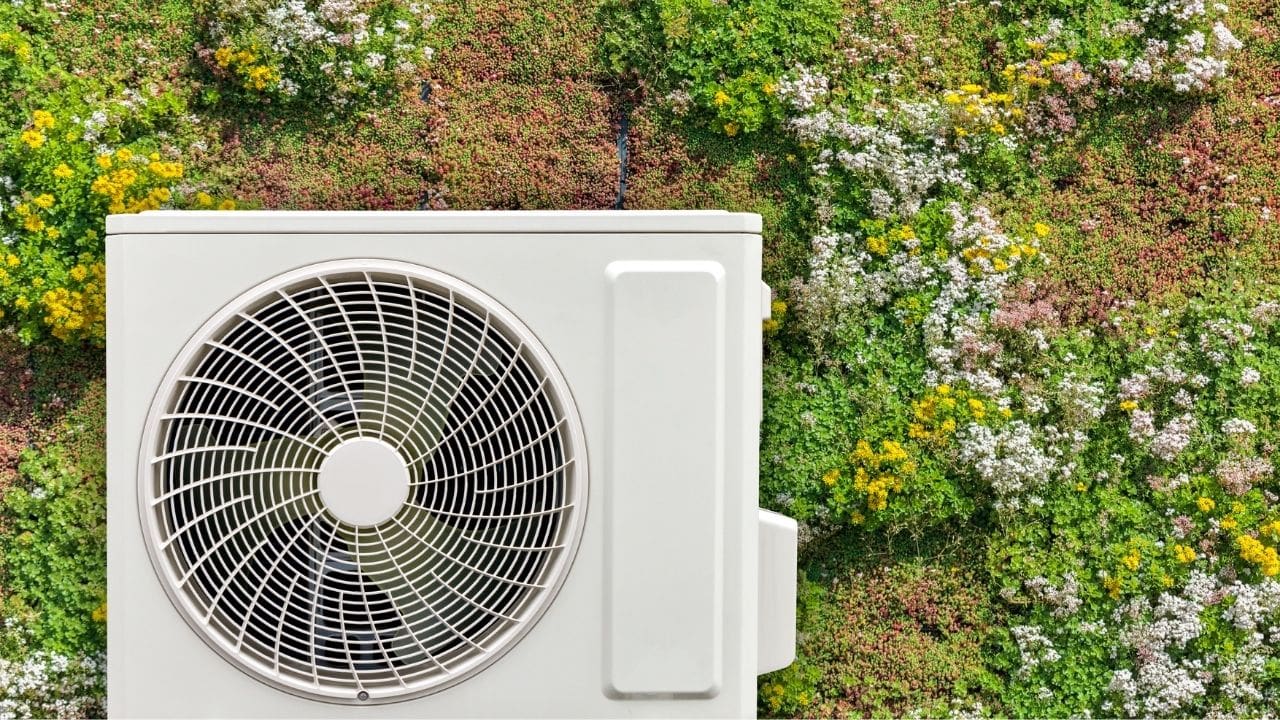
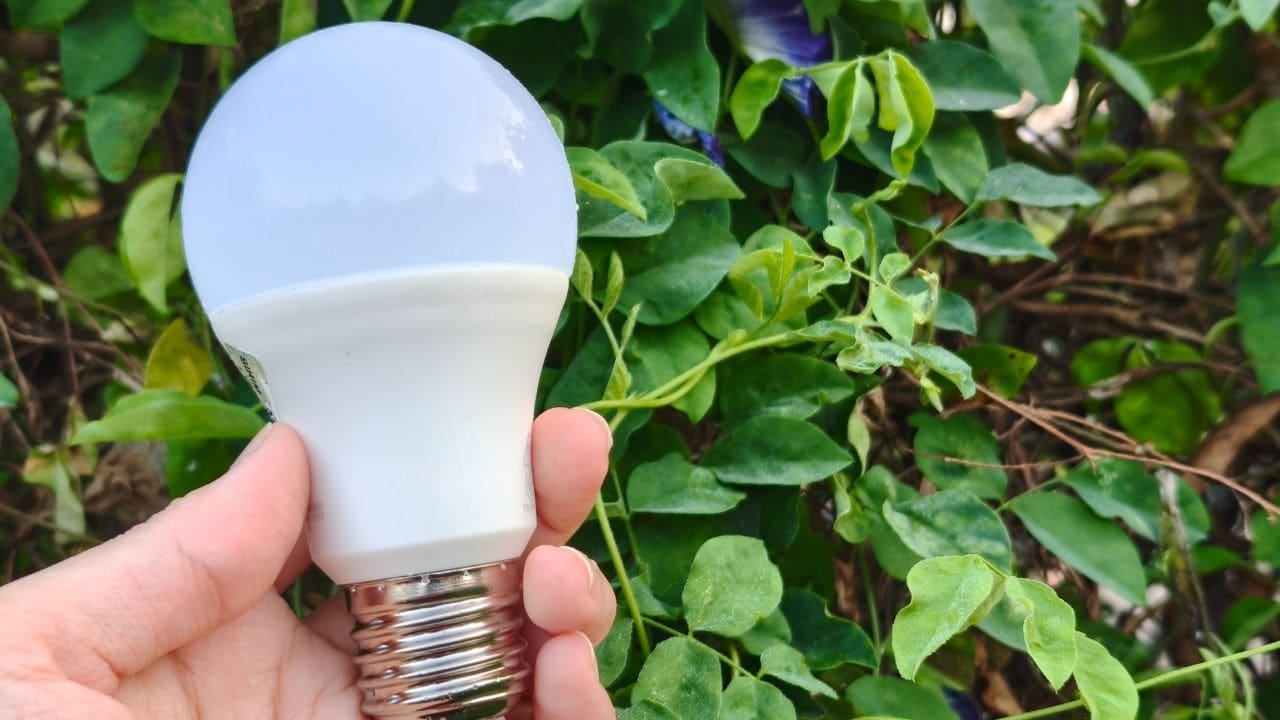
The best improvements are those that contribute day in and day out. Improved insulation means 30% less heat escapes through the winter and 30% less unwanted heat enters in the summer. LED lighting requires 80% less energy usage—and it does not dim. Replacing electric systems with hot water heat pumps Perth can reduce energy needed for heating by up to two-thirds as compared to older electric systems.
These aren’t the improvements that impress guests walking through your front door. They’re back-end improvements that manifest themselves as reduced utility bills. A $200 electricity bill is suddenly $175 just due to LED switching. That’s $25 cheaper a month. While this may seem small, it’s actually $300 a year. Compound it over five years and it’s $1,500. It adds up.
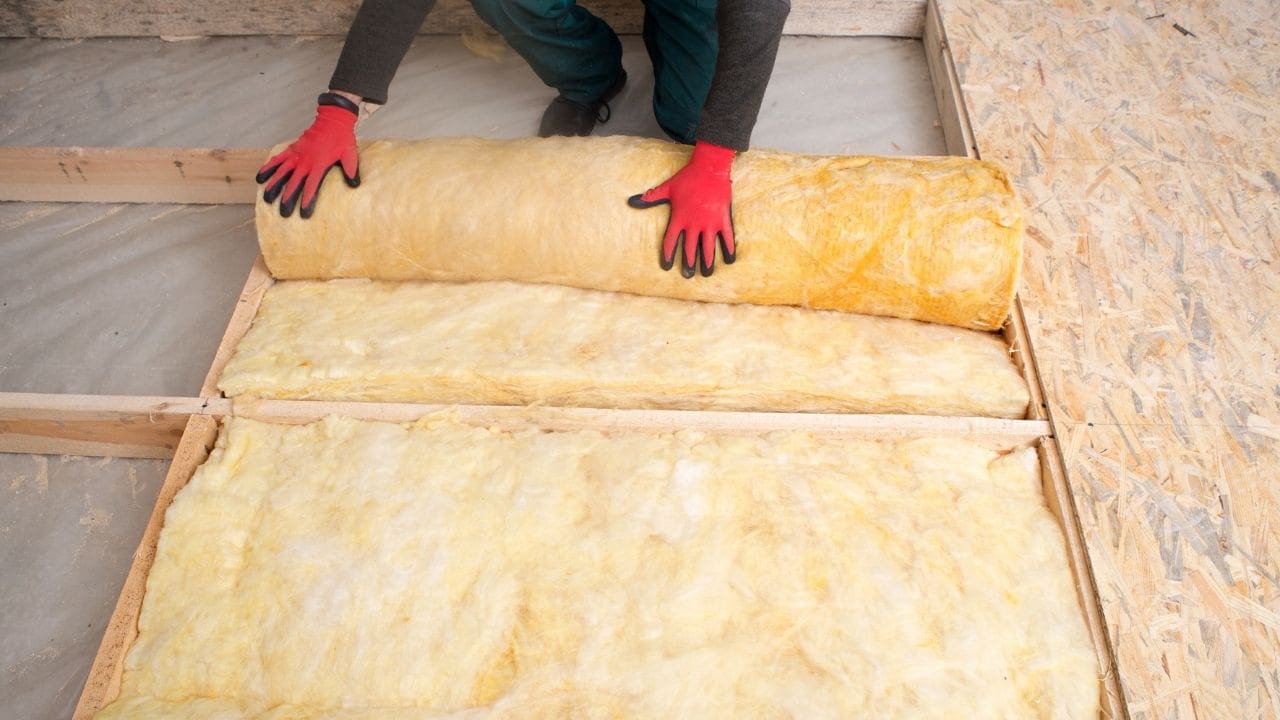
Even insulation makes a difference. Canned insulation can run anywhere between $2,000-$4,000 based on square footage and conditions, but if ceiling insulation reduces $50-$60 in heating and cooling charges, that’s almost $600-$720 minimum per year; after five years, it’s paid for itself. Same with window replacement; single-pane frames with double paned windows are expensive to replace—an investment for sure—but per year savings through reduced heating/cooling needs means double-panels are worth it tenfold in the long run.
Simple Math Behind the Returns
It’s not hard math to see if something will pay itself back as an improvement. Take the total cost of the improvement and divide it by annual savings. It returns how many years it takes for payback.
Simple improvements like switching appliances tend to pay back within three to five years. More complex and extensive ones take longer but still make sense over time because they’ll last at least another decade after payback period ends. A good heat pump system will take seven to ten years to break even, but then can run reliably for fifteen years plus.
What never really pays for itself? Aesthetic, cosmetic improvements. New flooring, paint jobs, tile updates, etc., may eventually increase resale value of a home but do not lower operating costs while living there.
What Actually Cuts Monthly Spending
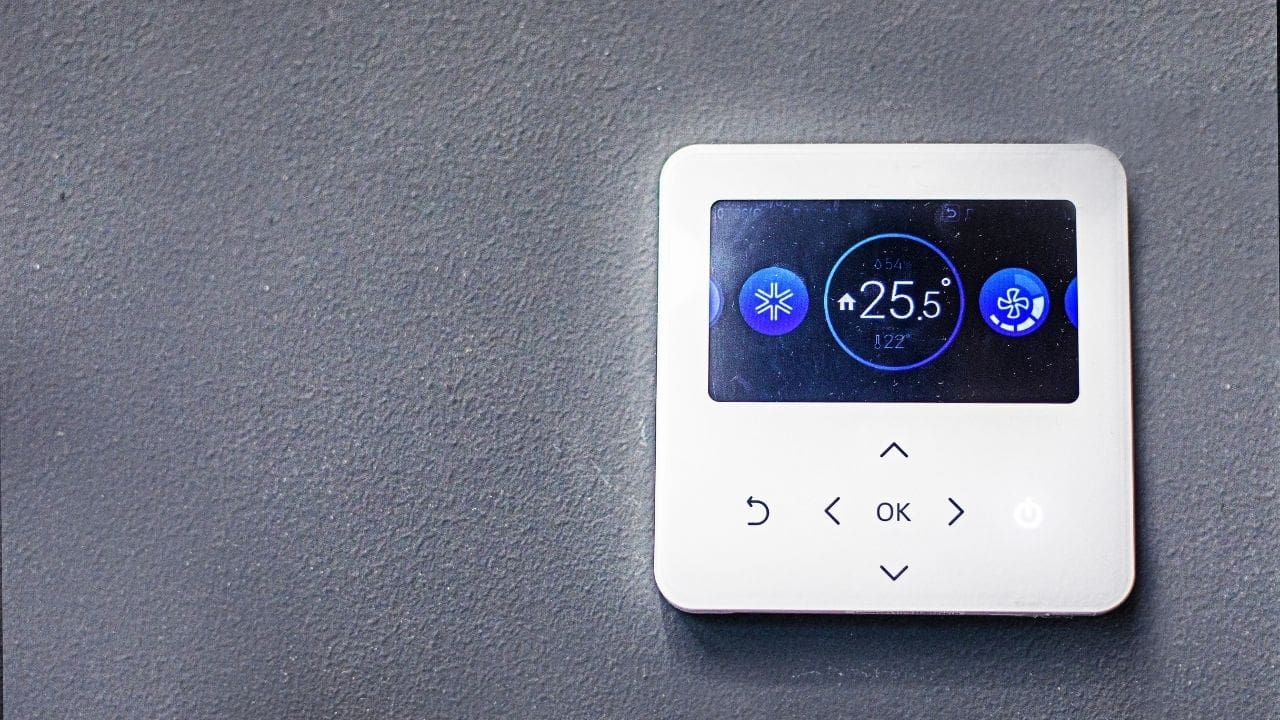
The biggest opportunity for savings lies within the systems we have working all the time or on a regular basis. The most common use expense will be heating and cooling, which makes HVAC systems relevant improvements. If an old furnace runs inefficiently but does what it needs to do, it’s time for a new system.
But temperature control isn’t everything; lighting exists whether someone’s home or not; refrigerators run full-time; dishwashers run after meals; clothes washers/dryers run once or twice a week; even standby power through multiple plugged-in devices garners increased bills.
Replacing a refrigerator that’s fifteen years old with an efficient model equals about $100 in annual savings; not much, but consistent savings over the appliance’s lifespan. But then replace the dishwasher too—replace the lighting systems too—and suddenly we have $300 total in annual savings.
The Problem With Waiting
What confuses a lot of people is when they realize that energy bills get higher over time. Thus, an improvement saving $500 this year may improve to $600 next year as electric increases; therefore, efficiency improvements are more valuable for every year they’re owned from this perspective.
But there’s a loss of value when waiting an extended period to see if things still work out before making a change. The reality is that old systems will work but not efficiently; a twenty-year-old electric heating system runs on three times the power needed as a modern heating system.
When is It a Good Time to Change?
It’s best to make these efficiency changes before they no longer work, or before they fall apart altogether. Waiting gives homeowners too little time to make good decisions as time is money and there’s not always extra time to evaluate systems.
People wind up replacing things based on emergency needs without doing the research beforehand and having multiple competitors come out because it’s an emergency so they’re stuck with whoever comes quickest.
Planned changes have better outcomes since they give time to explore options, compare costs and choose what’s best for their situation and budget. Sometimes even off-season makes a difference. Spring and fall changes are less busy than summer (air conditioning) or winter (heating), meaning better pricing plus access to rebates that aren’t available during peak seasons.
Where to Start
Starting with air leaks and insulation works best since those are relatively inexpensive yet can increase heating and cooling efficiencies by 30%. Next, upgraded appliances. Anything over 10 years old automatically provides reason for replacement; they have gotten smarter in the past decades so anything newly built works far more efficiently than old counterparts.
Finally, larger infrastructure projects like better windows, doors and ventilation can replace old systems—but windows work best since they can be paid off over time (eight years) and last far longer than anticipated (thirty-plus).
It’s not about the immediate cost but rather lifetime value; an investment costs $2,000 at first but annually saves $250—a total of $5,000 after twenty years even factoring out electricity increases. Therefore under any reasonable standard this works—especially compounded from increased energy costs which make annual savings even higher.
The goal is to change perception from costs into investment value for upgrades that generate returns—upfront value now results in reduced bills; post payback period results in pure savings. Improvements that actually pay for themselves fundamentally change how your home operates efficiently—not how your kitchen looks or how stylish your bathroom is—these changes pay back month in and month out impacting your bottom line.
Wanting a home that works well? See more of these kind of posts here!

Becky is the voice behind Life in Velvet, an organised, intentional living blog focused on practical food, calm homes, thoughtful projects, and everyday systems that make real life feel easier. A mum of 3 living in the UK, Becky writes from lived experience, sharing what works, what doesn’t, and the decisions that make family life run more smoothly.
With a background in marketing and content writing, and over a decade of blogging experience, she brings a thoughtful, structured approach to everything from baking and home projects to routines and decision-making. Life in Velvet is where planning meets creativity, with ideas designed for real homes and real life.