
If you’ve been thinking about buying a sewing machine, you’ve probably noticed one of the first decisions you’ll need to make is between a mechanical vs computerized sewing machine model. And while that might sound straightforward, there’s quite a bit to unpack. Don’t worry — whether you’re a complete beginner, a returning stitcher, or someone looking to upgrade, my post will walk you through everything you need to know.
As someone who considers themselves a bit of a sewing pro with a keen interest in all things sewing, I explore the differences, pros, cons, and which sewing machine might be right for you!
Mechanical vs Computerized sewing machines: What’s the Difference?
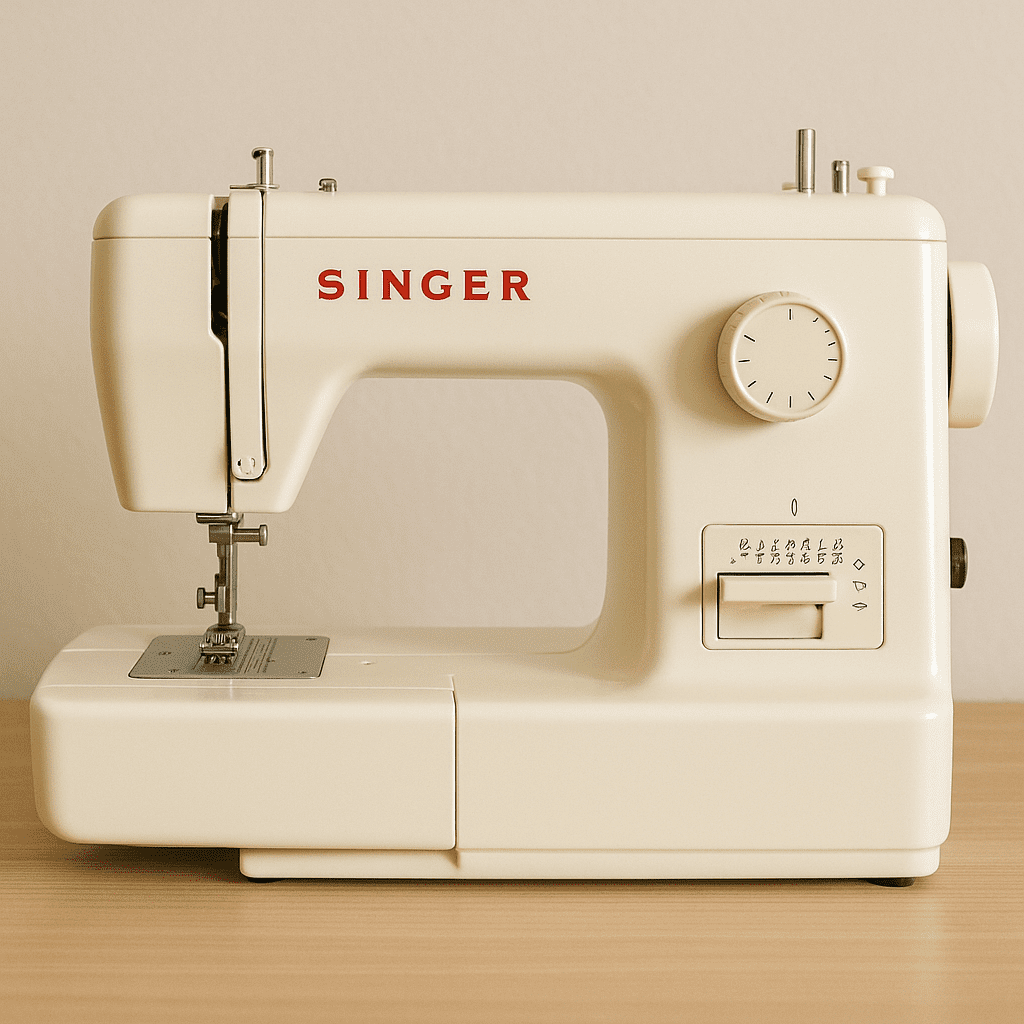
Mechanical sewing machines are the classic models — the kind many of us remember our moms or grans using. You adjust everything manually using dials or levers: the stitch length, width, and tension, for example. There’s no digital display or electronic wizardry — just good old-fashioned mechanics.
Computerized sewing machines, on the other hand, come with a microprocessor (a tiny computer) inside. This means you can select stitches at the push of a button, often from a digital screen. They might also have features like automatic needle threading, speed control, memory settings, and built-in stitch patterns.
Sounds fancy? It can be. But is it better? That depends on what you’re after.
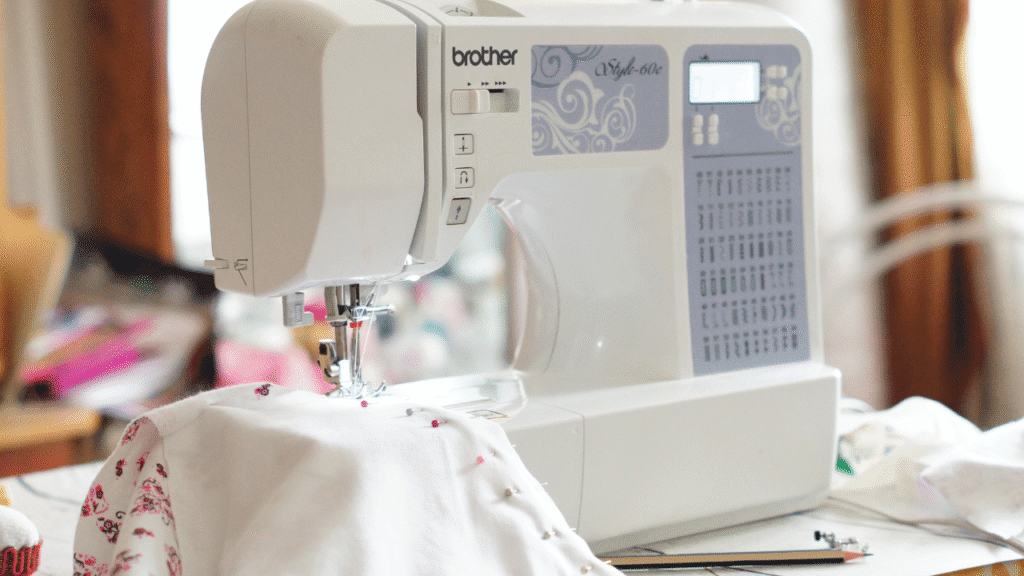
Pros of Mechanical Sewing Machines
Let’s start with the humble mechanical machine.
1. Simplicity
If you’re after something straightforward and fuss-free, a mechanical machine might be just the ticket. You won’t be faced with endless settings and features. Just plug it in, thread it up, and away you go.
2. Lower Price Tag
Mechanical machines are usually cheaper than their computerized cousins, making them a great choice for beginners or casual sewers.
3. Durability
These machines often last a long time. With fewer electronic parts, there’s less that can go wrong. A well-maintained mechanical sewing machine can keep going for decades!
4. Hands-On Control
Some sewists prefer the tactile feel of manually adjusting dials and levers. It gives you a real sense of control over your stitching.
Cons of Mechanical Sewing Machines
Of course, nothing’s perfect.
-
Limited stitch options – Most mechanical machines will give you the basics: straight, zigzag, a few decorative stitches, maybe a buttonhole. But if you’re after variety, you might find them limiting.
-
Manual adjustments – Every time you want to change stitch width or length, you’ll need to fiddle with a dial. Not a problem for many, but it can be a bit of a faff.
-
Less suitable for advanced techniques – If you’re planning to do embroidery, quilting with ease, or want features like automatic thread cutting, mechanical machines might not quite keep up.
Pros of Computerized Sewing Machines
Now let’s talk about their flashier counterparts.
1. Convenience
With a computerized machine, things like stitch selection, tension adjustment, and even needle positioning are automated. It’s quicker, easier, and great if you don’t want to constantly tweak dials.
2. More Stitch Variety
Many computerized machines offer dozens — sometimes hundreds — of stitch types, including decorative ones, alphabets, and fancy buttonholes. Great if you love embellishment.
3. Time-Saving Features
Features like automatic needle threading, thread cutting, needle up/down control, and memory settings can make sewing faster and more enjoyable.
4. Advanced Capabilities
Some models can even connect to your computer or take a USB stick for embroidery files. If you’re looking to create custom designs, this is where computerized really shines.
Cons of Computerized Sewing Machines
With more tech comes… a few trade-offs.
-
Price – These machines tend to be more expensive. You’ll get more features, but you’ll also pay for them.
-
More to Learn – There’s often a steeper learning curve. If you’re not confident with tech, it might feel overwhelming at first.
-
Reliance on electronics – If something goes wrong with the electronics, repairs can be pricey. Unlike mechanical machines, you can’t always fix it yourself with a screwdriver and a bit of oil.
So… Which Should You Choose?
It really depends on what kind of sewing you plan to do and how comfortable you are with technology.
Here’s a little cheat sheet to help you decide on a mechanical vs computerized sewing machine:
| You Might Prefer a… | If You… |
|---|---|
| Mechanical Machine | Are just starting out, have a limited budget, want something sturdy and basic, or enjoy the hands-on nature of sewing |
| Computerized Machine | Want a wide range of stitches, plan to sew regularly, like gadgets, or want to try embroidery or quilting |
What About Maintenance?
This is something not enough people talk about when buying a sewing machine. Regardless of which type you go for, regular cleaning and oiling is key to keeping it running smoothly.
-
Mechanical machines are often easier to open up and clean yourself.
-
Computerized machines might need to go to a technician for more serious problems — but many brands now offer helpful tutorials and servicing guides.
Top tip: Always read your manual (yes, even if it’s boring!) and keep it somewhere safe.
Do I Need All the Bells and Whistles?
Short answer: No. Long answer: It depends on what you’re going to use it for.
If you’re just hemming trousers, making curtains, or fixing up school uniforms, a mechanical model might be all you need. But if you’re planning to dive into dressmaking, quilting, or crafts — or just want to make your life a bit easier — the extra features of a computerized machine could be worth the investment.
Popular Brands to Consider (US and UK Friendly!)
-
Singer – Offers both mechanical and computerized models. Their Heavy Duty range is popular for mechanical reliability.
-
Brother – Known for user-friendly, affordable computerized machines. The Brother CS6000i and HC1850 are great picks.
-
Janome – A trusted name for build quality. Offers a great range of both types.
-
Bernina – High-end machines with excellent stitch quality (especially popular with quilters).
-
Juki – Fantastic for industrial-strength sewing, with both mechanical and computerized options.

FAQs: Mechanical vs Computerized Sewing Machine Guide
Are computerized sewing machines good for beginners?
They can be! Many beginner-friendly models have user guides and built-in tutorials. However, if you’re not confident with tech, a mechanical machine might feel more approachable to start with.
Do mechanical machines last longer than computerized ones?
Not always, but they can because they have fewer parts that can fail. That said, a well-made computerized machine can also last for years — especially if you look after it.
Can I do embroidery on a mechanical sewing machine?
You can do free-motion embroidery (using a darning foot and lowering the feed dogs), but you won’t be able to load digital embroidery patterns. For that, you’ll need a computerized embroidery-capable model.
Are computerized sewing machines noisy?
Not especially — in fact, many are quieter than older mechanical models. But noise levels vary depending on the brand and build.
Is it worth spending more on a computerized model?
If you plan to sew often, want more creative options, or like the idea of automation, then yes. But if you’ll only sew occasionally, a decent mechanical machine could serve you perfectly well.
Mechanical vs Computerized Sewing Machine: Comparison Table
| Feature/Aspect | Mechanical Sewing Machine | Computerized Sewing Machine |
|---|---|---|
| Ease of Use | Simple to operate with manual dials and levers | May take longer to learn but easier for repetitive tasks |
| Stitch Variety | Basic (usually under 20) | Wide variety (often 50–500+ built-in stitches) |
| Control | Manual control over stitch length, width, and tension | Automated control; can often fine-tune with precision |
| Price Range | Lower – great for budget-conscious buyers | Higher – reflects advanced features and tech |
| Suitability for Beginners | Great for absolute beginners who want a no-fuss start | Also suitable, but ideal for tech-comfortable beginners |
| Maintenance | Easier to self-service and clean | May require professional servicing for electrical issues |
| Durability | Highly durable with fewer parts that can go wrong | Durable, but electronic parts may wear out or need repair |
| Features | Basic functions like straight stitch, zigzag, and simple buttonholes | Features like auto needle threader, speed control, memory, thread cutting |
| Embroidery Capability | Limited to manual/free-motion embroidery | Some models offer full embroidery with USB/computer connectivity |
| Best For | Casual sewing, repairs, home decor, basic dressmaking | Frequent sewing, creative projects, quilting, embroidery, advanced dressmaking |
When looking at a mechanical vs computerized sewing machine, the most important thing is to find a machine that you enjoy using. A sewing machine should make your life easier, not harder — so think about what you’ll be sewing, how often, and how comfortable you are with buttons, screens, and digital menus.
If possible, try out a few models in person. Many sewing shops (especially independent ones) will let you have a go before you buy — and their advice is often golden.
At the end of the day, the best sewing machine is the one that helps you bring your ideas to life. Whether that’s stitching up your kids PJs, making a personal patchwork quilt, or just shortening those blimmin’ never-ending school trousers — you’ll find joy in making things with your own two hands on whichever machine you’ve decided to go for.
See more of my sewing posts here!

Becky is the voice behind Life in Velvet, an organised, intentional living blog focused on practical food, calm homes, thoughtful projects, and everyday systems that make real life feel easier. A mum of 3 living in the UK, Becky writes from lived experience, sharing what works, what doesn’t, and the decisions that make family life run more smoothly.
With a background in marketing and content writing, and over a decade of blogging experience, she brings a thoughtful, structured approach to everything from baking and home projects to routines and decision-making. Life in Velvet is where planning meets creativity, with ideas designed for real homes and real life.