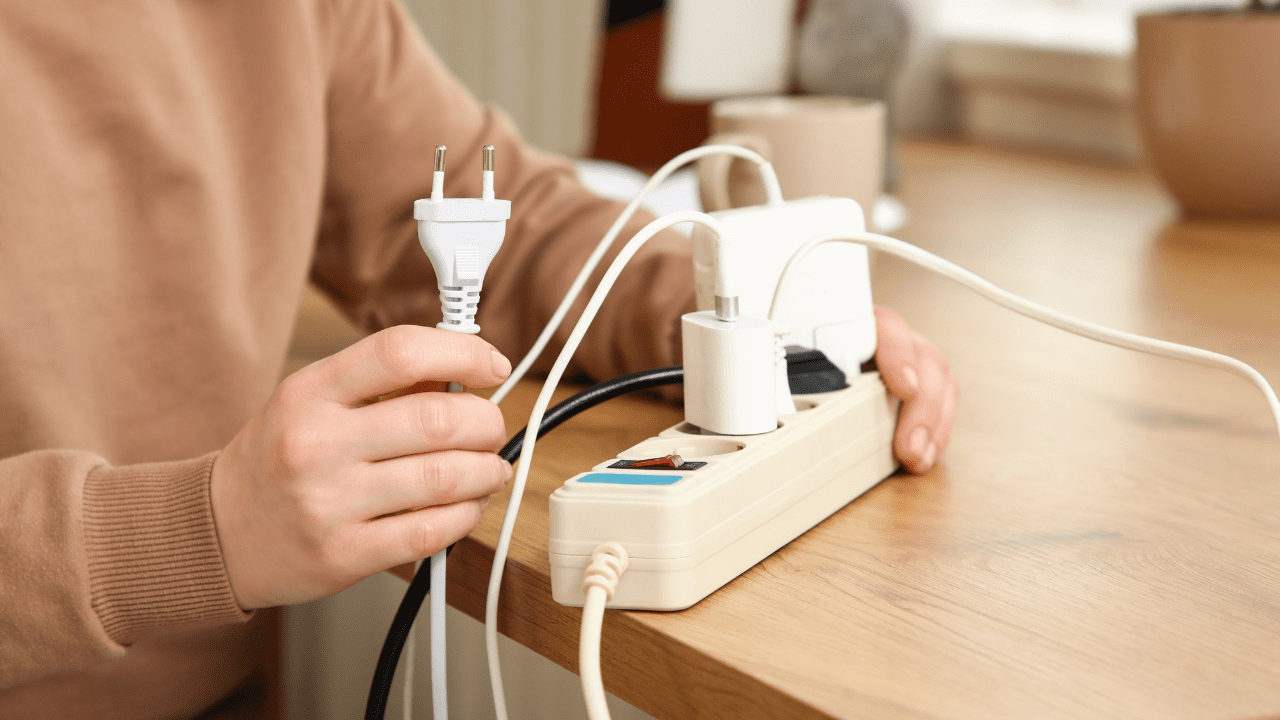
Most people have a drawer somewhere filled with old phones, tangled chargers, and gadgets they haven’t touched in years. There’s that laptop from 2012 that still turns on (barely), a box of cables no one can identify, and maybe three different MP3 players from the pre-streaming era. The plan is always to deal with it eventually, but “eventually” never quite arrives.
The hesitation makes sense. Throwing electronics in the trash feels wrong, but figuring out the right way to dispose of them seems complicated. Add to that the vague guilt about contributing to waste problems, and it’s easier to just shove everything back in the closet and forget about it for another year.
Here’s the thing though—keeping old electronics around isn’t the eco-friendly choice it might feel like. That drawer of forgotten tech isn’t doing anyone any favors, and clearing it out doesn’t have to be the overwhelming project most people imagine.
Why Old Electronics Deserve Better Than Your Junk Drawer
Electronic devices contain materials that shouldn’t end up in landfills. Batteries can leak harmful chemicals. Circuit boards have trace amounts of heavy metals. Even that innocent-looking smartphone contains substances that need proper handling. When electronics sit unused in storage, those materials aren’t being recovered or reused—they’re just taking up space while new devices get manufactured to replace them.
There’s also the practical side. Old technology doesn’t age well. Batteries degrade whether you’re using them or not. Screens can develop issues from humidity. Hard drives fail. That laptop you’re keeping “just in case” becomes less useful with each passing year, and its components become harder to salvage for recycling. The longer old tech sits around, the less value it retains for recovery purposes.
The Data Worry That Keeps People Holding On
One major reason people hesitate to recycle electronics is data security. That old phone has photos. The laptop has saved passwords. The external hard drive has years of files. The fear of personal information ending up in the wrong hands is legitimate, and it stops a lot of people from taking action.
But this concern, while valid, is manageable. Most newer devices have factory reset options that wipe data effectively. For older computers, free software tools can overwrite hard drives multiple times, making recovery nearly impossible. Physically destroying storage devices is also an option for anyone truly paranoid about data recovery. Professional services that handle e-waste recycling Melbourne typically offer data destruction as part of their process, which removes the burden of figuring it out alone.
The key is addressing the data concern head-on rather than using it as an excuse to keep storing broken devices indefinitely. Once the data is gone, there’s no real reason to hang onto hardware that serves no purpose.
What Actually Counts as Worth Keeping
Not every old device needs to go immediately. Some electronics have legitimate secondary uses. An old tablet might work perfectly fine as a dedicated e-reader or smart home controller. A previous-generation phone can serve as a backup device or music player for the gym. Older laptops can run lightweight operating systems for basic tasks.
The distinction is between devices that serve a real function and those collecting dust “just in case.” If something hasn’t been used in over a year and there’s no specific plan for it, that’s a strong signal it’s time to let it go. The “what if I need it someday” logic rarely pans out, especially with technology that becomes obsolete quickly.
For items that might still have value, selling or donating is worth considering. Working devices in decent condition can find new homes through online marketplaces or charitable organizations. Even older technology that seems outdated might be useful to someone who needs basic functionality without the cost of new equipment.
The Actual Process Isn’t as Hard as It Seems
The mental barrier to clearing out old tech is often bigger than the actual task. Most regions have multiple options for electronics disposal, and many are surprisingly convenient. Retailers often accept old devices for recycling when customers buy new ones. Community collection events happen regularly in many areas. Drop-off locations exist specifically for electronics that can’t go in regular recycling bins.
For anyone dealing with larger quantities—businesses clearing out old office equipment or households with years of accumulated devices—specialized pickup services exist. This removes the need to transport everything personally, which is often the biggest logistical hurdle.
The important thing is choosing a proper disposal method rather than treating electronics as regular garbage. That might sound obvious, but plenty of old devices still end up in landfills because it’s the easiest option in the moment. Taking an extra step to ensure proper recycling makes a measurable difference in reducing toxic waste and recovering valuable materials.
Getting Past the Guilt
Part of the guilt around electronic waste comes from the knowledge that we’re all participating in a wasteful cycle. New phones every few years, laptops that become obsolete, gadgets that break just after warranty periods end. The entire system encourages constant replacement and consumption.
But individual guilt doesn’t solve systemic problems. Holding onto broken electronics doesn’t change manufacturing practices or planned obsolescence. What does help is making responsible choices about disposal when the time comes. Recycling old devices properly ensures materials get recovered and reused rather than wasted. It’s not a perfect solution to larger environmental issues, but it’s better than the alternative.
The other side of guilt involves the money spent on devices that didn’t get enough use. That expensive tablet that barely got touched. The smartwatch that seemed essential but ended up in a drawer. Keeping these items doesn’t recoup the investment—it just serves as a constant reminder of the purchase. Clearing them out removes that mental clutter along with the physical clutter.
Making It Happen This Time
The difference between planning to clear out old tech and actually doing it usually comes down to momentum. Setting a specific date helps. So does starting small—maybe just tackling one drawer or shelf rather than trying to sort through everything at once.
Gathering devices in one place makes the scope of the project visible, which can be motivating. Seeing exactly how many old chargers or defunct devices have accumulated makes the case for action stronger than leaving everything scattered across different storage spots.
Most people find that once they start the process, it goes faster than expected. The hardest part is making the decision and taking the first step. After that, it’s just a matter of sorting, wiping data, and getting things to the appropriate recycling point. No guilt required.
See more home organisation posts here

Becky is the voice behind Life in Velvet, an organised, intentional living blog focused on practical food, calm homes, thoughtful projects, and everyday systems that make real life feel easier. A mum of 3 living in the UK, Becky writes from lived experience, sharing what works, what doesn’t, and the decisions that make family life run more smoothly.
With a background in marketing and content writing, and over a decade of blogging experience, she brings a thoughtful, structured approach to everything from baking and home projects to routines and decision-making. Life in Velvet is where planning meets creativity, with ideas designed for real homes and real life.