
If you’ve ever fought orange peel, spitting, or mysterious clogs while spraying, you already know this truth: the paint you put in an HVLP sprayer matters as much as the sprayer itself! The right coating can make your finish look like glass. The wrong one slows you down, wastes material, and makes you swear off spraying for a while.
On my blog today I’ll walk you through everything that actually affects how paint behaves in a high-volume, low-pressure system. You’ll learn which paint types spray best, how to read a can or data sheet, the role of viscosity and thinning, when to use conditioners, what nozzle sizes to reach for, and how to pick proven, and paint options for cabinets, trim, furniture, metal, and more.
HVLP basics that influence paint choice
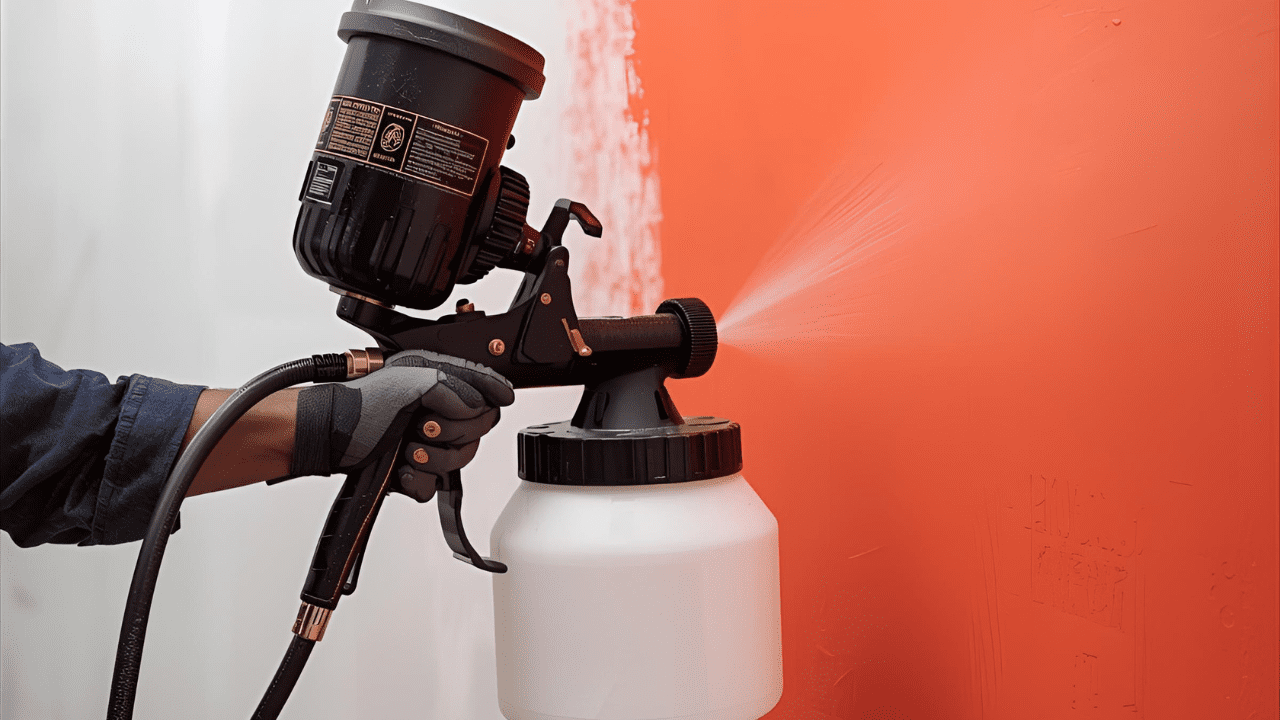
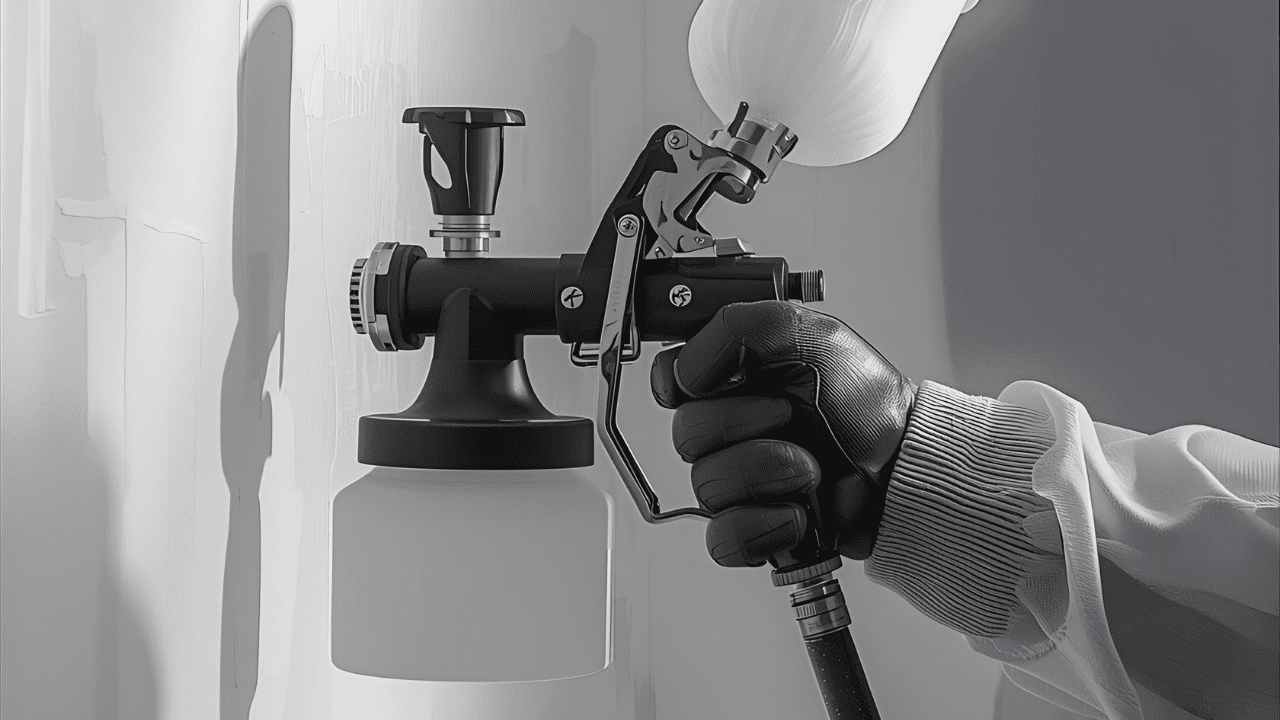
An HVLP sprayer atomizes paint with lots of air at low pressure. That gentle atomization gives you better control and less overspray than airless, which is perfect for fine finishes on doors, cabinets, furniture, and built-ins. The tradeoff is that HVLP isn’t a fan of very thick coatings straight from the can. Two things make or break your results:
-
Viscosity – how thick or thin the paint is.
-
Nozzle/needle size – the size of the opening the paint passes through.
As a simple starting point for HVLP gun setups:
-
1.2–1.4 mm works for thin materials like lacquers and most clear finishes.
-
1.4–1.6 mm is a sweet spot for many waterborne enamels used on cabinets and trim.
-
1.7–2.0+ mm is for heavier primers and thicker latex paints, especially when you don’t want to over-thin.
These are guidelines. Always check the manufacturer’s tech sheet and your gun manual.
The paint types that play nicest with HVLP
When you’re choosing the best paint for an HVLP sprayer, think about the surface, the durability you need, and how smooth you want the finish. Then pick a paint with the chemistry that matches!
1) Waterborne alkyd/urethane enamels (top choice for cabinets, trim, and doors)
These coatings level like traditional oil enamel but clean up with water. They cure to a hard, durable film and lay down beautifully with HVLP when you match viscosity and tip size.
-
Sherwin-Williams Emerald Urethane Trim Enamel – a water-based enamel designed for a hard, durable finish on cabinets, doors, and trim. It resists yellowing compared to traditional oils. Great flow and durability for high-touch surfaces.
-
Benjamin Moore ADVANCE (waterborne alkyd) – known for long open time and good leveling with soap-and-water cleanup. Benjamin Moore’s Gennex colorant system keeps VOCs low even in deep colors.
-
BEHR Premium Urethane Alkyd Enamel – a widely available Home Depot option for interior/exterior use with good flow and adhesion.
These are often the best paints for HVLP on cabinets because they atomize well, level out, and deliver a durable, scrubbable finish once cured.
2) Waterborne acrylic “cabinet” or furniture paints
If you’re after a smooth furniture-grade look with easy spraying and low odor, furniture paints are a friendly pick.
-
General Finishes Milk Paint (modern acrylic “milk” paint) – low-VOC, self-sealing, sprays easily for cabinets and furniture; add a protective topcoat if you need extra sheen or abrasion resistance.
3) Traditional oil/solvent-based enamels (for metal and outdoor toughness)
For railings, equipment, and metal furniture, an alkyd enamel is still a tank. HVLP can spray it well with the right tip and reducer, plus proper PPE.
-
Rust-Oleum Professional High Performance Protective Enamel – durable coverage for metal, wood, and masonry; available as brush, roll, or spray variants at big-box stores.
4) Standard interior latex wall paints (possible with the right setup)
HVLP can spray interior latex (like wall paint), but it usually needs more finesse: larger nozzle, careful thinning or conditioner, and perfect filtration. If walls are your main task, an airless sprayer is faster. For selective wall sections or trim with HVLP, plan on a 1.8–2.0 mm tip and a test panel to dial in viscosity.
How to read a paint label or data sheet like a pro
Labels and technical data sheets (TDS) list the details that matter to spraying:
-
Recommended thinning – some waterborne enamels say “spray as is” or give a maximum percentage of water or reducer.
-
Dry and recoat times – tells you how long to wait between passes.
-
Application methods – look for “spray application” guidance.
-
Clean-up – usually water for waterborne products, mineral spirits for oil.
Example: the Emerald Urethane Trim Enamel TDS describes it as a water-based enamel built on a urethane-modified alkyd system for a hard, durable finish. That’s the clue it will level well and cure hard on cabinets, doors, and trim.
Behr’s product sheets for Urethane Alkyd Enamel likewise emphasize oil-like performance with water cleanup. This is exactly what you want for an HVLP-friendly cabinet enamel.
Viscosity and thinning: your HVLP superpower
Viscosity is the number one variable you control. Too thick and your fan is streaky with poor atomization. Too thin and you’ll get runs and reduced coverage. A simple way to hit the sweet spot is to measure viscosity with a Zahn #2 viscosity cup and a stopwatch.
-
A Zahn cup measures the time it takes for paint to drain out in seconds. Coatings pros often target roughly 15–30 seconds in a Zahn #2 cup for spray-friendly viscosity, depending on the product and gun.
-
Zahn cups are standardized tools in the paint world. They’re inexpensive and easy to use, and you’ll find reference charts from finishing brands that map “seconds” to typical materials.
Practical workflow
-
Strain the paint.
-
Dip the cup, lift, and time to the first stream break.
-
If the seconds are high (too thick), thin within the product’s limits. If the seconds are very low, the paint is too thin.
Typical HVLP thinning ratio for waterborne enamels is often 0–10% water to start, testing on scrap before you add more. Some fine-finish systems suggest 10% and adjusting in small increments until your cup time, fan shape, and surface leveling look right. Always stay within the product’s TDS limits.
Conditioners and extenders that make waterborne paints spray better
Sometimes, you don’t want to thin with water because you’ll reduce coverage or raise the grain on bare wood. That’s when flow additives are handy.
-
Flood Floetrol — a conditioner for acrylic/latex that improves flow and leveling and can make heavy latex paints spray more forgivingly. Widely stocked at Lowe’s and Home Depot.
-
Benjamin Moore Extender 518 — formulated to extend open time and improve flow in Benjamin Moore’s waterborne paints without hurting the cured film. A favorite for ADVANCE and other BM lines.
-
XIM Latex X-Tender — an open-time extender that improves flow and leveling in water-based paints and primers.
Use conditioners sparingly and per label instructions. They are not a substitute for correct nozzle size and viscosity, but they can smooth out lap marks and give your coat more time to level.
Don’t skip filtering and straining
Even brand-new paint can hold nibs that cause tip clogs and spitting. Strain every quart or gallon through a cone strainer (100–190 microns is common for fine finishes) and consider an inline gun filter if your system accepts it. Graco and Fuji both sell purpose-made filters that drop into the cup or gun body.
Matching paint to project: quick picks with US-available options
Here are proven coatings that pair well with HVLP for specific jobs. Always verify with a test panel and your gun’s recommended nozzle set.
Cabinets, trim, and doors (durable, furniture-grade finish)
-
Sherwin-Williams Emerald Urethane Trim Enamel — levels beautifully on doors and cabinetry, water cleanup. Many pros spray it in satin or semi-gloss.
-
Benjamin Moore ADVANCE — waterborne alkyd with long open time and low VOC colorants that help it level and cure hard.
-
BEHR Premium Urethane Alkyd Enamel — accessible and consistent, interior/exterior rated.
Furniture and built-ins (low odor, easy spraying)
-
General Finishes Milk Paint — sprays nicely for a modern satin-matte look; topcoat if you need extra sheen or wear resistance.
Metal furniture, railings, equipment
-
Rust-Oleum Professional High Performance Protective Enamel — rugged oil enamel for metal or heavy-use outdoor pieces; follow the TDS for reducers and dry times.
Helpful additives for waterborne paints
-
Flood Floetrol — improves flow, extends wet edge.
-
Benjamin Moore Extender 518 — especially handy with BM ADVANCE.
-
XIM Latex X-Tender — improves leveling and open time in many latex/acrylic paints.
Filters and strainers
-
Graco filters/strainers — purpose-built options to keep particles out of the gun.
-
Fuji cup strainers — drop-in mesh strainers for Fuji gravity cups.
Pro tips to get a glassy HVLP finish
-
Dial in your nozzle set: Start with 1.4–1.5 mm for waterborne cabinet enamels. If you have to thin a lot to get decent atomization, jump to 1.6 mm before you add more water. For heavier primers or latex, try 1.8–2.0 mm.
-
Measure viscosity: Use a Zahn #2 cup and aim for a repeatable time that sprays nicely with your gun. Many finishers find success between 15–30 seconds, depending on material. Write your “seconds” on the can for next time.
-
Thin within the rules: If a TDS says “do not thin” for brush/roll, it may still allow thinning for spray or give a maximum percentage. Respect the max and use conditioners if needed.
-
Strain everything: Even fresh paint can hide nibs that clog your gun. Use disposable cones and clean or replace gun filters often.
-
Test panels beat regrets: Spray a piece of scrap with your planned settings. Look for a smooth, even fan with fine speckle and no dry spray. Adjust viscosity, fluid, and fan pattern in small steps.
-
Mind temperature and humidity: Warm, dry air speeds evaporation and can make waterborne paints spray dry. A tiny dose of extender keeps the fan wet long enough to level.
-
Ventilation and PPE: Even low-VOC paints atomize into fine mist. Use proper ventilation and a suitable respirator whenever you spray.
Sample HVLP setups by material
Waterborne cabinet enamel (e.g., Emerald Urethane, BM ADVANCE, BEHR Urethane Alkyd)
-
Tip: 1.4–1.6 mm
-
Viscosity: start unthinned; if needed, thin 5–10% with water or add a small amount of compatible extender; aim for a smooth fan with good leveling.
Latex wall paint (select uses)
-
Tip: 1.8–2.0 mm
-
Viscosity: often needs modest thinning and/or conditioner like Floetrol to atomize well. Consider an airless for large wall areas.
Oil/solvent enamel for metal
-
Tip: 1.4–1.8 mm depending on product viscosity
-
Viscosity: use the manufacturer’s reducer and follow recoat windows to ensure strong adhesion.
Troubleshooting: what your finish is telling you
-
Orange peel (bumpy surface): Paint is too thick, fan is too small, or you’re too far from the surface. Thin slightly or step up nozzle size. Increase fluid a touch and maintain 6–8 inches from the surface.
-
Dry spray (powdery, rough feel): Fan is drying mid-air. Add a little extender, move a bit closer, or slow down.
-
Runs/sags: Too wet or too thin. Back off fluid a bit, keep your passes moving, and consider two lighter coats instead of one heavy coat.
-
Spitting/clogs: Debris in the paint or filter. Strain again and clean the gun filter and nozzle.
FAQs: Best Paint for HVLP Sprayers
What is the best paint for an HVLP sprayer on cabinets?
Waterborne alkyd/urethane enamels are the go-to because they level like oil but clean up with water and cure hard. Sherwin-Williams Emerald Urethane, Benjamin Moore ADVANCE, and BEHR Urethane Alkyd are common pro picks in the US.
Can I spray regular latex wall paint with HVLP?
Yes, but it’s thicker and may require a larger 1.8–2.0 mm tip and modest thinning or a conditioner like Floetrol. For whole rooms, an airless sprayer is faster; HVLP shines on detail work.
How thin should my paint be for HVLP?
Use a Zahn #2 cup. Many finishers target roughly 15–30 seconds and tune from there. Make small changes, and never exceed the product’s thinning limits.
Do I need a paint conditioner or can I just use water?
For waterborne paints, small amounts of clean water are fine within the TDS limits. Conditioners like Floetrol or Benjamin Moore Extender can improve flow and open time without over-thinning, which helps leveling on large panels and doors.
Which nozzle size should I use?
Think “thin finish, small nozzle; thick finish, larger nozzle.” Around 1.4–1.6 mm for most cabinet enamels; 1.8–2.0 mm for heavier primers and latex; 1.2–1.4 mm for many clears and lacquers. Your gun and paint maker may specify exact sizes.
Why is my HVLP finish rough even though I thinned it?
You may be spraying through debris. Strain your paint and check the gun’s internal filter or cup strainer. Also confirm your fan isn’t drying mid-air; a touch of extender can help.
Are low-VOC paints better for spraying indoors?
Low-VOC waterborne enamels are easier on odor and cleanup, and modern colorant systems keep VOCs down even in darker colors. Always use proper ventilation and respiratory protection when spraying any coating.
Do I need a primer with HVLP?
If you’re covering raw wood, glossy alkyds, or metal, yes. HVLP can spray primers well; choose one that’s compatible with your topcoat and match your nozzle to the primer’s thickness. Consult the product’s TDS for thinning and tip size guidance.
The best paint for an HVLP sprayer is the one that fits your project, sprays within your gun’s comfort zone, and maintains film strength after thinning or conditioning. For most DIYers and many pros, that means waterborne alkyd/urethane enamels for cabinets and trim, modern acrylic furniture paints for built-ins, and oil enamels for metal. Learn to measure viscosity, strain everything, match your nozzle, and use extenders wisely, and your HVLP will reward you with pro-level results!
See more of my DIY posts here!

Becky is the voice behind Life in Velvet, an organised, intentional living blog focused on practical food, calm homes, thoughtful projects, and everyday systems that make real life feel easier. A mum of 3 living in the UK, Becky writes from lived experience, sharing what works, what doesn’t, and the decisions that make family life run more smoothly.
With a background in marketing and content writing, and over a decade of blogging experience, she brings a thoughtful, structured approach to everything from baking and home projects to routines and decision-making. Life in Velvet is where planning meets creativity, with ideas designed for real homes and real life.