
Key Takeaways
- The best time to tell your child about your pregnancy depends on their age—toddlers benefit from waiting until you’re showing, while older kids can handle earlier news
- Making your older child feel involved and special is crucial for reducing jealousy and helping them embrace their new role
- Creative announcements can range from simple photo shoots to elaborate scavenger hunts, but the emotional preparation matters more than the perfect Instagram moment
- Every child reacts differently to pregnancy news, and that’s completely normal—give them space to process their feelings
- Involving siblings in baby preparations and maintaining one-on-one time helps ease the transition
Introduction
Right, so here’s the thing about telling your kids they’re about to become big siblings: it’s simultaneously one of the most exciting and slightly terrifying moments of parenthood. I should know—I’ve done this three times now (currently expecting number four!), and each time has been completely different.
The first time, my oldest was two and a half, and I had this whole elaborate plan involving a special book and a carefully choreographed moment. Want to know what actually happened? She was more interested in the biscuit she was eating than the “baby in Mommy’s tummy” chat. The second time? My then four-year-old burst into tears because he thought a baby meant we’d have to give away our dog. (We didn’t, obviously—Baxter is still very much part of the family chaos!)
After moving from Boston to the UK six years ago and adding two more kids to our little circus, I’ve learned that there’s no one “perfect” way to tell older siblings about a pregnancy. But there are definitely fun, creative ways to make the moment special while also setting everyone up for success. Because let’s be honest—how you handle the announcement can really set the tone for how your child adjusts to becoming a big brother or sister.
In this post, I’m sharing 25+ fun ways to tell older siblings about pregnancy, drawing from my own experiences, what worked for friends, and ideas I wish I’d thought of. Whether you’ve got a toddler who thinks babies come from Tesco or a teenager who’ll pretend not to care (but secretly will), I’ve got you covered.
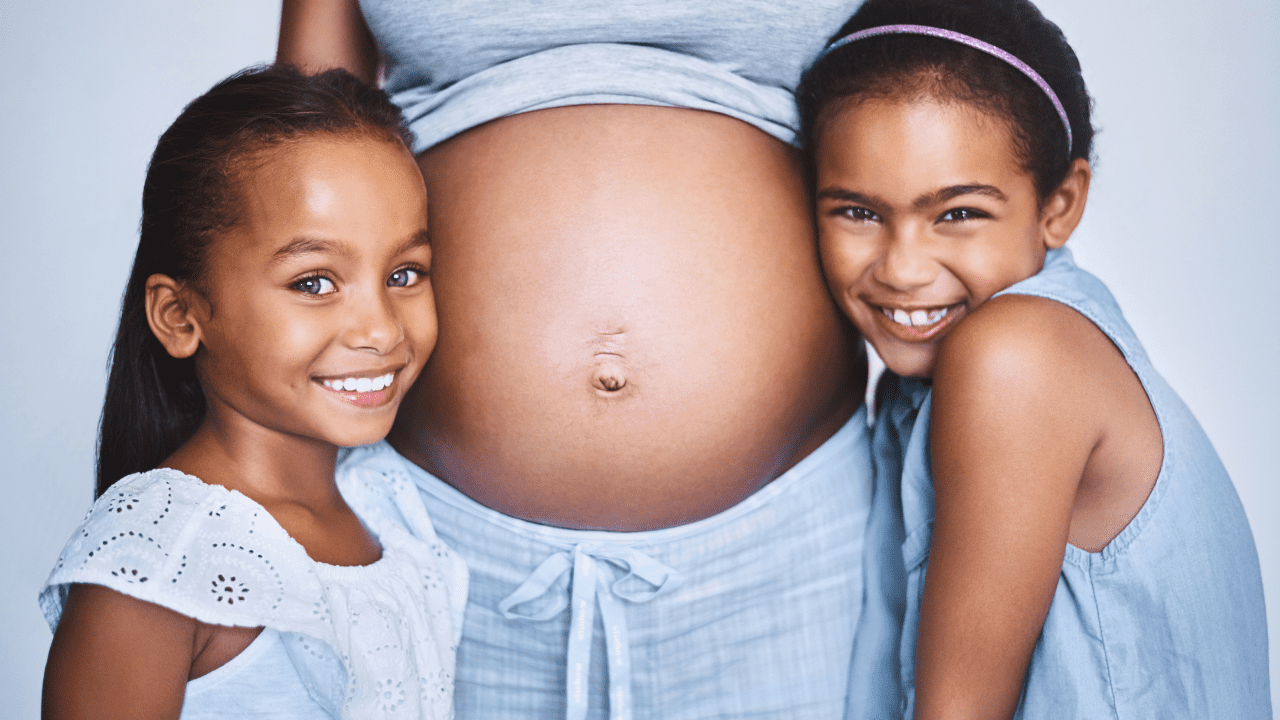
Understanding How Children React to Pregnancy News
Before we dive into the fun announcement ideas, let’s talk about what’s actually going on in your child’s mind when you drop this bombshell. Because spoiler alert: not every kid is going to jump up and down with joy, and that’s completely fine.
What to Expect Based on Age
Toddlers (18 months to 3 years): Honestly? They probably won’t fully grasp what you’re telling them. My daughter thought “the baby” was a toy I’d bought her. According to child development experts, toddlers live very much in the present moment, so a baby that won’t arrive for months doesn’t compute. They might seem disinterested or quickly change the subject to something more exciting, like whether they can have a snack.
Preschoolers (3 to 5 years): This age group tends to have BIG feelings about everything, and pregnancy news is no exception. They’re old enough to understand that a baby is coming but not quite old enough to fully grasp what that means for them. Expect lots of questions (some you’ll be prepared for, others… not so much), and don’t be surprised if they swing between excitement and worry. The Child Mind Institute notes that preschoolers often have concerns about losing their parents’ attention.
School-age kids (6 to 10 years): These children understand more about what having a sibling entails, which can be both good and challenging. They might have genuine excitement about being a helper and a role model. They might also have realistic concerns about sharing their space, toys, and your time. The upside? You can involve them meaningfully in preparations.
Preteens and teens (11+): Ah, the wild card group. Some teens are genuinely thrilled and can’t wait to be the cool older sibling. Others might be mortified (because, ew, their parents still… you know). Many fall somewhere in between. The NHS guidance on preparing children for a new baby suggests being straightforward with older children and involving them in decisions where appropriate.
Common Reactions (and Why They’re All Normal)
Your child might:
- Ask a million questions
- Seem totally unbothered
- Get upset or anxious
- Change their mind about how they feel multiple times
- Ask where babies come from (brace yourself)
- Worry about who will love them
- Regress in behaviours like potty training or sleep
All of these reactions are completely normal. I remember when I told my middle child (then 5) about baby number three, he said, “That’s nice, Mommy. Can I go play now?” I was crushed! But then the next day, he drew a picture of our family with the new baby and was suddenly Mr. Helpful. Kids need time to process, just like we do.
When to Share Your Pregnancy News with Older Siblings
This is the question I get asked most: When should I actually tell them?
The answer isn’t one-size-fits-all, but here’s what I’ve learned through trial and error (emphasis on the error):
For Younger Children (Under 5)
With my toddlers and preschoolers, I’ve found waiting until the second trimester works best. Here’s why:
Pros of waiting:
- Nine months is an eternity for little ones—telling them early means months of “Is the baby here yet?”
- You can wait until you’re visibly pregnant, which helps make the concept more concrete
- You’ve (hopefully) passed the highest-risk period of pregnancy
I waited until about 16 weeks with my second pregnancy to tell my oldest. By then, she could see my bump, and we could start reading books about becoming a big sister. The timing felt right.
One important caveat: If you’re dealing with pregnancy symptoms that affect your ability to parent normally (hello, hyperemesis), you might need to explain sooner. My third pregnancy was rough, and I had to tell my kids earlier than planned because Mommy spending half the day in bed needed some explanation.
For Older Children (5 and Up)
School-age kids and older can usually handle earlier news. In fact, I’d recommend telling them sooner rather than later for a few reasons:
- They’re more perceptive and might figure it out anyway (doctor’s appointments, you feeling rubbish, whispered conversations with your partner)
- They can keep a secret if you ask them to (well, sometimes!)
- They benefit from having more time to adjust and feel involved
- You can include them in milestone moments like scans
When I got pregnant with number four, I told my 8-year-old and 10-year-old at about 10 weeks. They were brilliant about keeping it quiet until we were ready to share more widely, and they loved feeling like they were in on the secret.
The Golden Rule
Tell your children before you tell the wider world. There’s nothing worse than your child finding out from Aunt Linda on Facebook or overhearing you tell a friend. Trust me, I nearly made this mistake with my second pregnancy, and I’m so glad my husband reminded me to talk to our daughter first.
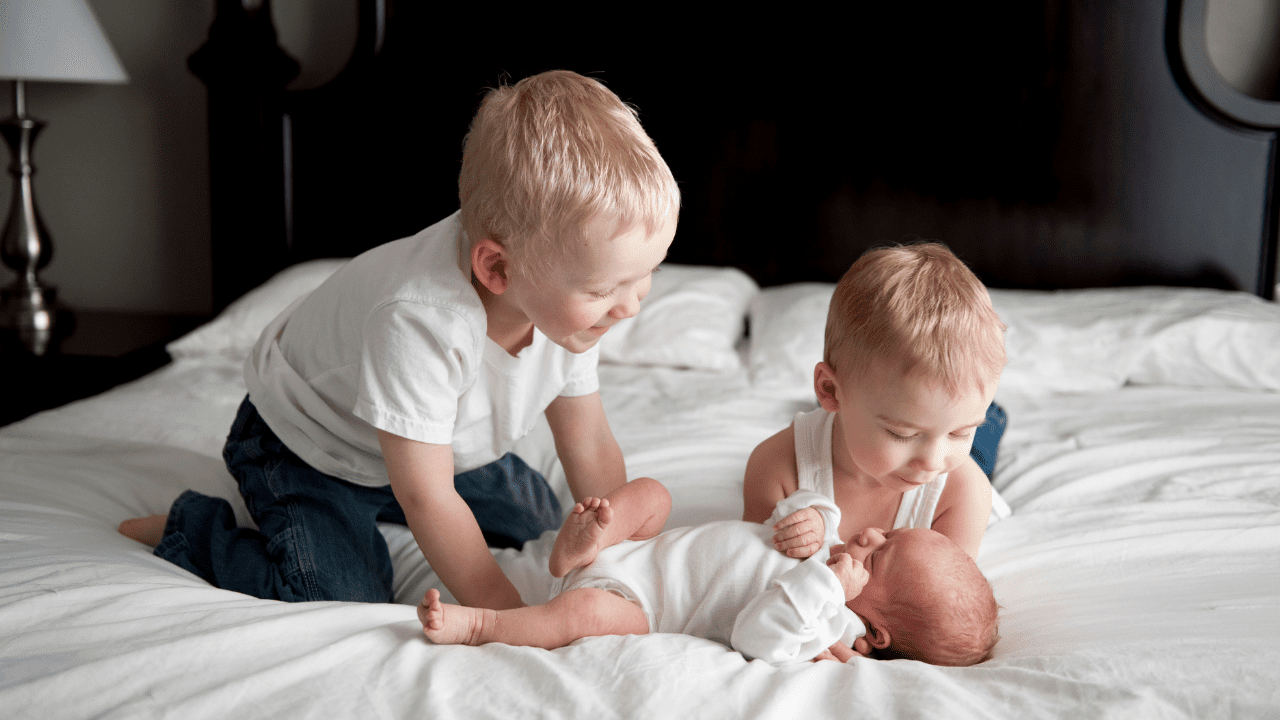
Fun Ways to Tell Older Siblings About Pregnancy
Right, this is the bit you’ve been waiting for—the actual ideas! I’ve organised these by age group and style to help you find something that fits your family vibe.
For Younger Children (Toddlers & Preschoolers)
1. The Special Big Sibling Book
This is hands down my favorite approach for little ones. There are brilliant books like “I’m a Big Sister” by Joanna Cole or “The New Baby” by Mercer Mayer that explain what’s happening in simple terms.
What I did: Wrapped the book as a special gift and read it together at bedtime. My daughter was so proud to be the “big sister” in the story, and we reread it probably 500 times throughout the pregnancy.
2. Baby Doll Introduction
Get a baby doll and introduce it as “practice” for when the real baby comes. This worked brilliantly with my youngest child when I was pregnant with number four.
How to do it: Wrap up a baby doll (I recommend the Corolle Mon Premier Baby Doll which is lovely and soft) and let your child unwrap their “practice baby.” Then spend time showing them how to hold a baby, be gentle, and “help” take care of the doll.
Bonus: This doubles as a way to gauge how ready your child is. My son tried to use the baby doll as a football. Noted.
3. The Tummy Drawing Activity
Little kids are hands-on learners, so let them be part of the announcement literally.
What to do: Lie down, give your toddler some washable markers, and let them draw on your belly. Take photos with captions like “Baby’s first artwork” or “Decorating baby’s room!” It’s messy, it’s silly, and it makes them feel involved from day one.
4. Countdown Calendar
Toddlers have absolutely no concept of time, which is why “the baby is coming in six months” means nothing to them. A visual countdown can help.
Create a simple calendar (I used a big poster board) where your child can cross off days or weeks. Add stickers or drawings for each scan appointment or milestone. My daughter loved this—it made the wait tangible.
5. Special “Big Kid” Outing
Before you tell them, plan a special outing that’s just about them being your big kid.
Here’s what we did: Took my oldest for ice cream at our favourite place in Hertfordshire, just the two of us. After we’d finished (and she was in a good mood—timing is everything!), I told her she was going to be a big sister. Then we went to the toy shop and let her pick out one special toy that was “just for big girls.” She still talks about that day.
For School-Age Children (6-10 Years)
6. Scavenger Hunt Reveal
Older kids love a good puzzle or mystery. Create a scavenger hunt around your home with clues leading to the big reveal.
How I’d do it (I’m saving this one for the future!): Start with a clue on their breakfast plate, leading them to different spots around the house. Each clue gets them closer to the final reveal—perhaps a onesie that says “I’m being promoted to big brother/sister” or your ultrasound photo in an envelope.
7. Puzzle Announcement
You can order custom puzzles online with your announcement message. As your child puts the puzzle together, they discover the news.
Where to get it: Sites like Snapfish let you create custom jigsaws. Add a photo of your scan or a message like “Guess what? You’re going to be a big sister in March!”
8. “Promoted to Big Sibling” Party
Throw a mini celebration focused entirely on your child’s new role. This is especially brilliant if you’re worried about jealousy.
What to include:
- A certificate proclaiming their promotion (you can make these on Canva for free)
- A special “big sibling” shirt or badge
- Balloons
- Their favorite cake
- Maybe invite their grandparents to make them feel extra special
9. Special Letter or Note
Write your child a heartfelt letter explaining how excited you are for them to be a big brother or sister, what makes them special, and how much you love them.
Put it under their pillow or in their lunchbox. When my friend did this, her 7-year-old kept the letter and read it whenever she felt worried about the baby coming.
10. Let Them Tell a Special Person
Kids this age love feeling trusted with important information. After you tell them, let them be the one to share the news with their grandparent or a favourite aunt/uncle via video call.
My middle child FaceTimed his grandma in Boston, and watching his face light up as he shared “his” news was priceless. Just maybe give the recipient a heads up first!
11. Scan Photo Reveal
Bring your older child to a scan appointment if possible, or show them the ultrasound photo in a special way.
Creative idea: Frame the ultrasound picture and wrap it as a gift. Or create a “guess who” game where they have to figure out what the fuzzy black-and-white image is.
12. Sports or Gaming Theme
If your child is into sports or gaming, incorporate that into the announcement.
Ideas:
- “Waiting for Player 3 to join the game” sign
- “Team [Your Last Name] adding a new player this [season]”
- A football shirt for your child that says “Team Captain” with a tiny baby one that says “Rookie”
For Preteens & Teens (11+)
13. Straight Talk Over Their Favourite Food
Teens appreciate being treated maturely. Take them out for their favourite food (or order takeaway) and have an honest conversation.
When I told my 13-year-old niece about my pregnancy, we went to Nando’s, and I just… told her. No big production. She actually appreciated the straightforward approach and had some really thoughtful questions about how it might affect our family dynamic.
14. Involve Them in Name Selection
Give your teen some ownership by asking for their input on names. You don’t have to use their suggestion (though you might!), but they’ll feel valued.
Create a shortlist and have them vote, or ask them to research names and their meanings. My friend’s teenage son got really into finding names from their cultural background, and it became a bonding activity.
15. Technology Reveal
Teens live on their phones, so why not use that?
Ideas:
- Create a private Instagram story just for them
- Send them a TikTok-style reveal video
- Add them to a family WhatsApp group with the announcement
- Use a meme or funny GIF that fits their sense of humour
16. Give Them an Important Role
Ask your teen to be the baby’s godparent, or give them another special role in the baby’s life. This makes them feel important rather than replaced.
“I want you to be someone [baby] looks up to” hits differently than “You’re going to be a big sister.”
17. Hobby-Based Announcement
If your teen has a specific interest, incorporate it.
Examples:
- Theatre kid? Make a movie poster: “Coming Soon: Baby [Last Name]”
- Musician? Write the news like song lyrics
- Artist? Ask them to design the announcement to share with family
Photo Announcement Ideas (Any Age)
If you want that Instagram-worthy moment, here are ideas that work across different ages:
18. “Only Child Status Expiring” Sign
Get a cute chalkboard sign that says “Only Child Status: Expiring [Due Date]” and photograph your current child holding it. Classic, clear, and funny.
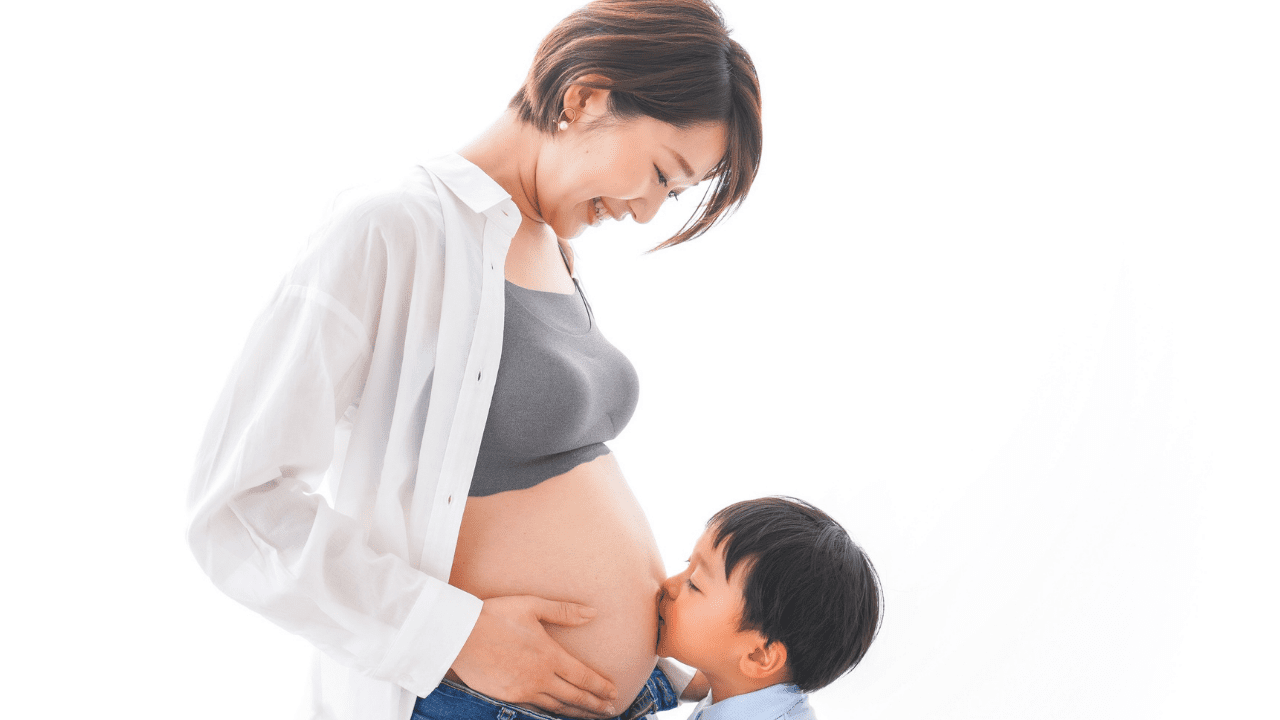
19. The Bump Photo Series
Take photos with your child next to or kissing your bump. These make beautiful announcements and lovely keepsakes.
Variations:
- Sibling with hands on bump
- Sibling kissing bump
- Sibling “listening” to bump
- Sibling and parent bumps side-by-side (always cracks me up)
20. T-Shirt Announcements
Yes, they’re everywhere, but they’re popular for a reason. You can get matching shirts made or order them from places like Not on the High Street.
Popular sayings:
- “I’m going to be a big sister/brother”
- “Promoted to big brother/sister [due date]”
- “Best big sister ever” (before they even start!)
21. Shoe Lineup
Photograph a row of family shoes, with tiny baby shoes at the end. Simple, sweet, and no faces required if you’re camera-shy.
22. Letter Board Announcements
Those felt letter boards are brilliant for announcements. Get creative with your wording:
- “We’re adding a tiny human to the chaos”
- “Population of our house: increasing by 1 in [month]”
- “Coming soon: someone new to blame the mess on”
23. The Reaction Photo
Some of the most genuine, heartwarming announcements are simply capturing your child’s real reaction when you tell them.
Have your partner ready with a camera (or set up your phone to record) when you share the news. You might not get the reaction you expect, but you’ll have a genuine moment captured forever.
24. Sibling Job Description
Create a funny “job posting” for the position of big brother or sister, listing the “requirements” and “benefits.” Frame it and photograph your child with it.
Example: “WANTED: Big Brother Requirements: Must share toys (sometimes), teach baby important skills (like how to annoy parents), be willing to love this tiny human forever Benefits: First dibs on holding baby, someone who thinks you’re the coolest person ever, partner in crime”
25. Time-Lapse Announcement
If you’re crafty, photograph your child holding a sign each month of your pregnancy showing the countdown. Then create a collage or video montage to share.
Practical Ways to Prepare Your Child After the Announcement
Right, so you’ve shared the news—congrats! But here’s what nobody tells you: the announcement is actually the easy part. The next 6-9 months of preparation are where the real work happens.
Involve Them in Concrete Ways
Kids do better when they feel like active participants rather than passive observers. Here are ways to involve them:
For any age:
- Let them help pick out one item for the baby (even if you guide the choice)
- Show them scan photos as you get them
- Let them feel the baby kick when movements start
- Include them in setting up the nursery
For older kids specifically:
- Take them shopping for baby items
- Let them help pack the hospital bag
- Ask their opinion on baby gear (pram style, nursery colours)
- Involve them in planning baby’s “coming home” day
My daughter helped me choose the Moses basket for baby number three, and she felt so proud every time she saw the baby sleeping in “her” basket.
Maintain Your Relationship
This is crucial: your relationship with your older child needs attention during pregnancy, not just after the baby arrives.
What worked for us:
- Weekly one-on-one time with each child (even just 20 minutes)
- Special “big kid” privileges (later bedtime, choosing dinner, etc.)
- Creating new traditions before the baby comes
- Taking photos together—just you and them
- Saying “I love you” even more than usual
When I was pregnant with number four, I started a thing where each Wednesday was each child’s special evening. We’d do something they chose—nothing fancy, just focused time together. They still ask for this now.
Read Books Together
I’m big on this one. Books help kids process what’s coming in a low-pressure way. Some favourites beyond the ones already mentioned:
- “Waiting for Baby” by Rachel Fuller
- “There’s a House Inside My Mummy” by Giles Andreae (explains pregnancy in a kid-friendly way)
- “Za-Za’s Baby Brother” by Lucy Cousins
- “The New Small Person” by Lauren Child (brilliant for anxious kids)
Read these regularly throughout pregnancy. Kids pick up on different things each time, and it often prompts questions they’ve been wondering about.
Address Their Worries Head-On
Don’t wait for your child to voice concerns—bring them up yourself.
Conversations to have:
- “You’ll always be my first baby, and I’ll always have special time just for you”
- “Babies cry a lot, but that doesn’t mean they don’t like you”
- “Your toys will still be yours. The baby won’t touch them for a long time”
- “If you feel sad or angry after the baby comes, that’s okay. You can always tell me”
I wish I’d been better about this with my first two kids. By number three and four, I learned that naming the worry before it becomes a problem really helps.
Set Realistic Expectations
Be honest about what having a newborn is actually like. I’m not saying scare them, but don’t oversell how instantly fun the baby will be.
Things to explain:
- Babies sleep a lot and don’t do much at first
- Babies can’t play properly for quite a while
- Newborns are actually quite boring (I mean, they are!)
- Mum and Dad will be tired and busy but still love them just as much
- Things will be different for a bit, but that’s okay
My son was disappointed when baby number three came home and “just laid there.” Proper preparation would have helped.
Create a Big Sibling Gift
Some people do a gift “from the baby” when they first meet. I’ve also seen people give the big sibling a special gift before the baby comes—something that’s just for them.
Ideas:
- A special necklace or bracelet
- A “big brother/sister” care package with books, activities, and treats
- A photo album of them as a baby (helps them understand they were once tiny too)
- Something they can use to help with baby (toy stethoscope, pretend nappies)
Products That Can Help With the Transition
Let’s talk actual stuff that makes this whole process easier. I’m not one for buying loads of unnecessary things (four kids have taught me that!), but these items genuinely helped:
Books (Cannot Emphasise This Enough)
Best overall: “I’m a Big Sister” / “I’m a Big Brother” by Joanna Cole These books are simple, clear, and perfect for toddlers and preschoolers. We still have our dog-eared copies.
For anxious kids: “The New Baby” by Mercer Mayer Little Critter feels left out when his new baby sister arrives, but ultimately realises being a big brother is pretty great. Honest about the feelings without being scary.
For older kids: “The New Small Person” by Lauren Child This one acknowledges that the big sibling might have mixed feelings, which is refreshing.
Baby Dolls for Practice
My top pick: Corolle Mon Premier Baby Doll These are soft, lightweight, and have weighted bottoms so they feel more “real” when held. Perfect for practising gentle touching and holding.
Budget option: BABY born Soft Touch Girl/Boy. These come with a bottle and are reasonably priced. My kids used these constantly.
Pro tip: Get a baby doll with accessories (bottle, nappies, blanket) so your child can “practice” the care tasks they’ll see you doing.
Big Sibling T-Shirts and Gifts
For the announcement: Custom t-shirts from Not on the High Street or Amazon work great for photos
Special jewellery: Some companies make “big sister” bracelets or necklaces. My daughter wore hers constantly and felt very grown-up.
Announcement Props
Letter boards: Felt letter boards are reusable for loads of other photo ops beyond the announcement
Custom puzzles: Snapfish or similar services for personalised jigsaw puzzles
Photo frames: Get a nice frame for your ultrasound photo to make the announcement feel special
Activity Books and Kits
“Big Sibling” activity books can keep older kids occupied during your third-trimester nesting phase. Look for ones with:
- Colouring pages
- Questions about being a big sibling
- Countdown activities
- Space for them to write letters to the baby
What to Do If the Announcement Doesn’t Go as Planned
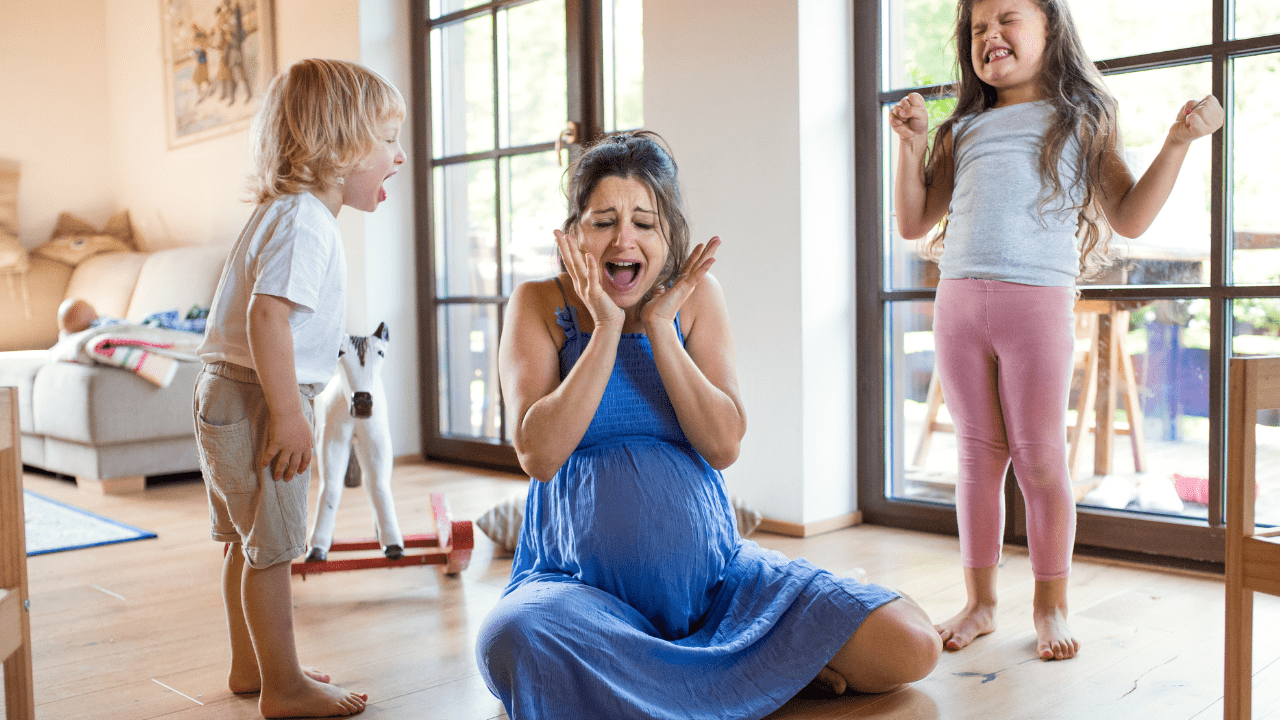
Can we have a moment of honesty? Sometimes your carefully planned announcement goes completely sideways. And that’s okay!
My second child’s reaction to learning about baby number three: “I don’t want one.” Then he went back to playing with his trains.
I was gutted. I’d envisioned this sweet moment, maybe some tears of joy, definitely some excitement. Instead, I got complete indifference bordering on rejection.
Here’s what I learned:
Give It Time
Initial reactions often aren’t the whole story. My son who said he “didn’t want one” became absolutely besotted with his baby sister the moment he met her. Kids need time to process big news.
Don’t push for a positive reaction. Let them sit with their feelings. Circle back to the conversation in a few days.
Name the Feeling
If your child seems upset, anxious, or angry, acknowledge it: “It sounds like you’re worried about this. That’s okay. Can you tell me more about what’s worrying you?”
Often kids are worried about something specific that you can address. My daughter was worried the baby would sleep in her room (we’d moved house, and she’d only just got her own room). Once I explained the baby would be in our room for months, then eventually in a different bedroom, she relaxed.
Don’t Force Excitement
You know what’s worse than a child who isn’t excited? A child who feels guilty for not being excited.
Avoid saying things like:
- “But aren’t you happy?”
- “You should be excited!”
- “Grandma would be so disappointed to hear you say that”
Instead try:
- “Big changes can feel scary. That’s normal.”
- “You don’t have to feel one way or another right now.”
- “It’s okay to have mixed feelings.”
Keep Communication Open
Make it clear that they can always talk to you about their feelings, even if those feelings are negative.
I started saying things like: “You know what? Even adults feel nervous about new babies sometimes. If you’re ever worried or upset, you can always tell me or Dad. We won’t be cross.”
Get Support If Needed
If your child seems genuinely distressed for an extended period, it might be worth chatting with their teacher, your GP, or a child counsellor. Sometimes kids need to express their worries to someone who isn’t Mum or Dad.
Frequently Asked Questions
When is the best time to tell my older child I’m pregnant?
For toddlers and preschoolers (under 5), waiting until the second trimester (around 12-16 weeks) works well. At this point, you’re hopefully past the highest-risk period, and you might be starting to show, which helps make the concept more real for little ones. For school-age children and older, you can tell them earlier—they can handle longer wait times and benefit from feeling included in the secret. However, if you have severe pregnancy symptoms affecting your daily routine, you might need to explain sooner, regardless of your child’s age, as they’ll notice something’s different.
How do I tell a toddler about a new baby compared to an older child?
Toddlers need simple, concrete explanations: “A baby is growing in Mommy’s tummy. In a few months, you’ll have a little brother or sister.” Use picture books, let them see and touch your bump, and keep explanations short. Older children can handle more detail about the timeline, what pregnancy involves, and how they can help. They’ll likely have more specific questions about birth, where babies come from, and what their role will be. Adjust your language to match their understanding—a 3-year-old needs different information than a 10-year-old.
What if my child has a negative reaction to the pregnancy news?
First, know this is completely normal and doesn’t predict how they’ll feel about the baby long-term. Acknowledge their feelings without judgment: “It sounds like you’re worried about this. That’s okay. Can you tell me what’s worrying you?” Don’t force excitement or make them feel guilty. Often, children have specific concerns (Will I have to share my toys? Will you still have time for me?) that you can address directly. Give them time to process, keep the conversation open, and most importantly, don’t take it personally. Many children who initially seem unenthusiastic become loving, doting siblings.
Should I wait until after the first trimester to tell my child?
There’s no absolute rule, but many parents do wait. The first trimester carries the highest risk of pregnancy loss, and explaining a miscarriage to young children can be challenging (though not impossible if you need to). However, if you’re dealing with severe morning sickness, regular doctor appointments, or other obvious symptoms, your child might need some explanation sooner. Weigh the factors based on your specific situation, your child’s age and maturity, and your comfort level.
How can I help reduce sibling jealousy during pregnancy?
The key is making your older child feel special and involved rather than replaced. Maintain one-on-one time with them regularly, give them specific jobs or tasks related to the baby, and acknowledge that they’ll always be your first baby. Create special “big kid” privileges for them, involve them in pregnancy milestones, and address their concerns directly before they become problems. Also, prepare them realistically for what having a newborn is like—don’t oversell how instantly fun the baby will be. Read books together about becoming a big sibling, and validate their feelings if they express worry or resentment.
What’s an age-appropriate way to explain where babies come from?
For toddlers and young preschoolers, keep it simple: “The baby is growing in a special place in Mommy’s tummy.” For older preschoolers and early school-age, you might say: “Mommies and daddies make babies together, and the baby grows in a special place in the mum’s body called the uterus.” For older children, you can use correct terminology and be more specific about conception and birth, gauging their questions and interest level. There are excellent books like “It’s Not the Stork” by Robie Harris that can help with these conversations. Follow your child’s lead—answer their questions honestly but don’t overshare information they haven’t asked for.
Should older siblings be present at the birth or meet the baby at hospital vs. home?
This depends entirely on your family, your child’s age and temperament, and your birth plan. Some families love having older siblings at the birth (usually planned home births or calm hospital births), while others prefer to introduce the baby at home or hospital after birth. Consider your child’s age (toddlers might find birth frightening or boring), their personality (anxious kids might struggle), and the unpredictability of birth. Many families find that having siblings meet the baby within a few hours of birth works well—soon enough to feel included but allowing parents some private time with the newborn first.
How do I announce to multiple siblings at the same time?
If you have multiple older children, you can tell them together or separately depending on their ages and personalities. Telling them together creates a shared moment and prevents anyone feeling left out of the secret. However, if your children are very different ages (say, a 3-year-old and a 10-year-old), you might want separate conversations tailored to each child’s level of understanding, then bring them together to talk as a family. Make sure each child gets individual attention and has space to ask their specific questions and express their feelings.
What should I do about sibling regression after the announcement?
It’s completely normal for children to regress in certain behaviours (potty training, sleep, etc.) after learning about the pregnancy or after the baby arrives. This is their way of expressing big feelings or seeking extra attention. Don’t make a big deal of it or punish the behaviour. Instead, provide extra reassurance and attention, acknowledge their feelings (“Big changes can be hard, can’t they?”), and maintain consistent routines where possible. Usually, the regression is temporary. If it persists for more than a few weeks or is severe, chat with your GP or health visitor for guidance.
Conclusion
Here’s what I wish someone had told me before I announced my first pregnancy to my then-only child: the announcement itself doesn’t matter nearly as much as the relationship you build with your older child throughout the pregnancy and beyond.
Sure, those Instagram-perfect photos of big siblings kissing bumps are lovely (and I’ve certainly taken my share!), but what matters more is the ongoing conversation. It’s the little moments—reading books together about babies, letting them help pack the hospital bag, keeping your promises about one-on-one time, and being honest when they ask hard questions.
Whether you choose a elaborate scavenger hunt or simply say “You’re going to be a big sister” over breakfast cereal, what your child will remember is how you made them feel throughout the process. Did they feel loved? Special? Included? Heard when they expressed worries?
The announcement is just the beginning. The real work—and the real joy—comes in the months that follow as you help your child prepare for their new role. And trust me, even though I’m on my fourth rodeo and still make mistakes, watching your children become siblings is one of the most beautiful parts of parenthood.
Now it’s your turn! I’d love to hear how you announced your pregnancy to older siblings, or if you’re currently planning an announcement. Drop a comment below and share your ideas, experiences, or questions. And if you found this helpful, please share it with another expecting parent who might need some inspiration!
See more of my parenting posts here!

Becky is the voice behind Life in Velvet, an organised, intentional living blog focused on practical food, calm homes, thoughtful projects, and everyday systems that make real life feel easier. A mum of 3 living in the UK, Becky writes from lived experience, sharing what works, what doesn’t, and the decisions that make family life run more smoothly.
With a background in marketing and content writing, and over a decade of blogging experience, she brings a thoughtful, structured approach to everything from baking and home projects to routines and decision-making. Life in Velvet is where planning meets creativity, with ideas designed for real homes and real life.