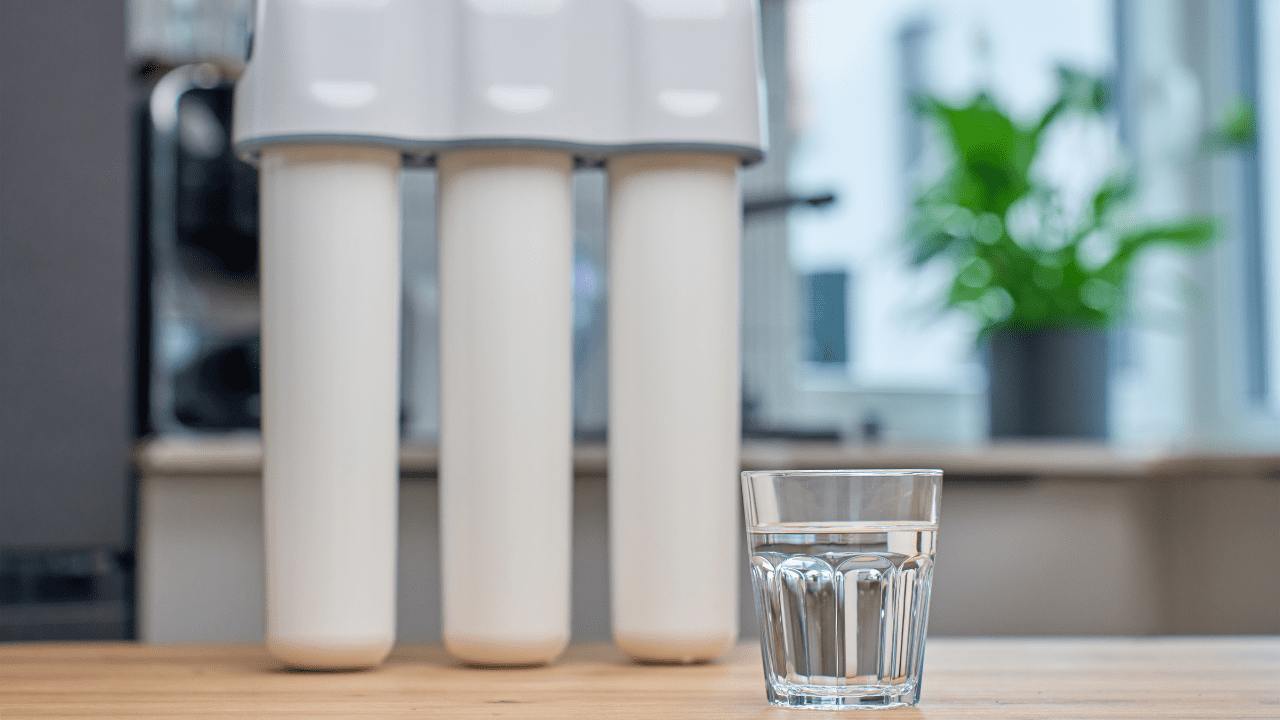
Have you ever filled up a glass of water from your kitchen tap and noticed it looked a bit weird? Maybe it was cloudy, had a strange smell, or tasted funny. You’re not alone if you’ve wondered what’s actually in your water and whether it’s safe to drink. Understanding water quality at home is way more important than most people realize, and it’s actually pretty fascinating once you start learning about it.
What Makes Water Look Different
Water straight from the tap can vary a lot depending on where you live. Sometimes it comes out crystal clear, and other times it might be cloudy or even have a slight color to it. The cloudiness you see is usually caused by tiny air bubbles that get trapped when water moves through pipes under pressure. This is totally harmless and the bubbles disappear after a few seconds.
But there are other things that can make water look different too. Hard water, which contains minerals like calcium and magnesium, can leave white spots on glasses and make soap less effective. Some areas have water with a slight yellow or brown tint, which often comes from natural organic matter or older pipes in the water system.
Common Water Problems at Home
Most people don’t realize how many different things can affect their water quality. Chlorine is added to municipal water supplies to kill bacteria and other harmful microorganisms, but it can give water a strong smell and taste that many people don’t enjoy. Old pipes can add metallic flavors and potentially harmful substances.
Well water presents its own set of challenges. Without the treatment that city water receives, well water might contain bacteria, nitrates from fertilizers, or naturally occurring minerals that affect taste and safety. For families dealing with multiple water quality issues, a whole house water filtration system can address problems throughout the entire home rather than just at individual taps.
Testing Your Water Quality
The first step to understanding your water is figuring out what’s actually in it. Many areas provide annual water quality reports that show what’s been found in the local water supply, but these don’t tell you what’s happening in your specific home.
Home water testing kits are pretty easy to use and can check for common problems. Basic test strips can detect chlorine, pH levels, hardness, and some bacteria. More comprehensive tests can check for heavy metals, pesticides, and other contaminants that might be present.
The EPA sets standards for what’s considered safe in drinking water, but some people prefer to go beyond these minimum requirements. Pregnant women, people with compromised immune systems, and families with young children often choose to be extra cautious about their water quality.
Signs Your Water Needs Attention
Your senses are actually pretty good at detecting water problems. Strange tastes often indicate chlorine, metallic contamination, or bacterial growth. Unusual odors can signal sulfur compounds, which smell like rotten eggs, or chlorine that’s too concentrated.
Visual clues are important too. Cloudy water that doesn’t clear up after sitting might indicate filtration problems. Staining on fixtures, clothes, or dishes often points to iron or other mineral content that’s higher than ideal. Scale buildup on faucets and appliances is a sure sign of hard water.
Physical symptoms can also provide hints about water quality. Some people experience skin irritation or dry hair from heavily chlorinated water. Stomach upset after drinking tap water might indicate bacterial contamination or sensitivity to certain chemicals.
Different Treatment Options
Once you know what’s in your water, there are several ways to improve it. Carbon filters are great for removing chlorine taste and odor, plus they can reduce some organic compounds. These are relatively inexpensive and work well for basic taste improvements.
Reverse osmosis systems provide more comprehensive filtration by forcing water through a semi-permeable membrane that removes a wide range of contaminants. These systems are more expensive but can handle heavy metals, dissolved salts, and many other substances that simpler filters miss.
Water softeners specifically address hard water by replacing calcium and magnesium with sodium. This prevents scale buildup and makes soap work better, though the treated water does contain more sodium.
UV sterilizers kill bacteria and viruses without adding chemicals to the water. These work well for well water or in situations where biological contamination is a concern.
Making Smart Decisions About Water
Understanding your specific water situation helps you make better choices about treatment. City water and well water have different typical problems, so the solutions that work best vary too. Budget considerations matter too, since treatment systems range from simple pitcher filters to comprehensive whole-house installations.
Maintenance requirements differ significantly between systems. Some need filter changes every few months, while others require annual servicing by professionals. Think about how much ongoing attention you’re willing to give to your water system.
Consider your family’s specific needs as well. Households with infants, elderly family members, or people with health conditions might benefit from more comprehensive treatment than others.
Taking Action for Better Water
The most important thing is to start with testing so you know what you’re dealing with. Many problems have simple solutions, while others might require more comprehensive approaches. Don’t assume that clear water is automatically safe water, or that cloudy water is necessarily dangerous.
Regular testing helps track changes over time, especially if you have well water or live in an area where the municipal supply varies seasonally. Keep records of your test results so you can spot trends and make informed decisions about when to upgrade or change your treatment approach.
Better water quality at home is definitely achievable with the right information and tools. Whether you’re dealing with basic taste issues or more serious contamination concerns, understanding what’s in your water is the first step toward making it crystal clear and safe for your family.
See more home and interiors posts here

Becky is the voice behind Life in Velvet, an organised, intentional living blog focused on practical food, calm homes, thoughtful projects, and everyday systems that make real life feel easier. A mum of 3 living in the UK, Becky writes from lived experience, sharing what works, what doesn’t, and the decisions that make family life run more smoothly.
With a background in marketing and content writing, and over a decade of blogging experience, she brings a thoughtful, structured approach to everything from baking and home projects to routines and decision-making. Life in Velvet is where planning meets creativity, with ideas designed for real homes and real life.