
Key Takeaways
- Type A household management isn’t about perfection – it’s about reducing daily mental load through simple, reliable systems
- The most effective admin habits are batch-able, predictable, and require minimal daily effort once set up
- Key areas include document management, financial tracking, calendar systems, home maintenance logs, and proactive planning
- These aren’t aspirational habits – they’re practical strategies that genuinely make everyday life calmer and more manageable
- You don’t need to do all 50 things; even implementing 10-15 of these can noticeably reduce household chaos
Why Type A Household Management Gets a Bad Rap (And Why That’s Unfair)
Let’s be honest: when people hear “Type A household management,” they often picture colour-coded spreadsheets, obsessive filing systems, and someone who has a meltdown if the bin bags aren’t exactly where they should be.
That’s not what this is about.
This post is for anyone who’s tired of the low-level background anxiety that comes with chaotic household admin. The kind where you’re never quite sure if you’ve paid that bill, or you can’t remember when the boiler was last serviced, or you’ve just realised the car insurance renewal notice is buried somewhere under a week’s worth of post.
Running a household with Type A tendencies isn’t about being controlling or rigid. It’s about setting up calm, reliable systems so you don’t have to remember everything, stress about forgetting things, or waste mental energy on stuff that can be automated or systematised.
Who this post is for:
- Anyone who wants their home admin to feel less chaotic
- People who appreciate practical systems over vague lifestyle advice
- Those who’d rather spend ten minutes setting something up properly than deal with it repeatedly
- Anyone who’s ever thought “there must be a better way to handle this”
Who this might not be for:
- People who genuinely thrive in spontaneity and find systems stifling (that’s completely valid, just a different approach)
- Anyone looking for inspiration rather than practical implementation
The 50 habits below aren’t a checklist you need to complete. They’re strategies real people use to make household life genuinely easier. Pick what works, ignore what doesn’t, and adapt the rest to fit your actual life.

The Complete List: 50 Type A Household Habits
- Runs the household like a small corporation
- Has a master life admin list
- Keeps important documents filed and backed up digitally
- Knows exactly when every bill is due
- Has direct debits reviewed regularly
- Tracks subscriptions and cancels unused ones
- Keeps a “just in case” folder
- Has a system for post the moment it comes in
- Scans documents instead of letting paper pile up
- Has passwords stored securely (and memorised anyway)
- Knows where everyone’s important paperwork is
- Keeps insurance policies up to date
- Has a renewal reminder for everything
- Maintains a shared calendar for the household
- Schedules MOTs, services, and boiler checks early
- Has emergency contacts saved and printed
- Keeps warranties and receipts together
- Knows bin days without checking
- Keeps a home maintenance log
- Plans household budgets realistically
- Tracks spending categories
- Knows what’s in the freezer at all times
- Has a cleaning schedule (even if it’s flexible)
- Keeps cleaning supplies stocked
- Plans meals before shopping
- Has a grocery list organised by shop
- Keeps spare batteries in a labelled drawer
- Knows where the passports are
- Prepares for appointments days ahead
- Keeps medical records organised
- Books appointments well in advance
- Has a list of trusted tradespeople
- Keeps emergency cash “just in case”
- Reviews household routines regularly
- Has a system for school or work forms
- Keeps track of gift ideas year-round
- Plans holidays with spreadsheets
- Prepares packing lists
- Keeps digital photo storage organised
- Has reminders set for birthdays and anniversaries
- Maintains a family contact list
- Keeps instruction manuals (or PDFs)
- Declutters proactively
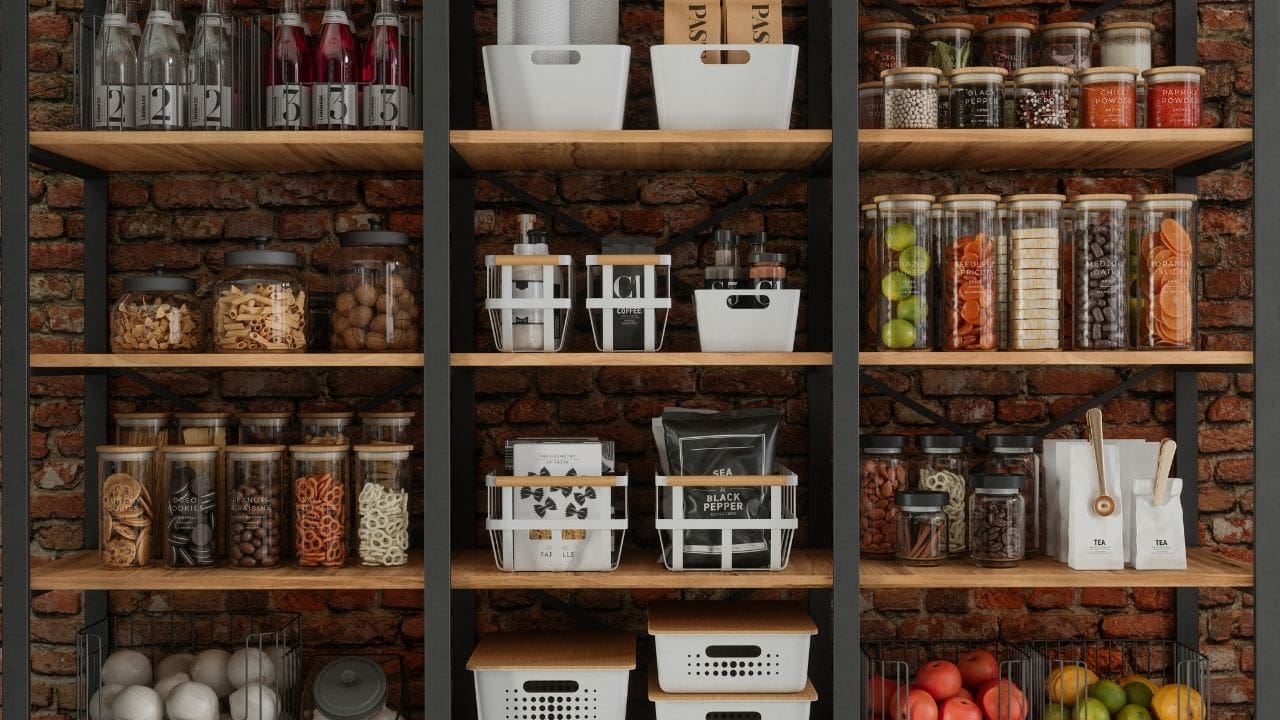
- Has labelled storage
- Knows which admin tasks can be batch-done
- Keeps a “to deal with later” list
- Has a Sunday reset routine
- Anticipates problems before they happen
- Has contingency plans
- Goes to bed knowing tomorrow is already planned
Document & Paper Management: The Unglamorous Foundation
Keeps Important Documents Filed and Backed Up Digitally
This sounds basic, but it’s transformative. Type A people don’t just keep important documents – they know exactly where they are, both physically and digitally.
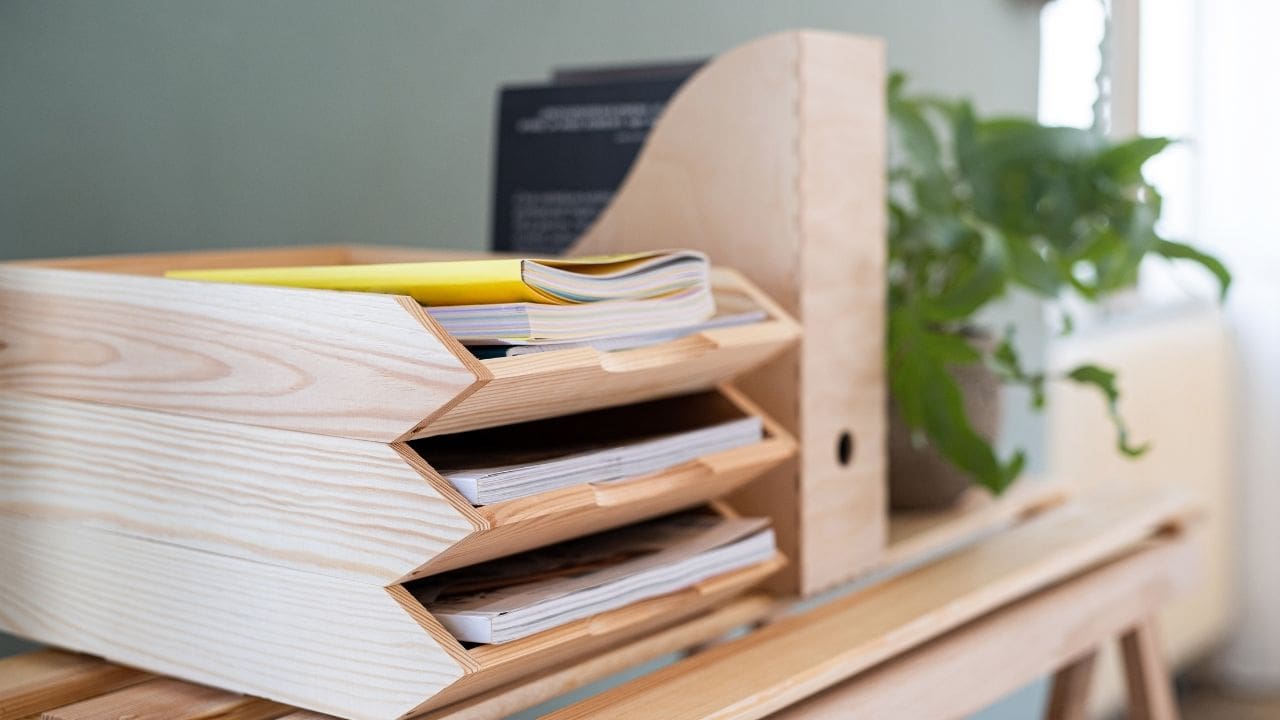
The system usually looks something like this: one physical folder or filing box for originals (passports, birth certificates, property deeds, insurance policies), and digital scans stored in clearly labelled cloud folders.
The magic isn’t in having fancy software. It’s in the habit of scanning things immediately rather than creating a “to scan later” pile that never gets done.
Has a System for Post the Moment It Comes In
Post gets dealt with straight away. Not “later when I have time” – now.
Most Type A households have a simple three-category system:
- Action needed (bills, forms, things requiring response)
- File (statements, confirmations, things to keep)
- Bin (junk, irrelevant marketing)
The entire process takes about 90 seconds when you do it daily. When you let it pile up, it becomes a 30-minute overwhelm session.
Scans Documents Instead of Letting Paper Pile Up
Once you’ve opened something that needs keeping, scan it. Phone cameras work fine for this – you don’t need a fancy scanner.
The reason this works is simple: digital documents don’t take up physical space, they’re searchable, and you can’t lose them in a house move or accidentally bin them.
Keeps a “Just in Case” Folder
This is the folder (physical or digital) for things you probably won’t need but would be annoyed to lose. Appliance manuals, warranty cards, school newsletters with important dates, that email confirmation for something you booked months ago.
Having one designated place for “miscellaneous but potentially important” stops these things from either cluttering your main systems or getting thrown out prematurely.
Knows Where the Passports Are
Always. No searching. No last-minute panic before a trip.
This extends to everyone’s important paperwork: birth certificates, driving licences, medical or travel vaccination cards, National Insurance details. Everything lives in one predictable place.
Financial Organisation That Actually Reduces Stress
Knows Exactly When Every Bill Is Due
Type A people don’t wonder if they’ve paid something. They know.
This doesn’t require complicated software – it can be as simple as a notes app list or a spreadsheet with bill names, amounts, and due dates.
The point is: you’re not relying on memory or hoping you’ll spot the reminder email. You’ve got it written down somewhere you actually check.
Has Direct Debits Reviewed Regularly
Most people set up direct debits and then forget they exist. Type A households review them every few months to catch:
- Services they no longer use
- Price increases that slipped through
- Duplicate payments
- Subscriptions they meant to cancel
A quarterly 20-minute review can save genuinely significant money.
Tracks Subscriptions and Cancels Unused Ones
Netflix, Amazon Prime, Spotify, that fitness app you used twice, the meal kit service you forgot about, the cloud storage you’re paying for but maxed out years ago.
Type A people keep an actual list of active subscriptions, what they cost, and when they renew. If something hasn’t been used in three months, it gets reassessed.
Plans Household Budgets Realistically
Not aspirational “we should only spend £X on groceries” budgets that collapse by week two. Realistic ones based on what you actually spend.
The budget exists to track patterns and make conscious decisions, not to create guilt.
Tracks Spending Categories
You don’t need every transaction logged. But knowing roughly what you spend on groceries, petrol, household bits, and discretionary things helps you make informed decisions rather than vague guesses.
Many Type A people do this monthly rather than obsessively – just a quick check-in to see if anything looks wildly off.
Keeps Emergency Cash “Just in Case”
A modest amount of physical cash tucked away somewhere safe. Not for everyday use – for the day your card gets declined unexpectedly, or the Wi-Fi’s down and you need to pay for something, or there’s a power cut and cash machines aren’t working.
It’s a small hedge against unlikely but annoying scenarios.
Calendar & Scheduling Systems That Prevent Chaos
Maintains a Shared Household Calendar
One calendar that everyone can access. Appointments, school events, work commitments, social plans, household maintenance tasks.
This isn’t about micromanaging everyone’s lives – it’s about avoiding the “wait, I thought you were doing that” situations.
Has Reminders Set for Birthdays and Anniversaries
Not just a mental note. Actual calendar reminders set 1-2 weeks in advance so there’s time to buy a card or sort a gift without last-minute panic.
Keeps Track of Gift Ideas Year-Round
When someone mentions something they’d like or you notice something perfect for them, it goes on a list. Birthday comes around, you’re not desperately scrolling Amazon at 11pm the night before.
Prepares for Appointments Days Ahead
Doctor’s appointments, dentist visits, parent’s evenings – these go in the calendar as soon as they’re booked, with a reminder set a few days before.
Type A people also add notes like “bring referral letter” or “needs fasting blood test – don’t have breakfast” so they’re not scrambling to remember details on the day.
Books Appointments Well in Advance
Dentist checkups, eye tests, pet vaccinations, annual health screenings – these get booked months ahead rather than “when we get around to it.”
The advantage is choice: you get appointment times that actually suit you, rather than whatever slot happens to be free next week.
Home Maintenance: The Stuff That Prevents Expensive Disasters
Schedules MOTs, Services, and Boiler Checks Early
Car MOT due in March? It’s booked in February. Boiler service needed annually? It’s scheduled in summer when engineers aren’t swamped with breakdowns.
Type A households don’t wait until things are due or (worse) overdue. They book early, often at the same time each year so it becomes automatic.
Keeps a Home Maintenance Log
A simple record of when things were done: boiler last serviced, gutters cleared, smoke alarms tested, appliances replaced.
This sounds tedious but it’s incredibly useful when you’re trying to remember “when did we last do that?” or when something goes wrong and you need to reference what was done previously.
Has a List of Trusted Tradespeople
Plumber, electrician, handyman, boiler engineer – contact details saved and already vetted.
When something breaks, you’re not frantically Googling random companies or asking on local Facebook groups. You’ve got someone reliable you can call immediately.
Has a Renewal Reminder for Everything
Insurance policies, warranties, memberships, professional registrations – anything with an annual renewal gets a calendar reminder set 4-6 weeks before it’s due.
This gives you time to shop around if needed, rather than auto-renewing out of panic when you realise it’s expiring tomorrow.
Knows Bin Days Without Checking
This might sound trivial, but knowing collection schedules means bins go out on time, you don’t miss recycling weeks, and you’re not the person putting bins out at 6am in your pyjamas because you forgot the night before.
For most people, this becomes automatic within a few weeks of living somewhere.
Kitchen & Shopping Organisation
Knows What’s in the Freezer at All Times
Type A people don’t have mystery freezer items from 2019. They know what’s in there, roughly when it went in, and what needs using up.
This often involves a simple freezer inventory list – either stuck to the freezer door or kept in a notes app. When you add something, you write it down. When you use it, you cross it off.
Plans Meals Before Shopping
Not necessarily every meal for the week meticulously planned. But a rough idea of what you’ll cook so you’re not buying random ingredients and hoping they’ll magically become dinners.
Even “Monday: pasta something, Tuesday: chicken something, Wednesday: use up leftovers” is infinitely more useful than no plan at all.
Has a Grocery List Organised by Shop
Some people organise their shopping list by aisle. Type A people often organise it by which shop things come from – Tesco, Aldi, the local butcher, wherever.
This prevents the “oh, we should have got that while we were there” realisation that necessitates another trip.
Keeps Cleaning Supplies Stocked
Running out of toilet cleaner on a Saturday when you’re already in your pyjamas is annoying. Type A households keep a mental (or actual) inventory of household essentials and restock before things run out completely.

Keeps Spare Batteries in a Labelled Drawer
Sounds small. Saves enormous frustration when the smoke alarm starts chirping at 2am or the TV remote dies mid-programme.
Same principle applies to lightbulbs, bin bags, dishwasher tablets – things you use regularly and would be annoyed to suddenly be without.
Planning & Routines That Actually Work
Has a Cleaning Schedule (Even If It’s Flexible)
This doesn’t mean “bathroom cleaned every Tuesday at precisely 9am.” It means certain tasks happen predictably rather than when they become unbearable.
Many Type A people batch similar tasks: all bathrooms done together, all floors done together. Weekly, fortnightly, monthly – whatever fits the household.
Has a Sunday Reset Routine
Sunday evening (or whichever evening precedes the busiest day) gets a predictable reset: quick tidy, bins out, school bags sorted, next day’s clothes ready, meal plan checked.
It takes 20-30 minutes and makes Monday morning infinitely less chaotic.
Reviews Household Routines Regularly
What worked in January might not work in June. School holidays change patterns. Someone starts a new job. A child gets older and routines need adjusting.
Type A households check in every few months: what’s working? What’s causing friction? What needs tweaking?
Knows Which Admin Tasks Can Be Batch-Done
Filing receipts, paying bills, responding to emails, updating the meal plan, checking the calendar – these get done together rather than scattered throughout the week.
Many Type A people have a designated “admin hour” where all the small tedious tasks get knocked out at once.
Keeps a “To Deal With Later” List
Not everything needs immediate action. Some things can wait – but they shouldn’t be forgotten entirely.
Type A people keep a running list of non-urgent admin tasks: “research better energy tariff,” “sort out that rebate claim,” “schedule dentist appointment.” When there’s a spare 15 minutes, something gets ticked off.
Declutters Proactively
Rather than waiting for things to become overwhelming, Type A people regularly reassess: “Do we still need this? Does it still work? Has anyone used it recently?”
This might be a quick cupboard clear-out every few months or a room-by-room approach twice a year.
Has Labelled Storage
Everything has a home, and that home is labelled. Not necessarily with a fancy label maker – masking tape and a Sharpie works fine.
The point is: anyone in the household can find things. And more importantly, anyone can put things back where they belong.
Emergency Preparedness (Without Paranoia)
Has Emergency Contacts Saved and Printed
Doctor, dentist, school, work emergency numbers, close family, trusted neighbours – all saved in phones AND printed somewhere accessible.
If your phone dies or gets lost, you can still reach important people.
Keeps Insurance Policies Up to Date
Home, car, pet, life, travel – whatever insurance you have gets reviewed annually to ensure it still covers what you need and you’re not paying for unnecessary extras.
Keeps Medical Records Organised
Vaccination records, test results, prescription details, allergy information, ongoing treatment notes – all in one accessible place.
This is especially important when you need to give medical history quickly or if you’re dealing with multiple healthcare providers who don’t share records efficiently.
Anticipates Problems Before They Happen
This is perhaps the most distinctly Type A trait: thinking ahead to what could go wrong and having a basic plan.
Not catastrophising – just reasonable “what if” thinking. What if the car breaks down? What if someone gets ill the day before an important event? What if the boiler packs in during winter?
Has Contingency Plans
Often this is as simple as “know who to call” or “have a backup option.” But having thought it through once means you’re not making stressed decisions in the moment.
Goes to Bed Knowing Tomorrow Is Already Planned
The next day’s commitments are in the calendar, necessary items are ready, there’s a rough plan for meals, work stuff is sorted.
You’re not lying awake at 11pm realising you forgot something important.

The Comparison: Type A Life Admin vs. Wing-It Approach
| Approach | Type A System | Wing-It Approach |
|---|---|---|
| Bill payments | Direct debits scheduled; reviewed quarterly | Paid when reminders arrive (sometimes late) |
| Important documents | Filed, scanned, backed up digitally | Somewhere in that drawer… probably |
| Appointments | Booked months ahead with calendar reminders | Booked when urgent; dates sometimes forgotten |
| Grocery shopping | Planned list organised by shop/aisle | Wing it based on what looks good |
| Home maintenance | Scheduled annually; logged when completed | Done when something breaks |
| Mental load | Low – systems handle it | High – constantly remembering things |
| Stress level during chaos | Lower – backup plans exist | Higher – scrambling to sort it out |
| Time investment upfront | Higher – setting up systems | Lower – no planning needed |
| Time saved long-term | Significant – no repeated problem-solving | Lost to dealing with preventable issues |
The key insight here: Type A systems require initial setup time but dramatically reduce ongoing mental load and stress. The wing-it approach feels lower effort initially but creates constant low-level anxiety and repeated time drains.
Neither is inherently better – it depends on what causes you more stress: setting up systems or dealing with chaos.
Common Questions About Type A Household Management
Isn’t this just adding more work to an already busy life?
Initially, yes – setting up systems takes time. But once they’re running, they reduce work because you’re not constantly redoing things, forgetting things, or dealing with preventable problems. Think of it as investing 5 hours upfront to save 30 minutes a week forever.
What if I’m naturally disorganised? Can I still do this?
Type A household management isn’t about personality – it’s about choosing systems that work for you. If you’re naturally disorganised, you might need simpler, more visible systems (like wall calendars instead of digital ones, or labelled baskets instead of filing systems). The principles still apply.
Do I need to do all 50 things?
Absolutely not. Pick 5-10 that would make the biggest difference to your daily stress levels and start there. You might find some aren’t relevant to your household at all.
How do I get other household members on board?
Make systems easy to follow and clearly beneficial. If the grocery list system means fewer forgotten items and emergency shop runs, people will use it. If the calendar system prevents double-bookings and missed appointments, they’ll engage. Show the benefit, not just the process.
Isn’t this a bit controlling?
Only if you’re imposing systems on other people who don’t want them. If you’re managing shared household admin and these systems make everyone’s life easier, that’s not controlling – that’s practical. The key is making systems that serve the household, not systems that serve your need for control.
What’s the minimum viable Type A household system?
If you could only implement five things, make them: (1) shared household calendar, (2) system for post/paperwork, (3) bill payment tracking, (4) basic meal planning, (5) emergency contacts saved and printed. These cover the highest-stress admin areas for most households.
Making This Work in Real Life
The Type A household management approach isn’t about achieving some perfect, Instagram-worthy organised life. It’s about making daily admin easier so you can spend mental energy on things you actually care about.
You don’t need to implement all 50 habits. You don’t need fancy systems or expensive tools. You need honest assessment of what causes you stress and pragmatic solutions that fit how you actually live.
Start with one area that’s currently causing friction. Maybe it’s the constant “where’s that letter?” stress, or the panic when you realise you’ve forgotten an appointment, or the frustration of buying the same groceries twice because you forgot what you already had.
Pick 2-3 habits from this list that would directly address that friction point. Set them up properly. Give them a few weeks to become automatic. Then reassess.
The goal isn’t perfection. It’s calm, functional household admin that doesn’t consume your mental bandwidth.
And honestly? Going to bed knowing tomorrow is already sorted is worth every minute spent setting up the systems that make that possible!
See more Type A Life Systems, and more posts on Organised Mindsets
You might also enjoy:
50 Things a Type A Mum Would Do
50 Things Every Type A Marketing Business Owner Actually Does

Becky is the voice behind Life in Velvet, an organised, intentional living blog focused on practical food, calm homes, thoughtful projects, and everyday systems that make real life feel easier. A mum of 3 living in the UK, Becky writes from lived experience, sharing what works, what doesn’t, and the decisions that make family life run more smoothly.
With a background in marketing and content writing, and over a decade of blogging experience, she brings a thoughtful, structured approach to everything from baking and home projects to routines and decision-making. Life in Velvet is where planning meets creativity, with ideas designed for real homes and real life.