
Delia Smith’s lasagne al forno is the best homemade lasagne you’ll ever make, and that’s not an overstatement. The ragù slow-cooks in the oven for two hours until it’s thick and deeply concentrated, the béchamel is made using her foolproof all-in-one method, and the result is a lasagne that tastes like something you’d get in a proper Italian kitchen rather than a British high street. I’ve made this recipe more times than I can count, and it’s the one my kids still request for birthdays.
This post walks you through the full recipe with all the tips I’ve picked up along the way, including what actually happens if you skip the chicken livers (and why I’d encourage you not to), how to split it across two days, and exactly why Delia’s version is in a different league to most of what you’ll find online.
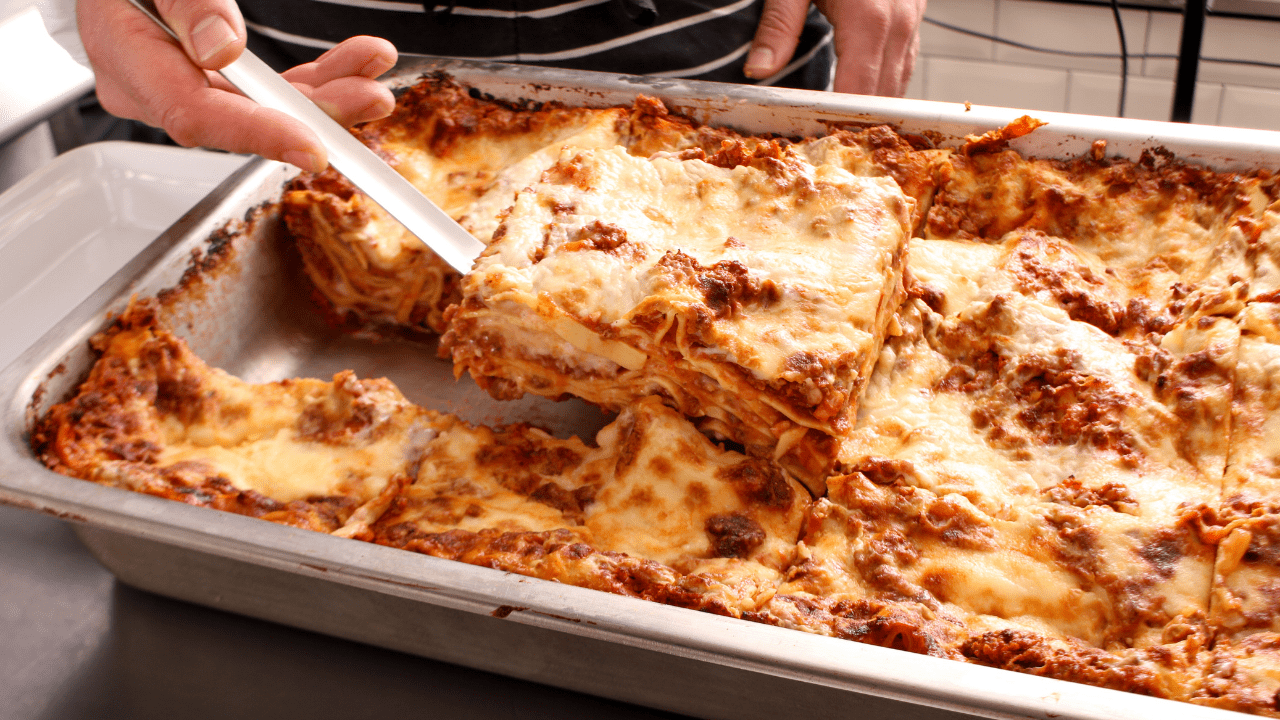
What Makes Delia Smith’s Lasagne Different?
The ragù cooks in the oven for two hours
This is the detail that separates Delia’s recipe from everything else. The meat sauce doesn’t simmer on the hob for twenty minutes and get called done. It goes into a low oven at 140°C/275°F/Gas Mark 1, uncovered, and cooks slowly for two hours until the liquid reduces down and the flavours concentrate into something properly rich and complex.
The first time I tried this I thought it seemed excessive. Now I wouldn’t make it any other way. The texture of the meat is completely different, the sauce is thick enough to hold its shape between layers, and the depth of flavour is miles ahead of a quick stovetop version. This is the single biggest reason Delia’s lasagne tastes the way it does.
Béchamel instead of ricotta
Traditional Italian lasagne al forno uses béchamel, a white sauce made with butter, flour, and milk, not ricotta. Delia’s recipe uses her all-in-one method, where everything goes into the pan cold and you whisk continuously until it thickens. It’s far less scary than it sounds, and the result is a sauce that layers beautifully, keeps the pasta moist, and gives you that golden, slightly crisp top.
The chicken livers
Yes, they’re in the recipe. No, you can’t taste them. I was deeply sceptical when I first saw them listed, but after making this both with and without, there’s a noticeable difference in the depth and richness of the ragù when they’re included. My husband didn’t know they were in there for years. The kids still don’t. Chop them very small, cook them quickly, and they completely disappear into the sauce. I’d strongly encourage you to give them a go at least once before leaving them out.
The Complete Delia Smith Lasagne Recipe
Ingredients
For the ragù:
- 225g (8oz) minced British beef
- 225g (8oz) minced British pork
- 100g (3.5oz) sliced smoked pancetta
- 75g (2.6oz) chicken livers (optional but recommended)
- 1 large onion, finely chopped
- 2 fat cloves garlic, crushed
- 400g (14oz) tin Italian chopped tomatoes
- 3 tablespoons sundried tomato paste
- 75ml (2.5fl oz / ⅓ cup) red wine
- 2 tablespoons extra virgin olive oil
- 2 rounded tablespoons fresh basil, chopped
- Whole nutmeg, for grating
- Salt and freshly milled black pepper
For the béchamel:
- 850ml (1.5 pints / 3.6 cups) whole milk
- 75g (2.6oz / 5 tablespoons) butter, plus extra for greasing
- 50g (1.8oz / ⅓ cup) plain flour
- 100ml (3.4fl oz / 7 tablespoons) double cream
- Whole nutmeg, for grating
- Salt and freshly milled black pepper
For assembly:
- 300-350g (10.5-12oz) fresh lasagne sheets
- 200g (7oz) mozzarella, diced
- 50g (1.8oz / ½ cup) Parmigiano Reggiano, freshly grated
Equipment
- Large frying pan
- Flameproof casserole with a 3-litre capacity
- Medium thick-based saucepan
- Balloon whisk
- Ovenproof dish, approximately 23cm square on the base and 5cm deep
- Wooden spoon or fork
How to Make Delia Smith’s Lasagne
Part 1: The ragù
1. Start with the onion and pancetta. Heat one tablespoon of olive oil in a large frying pan over medium heat. Add the finely chopped onion and cook gently for about 10 minutes, stirring occasionally. While that’s going, take your pancetta out of the packet, roll it into a sausage shape, slice it lengthways into quarters, then chop across into small pieces. Add the pancetta and crushed garlic to the softened onion and cook for another 5 minutes. Transfer the whole lot to your casserole dish.
2. Brown the meats separately. Add another tablespoon of oil to the frying pan and turn the heat up high. Add the minced beef and brown it properly, breaking it up as you go. A balloon whisk is brilliant for this, actually. Once browned, transfer to the casserole. Repeat with the pork.
3. Prepare the chicken livers, if using. Trim any stringy bits, rinse under cold water, pat dry, and chop them very finely. Cook them in a little oil until just browned, then add to the casserole. Don’t overcook them.
4. Bring it all together. Place the casserole over direct heat on the hob. Add the tinned tomatoes, sundried tomato paste, red wine, a generous seasoning of salt and pepper, and about a quarter of a freshly grated nutmeg. Stir in half the chopped basil. Bring to a simmer.
5. The slow cook. Preheat the oven to 140°C/275°F/Gas Mark 1. Transfer the uncovered casserole to the centre of the oven and leave it for 2 hours. Give it a stir after an hour. You’re looking for a thick, concentrated sauce with very little liquid remaining. Stir in the remaining basil once it’s done.
My tip: I almost always make the ragù the day before. The flavours are noticeably better after a night in the fridge, and breaking it into two days makes the whole project feel much more manageable.
Part 2: The béchamel
1. The all-in-one method. Place the milk, butter, flour, and some seasoning into a medium-sized thick-based saucepan. Put it over gentle heat and whisk continuously with a balloon whisk until it comes to a simmer and thickens. This takes about 10 minutes and requires your full attention, but it’s not difficult. Keep the whisk moving.
2. Cook it out. Once thickened, turn the heat as low as it’ll go and cook for another 10 minutes, stirring occasionally. This stage gets rid of the floury taste.
3. Finish it. Remove from the heat, taste and adjust seasoning, grate in another quarter of the nutmeg, and whisk in the double cream. The cream loosens it slightly and adds a richness that makes a real difference to the finished dish. Set aside two ladlefuls for the top layer.
If the sauce goes lumpy at any point, take it off the heat and whisk vigorously. If that doesn’t sort it, push it through a sieve. It’s happened to me, it’s fixable, and it won’t affect the finished lasagne.
Part 3: Assembly
1. Butter your dish well. Don’t skip this. Generous buttering of the ovenproof dish makes a real difference when it comes to serving.
2. Layer in this order:
- A quarter of the ragù spread across the base
- A quarter of the béchamel (minus the reserved portion)
- A quarter of the diced mozzarella
- A single layer of lasagne sheets, cut to fit
- Repeat three more times
- Finish with a final layer of pasta, then top with the reserved béchamel
- Scatter the grated Parmesan evenly over the top
At this point, the lasagne can go into the fridge for 2 to 3 days or into the freezer for up to 3 months.
Part 4: Baking
Preheat the oven to 180°C/350°F/Gas Mark 4. Place the lasagne on a highish shelf and bake for 45 to 50 minutes until it’s bubbling at the edges and golden on top.
This next part is crucial: leave it to rest for at least 5 to 10 minutes before serving. It lets the layers settle and means you can cut it into proper portions rather than serving something that slides apart on the plate.
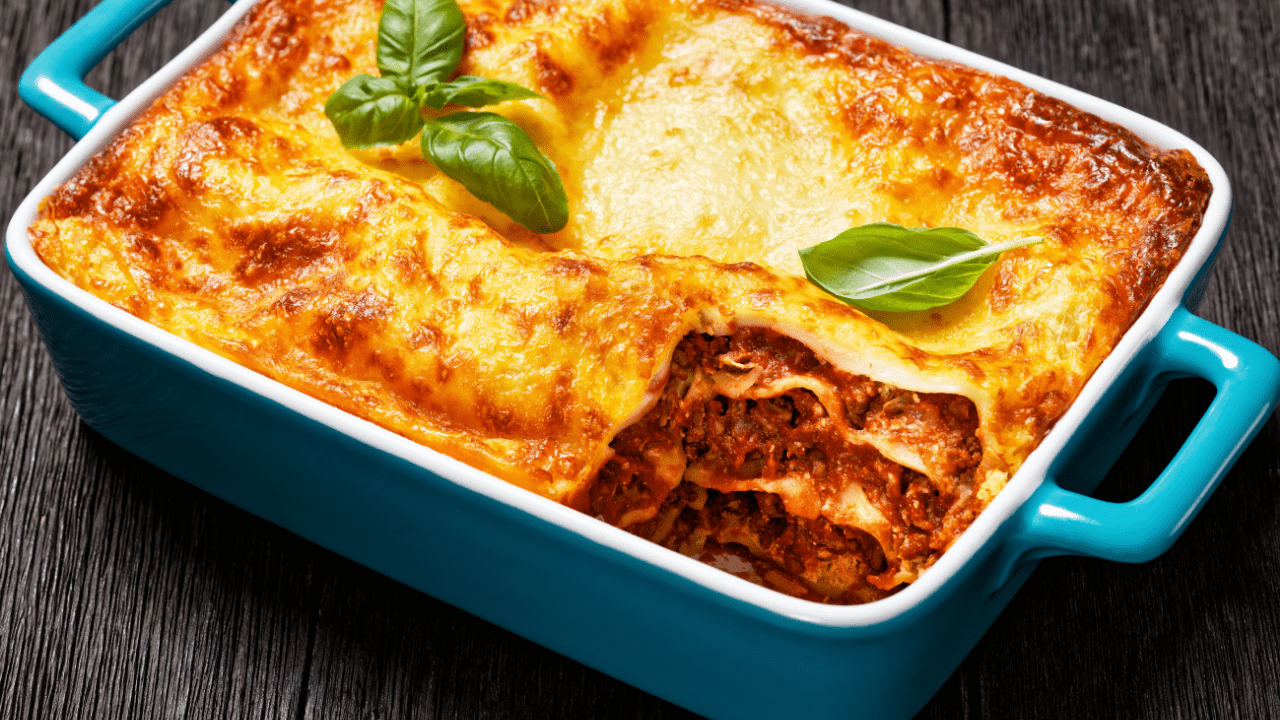
Fresh or Dried Lasagne Sheets? Here’s What Actually Happens
This is one of the most common questions about this recipe, so it’s worth being direct about it.
| Fresh lasagne sheets | Dried lasagne sheets (no-cook) | |
|---|---|---|
| Texture in the finished dish | Silky, tender, melts into the layers | Slightly firmer, more distinct layers |
| Moisture needed from sauce | Less | More. Make sauces slightly thinner |
| Baking time | 45 to 50 minutes as per recipe | Allow 50 to 55 minutes |
| Ease of cutting to fit dish | Very easy | Can splinter; snap carefully |
| Availability | Fresh pasta section, most supermarkets | Dried pasta aisle, everywhere |
| Delia’s recommendation | Fresh (chilled) | Use 275-300g if substituting |
Delia’s recipe is designed for fresh lasagne sheets, and that’s what I use. Tesco, Sainsbury’s, and M&S all stock chilled fresh lasagne in the pasta section. If you’re using dried, don’t pre-cook them, but do make sure every edge is covered by sauce or they’ll turn hard and sharp in the oven.
Making It Ahead and Freezing
Over two days
This is genuinely the easiest way to approach this recipe. Make the ragù on day one, cool it completely, and refrigerate. On day two, make the béchamel, assemble, and either bake or refrigerate for later. It makes what can feel like a big project feel like two small ones.
Refrigerating before baking
Assemble completely, cover the dish, and keep it in the fridge for up to 2 to 3 days. If baking from cold, bring it out 30 minutes before it goes in the oven, or add 10 to 15 minutes to the baking time.
Freezing
You can freeze this before or after baking.
Before baking: assemble completely, cover tightly with cling film and then foil, and freeze for up to 3 months. Defrost in the fridge overnight before baking as directed. If it’s still slightly cold in the centre, add 10 minutes.
After baking: cool completely, portion, and freeze individually. Brilliant for quick weeknight dinners when you can’t face cooking from scratch.
Reheating
Defrost in the fridge overnight. Reheat covered with foil at 180°C (350°F) for 20 to 25 minutes until piping hot all the way through. Check with a knife in the centre: it should come out steaming.
Common Mistakes That Actually Affect the Result
Not reducing the ragù enough. This is the most common one, and it’s what causes watery lasagne. The sauce needs to be thick and concentrated before it goes into the dish. If it’s still fairly liquid after two hours, give it another 15 to 30 minutes uncovered. Don’t rush this stage.
Making the béchamel too thick. It should pour. If it’s so thick it won’t spread, it’ll tear the pasta sheets and create dry pockets between the layers. Add a splash more milk and whisk it in.
Under-seasoning both sauces. The pasta sheets dilute flavour as they absorb moisture during baking. Season the ragù and béchamel so they taste slightly more seasoned than you’d want on their own.
Using dried sheets without adjusting. If you’re using dried lasagne and your sauces are the right thickness for fresh, you’ll end up with pasta that’s cooked on the outside and still a little firm in the middle. Go slightly thinner on the sauces and give the dish a few extra minutes.
Cutting it immediately. I know it smells extraordinary when it comes out of the oven. But 5 to 10 minutes of resting time is the difference between a clean slice and a heap of sliding layers on the plate. Every single time.
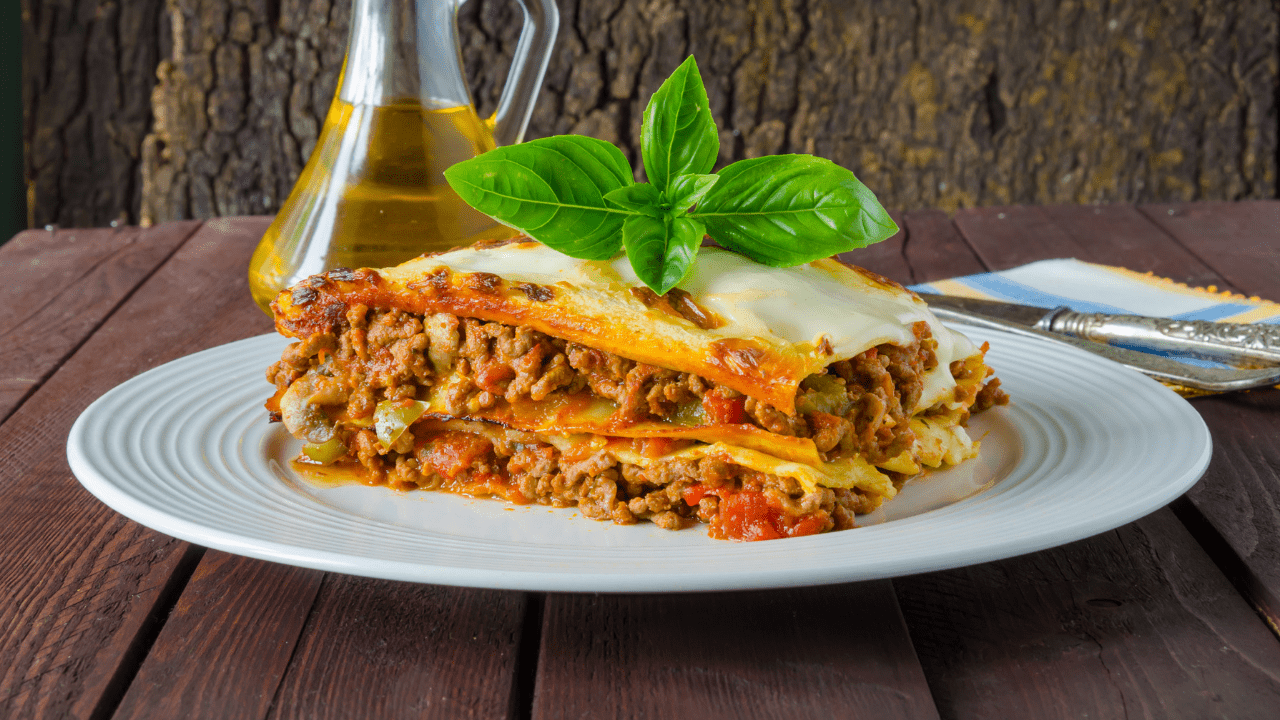
What to Serve With It
The lasagne is rich and substantial, so whatever you serve alongside it should be the opposite.
A simple green salad with a sharp lemon or red wine vinaigrette cuts through the richness perfectly. I usually throw together some mixed leaves, halved cherry tomatoes, and cucumber. If the kids are eating, I leave the dressing on the side.
Garlic bread is non-negotiable in our house. I make mine with a baguette from Sainsbury’s, softened butter mixed with a crushed clove of garlic and some chopped parsley, wrapped in foil and baked for 15 minutes. It’s not complicated, and it goes down better than anything fancier.
If you’re serving this for a dinner party and want something with it, roasted courgettes and peppers with a little balsamic vinegar add colour and a nice contrast to the richness.
For wine, Montepulciano d’Abruzzo is a brilliant match. The acidity does exactly what you want it to do with a dish this rich.
A Note on This Recipe (Updated 2026)
I first published this post in December 2025, and it’s since become one of the most-used recipes on the blog. A couple of things worth flagging on reviewing it in 2026: sundried tomato paste is more widely available now than it was a few years ago (Tesco, Waitrose, and most Italian delis stock it), and chicken livers are reliably available from the butcher counter at most Sainsbury’s and larger Tesco stores if your supermarket doesn’t carry them pre-packaged. The rest of the recipe stands exactly as written.
Frequently Asked Questions
Can I use just beef instead of the beef and pork combination?
You can, but the combination is worth it if you can manage it. The pork adds a slight sweetness and keeps the ragù from drying out during the long cook. If you’re going beef-only, use a mince with a slightly higher fat content, around 15 to 20%, so it stays tender.
Do I really need pancetta, or can I use bacon?
Pancetta has a richer, more complex flavour than standard bacon, and it’s worth seeking out. Most larger supermarkets stock it, and Aldi often carries it too. In a genuine pinch, smoked streaky bacon will work. Dice it as finely as you can and cook it until slightly crisp before adding the onion.
Can I make the ragù in a slow cooker?
Yes. Cook it on low for 4 to 6 hours instead of in the oven. The result is slightly less caramelised than the oven method, but still excellent. Remove the lid for the last hour to help it reduce down.
Why does my lasagne turn out watery?
Almost always one of three things: the ragù wasn’t reduced down enough before assembly, dried pasta sheets released too much starch during baking, or it was cut before it had a chance to settle. Make sure the meat sauce is genuinely thick before layering, ensure all pasta edges are covered by sauce, and rest the finished dish for a proper 5 to 10 minutes before you cut it.
Can I use dried herbs if I don’t have fresh basil?
Fresh basil genuinely does make a difference in this recipe, and it’s worth getting a small pot from the supermarket rather than using dried. If you absolutely can’t, use about a third of the quantity in dried basil, or substitute fresh oregano. Dried basil specifically loses a lot of its flavour in long cooking, so add it later than the recipe suggests.
How do I know when the lasagne is done?
Look for bubbling around the edges and a golden top. Insert a knife into the centre and hold it there for a few seconds: it should come out steaming hot. If the top is browning too fast before the centre is cooked through, lay a sheet of foil loosely over the dish and give it another 10 minutes.
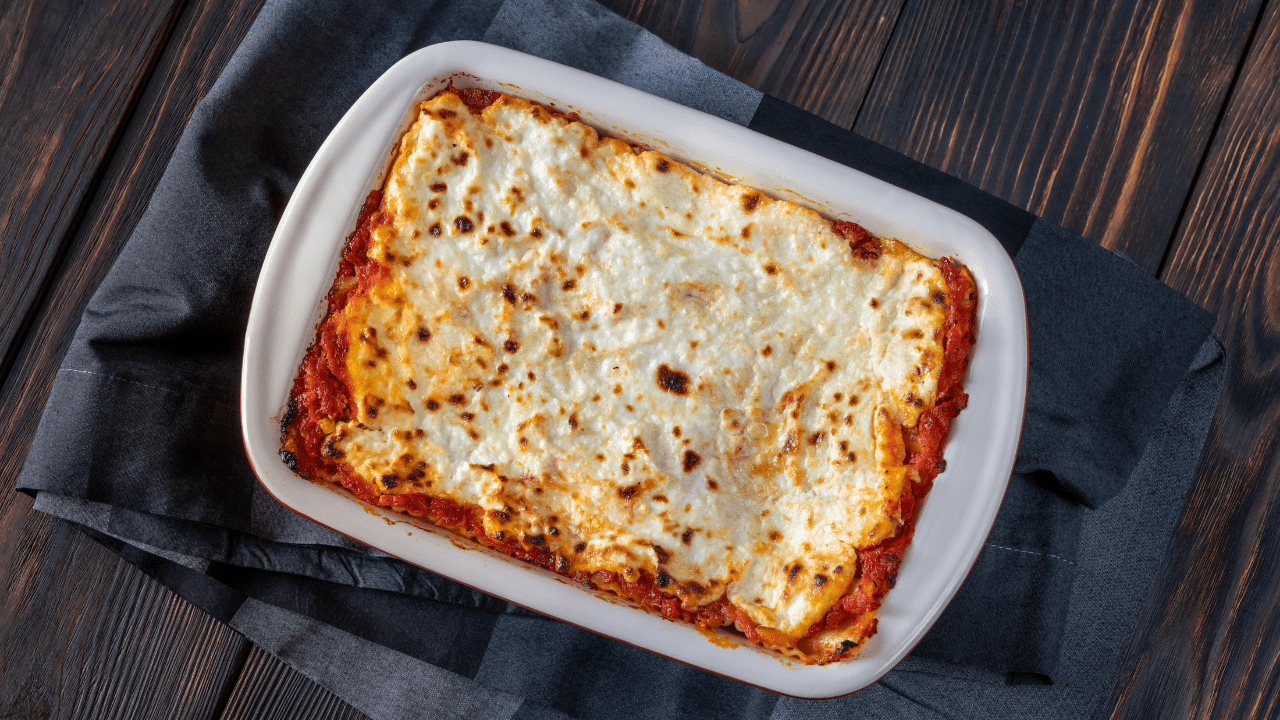
A Recipe Worth Every Minute
There’s no shortcut version of Delia Smith’s lasagne that tastes like Delia Smith’s lasagne. The long ragù, the proper béchamel, the chicken livers nobody notices: they all matter, and they’re all what makes the end result taste the way it does.
I’ll make this for a Sunday dinner when there’s time to fill the kitchen with something that smells this good. I’ll make double the ragù and freeze half because future me always needs it. And I’ll still be teaching this recipe to my kids when they eventually leave home, because it’s one of those dishes that’s genuinely worth knowing properly.
Make it once and you’ll understand why it gets requested at birthdays.
Have you tried Delia Smith’s lasagne? I’d love to hear about your experience! Drop a comment below and let me know how it turned out. And if you have any questions, ask away – I’ve probably made every mistake there is to make with this recipe, so I’m happy to help troubleshoot!
Don’t forget to pin this recipe for later, and if you make it, tag me on Instagram @lifeinvelvet so I can see your gorgeous lasagne creations!
Until next time, happy cooking!
See more of my favourite Delia Smith Recipes:
Delia Smith Pancakes
Delia Smith Pavlova
Delia Smith Scones
Delia Smith Chocolate Torte
Delia Smith Meringue
Delia Smith Red Cabbage
Delia Smith Dundee Cake
Delia Smith Victoria Sponge
Delia Smith Trifle
Delia Smith Coronation Chicken
Delia Smith Christmas Cake
Browse my full Delia Smith recipe collection here → Delia Smith Recipes

Becky is the voice behind Life in Velvet, an organised, intentional living blog focused on practical food, calm homes, thoughtful projects, and everyday systems that make real life feel easier. A mum of 3 living in the UK, Becky writes from lived experience, sharing what works, what doesn’t, and the decisions that make family life run more smoothly.
With a background in marketing and content writing, and over a decade of blogging experience, she brings a thoughtful, structured approach to everything from baking and home projects to routines and decision-making. Life in Velvet is where planning meets creativity, with ideas designed for real homes and real life.