
Key Takeaways
- Salt and pepper seasoning isn’t just salt and pepper – it’s a flavourful blend that transforms ordinary dishes
- Chinese-style blends include 5 spice, garlic, ginger, and chilli for that authentic takeaway taste
- Western-style blends focus on coarse salt and cracked pepper, perfect for steaks and BBQ
- Making your own is cheaper, healthier (no MSG!), and takes literally 5 minutes
- This versatile seasoning works on everything from chips to chicken, vegetables to seafood
- Proper storage keeps your blend fresh for up to a year
Right, let’s talk about something that’s been sitting on your kitchen table your entire life, shall we? Salt and pepper. But not the boring shakers your gran used to have (though I bet they were adorable). I’m talking about salt and pepper seasoning – that magical blend that makes your taste buds do a little happy dance.
You know what? I first thought salt and pepper chips were just… well, chips with salt and pepper on them. How wrong I was! One bite of the real deal from our local Chinese takeaway and I was absolutely hooked. But with four kids and a houseful of hungry mouths (plus our menagerie of pets who think they deserve a taste of everything), ordering takeaway isn’t always practical. So I learned to make my own salt and pepper seasoning, and honestly? Game changer.
Let me tell you everything I’ve learned about this brilliant seasoning blend, from the Chinese takeaway version that’s conquered British hearts to the simple BBQ-style rubs Americans adore. Trust me, once you start making your own, you’ll wonder how you ever lived without it.
What Is Salt and Pepper Seasoning?
Here’s the thing that surprised me most: salt and pepper seasoning is rarely just salt and pepper. I know, I know – the name’s a bit misleading, isn’t it?
Think of it like this. When someone says they’re making “cookies,” you don’t expect them to hand you a lump of flour, do you? Same principle here. Salt and pepper seasoning is a complete spice blend that uses salt and pepper as its foundation, then builds flavour from there.
There are actually two main styles you’ll come across:
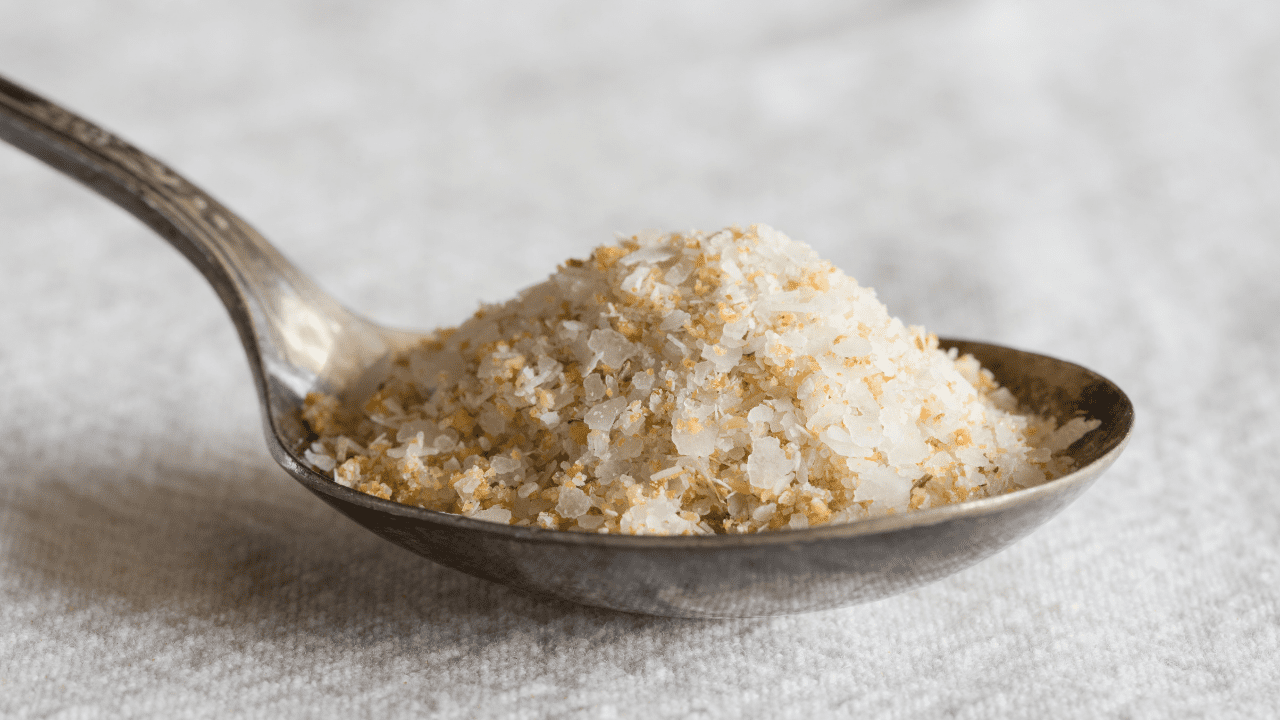
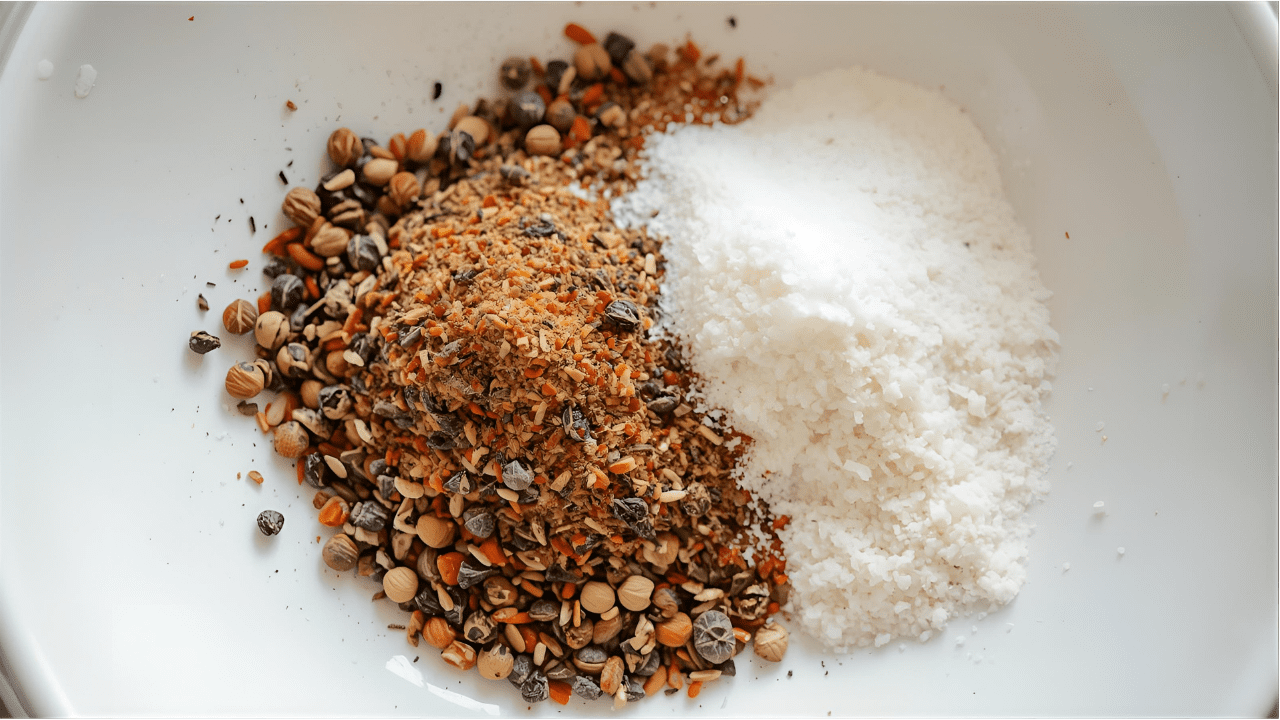
Chinese-Style Salt and Pepper Seasoning (the takeaway favourite) – This is the star of those legendary salt and pepper chips. It’s a complex blend featuring Chinese five spice, garlic powder, ginger, chilli flakes, and yes, salt and pepper. The result? That perfect balance of salty, spicy, aromatic, and slightly sweet that makes you keep reaching for just one more chip.
Western-Style Salt and Pepper Blend (the BBQ essential) – This is the simpler cousin, typically just coarse salt and cracked black pepper in a 50/50 ratio. It’s what American pitmasters reach for when seasoning a beautiful steak or brisket. Simple, but absolutely brilliant when you want the meat to shine.
Both are utterly fantastic in their own right, and I keep both on hand in my kitchen. Because why choose when you can have it all, right?
The Fascinating History of Salt and Pepper
Okay, history lesson time! (Don’t worry, I’ll keep it interesting – I promise this isn’t going to be like that boring history class we all slept through.)
Salt and pepper have been the power couple of the culinary world for centuries, but they weren’t always together. In fact, their pairing is what food historians call a “weird accident of history.”
Salt: The Ancient Essential
Salt is literally prehistoric. Our bodies need it to survive – it helps with everything from nerve function to muscle control. Ancient civilisations valued it so highly that Roman soldiers were sometimes paid in salt. That’s where we get the word “salary” from the Latin “salarium”! Wild, right?
Throughout the Middle Ages, salt was such a luxury that wealthy hosts would seat their most important guests next to elaborate salt cellars at dinner. If you were seated “below the salt,” well, that told everyone exactly where you ranked socially. Ouch.
Pepper: Black Gold
Black pepper comes from the Malabar Coast of India, where it’s been used since around 2000 BCE. It was so valuable during the Roman Empire that it was literally worth its weight in gold. Pepper was used to pay rent, taxes, and – get this – Attila the Hun supposedly demanded 1,360 kilograms of pepper as ransom to stop sacking Rome in 408 CE. Imagine paying your debts in peppercorns!
The Perfect Pairing
So when did these two become inseparable? Most historians credit 17th-century French cuisine, particularly the court of King Louis XIV. Louis was notoriously picky about his food and banned most spices, considering them vulgar. But he kept salt and pepper because they enhanced food without overwhelming it. French haute cuisine became massively influential, and suddenly, salt and pepper were on every European dining table.
The Chinese-style salt and pepper seasoning we know today has a different origin story. It emerged in the 1960s in Liverpool, created by Chinese immigrant-owned fish and chip shops. They brilliantly combined traditional Chinese flavours with the British love of chips, and the rest is delicious history.
Types of Salt and Pepper: What Works Best?
Not all salt and pepper are created equal, and choosing the right types can really elevate your seasoning blend. Let me break it down for you.
Salt Varieties
Table Salt – Fine-grained and cheap, it does the job but isn’t particularly interesting. It usually contains anti-caking agents.
Sea Salt – My go-to for Chinese-style blends. It has a cleaner taste and slightly coarser texture. Maldon sea salt is brilliant if you want something special.
Kosher Salt – Coarser than table salt with larger flakes. Perfect for BBQ-style blends because it sticks beautifully to meat. This is what professional pitmasters reach for.
Pink Himalayan Salt – Pretty to look at and contains trace minerals. Slightly milder flavour. Great if you’re feeling fancy!
Pepper Varieties
Black Peppercorns – The classic. Freshly cracked black pepper has a sharp, pine-like flavour with moderate heat. Tellicherry peppercorns are considered the finest variety.
White Pepper – Traditional in Chinese cooking. It’s actually the same berry as black pepper, just with the outer layer removed. Slightly milder and more earthy. Essential for authentic Chinese-style salt and pepper seasoning.
Sichuan Peppercorns – Not technically pepper at all! These create a unique tingling, numbing sensation. Traditionally used in some regional Chinese salt and pepper dishes.
Coarsely Cracked vs. Finely Ground – For Chinese-style blends, you want finely ground pepper. For BBQ blends, coarse is king – that 16-mesh grind gives you visible pepper flakes that create a gorgeous crust.
Chinese-Style Salt and Pepper Seasoning Recipe
Right, let’s get to the good stuff. This is the blend that’ll let you recreate your favourite takeaway dishes at home. I’ve tested this recipe about a million times (my family are very patient taste-testers), and it’s spot on.
Ingredients
- 1 tablespoon (15ml) sea salt
- 1 tablespoon (15ml) white pepper, finely ground
- 2 teaspoons (10ml) Chinese five spice
- 2 teaspoons (10ml) crushed chilli flakes
- 1 teaspoon (5ml) garlic powder
- 1 teaspoon (5ml) ground ginger
- 1 teaspoon (5ml) caster sugar (superfine sugar for my American friends)
US Measurements:
- 1 tablespoon sea salt
- 1 tablespoon white pepper, finely ground
- 2 teaspoons Chinese five spice
- 2 teaspoons crushed chilli flakes
- 1 teaspoon garlic powder
- 1 teaspoon ground ginger
- 1 teaspoon superfine sugar
Method
Honestly, this couldn’t be simpler. I make this when I’m half asleep, which happens more often than I’d like to admit with four kids!
- Chuck all the ingredients into a bowl
- Mix thoroughly with a whisk or spoon
- Transfer to an airtight container or spice jar
That’s it. Seriously. Five minutes, tops.
Storage Tips
Store your blend in an airtight container away from direct sunlight. It’ll keep for up to a year, though ours never lasts that long because we use it constantly.
Pro tip: Make a double or triple batch. You’ll thank me later when you’re rushing to get dinner on the table and realise you’ve run out. Been there, done that, learned my lesson!
What Makes Chinese Five Spice Special?
Chinese five spice is the secret weapon in this blend. It contains star anise, cloves, cinnamon, fennel seeds, and either Sichuan or black peppercorns. The combination creates this gorgeous warm, aromatic flavour that’s slightly sweet with a mild kick.
Fun fact: Chinese five spice was originally used as medicine. The Chinese believed it balanced yin and yang, with each spice playing a specific role. Now it’s just making our food taste absolutely incredible.
Western-Style BBQ Salt and Pepper Blend Recipe
This is the blend my husband reaches for when he’s grilling steaks or smoking brisket. It’s dead simple but incredibly effective.
Ingredients
- 50g (1.75 oz) coarse kosher salt
- 50g (1.75 oz) coarsely cracked black pepper (16-mesh if you can find it)
US Measurements:
- 1/4 cup coarse kosher salt
- 1/4 cup coarsely cracked black pepper
Method
- Mix the salt and pepper together in a bowl
- Store in a large spice shaker or jar
See? Even simpler than the Chinese version.
When to Use This Blend
This blend is brilliant for:
- Steaks (coat them generously before searing)
- Brisket (the coarse texture creates an amazing bark)
- Roasted vegetables
- Burgers
- Roast chicken
- Basically any time you want simple, robust flavour
How to Use Salt and Pepper Seasoning
This is where things get really fun. Once you’ve got your blend made, the possibilities are genuinely endless.
Chinese-Style Applications
Salt and Pepper Chips – The absolute classic. Cook your chips (I use thick-cut oven chips because life’s too short to faff about), then stir-fry them with sliced onions, peppers, spring onions, and garlic in a hot wok. Toss with the seasoning. Heaven on a plate. [Check out my full salt and pepper chips recipe here – INTERNAL LINK PLACEHOLDER]
Salt and Pepper Chicken – Coat chicken pieces in cornflour, deep fry until crispy, then toss with the aromatic blend and stir-fried veg. This was the first takeaway dish I learned to make at home, and it’s still a family favourite.
Salt and Pepper Tofu – Perfect for my vegetarian friends! Press and cube firm tofu, coat in cornflour, fry until golden, then toss with the seasoning. Absolutely delicious.
Salt and Pepper Prawns – Quick, impressive, and restaurant-quality. Same technique as the chicken.
Vegetables – Sprinkle over stir-fried green beans, mushrooms, or aubergine (eggplant for the Americans). The seasoning transforms humble vegetables into something special.
Western-Style Applications
Perfect Steak – Generously coat your room-temperature steak with the blend, pressing it into the meat. Let it sit for 30 minutes before cooking. The coarse texture creates a gorgeous crust.
Slow-Smoked Brisket – This is the foundation of a proper Texas-style brisket. Just salt, pepper, smoke, and time.
Roast Chicken – Rub it all over your chicken (including under the skin if you can), roast as usual. Simple perfection.
Grilled Vegetables – Coat courgettes, peppers, and mushrooms before grilling. That char with the seasoning? Chef’s kiss
Scrambled Eggs – A tiny pinch elevates your morning eggs from bland to brilliant.
Why Make Your Own Salt and Pepper Seasoning?
You might be thinking, “Can’t I just buy this?” Well, yes, you can. But here’s why I always make my own:
It’s Ridiculously Cheap
Shop-bought Chinese salt and pepper seasoning costs around £3-5 for a small jar. Making your own costs about £1 for a batch that lasts ages. With four kids, every penny counts!
No Nasty Additives
Most commercial blends contain MSG, anti-caking agents, and preservatives. When you make your own, you know exactly what’s going in. I’m not anti-MSG (it’s actually naturally occurring in loads of foods), but I prefer to control what my family eats.
Customise to Your Taste
Want it spicier? Add more chilli. Prefer less salt? Adjust it. My husband likes extra pepper in the BBQ blend, so I make his batch differently. You’re in complete control.
It’s Fresh
Spices lose their potency over time. When you make small batches regularly, you’re always working with fresh, aromatic spices. The difference in flavour is noticeable.
It Takes 5 Minutes
Seriously. Five. Minutes. You spend longer deciding what to watch on Netflix.
The MSG Conversation
Let’s talk about this briefly because it comes up a lot. MSG (monosodium glutamate) is often added to commercial Chinese salt and pepper blends. It’s a flavour enhancer that adds umami.
Here’s the thing: the negative reputation of MSG largely stems from unfounded claims made in the 1960s. Modern scientific research shows it’s safe for most people. It’s naturally found in tomatoes, mushrooms, Parmesan cheese, and loads of other foods we eat without worry.
That said, some people are sensitive to it. Making your own seasoning means you can skip it entirely or add it if you want (you can buy pure MSG as Ajinomoto if you’re curious).
I don’t include it in my recipes because the blend tastes fantastic without it, but you do you!
Storage and Shelf Life
Proper storage keeps your seasoning fresh and flavourful. Here’s what you need to know:
Best Storage Practices
- Use airtight containers (glass is ideal)
- Keep away from direct sunlight
- Store in a cool, dry place (not above the cooker!)
- Label with the date you made it
- Avoid introducing moisture (don’t shake over steaming pots)
How Long Does It Last?
Your homemade blend will stay fresh for up to 12 months when stored properly. However, the flavour is best within the first 6 months. I usually make smaller batches and refresh every few months.
Signs your blend has gone off:
- Faded colour
- Weak aroma
- Clumping (indicates moisture)
- Stale smell
Scaling Up
If you’re like me and use this constantly, make a larger batch. Just multiply the ingredients by 3 or 4 and store in a larger container. I keep mine in a 1-litre Kilner jar, and it’s so handy having it ready to go.
Nutritional Considerations
Let’s be real about what’s in this blend from a health perspective.
Salt Content
The main concern with any salt-based seasoning is sodium intake. The NHS recommends adults consume no more than 6g of salt per day (about 1 teaspoon). A pinch of this seasoning contains roughly 0.5-1g of salt, depending on how heavy-handed you are.
Tips for reducing sodium:
- Use less salt in the blend and more of the other spices
- Season food after cooking rather than during
- Choose low-sodium alternatives in the rest of your meal
- Remember that most processed foods already contain loads of salt
The Good Stuff
Spices Have Benefits!
- Black pepper contains piperine, which has antioxidant and anti-inflammatory properties
- Garlic powder supports immune function
- Ginger aids digestion
- Chilli can boost metabolism
Dietary Friendly This seasoning is:
- Gluten-free
- Dairy-free
- Vegan
- Keto-friendly
- Suitable for most dietary requirements
Troubleshooting Common Issues
Problem: My blend is too salty Solution: Add more of the other spices to balance it out. Next time, reduce the salt slightly.
Problem: Not spicy enough Solution: Add extra chilli flakes or a pinch of cayenne pepper. Some people like it hot, some don’t – adjust to your preference.
Problem: The blend has gone clumpy Solution: Moisture has got in. Try spreading it on a baking sheet and drying it in a low oven (75°C/170°F) for 10 minutes. Store more carefully next time.
Problem: It doesn’t taste like takeaway food Solution: Make sure you’re using Chinese five spice (not regular five spice) and white pepper (not just black). These are crucial for that authentic flavour. Also, the magic happens when you cook with it in a hot wok – that’s what creates “wok hei,” the restaurant flavour.
Problem: It’s too sweet Solution: Reduce the sugar to 1/2 teaspoon or omit entirely. Some people prefer it less sweet.
Beyond the Basics: Creative Uses
Once you’ve mastered the basic applications, try these creative uses:
Popcorn Seasoning
Sprinkle the Chinese blend over freshly popped popcorn with a drizzle of melted butter. Movie night just got better!
Roasted Nuts
Toss cashews or peanuts with oil and the Chinese blend, then roast at 180°C (350°F) for 15 minutes. Addictive party snacks.
Seasoned Butter
Mix softened butter with a teaspoon of either blend. Roll into a log, chill, and slice onto grilled steaks or vegetables.
Bread Topping
Brush focaccia dough with olive oil and sprinkle with the BBQ blend before baking.
Soup Enhancer
A tiny pinch adds depth to everything from chicken soup to vegetable broths.
Marinade Base
Mix either blend with oil, lemon juice, and soy sauce for a quick marinade.
Egg Dishes
Sprinkle over fried eggs, omelettes, or frittatas. That little bit of spice in the morning? Brilliant.
FAQs About Salt and Pepper Seasoning
What’s the difference between Chinese salt and pepper seasoning and regular salt and pepper?
Chinese salt and pepper seasoning is a complete spice blend containing Chinese five spice, garlic, ginger, chilli flakes, and sugar alongside salt and white pepper. Regular salt and pepper is just those two ingredients. The Chinese version creates a complex flavour profile that’s sweet, spicy, aromatic, and savoury all at once.
Can I use black pepper instead of white pepper in Chinese-style blends?
You can, but white pepper is traditional and creates a more authentic flavour. White pepper is earthier and slightly fermented-tasting, whilst black pepper is sharper and more pungent. If you only have black pepper, use it – it’ll still be delicious, just slightly different.
Why do some recipes include MSG?
MSG is a flavour enhancer that adds umami (savoury depth). Many Chinese restaurants use it in their salt and pepper dishes. However, it’s completely optional, and the blend tastes fantastic without it. If you want to add it, use about 1/4 teaspoon per batch.
Can I make this blend without sugar?
Absolutely! The sugar balances the heat and adds a subtle sweetness that’s traditional in Chinese cooking, but you can omit it if you prefer a purely savoury blend. Some people with diabetes or those watching sugar intake leave it out completely.
What’s the best ratio for BBQ salt and pepper?
The traditional Texas-style ratio is 50/50 (equal parts salt and pepper), but many pitmasters adjust based on preference. Some go 60/40 (more pepper) for a spicier bark, others do 40/60 (more salt) for a saltier crust. Experiment to find what you like!
How do I prevent my homemade blend from clumping?
Use completely dry spices, store in an airtight container away from moisture, and consider adding a few grains of rice to absorb any humidity. Don’t shake the container directly over steaming food, as the moisture can get inside.
Can I grind whole spices for fresher flavour?
Absolutely! Freshly ground spices have more flavour. Use a spice grinder or coffee grinder to grind whole peppercorns and other whole spices just before making your blend. Just remember to clean your grinder afterwards!
Is this seasoning suitable for children?
The chilli content might be too spicy for young children. For kids, I make a milder version with just 1/2 teaspoon of chilli flakes (or omit them entirely). My youngest is 6 and can handle the mild version, but every child is different.
What’s the best way to season chips with this blend?
Don’t just sprinkle it on – you need to stir-fry them! Cook your chips first (oven, air fryer, or deep-fried), then toss them in a hot wok or large frying pan with the seasoning, some sliced vegetables, and aromatics. The heat activates the spices and helps everything stick to the chips.
Can I use this blend on fish?
Yes! It’s brilliant on white fish, prawns, squid, and even salmon. For delicate fish, use it more sparingly. Coat lightly in cornflour and the seasoning, then pan-fry or deep-fry for crispy, flavourful results.
The Bottom Line
Right, let’s wrap this up, shall we? Salt and pepper seasoning is honestly one of those kitchen staples that once you start making yourself, you’ll never go back to buying. Whether you’re after that authentic Chinese takeaway flavour or a simple BBQ rub for your steaks, homemade blends are cheaper, fresher, and infinitely more customisable than anything you’ll find in the shops.
I’ve been making my own for years now, and it’s become such a regular part of our kitchen routine that my kids sometimes help me mix up batches (well, “help” might be generous – mostly they just taste-test). It’s one of those small things that makes a massive difference to everyday cooking.
The best part? You’re literally five minutes away from having your own stash ready to go. So what are you waiting for? Get those spices out, give it a mix, and prepare for your taste buds to do a little happy dance.
What’s your favourite way to use salt and pepper seasoning? Drop a comment below and let me know! I’m always looking for new ideas, and I’d love to hear what you get up to in your kitchen.
See more of my food posts and recipes here

Becky is the voice behind Life in Velvet, an organised, intentional living blog focused on practical food, calm homes, thoughtful projects, and everyday systems that make real life feel easier. A mum of 3 living in the UK, Becky writes from lived experience, sharing what works, what doesn’t, and the decisions that make family life run more smoothly.
With a background in marketing and content writing, and over a decade of blogging experience, she brings a thoughtful, structured approach to everything from baking and home projects to routines and decision-making. Life in Velvet is where planning meets creativity, with ideas designed for real homes and real life.