
Key Takeaways
- Most buffet dishes can work for both vegans and vegetarians if you keep dairy and eggs as optional add-ons
- Room temperature dishes are your secret weapon for stress-free hosting
- Shop-bought items from UK supermarkets can fill gaps without looking lazy
- Proper labelling prevents awkward conversations and helps everyone feel included
- Aim for 5-7 different dishes for 10-12 people, with at least three substantial options
At a Glance
Best for: Mixed gatherings where you need to feed vegans, vegetarians, and omnivores without making three separate menus
Not ideal for: Last-minute planning (most good buffet food needs at least a day’s notice)
Time needed: 3-4 hours spread over two days for a proper spread
Cost range: £50-80 for 12 people if you mix homemade and shop-bought
Difficulty level: Moderate (easier if you lean on some ready-made items)
What you need: Serving dishes that can sit at room temp, clear labels, decent fridge space
Biggest mistake to avoid: Making everything vegan to simplify, then watching non-vegans pick at salad
Quick tip: Lead with flavour, not dietary restrictions, when describing dishes
My honest take: You’ll need more food than you think, but leftovers are brilliant
Why Buffets Are Actually Brilliant for Vegans and Vegetarians
I’ve hosted enough family gatherings to know that announcing “tonight’s meal is vegan” can create an atmosphere. But a buffet? That’s different. People can choose what they want, pile their plates with what appeals to them, and nobody needs to make a point about anything.
The trick is making food that happens to be vegetarian or vegan, rather than food that screams “look how virtuous this is.” When someone reaches for your roasted red pepper and walnut dip, they should be thinking about how good it tastes, not analysing whether it fits their usual eating habits.
This guide is for anyone hosting a gathering where dietary needs vary. Maybe you’ve got vegan friends coming for lunch, vegetarian family members at a birthday party, or you’re simply trying to be more inclusive without cooking three different menus. I’ll share what actually works based on real experience, not aspirational food styling.
Who this isn’t for: If everyone attending is strictly vegan or vegetarian and already enthusiastic about plant-based food, you’ll find better inspiration in specialist recipe sites. This is specifically for mixed crowds where you need practical solutions that won’t alienate anyone.
Understanding the Vegan vs Vegetarian Split
Here’s something that confuses people: vegans and vegetarians aren’t the same group, and treating them as such can create problems at your buffet.
Vegetarians will happily eat cheese, cream, butter, and eggs. They’re often your easiest guests because mainstream buffet food already caters to them quite well. A cheese quiche, vegetable samosas fried in butter, or a pasta salad with mayo dressing all work fine.
Vegans avoid all animal products. No dairy, no eggs, no honey. This means your creamy dips, cheese-topped dishes, and buttery pastries are all off limits. Some vegans are also particular about cross-contamination, though most are pragmatic at social gatherings.
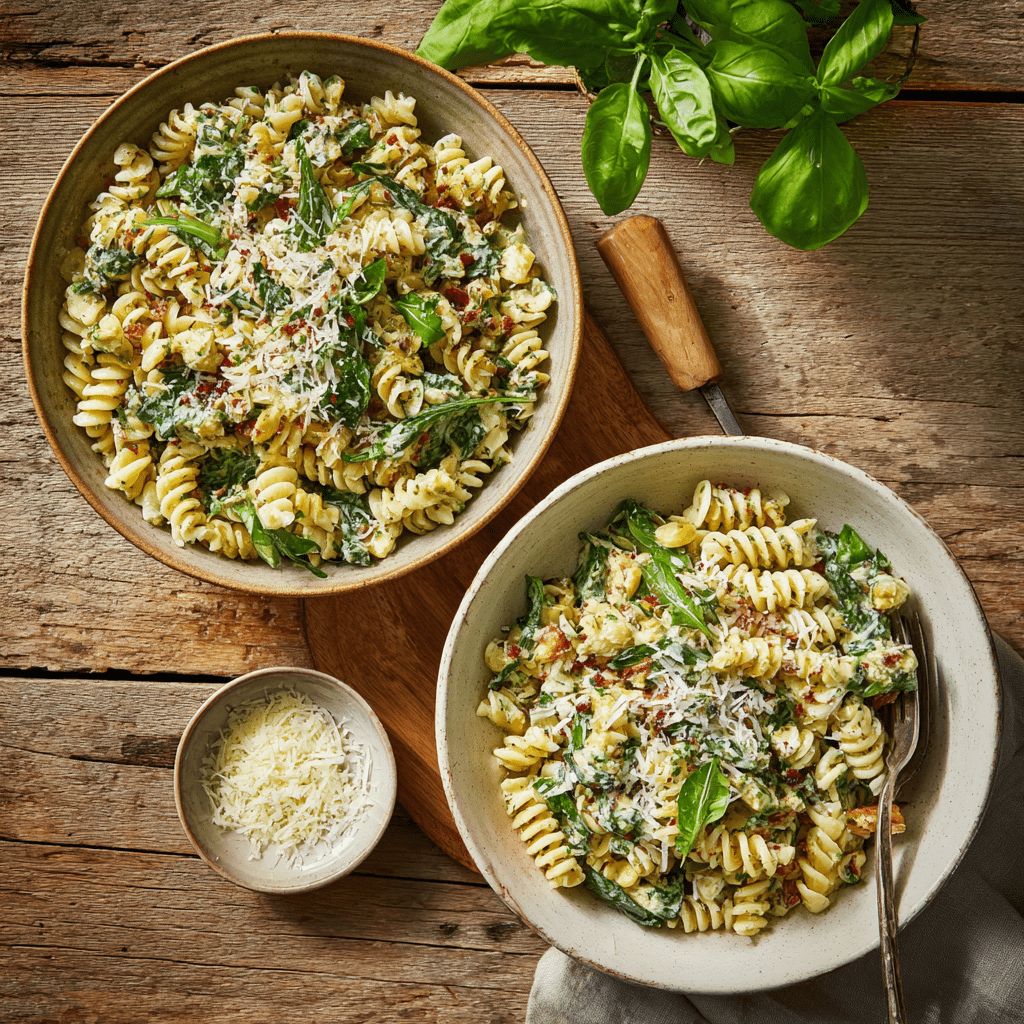
The smart approach? Make most of your buffet naturally vegan, then offer dairy-based additions separately. A big bowl of pasta salad can be vegan, with parmesan in a small dish alongside. Jacket potatoes work for everyone, with butter, sour cream, and cheese as optional extras. This way you’re not making two versions of everything.
What Makes Good Buffet Food
Before diving into specific dishes, let’s talk about what actually works for buffets. I’ve learned this the hard way, after serving lukewarm food that looked sad after an hour and watching expensive dishes sit untouched.
Temperature stability matters most. Dishes that taste good at room temperature are infinitely easier than trying to keep things hot for hours. Quiche that needs to be piping hot, jacket potatoes that go leathery when they cool, or pasta that clumps together as it sits are all poor choices. Focaccia, dips, salads, tarts served at room temp, and grain-based dishes all improve your life significantly.
Visual appeal counts more than you’d think. Beige food doesn’t get eaten, even if it tastes wonderful. A buffet needs colour and variety. If everything on your table is brown or cream-coloured, people assume it’s boring before they’ve tried it.
Finger-friendly wins over fork-required. At a standing buffet, anything that needs a knife and fork is awkward. Samosas, small tarts, bruschetta, stuffed peppers, or skewers all work better than something that needs cutting. If you’re doing a sit-down buffet, you have more flexibility.
Strong flavours perform better than subtle ones. Gentle, delicate dishes get lost in buffets. People tend to take small portions of everything, so each bite needs impact. This is why dips work so well – they’re concentrated flavour that people can control.
The Core Buffet Strategy
Here’s the formula I use for a proper spread that feeds 10-12 people:
- Two substantial savoury dishes (these are your main events)
- Two to three dips with bread, crackers, or crudités
- One grain or pasta-based salad
- One fresh vegetable element
- Something sweet
- Plenty of good bread
That gives you seven elements, which sounds like a lot but provides enough variety that everyone finds multiple things they actually want to eat. You can scale up or down depending on numbers, but don’t go below five different options for a mixed group.
For portions, I work on roughly 150-200g per person of the substantial dishes, plus unlimited dips and bread. People always eat more than you expect at buffets, particularly if the food is good and they’re not worried about appearing greedy.
Substantial Savoury Dishes That Work
These are your anchors. At least one needs to appeal to people who think vegetables alone won’t fill them up.
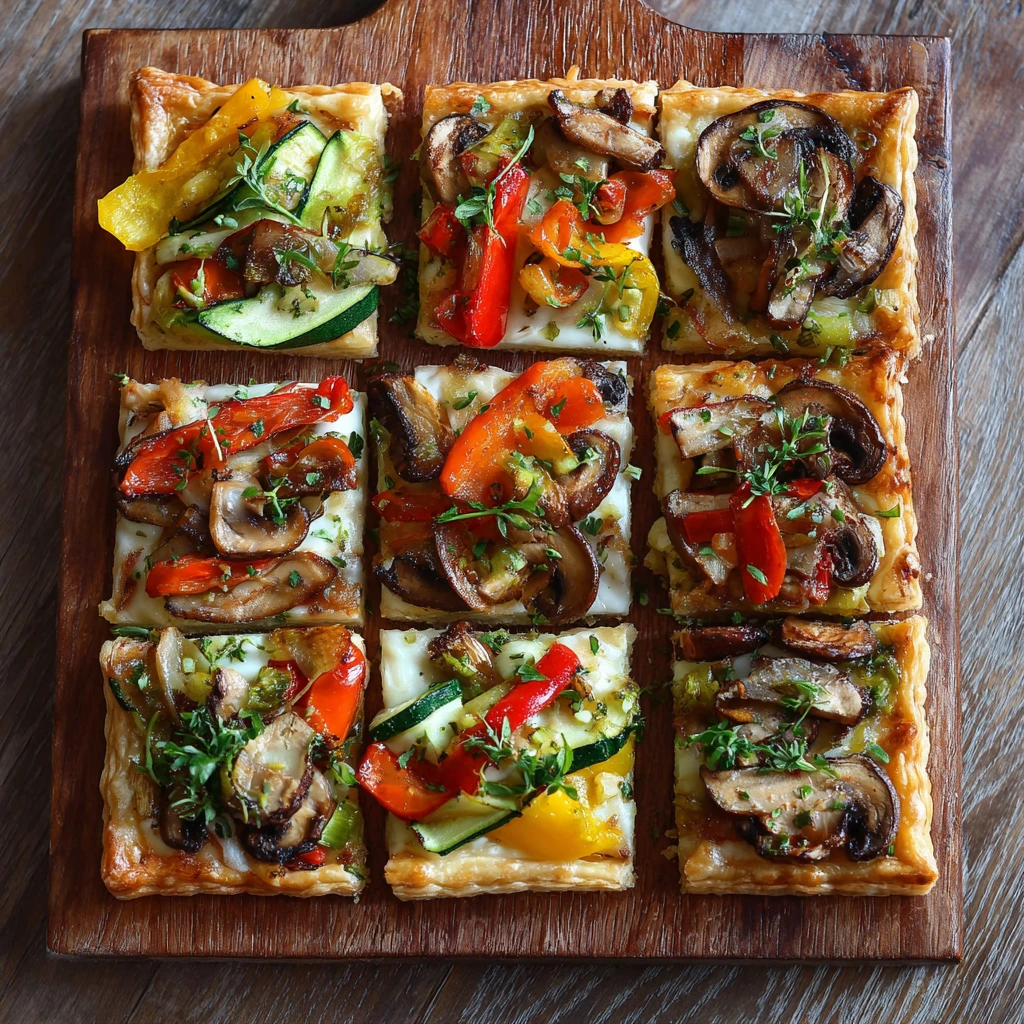
Vegetable tart with a proper pastry base is my most reliable choice. I use ready-rolled puff pastry from the supermarket because life’s too short to make your own for a buffet. Roasted Mediterranean vegetables with goat’s cheese works brilliantly, or caramelised onion with cheddar if you’re feeding vegetarians. For vegans, roasted butternut squash with sage and vegan feta looks impressive and tastes substantial. Cut into small squares, a large tart feeds about 12 people as part of a buffet.
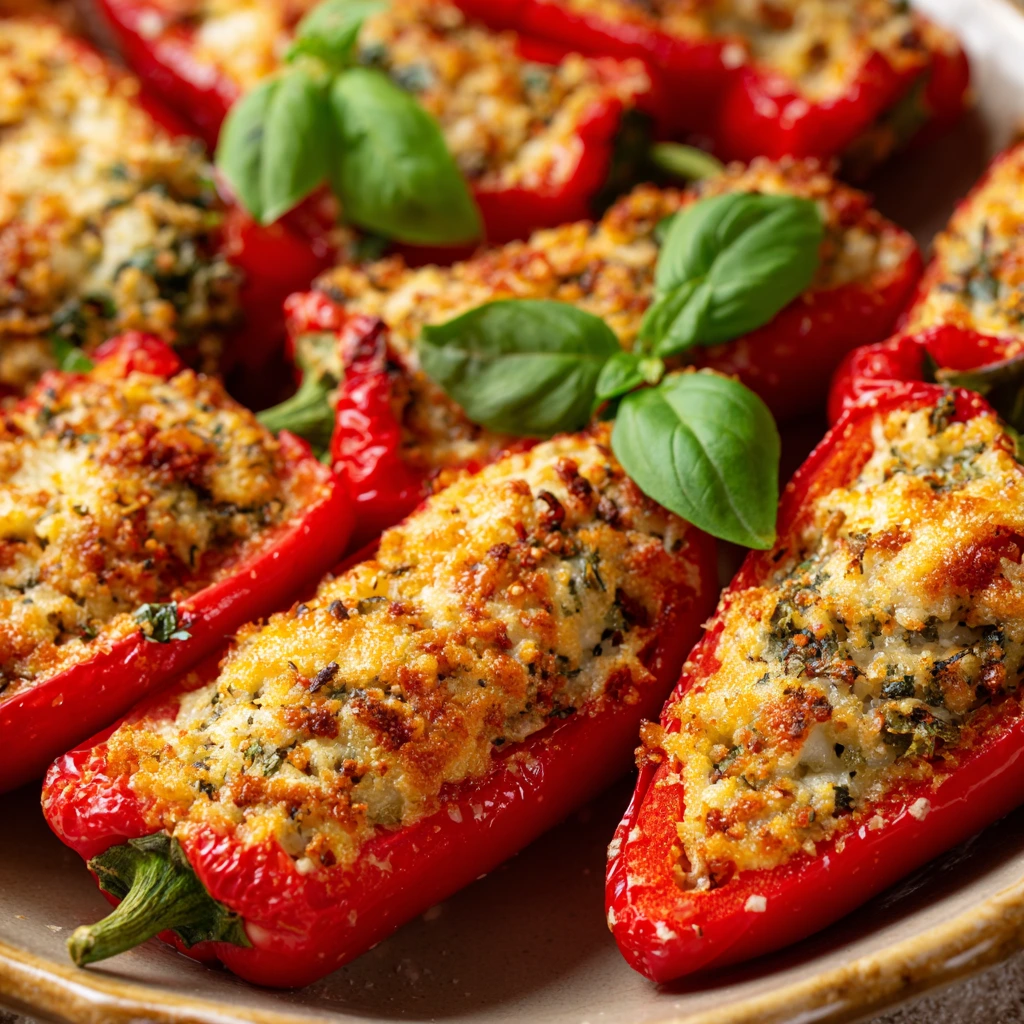
Stuffed vegetables sit perfectly at room temperature and look beautiful. Romano peppers (the long pointy ones) stuffed with herby couscous, chickpeas, and pine nuts work for vegans if you skip the feta. They’re substantial enough that people feel properly fed. Roast the peppers ahead, stuff them the day of your event, and serve at room temperature. Six large peppers, halved and stuffed, serve 10-12 people.
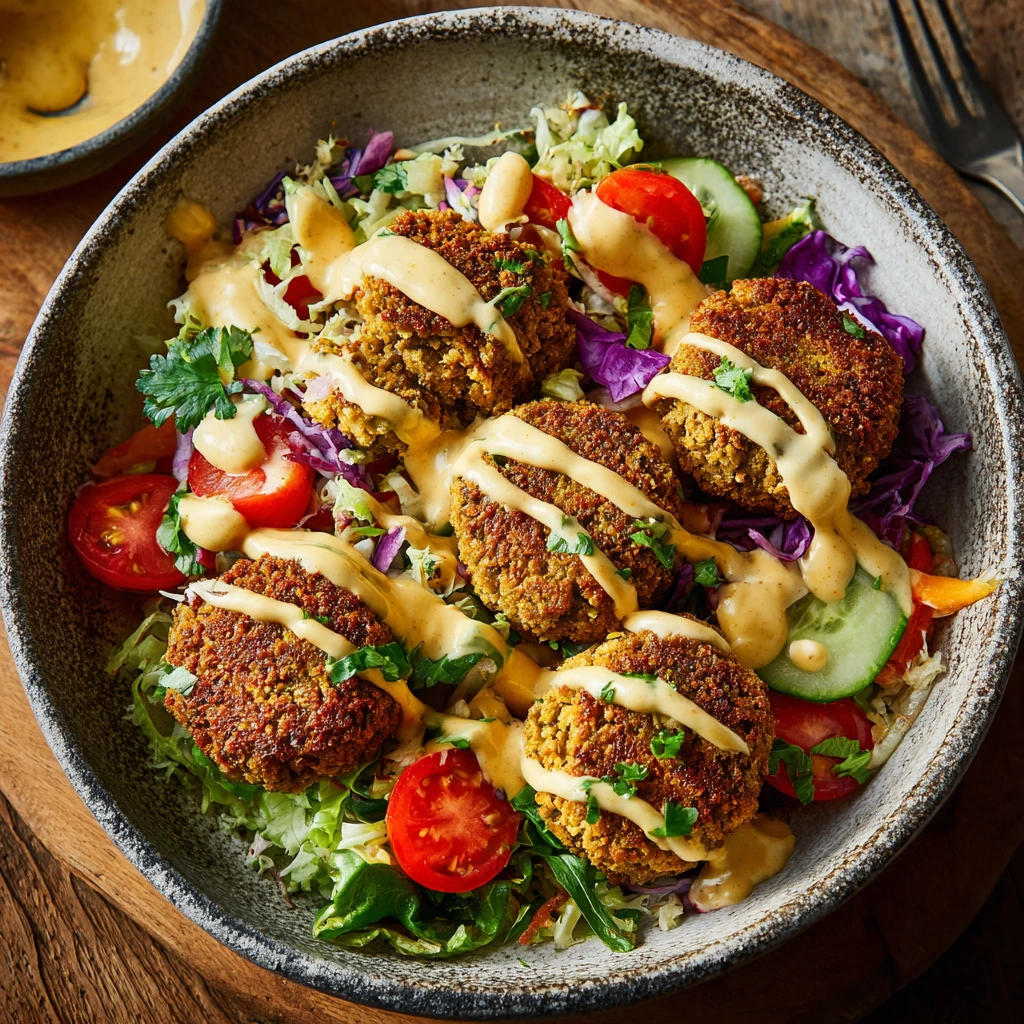
Homemade falafel might sound intimidating but they’re genuinely easy if you have a food processor. Blend chickpeas, herbs, garlic, and spices, form into balls, and bake rather than fry to save yourself standing over hot oil. They keep well, taste fine at room temperature, and most people actually like them. Serve with tahini dressing in a separate bowl. Plan for 3-4 falafels per person.
Spanish tortilla (the potato and onion omelette) is brilliant for vegetarians but obviously not vegan. Slice it into small wedges and it’s perfect finger food that tastes better at room temperature than hot. One large tortilla made in a 25cm pan serves about 8 people as part of a buffet spread.
Dips and Things to Dip
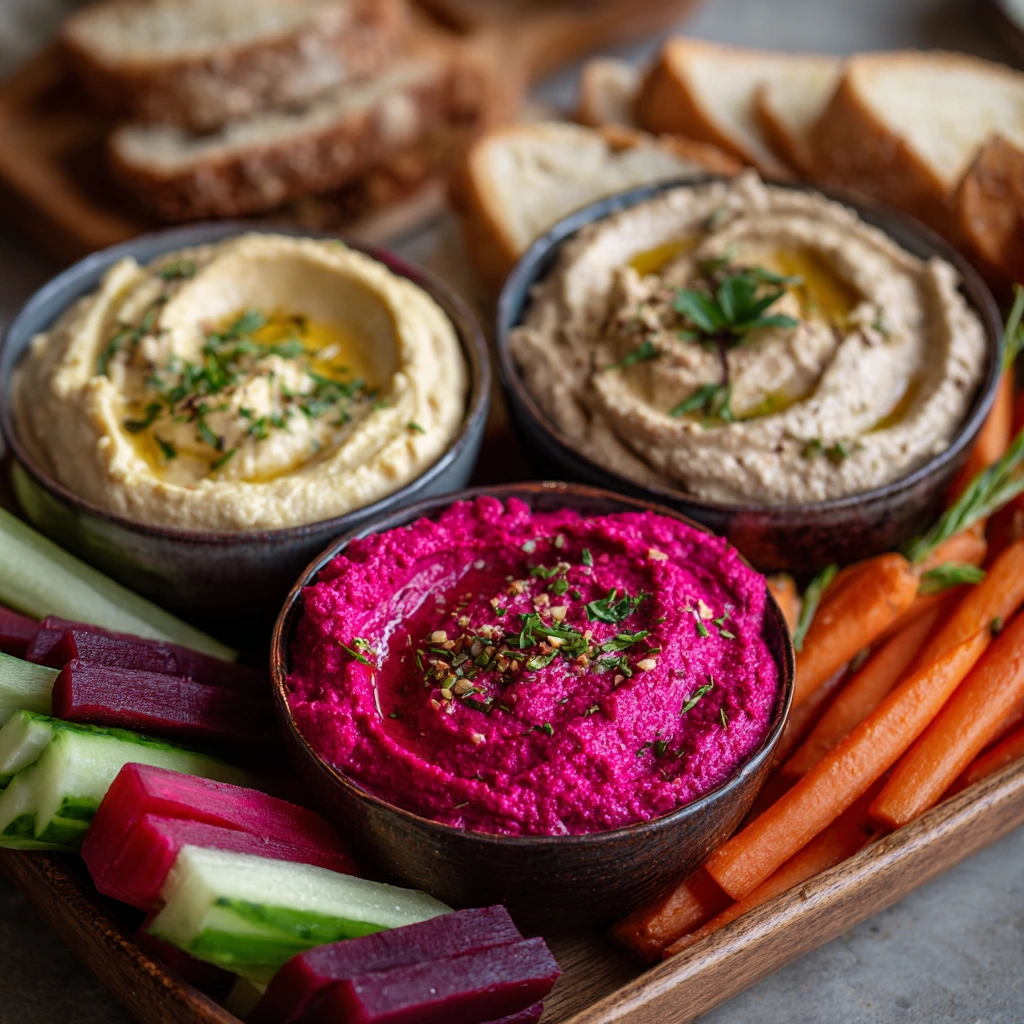
Dips are the secret weapon of vegetarian buffets. They’re easy to make ahead, look abundant, and people can control their own portions.
Hummus is non-negotiable, but please don’t just serve shop-bought plain hummus and think you’ve ticked a box. Either make your own (which is genuinely better) or buy something interesting from the supermarket. Beetroot hummus, red pepper hummus, or hummus with crispy chickpeas on top all look more appealing than beige paste in a bowl.
Baba ganoush gives you that smokier, deeper flavour that makes the spread more interesting. Burn aubergines directly over your gas hob until the skin is completely black, scoop out the flesh, and blend with tahini, lemon, and garlic. It’s spectacularly good and feels special enough that people are impressed, even though it takes about 15 minutes.
Guacamole works every time but it browns if you make it too far ahead. I compromise by prepping all the ingredients the day before, then mashing everything together about an hour before people arrive. Covering the surface with cling film pressed directly onto the guacamole helps prevent browning.
Tzatziki is brilliant for vegetarians but obviously not vegan. Grate cucumber, salt it to draw out water, squeeze it dry, then mix with Greek yoghurt, garlic, and dill. It’s cooling, fresh, and pairs well with richer dishes.
For dipping, offer a mix of things. Pitta bread cut into triangles and toasted, good quality crackers, breadsticks, and vegetable crudités. Raw vegetables can look a bit sad, so I roast carrot and courgette sticks with olive oil until they’re just tender but still have bite.
Salads That Aren’t Boring
The word “salad” makes people expect limp lettuce and tomato wedges. Forget that entirely.
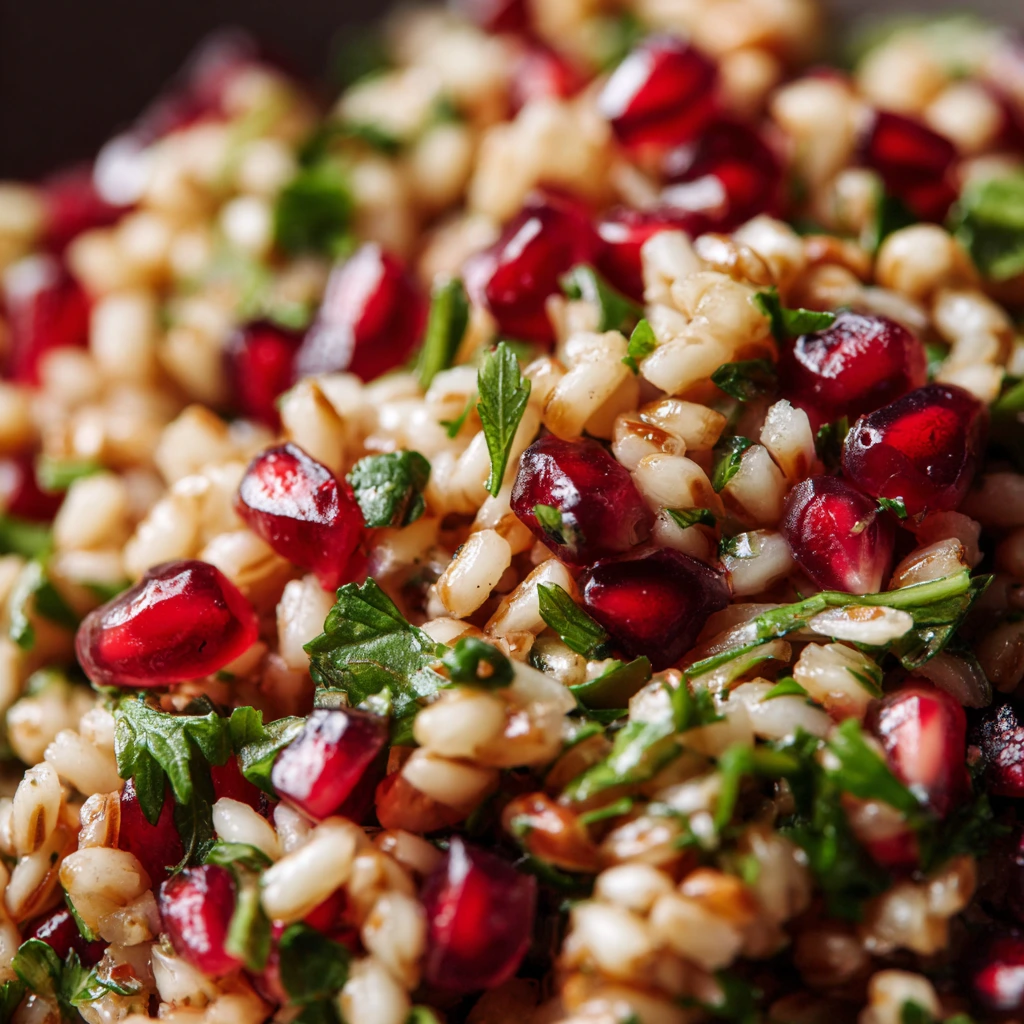
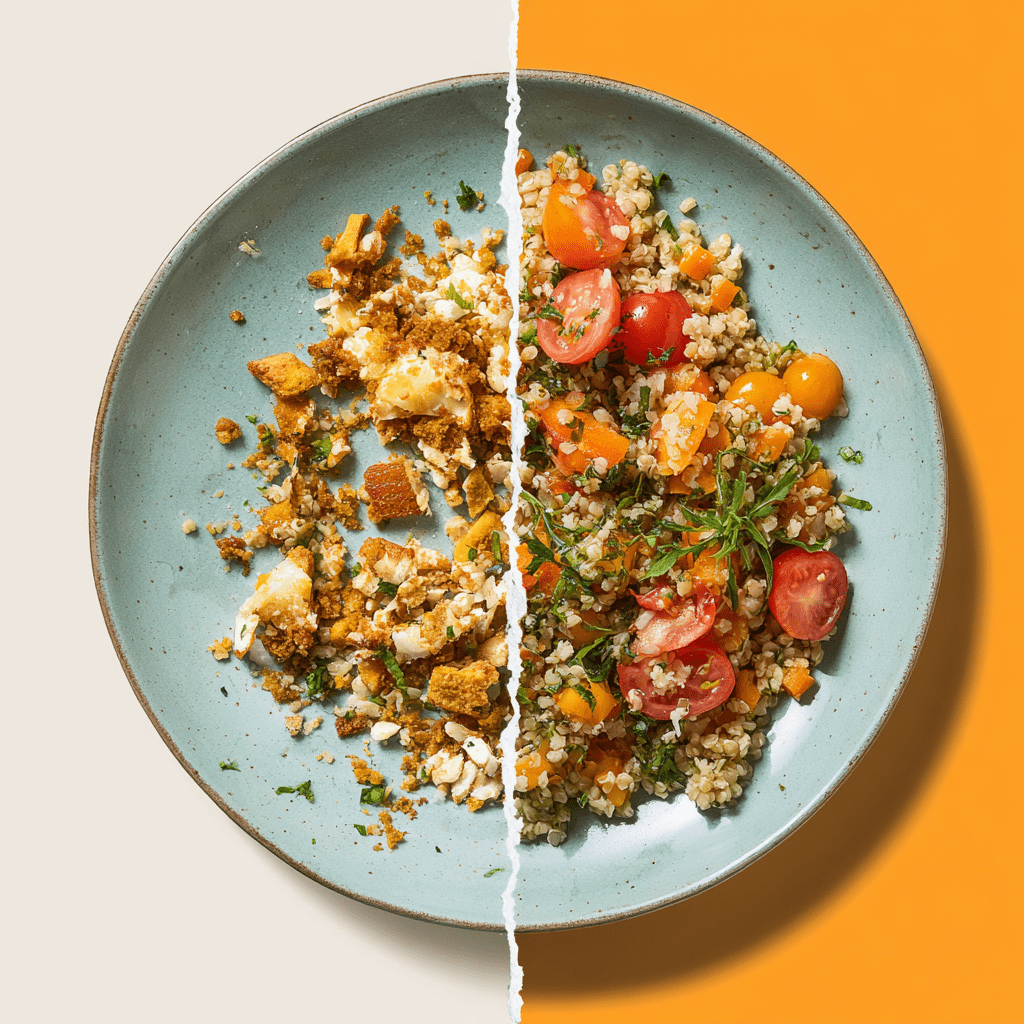
Grain-based salads are what you want. Pearl barley with roasted vegetables and herbs, bulgur wheat with pomegranate and mint, or giant couscous with roasted peppers and preserved lemon all taste better after sitting for a few hours as the flavours develop. They’re substantial, photogenic, and most people will actually eat them.
Pasta salad can be exceptional if you avoid the mayo-drenched disaster most people remember from childhood. Roast cherry tomatoes until they’re almost bursting, toss with pasta, rocket, pine nuts, and good olive oil. It’s simple but it tastes like an actual dish rather than something assembled from a jar.
A properly dressed slaw adds crunch and freshness. Shred red and white cabbage, grate carrot, add thinly sliced red onion, and dress with a mix of olive oil, cider vinegar, a touch of maple syrup, and mustard. Skip the mayo to keep it vegan, and it’ll keep its texture for hours without going soggy.
Smart Use of Shop-Bought Items
Let’s be honest about something. Not everything needs to be homemade. The goal is a good buffet, not proving your domestic capabilities.
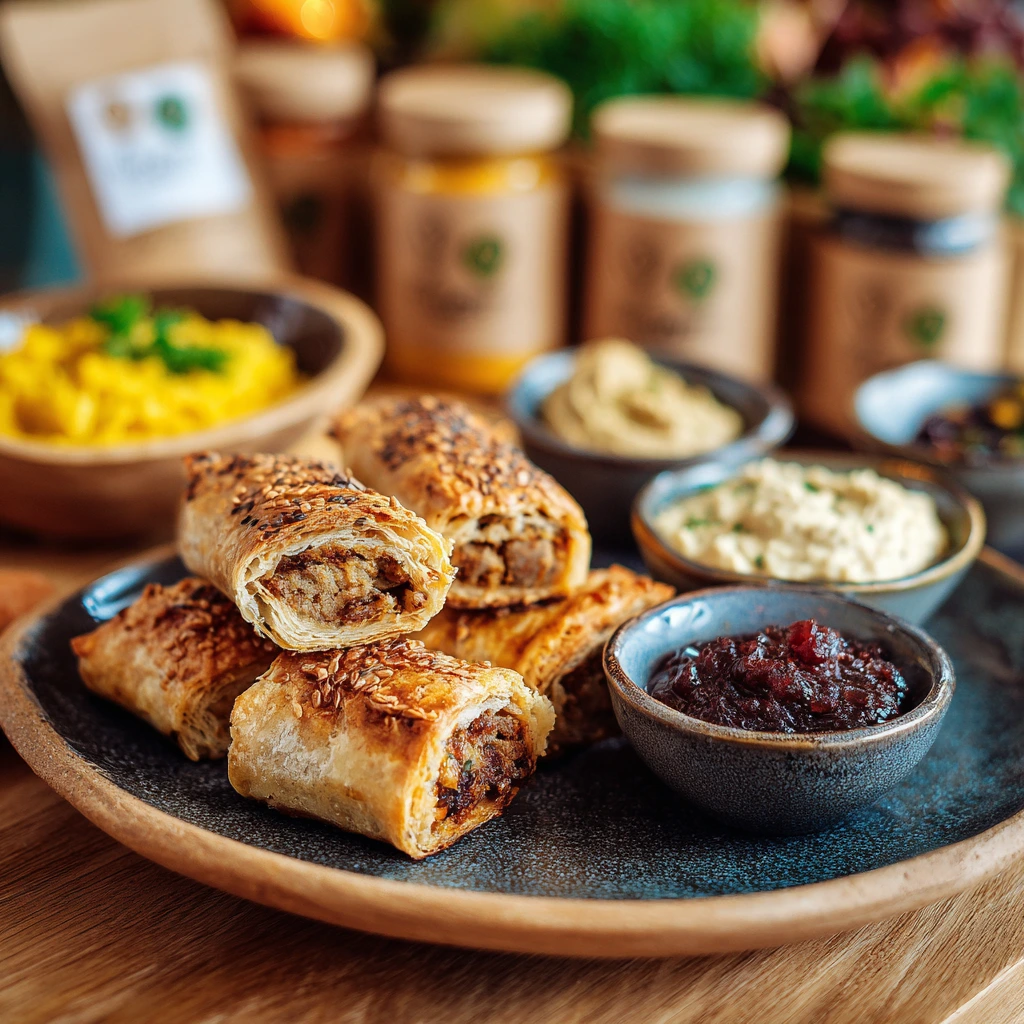
Vegan sausage rolls from M&S or Waitrose are genuinely decent. Most non-vegans can’t tell the difference, and they’re perfect buffet food. Buy more than you think you’ll need because people eat them faster than you expect.
Ready-made samosas or bhajis from the Indian section in supermarkets save you enormous amounts of time. Warm them through in the oven and serve them alongside your homemade items. Nobody will judge you, and they’re often better than anything you’d make yourself.
Good quality crackers and breadsticks are worth buying properly rather than making from scratch. Get interesting ones – rosemary and sea salt crackers, black pepper grissini, or seeded oatcakes all add to the spread without requiring any work from you.
Olives, sundried tomatoes, and antipasti from the deli counter fill visual gaps and add variety. Tip them into nice bowls and they look like you’ve made an effort.
What Usually Doesn’t Work
I’ve made enough mistakes to save you from repeating them.
Vegan cheese is divisive. Some brands are genuinely good now, but many people (including some vegans) actively dislike it. If you’re using it, don’t make it the star of a dish. Grated on top of something where it melts is safer than serving it in chunks on a cheeseboard.
Very spicy food alienates more people than it delights at a buffet. You can’t control portions the way you can at a plated meal, so someone might take a large helping of something that turns out to be aggressively hot. Keep spice levels moderate, or serve hot sauce separately.
Anything requiring precise timing creates stress you don’t need. Yorkshire puddings that deflate, soufflés that sink, or dishes that need to be eaten within 10 minutes of cooking are all terrible buffet choices.
Delicate leaves wilt quickly at room temperature. If you want salad, use sturdy leaves like Little Gem, chicory, or rocket wilted intentionally into warm dishes. Avoid soft lettuce that’ll look sad after half an hour.
Temperature and Timing Logistics
This is where buffets either work smoothly or become stressful.
Room temperature is your friend. Plan your menu so most dishes taste good at room temperature. This means you’re not juggling oven space, timing things to finish simultaneously, or worrying about food going cold.
Cold dishes need proper chilling. If something contains dairy (even vegetarian mayo), keep it refrigerated until the last possible minute. Food poisoning from warm potato salad with mayo isn’t a risk worth taking.
Hot dishes need proper heat. If you’re determined to serve something hot, either use a slow cooker to maintain temperature, or accept that it’ll cool down and make sure it still tastes good when that happens.
My typical timeline for a Saturday afternoon buffet looks like this:
Friday: Make dips, prepare grain salad, bake tart base and cool it
Saturday morning: Assemble tart, stuff peppers, make falafel, finish grain salad
Saturday lunchtime: Final prep, get everything to room temp or chill as needed
Just before guests arrive: Arrange everything, add fresh herbs, slice bread
Labelling Without Making It Weird
Here’s a practical issue nobody talks about. You need to label dishes so vegans know what they can eat, but you don’t want your buffet looking like a dietary requirements exhibition.
Use simple, positive language. Write “Roasted pepper and walnut dip” not “Vegan hummus alternative.” The food should sound appealing first, dietary information second.
Small cards work better than big signs. Get some plain card from the stationer, fold it in half to make tent cards, and write neatly. It looks intentional rather than apologetic.
Include a subtle indicator for dietary suitability. A small “V” for vegetarian, “VG” for vegan keeps it clear without being the main message. Or use a colour coding system – green stickers for vegan, blue for vegetarian.
Don’t label obviously vegan things. A bowl of olives doesn’t need a sign saying “vegan.” Use labels for dishes where it’s not immediately clear.
Common Mistakes and Better Alternatives
Mistake: Making everything vegan to simplify, then watching non-vegetarians eat minimal amounts
Better approach: Build a menu where most things happen to be vegan, with dairy options available separately
Mistake: Serving six different types of hummus and calling it a spread
Better approach: Maximum two dips of the same type (one classic, one interesting variation)
Mistake: Apologising for dishes being vegan
Better approach: Present everything as simply good food that happens to suit various diets
Mistake: Only buying enough food for exact numbers
Better approach: Over-cater by about 20%. Leftovers are useful, running out is embarrassing
Mistake: Leaving everything in serving dishes for hours
Better approach: Keep half the food in the kitchen, top up dishes as they empty to keep things looking fresh
Quick Shopping Strategy for UK Supermarkets
Since you’re shopping in the UK, here’s what works efficiently:
Waitrose: Best for ready-made items like vegan sausage rolls, interesting crackers, and deli items. Their vegan range is reliably good quality.
M&S: Excellent for pastry-based items, ready-made falafel, and quality dips. Slightly more expensive but noticeably better than budget options.
Sainsbury’s or Tesco: Good all-rounders for basics like chickpeas, tahini, vegetables, and bread. Their own-brand hummus is decent.
Aldi or Lidl: Surprisingly good for olives, sundried vegetables, and basic crackers at much lower prices. The quality gap isn’t as obvious in buffet settings.
Buy vegetables loose rather than pre-packaged when possible. You often need half a red cabbage or three peppers, not the amounts they put in packets.
Quick Decision Guide
If you’re short on time: Use more shop-bought items, focus on excellent dips with good bread, add a grain salad and vegetables
If you’re on a budget: Make everything from scratch, skip fancy crackers, use seasonal vegetables, make your own bread
If you’re feeding people who think vegan food is weird: Lead with familiar flavours (Mediterranean, Middle Eastern), avoid obvious substitutes, don’t announce things are vegan
If you’ve got confident vegans attending: Be honest about ingredients, keep things clearly labelled, they’ll appreciate the effort even if choices are limited
If you need to wow people: Homemade falafel, a stunning tart, baba ganoush made from properly charred aubergines, and a vibrant grain salad
Sweet Elements
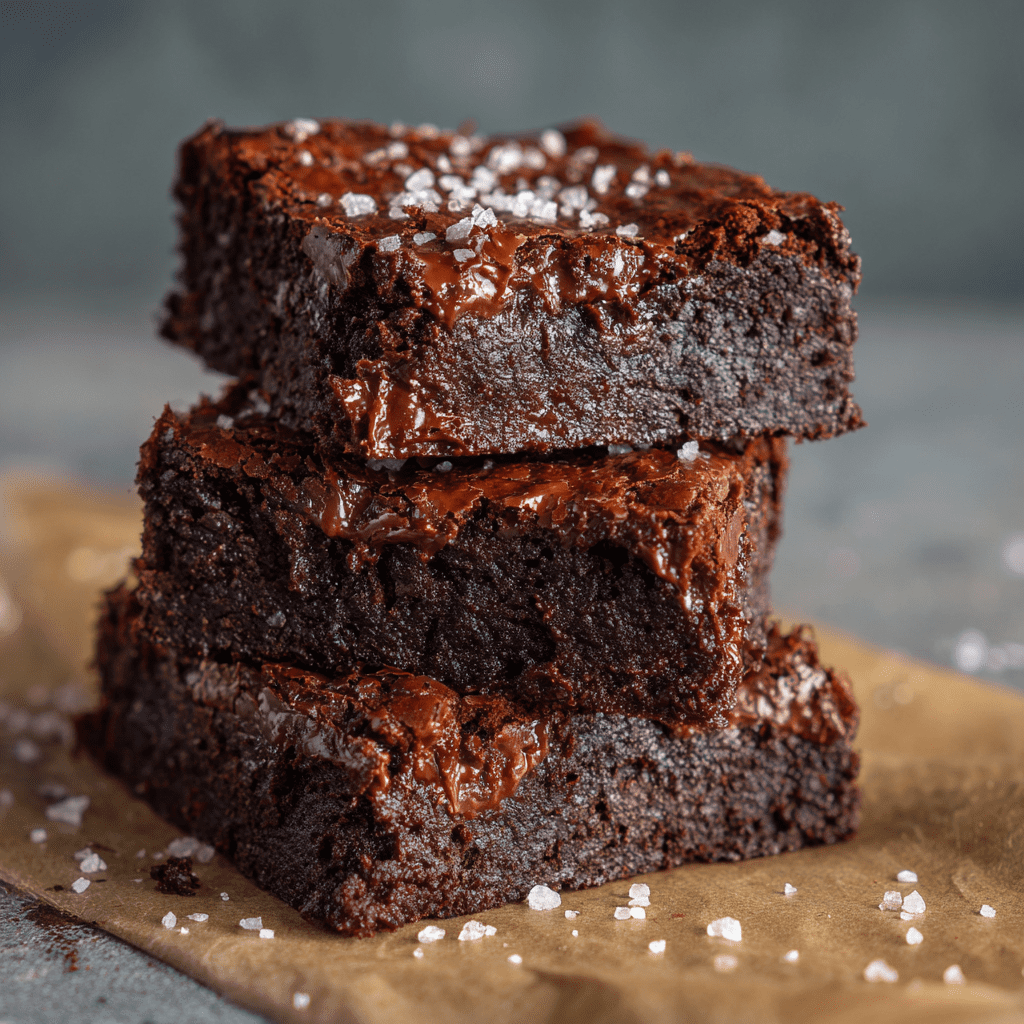
Don’t neglect pudding just because you’re managing savoury dietary requirements.
Fruit is always safe but can feel like an afterthought if it’s just grapes in a bowl. Make it interesting. Citrus slices with mint and a drizzle of honey (or maple syrup for vegans) looks intentional. Strawberries with balsamic vinegar and black pepper is unexpectedly good.
Good quality dark chocolate is often vegan (check the label) and appeals to most people. Break expensive chocolate into rough chunks and serve it with coffee.
Vegan brownies or flapjacks from bakeries are usually indistinguishable from regular versions. Many people won’t notice they’re vegan unless you tell them.
A cheese board works for vegetarians but obviously excludes vegans. If you’re doing one, make sure there are enough other sweet options that vegans don’t feel left out.
What to Do With Leftovers
A successful buffet almost always produces leftovers. This isn’t failure, it’s insurance against running short.
Most dips improve overnight as flavours develop. Keep them covered in the fridge and eat within three days. Hummus freezes surprisingly well if you’ve made too much.
Grain salads make excellent packed lunches and keep for 3-4 days refrigerated. Add fresh herbs or lemon juice before serving to brighten them up.
Tarts and pastry items can be frozen in slices, then reheated from frozen when you want them. Wrap individual portions in foil first.
Roasted vegetables work brilliantly blitzed into soup the next day, or stirred through pasta with olive oil and parmesan.

My Thoughts on Hosting a Buffet for Vegan or Vegetarian Pals
A good vegetarian or vegan buffet isn’t about restriction or virtue signalling. It’s about serving genuinely tasty food that happens to suit various dietary choices. When you lead with flavour and practical hosting decisions rather than dietary labels, everyone relaxes and actually eats.
The buffets that work best in my experience are ones where about 70% of the food is naturally vegan, with vegetarian options clearly available for those who want them. This means vegans have plenty to choose from, vegetarians feel catered for, and omnivores try things they might not usually order because it simply looks good.
You don’t need to be perfect. A mix of homemade and shop-bought is absolutely fine. What matters is having enough variety that everyone finds multiple things they want to eat, clear information about what’s in each dish, and food that tastes good rather than worthy.
Plan ahead, lean on room temperature dishes, and remember that people will eat more than you expect if the food is genuinely appealing. And if someone makes a comment about “rabbit food,” they’re the one with limited imagination, not you!
Frequently Asked Questions
How much food do I need per person for a buffet?
Plan for about 150-200g of substantial dishes per person, plus unlimited access to dips, bread, and salads. For 12 people, that means roughly 2kg total of your main savoury dishes, plus all the sides. It sounds like a lot, but buffet-style eating encourages people to take more than they would from a plated meal. If you’re also serving alcohol, you can probably reduce quantities slightly as people eat less when drinking.
Can I make everything the day before?
Most buffet food actually benefits from being made ahead. Dips, grain salads, tarts, and roasted vegetables all taste better after their flavours have developed overnight. The exceptions are anything with soft leaves (add these just before serving), guacamole (browns quickly), and dishes containing cream or mayonnaise (food safety concern). A good rule is to make 80% the day before, leaving only assembly and fresh elements for the day itself.
What’s the best way to keep food at the right temperature?
Honestly, just embrace room temperature. Plan your menu around dishes that taste good neither hot nor cold, and you’ve eliminated the temperature problem entirely. If you’re determined to keep something hot, use a slow cooker on the warm setting, or accept that things will cool down and make sure they still taste decent when that happens. Trying to keep multiple dishes hot simultaneously creates unnecessary stress.
How do I make vegan food appeal to meat-eaters?
Never lead with “this is vegan” as your opening description. Lead with flavour. “Roasted red pepper and walnut dip” sounds infinitely more appealing than “vegan hummus alternative,” even though they might be describing the same thing. Focus on robust flavours, good seasoning, and visual appeal. Most people who claim they don’t like vegan food have actually just eaten badly seasoned, beige vegetables presented apologetically. Good food is good food, regardless of whether it contains animal products.
Should I label dishes as vegan or vegetarian?
Yes, but subtly. Vegans need clear information to know what they can eat, but massive signs saying “VEGAN” can make dishes seem like a separate category rather than just part of the spread. Use small tent cards with the dish name prominently displayed and a small “V” or “VG” indicator. Better yet, arrange your buffet so all the vegan dishes are together, then you only need one small sign saying “Everything on this table is suitable for vegans” rather than labelling each dish individually.
What if I’m not sure about ingredients in shop-bought items?
Check labels carefully and don’t assume. Some surprising things aren’t vegan (many crisps contain milk powder, some breads contain honey, certain wines use animal products in processing). When in doubt, put the item with the vegetarian section of your buffet rather than the vegan section, or simply don’t use it. Most supermarket own-brand products now have clear allergen and dietary information. The Free From sections are usually safe bets, though often more expensive.
See more Food with Purpose plus more party food ideas!
You might also like:
Easy Party Food Ideas

Becky is the voice behind Life in Velvet, an organised, intentional living blog focused on practical food, calm homes, thoughtful projects, and everyday systems that make real life feel easier. A mum of 3 living in the UK, Becky writes from lived experience, sharing what works, what doesn’t, and the decisions that make family life run more smoothly.
With a background in marketing and content writing, and over a decade of blogging experience, she brings a thoughtful, structured approach to everything from baking and home projects to routines and decision-making. Life in Velvet is where planning meets creativity, with ideas designed for real homes and real life.