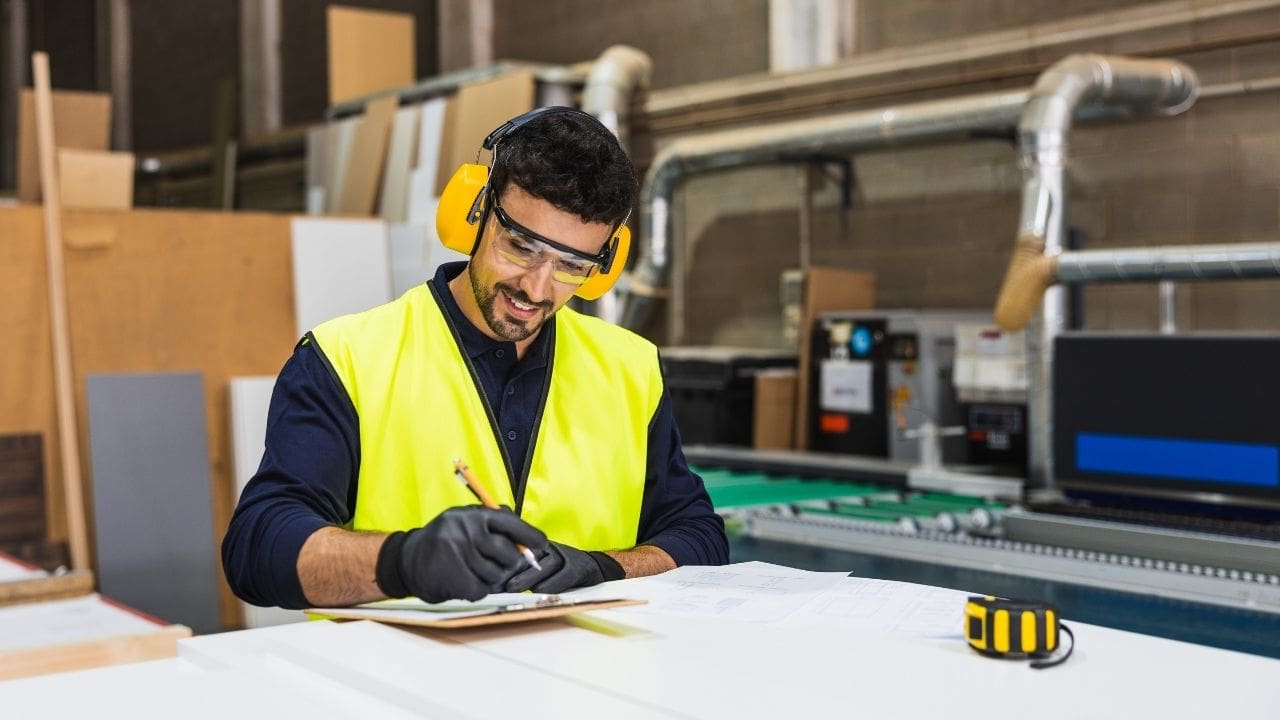
It’s not a single safety moment that keeps workers safe on the job. It’s a commitment made consistently over time. That split-second decision before lifting, that opportunity to check the area before starting a task, that reaching for PPE before starting (or halfway through) an assignment because it’s become second nature. Those seemingly insignificant actions over the duration of weeks and months are what differentiate those workers who remain injury-free from those who do not.
The good news? It’s not a complicated process to formulate those habits. It merely requires a bit of intentionality.
Situational Awareness Goes a Long Way
Many workplace incidents occur because workers fail to notice something in their periphery or they’re too distracted. Situational awareness—the acknowledgement of what’s going on around them in relation to their task—cuts down on the risk of failure. Are other people working nearby? What are the overhead hazards? Where are the exits? Did the weather change, or the temperature indoors?
Conditions change over the length of a shift. Workers attuned to those changes respond better and faster when something happens out of the ordinary. It’s not about being anxious or overly cautious. It’s simply being aware.
PPE Needs to be Consistent Over Time
Personal protective equipment is only effective when its use is consistent. It sounds obvious, but over time, that’s what tends to occur. Experienced professionals fall victim to their own hubris. They become complacent and assume they know how to position themselves without reliance on PPE; familiarity breeds shortcuts, and shortcuts breed injuries.
Creating the habit of unwavering PPE construction in every possible circumstance, even if someone is new to the job or a supervisor isn’t watching, makes all the difference. If hard hats, gloves, high-visibility clothes, or respiratory protection are what’s necessary for the task at hand, it should be donned before work begins, without exception.
Eye Protection Should Never Be an Afterthought
Eyes represent one of the most injured body parts in workplaces, and is one of the most preventable locations for injury. Eye protection tends to be an afterthought, grabbed at the last minute without fit or consideration of need when it’s still of utmost necessity.
For workers who move between indoor and outdoor environments throughout the day, eyewear choice matters more than most people realise. Standard clear lenses don’t cut it when the sun is out, and dark lenses create problems when moving back inside. This is exactly where transition safety glasses come into their own. The lenses adjust automatically to the light conditions, which means workers aren’t compromising their vision or their protection as the environment changes around them.
Fit is also essential. Glasses that do not sit correctly create gaps through which debris, dust, or UV exposure penetrate the eye. Finding eyewear that fits properly on its own—and one that passes safety standards for the job at hand—is a step that’s easily overlooked but crucially effective.
An Organized Space is a Safe Space
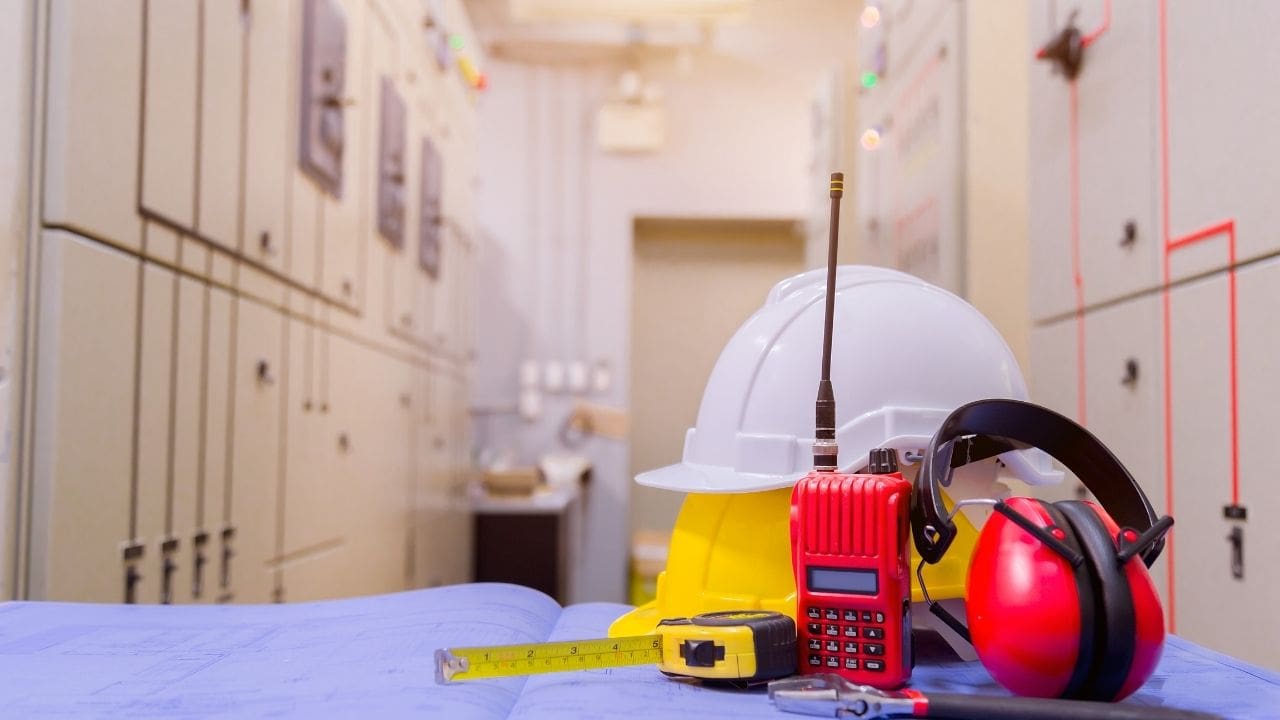
It’s easy to forget how much the physical environment influences injury risk: cluttered hallways, unattended spills, tools dropped instead of replaced, and fabric left hanging from questionable places all result in trips, falls, and collisions. While no one expects this, they easily could have been avoided with basic tidiness and a culture where everyone pitches in with shared responsibility.
Gaining the habit to tidy as one goes—as opposed to waiting until the end—is highly advantageous, as is speaking up about something that’s out of place. A hazard noted by one person is a hazard avoided by another. It costs nothing and pays dividends with little effort or time required.
Additionally, end-of-shift walk-throughs are habits that high-performing teams build over time. Taking five minutes before leaving to reset everything—return tools back to where they belong and flag anything that needs attention in the morning—helps prevent hazards from building up over time. It might seem unnecessary when nothing urgent seems wrong, but that level of consistency fosters good habits from day one so that no incidents can occur at a future date.
Communication and Reporting Foster Safety for All
High-performing workplaces with excellent safety records all have one thing in common: people talk about issues without fear of reprimand. Near-misses are reported; concerns are flagged; no one is judged for pointing out hazards. This culture doesn’t occur without consistency from both workers and managers who model honest communication efforts.
Reporting a near-miss isn’t admitting defeat; it’s providing the whole team with an opportunity to learn and avoid an even worse incident later down the road. For those who develop the habit of reporting even the small things will increase the safety for everyone else. This is especially the case when management responds appropriately without defensiveness post-reporting. That loop naturally gets cultivated over time.
Forming The Habit
The thing about safety on the job is that workers who excel don’t compartmentalize safety as its own sub-set of tasks within working hours. It becomes second nature relative to their typical performance level.
Forming those habits as second nature requires exposure over time. For someone to find one or two accessible pieces and build from there is far more successful than trying to incorporate everything at once immediately via an overhaul assessment down the line later on. Small changes compounded positively over time work more successfully—and in one career, that makes all the difference. Those who remain safest aren’t even necessarily those who are most cautious but rather those who retained awareness over time.
See some more business organisation posts here

Becky is the voice behind Life in Velvet, an organised, intentional living blog focused on practical food, calm homes, thoughtful projects, and everyday systems that make real life feel easier. A mum of 3 living in the UK, Becky writes from lived experience, sharing what works, what doesn’t, and the decisions that make family life run more smoothly.
With a background in marketing and content writing, and over a decade of blogging experience, she brings a thoughtful, structured approach to everything from baking and home projects to routines and decision-making. Life in Velvet is where planning meets creativity, with ideas designed for real homes and real life.