
Why is the private number plate process so mysterious? It should be simple enough; you find a plate you like, pay for it and it gets fitted to your vehicle, what’s the big deal? In reality, there are many more steps than the average person assumes and understanding the process helps to demystify what happens from the first search to fitted plate. Here’s what’s going on behind-the-scenes.
The Search: First Browse
Most people enter the process with the mindset of wanting something special. This could be their initials, a special word, a significant number, it could be anything. The problem with such vague placeholders is that they rarely match up with a feasible combination.
For most, that first browse involves thinking of letters and numbers and hoping for the best. Sure, you might try to get your whole name but it’s either taken or too expensive. Okay, maybe a letter and a number are too expensive. You try multiple combinations, spend time finding something appropriate. This could take five minutes or five months. It depends on how close to the vision someone’s ideas are before they have to compromise.
The reality is that most people have to compromise. It’s completely normal to search for something ideal and then settle for something less than what you wanted, all because a plate you purchase isn’t necessarily what you found first but what felt comfortable enough after searching for too long.
What You’re Actually Buying
When you pay for your plate, you’re not technically buying a plate. You’re buying the rights to assign that registration mark to a car that you own.
You’re getting access to that registration through an official DVLA certificate. While you’ll get physical plates later, in all reality, you’re getting access. The certificate gives you twelve months to transfer the plate; in other words, if you don’t have a car yet or if you’re waiting for someone else to get a vehicle, you have some time (with an application fee available post twelve months if you need to renew).
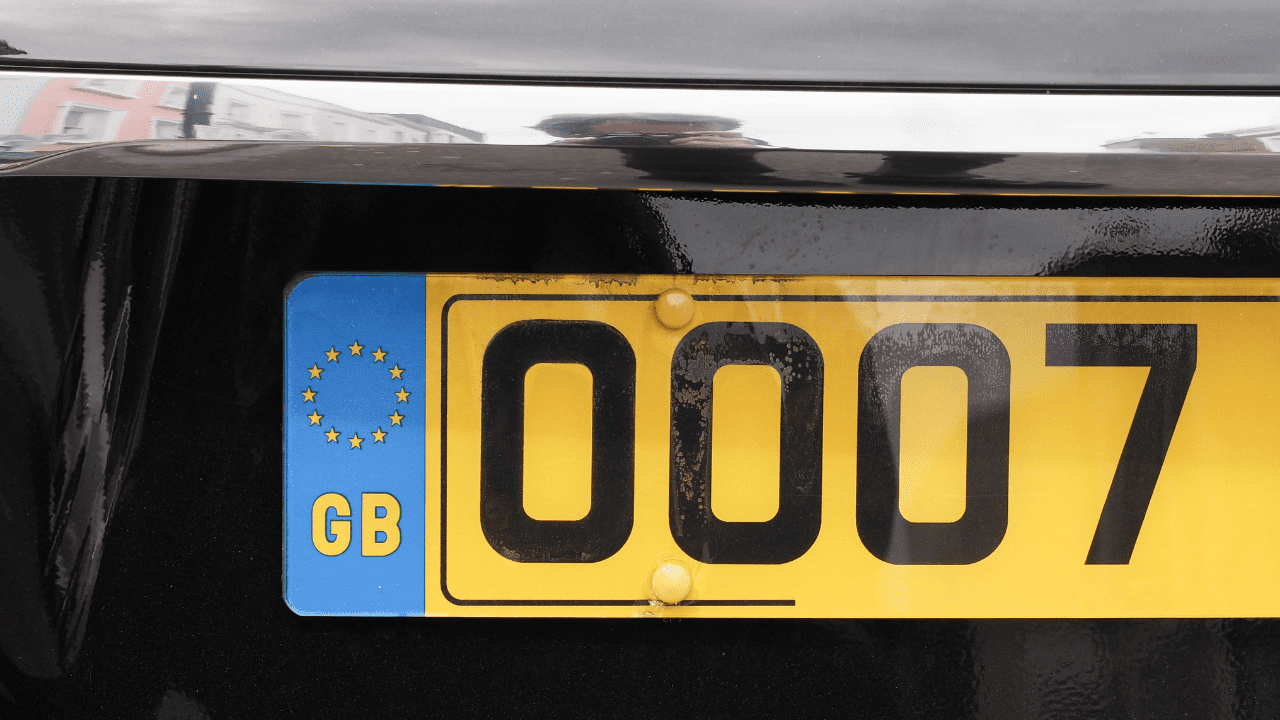
The Sale
The means by which you purchase your plate vary on if you’re going through DVLA directly or if you’re using a private dealer. A private dealer acts as middleman while still getting the registration through DVLA’s system. If you’re hoping for variety, number plate specialists, like those found through Plates 4 Less who provide Private Number Plates, can help you find an available variety with good pricing structures without getting overwhelmed trying to navigate on your own.
Payment is fairly standard; card options or bank transfer are accepted (but avoid PayPal unless otherwise specified as most private sales won’t operate through PayPal). If you’re buying something with high enough resale value (meaning over a few thousand), dealers may provide finance options. Pay attention. High interest options exist.
Once payment has gone through, you’ll wait. If working with a dealer, they have to apply for the registration on your behalf through DVLA which takes anywhere from three days to two weeks. If you’re going through DVLA auctions, it’s usually slightly shorter.
The Paperwork Comes In
Eventually, you’ll get your V750 certificate of entitlement. This is your proof of purchase.
Although the V750 is just a printed piece of paper with your details, the registration and reference number, it acknowledges that you’ve done everything correctly thus far. Many people take the V750 and place it in a safe space until they’re ready to assign it.
There are no rushes; as noted earlier, twelve months gives people time to do what they need, whether it’s preparing their own vehicle or waiting for someone else to get theirs.
Assigning The Plate To a Vehicle
Now comes the tricky part. To assign a registration mark to a vehicle, that vehicle must be DVLA registered with an MOT (if over three years old) and taxed or SORN’d. Most importantly – and this trips some people up – the vehicle must be newer than the registration you’re trying to give it.
Why? You can’t change age, The registrations are coded inherently with age values, DVLA allows transfers between plates but never upgrades for age – and this confuses people who don’t understand they can’t make something younger than it already is.
When you’re ready, fill out the V750 as well as your V5C and send them both into DVLA (with an assignment fee of £80). Then it’s another waiting game: five working days post-V5C approval assuming DVLA is caught up.
Getting New Plates Made
During this time, you cannot legally display your plate yet, but you can get physical plates made ahead of time so they’re just waiting on the side to be fitted as soon as the updated V5C comes back.
Any registered number plate supplier can take care of this for you – but note, you’ll have to show a certificate proving you’ve received rights to that plate so that’s what’ll come into play here. The supplier will check the documentation and verify your identity before making them properly.
Now, here’s the fun part. The actual plates will cost anywhere from £20-£50 depending on who’s doing it (standard plates, 3D gel, pressed metal etc.). Requirements for display are strict, legal specs, specific fonts and sizing, so make sure reputable suppliers know what’s allowed.
The Final Step: Fitting New Plates
The final step comes when your V5C arrives showcasing your new registration, and fitting gets fitted to the vehicle. This all happens fairly seamlessly with screws coming pre-drilled for attachment but some people use sticky pads (legal but not as secure).
If you’re unsure how to do this yourself, any garage or car wash offers it between £10-20 (takes less than five minutes).
Why It Is Not as Simple as It Seems
Thus, the process makes perfect sense but it only happens this smoothly in theory. In reality, documents often get sent to incorrect addresses by DVLA, suppliers often don’t have specific styles available or get overwhelmed making new ones, or sometimes you’re stuck in limbo and your car fails its MOT just when you’re ready to assign everything which stops everything in its tracks.
Furthermore, plan for hidden costs. Just because you pay for the plate doesn’t mean that’s all you’ll pay. There’s an assignment fee (£80), there’s getting new plates made, which average about £40 and if you’re changing them with financed or lease vehicles, you’ll need permission from the finance company as well which can throw a wrench into things.
What Happens to The Old Plate?
Also note what happens when you assign, is there an old plate left sitting around? No. Once it’s assigned back into DVLA, as good for years as before, but you can keep it on its own certificate (for an additional fee) which people do when their old plate is meaningful or worth something down the line.
It’s no surprise that anytime there are segments called “assignments”, it’s clear DVLA needs time to process things. This gives them time to update their information and alert insurance companies with access to Centralized info, rushing this process would create chaos across the system.
What To Expect
Taking all of this information into account allows people’s expectations to manage better. When dealers say “instant” payments, that’s true, the payment is instant, but transfer assignments still take time regardless of where someone has bought them from.
From start to finish, expect two weeks to two months as long as everything is simple enough but plan for stress if indecision during searches occurs or if buying before the car is ready adds extra time.
In reality, once it’s done; it’s done. The private registration goes with that car forever until someone decides to apply for it elsewhere or back into the DVLA system (the plate doesn’t just disappear). This part is rewarding. Your private plate belongs entirely to you, it’s acknowledged where you drive.
See more automotive posts here

Becky is the voice behind Life in Velvet, an organised, intentional living blog focused on practical food, calm homes, thoughtful projects, and everyday systems that make real life feel easier. A mum of 3 living in the UK, Becky writes from lived experience, sharing what works, what doesn’t, and the decisions that make family life run more smoothly.
With a background in marketing and content writing, and over a decade of blogging experience, she brings a thoughtful, structured approach to everything from baking and home projects to routines and decision-making. Life in Velvet is where planning meets creativity, with ideas designed for real homes and real life.