
There’s no feeling quite like entering a furniture store with the best intentions and then coming home with mishap after mishap, regretting how that perfect-looking couch wedged into the corner didn’t translate so well under showroom lights. How did that couch get over there? It apparently wandered in from next door.
Matching furniture styles with your home isn’t about rigid guidelines or buying matching sets. It’s about understanding what your home is giving you and working with it, not against it.
Understanding Existing Style Before Shopping
Before you shop for a single piece of furniture, you need to learn how to look at your space – truly look. Don’t simply take a cursory glance and move along. What’s already there?
Start with your trim. Is it ornate? Simple? Check the doors – paneling, flat? Your windows possess clues as well; are they divided panes or large single panes? Even your floors come into play. Wide plank hardwood, patterned tile, neutral carpeting all trend in different directions.
Your home’s existing framework provides the biggest clues for which kinds of furniture styles will feel right in that space; you don’t need to match everything exactly. A craftsman bungalow can absorb some modern styles. A contemporary space can absorb some vintage finds. But only if you know what you have.
Wood Tones That Compliment One Another
Wood furniture comes in about a million different finishes, and it’s assumed that every shade is available to buyers upon request. The truth is, you don’t need everything to match.
Most spaces can accommodate about two, maybe three different wood tones without making things look chaotic. The key here is whether they’re obviously contrasting or within the same family. Medium oak and medium walnut just looks like you’re confused. But light oak next to dark walnut? That’s intentional.
Should you have wood features elsewhere in the home, let them guide you. Existing wood trim? Built-ins? Use those for a guide. You can match the tones or purposefully contrast them; the gray area where everything is together but not quite right makes for visual confusion.
Painted pieces offer more flexibility in this arena; a painted piece can tie different wood tones together, bridging gaps where natural finishes aren’t cooperating. It’s like a neutral referee between competing pieces.
Should you buy quality pieces that cross various styles, knowing which pieces are better made and processed than others offers you a better understanding of whether they’ll match up across styles or not. If you’re one for American-made products, legends furniture boasts pieces across numerous categories with consistent wood compositions; if there’s a finish option in the same level of construction, it will aid matching.
Scale and Proportion
Furniture can be well-made and stunning but entirely wrong for your home if they do not fit. Size matters more than most people think.
Low ceilings (under 8′) work best with furniture that’s low to the ground; tall items make already small spaces feel cramped. Nine- and ten-foot ceilings can manage most scales without issue, but should you own an older home with an eleven- or twelve-foot ceiling, sometimes general furniture can dwarf those spaces; tall items are necessary.
Room size matters too; while that sectional could accommodate eight people it doesn’t need to fill an entire room like a showroom. You should easily be able to walk around furniture without having to turn sideways or do a strange shimmy.
Doorways and stairs also create certain hard stops when it comes to accommodating furniture. Measure those before shopping; moving companies have seen it all but charge extra for “Yes, we can get this couch through that door” stories.
Mixing Styles Without Creating Chaos
Sticking with one style can often feel safe but end up looking like a catalog exploded inside your living space. Some mixing creates comfortable and cohesive spaces that feel collected over time from various sources instead of purchased on one shopping trip.
The easiest way to integrate multiple styles in a single room is to have a dominant style (60-70%) and use the other as an accent. A mostly traditional room can accommodate a modern coffee table. A contemporary living room might look more interesting with an antique chest instead.
While they are different styles, similar themes keep them alive in a room together. If your modern chair and traditional sofa boast similar lines, they’ll coexist better than you’d think – as will similar leg and arm structures and even proportions.
Color and fabric choices matter too. Wildly different styles can have their chaos contained via color palette cohesiveness and general theme. Neutral themes often reign supreme because they make mixing easier, but so do repeated colors.
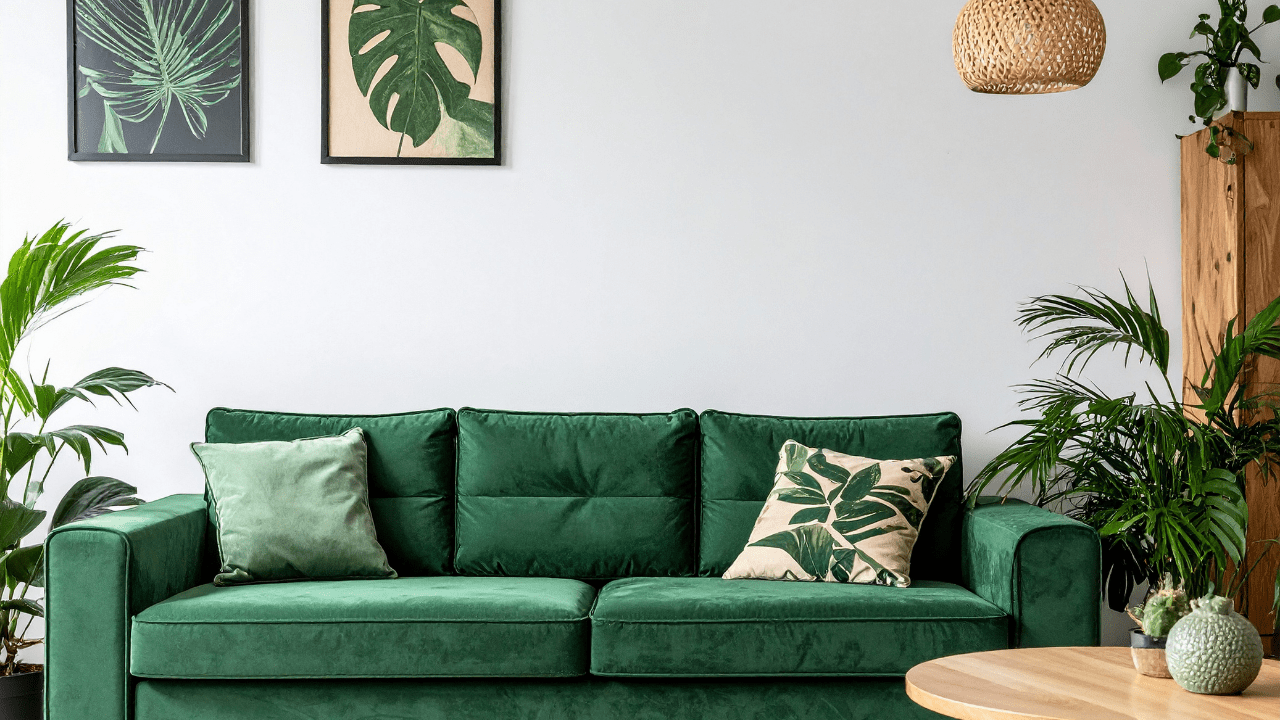
Fabric Understanding
The fabric on your furniture is just as important as the frame’s appeal. Put modern fabric on traditional construction and you’ve completely changed how that piece feels as a person.
Generally speaking, formal spaces use solids and simple patterns; tradition weaves keep things together. Casual spaces can handle slightly bolder patterns, textures, even more relaxed applications of fabric. If you’re trying to pay homage to your home as-is, then the fabric is where you truly go for it.
Leather reads as traditional (brown), contemporary (black or grey). Linen reads as casual. Velvet reads as upscale. Microfiber lends itself well to practicality but boasts limited upscale appeal.
The scale of the pattern matters, too; large patterns need space to breathe – they work best on larger items in larger rooms; smaller patterns work on smaller pieces in tighter spaces; if the walls or floors have a pattern already, chances are your fabric should tone itself down.
Cohesion Across Open Spaces
Open floor plans present their own challenges – need decor that coexists in spaces where walls are nonexistent, spaces that are all seen at once without embellishment. It’s harder than decorating separate spaces behind a closed door if only aesthetics didn’t matter.
You don’t need the same furniture throughout open areas; however, there should be a consistent theme. Whether it’s wood tones repeated from one area to another or similar lines and patterns, even cross-colors/hues should ease the eye from one integrated space to another without bumps.
Think about where sightlines are strongest; what’s seen from where you spend most of your time? Those assets must function well together even if they’re in different areas.
Putting It All Together
Ultimately, matching styles feels good but imperfectly appropriate; the idea is to create spaces that feel comfortable – but not like you’re living in the showroom yourself.
You want to try most of all to start with your largest anchors – the couch, the dining table, the bed – because everything else will fall into place if they’re well-situated according to scale/proportion/line/finish/fit.
Therefore, take your time; don’t rush into furnishing everything at once because living within the space allows you time to understand what looks good, what works best as need-based suggestions versus what furnishings stores tell us we should have.
In fact, some spaces unfold slowly so that they’re defined naturally over time – if you love something and it sparks joy on a daily basis, it trumps needing it to fall into line nicely style-wise – even if five years later you still feel the same!
See more home and interiors posts here

Becky is the voice behind Life in Velvet, an organised, intentional living blog focused on practical food, calm homes, thoughtful projects, and everyday systems that make real life feel easier. A mum of 3 living in the UK, Becky writes from lived experience, sharing what works, what doesn’t, and the decisions that make family life run more smoothly.
With a background in marketing and content writing, and over a decade of blogging experience, she brings a thoughtful, structured approach to everything from baking and home projects to routines and decision-making. Life in Velvet is where planning meets creativity, with ideas designed for real homes and real life.