This is a collaborative post with Cells4Life.
There is a quiet shift happening in the way families approach long term health. It is less about reacting and more about preparing, less about urgency and more about thoughtful decisions made early. Among these choices, cord blood banking is gaining attention, not as a trend, but as a considered option grounded in both science and possibility.
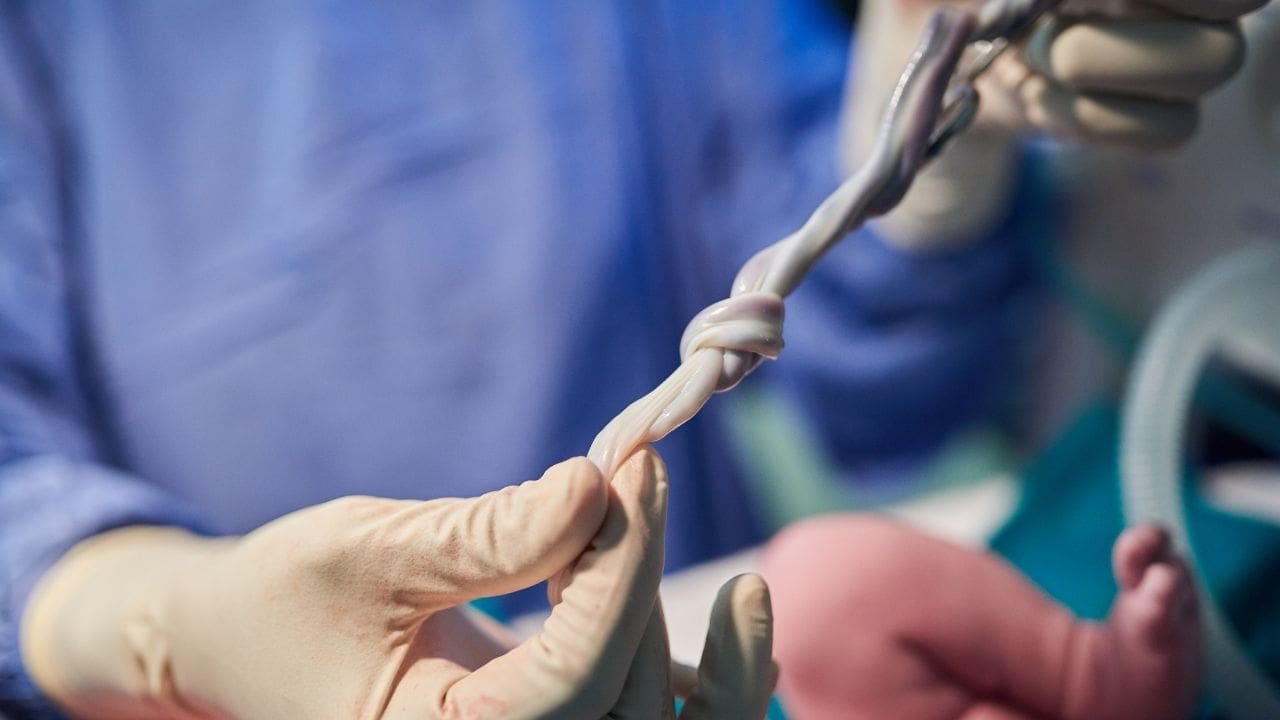
At birth, the umbilical cord represents a fleeting moment. Once its role is complete, it is usually discarded without a second thought. Yet within that cord blood lies a rich source of stem cells, unique to your child, with the ability to develop into the cells that form our blood and immune system. These cells are already used in established medical treatments, and their potential continues to expand through ongoing research.
Private cord blood banking offers families the opportunity to collect and store these cells at the very beginning of life, preserving something that cannot be retrieved later.
A Personal Resource, Stored From Day One
What makes cord blood stem cells so valuable is their biological compatibility. As they come directly from your baby, they are a perfect genetic match for that child and may also be a suitable match for siblings or close family members. In situations where stem cell treatment is required, having access to a perfectly matched source can simplify what is often a complex and time sensitive process.
Unlike other forms of stem cell collection, cord blood is obtained without any intervention for mother or baby. It is collected after birth, once the cord has been clamped, cut and the placenta has been delivered. The process is quick, safe and unobtrusive. From there, it is transported to a specialist laboratory, where it is processed and cryogenically stored, ready to be preserved for years to come.
For many parents, this simplicity is part of the appeal. It is a one time decision, made during pregnancy, that creates a lasting biological resource for the future.
Established Science, Evolving Potential
Cord blood stem cells are already used in the treatment of over 80 conditions worldwide, including certain cancers, blood disorders and immune deficiencies. In these contexts, they play a critical role in rebuilding the body’s blood and immune systems following illness or intensive treatments such as chemotherapy.
What is particularly interesting is the direction of ongoing research. Scientists are exploring how cord blood stem cells may be used in regenerative medicine, with studies investigating areas such as neurological conditions, acquired brain injuries and autoimmune diseases. While many of these applications are still in development, they point to a broader shift in how medicine may evolve in the coming decades.
For parents, this creates a different perspective. Cord blood banking is not just about current treatments, but about preserving access to a biological asset that may become increasingly relevant as medical science advances.
Peace Of Mind, Without Pressure
Some decisions during pregnancy are about the here and now. Others are simply about making the most of an opportunity while it exists.
Cord blood banking is one of those choices. It allows you to preserve something uniquely valuable at a moment when it would otherwise be lost, creating a resource that belongs entirely to your child from day one.
For many parents, that in itself is reassuring. It becomes part of a wider approach to planning ahead, not in a reactive way, but in a considered, intentional one. Much like setting up long-term savings or making early decisions about your child’s future, it is about creating options rather than waiting for them.
There is also a practical side that often resonates. In medical situations where stem cells are needed, time and compatibility can be key factors. Having a perfectly matched sample already stored removes layers of complexity and uncertainty, allowing decisions to be made more quickly and with greater confidence.
It is this combination of simplicity and foresight that makes cord blood banking feel less like an extra task, and more like a quietly valuable step.

Thoughtful Preparation During Pregnancy
Arranging cord blood banking is straightforward but does require planning ahead. Parents typically register with a provider during pregnancy, allowing time for medical screening, consent and coordination with the birth team. On the day itself, the collection is handled by trained professionals, with minimal disruption to those first moments with your newborn.
Advances in processing technology have also changed the conversation. Techniques such as Toticyte, available through Cells4Life, are designed to optimise the number of stem cells preserved, even alongside delayed cord clamping, allowing parents to prioritise both without trade-offs.
Choosing a reputable provider is an important part of the process. Factors such as laboratory standards, storage technology and long term viability all play a role in ensuring that the sample remains usable if it is ever needed. Many parents find reassurance in selecting an established UK bank with a strong clinical focus and transparent processes.
A Decision Shaped By Perspective
Every family approaches this decision differently. Some are drawn to the scientific potential, others to the sense of preparedness it offers. For many, it sits alongside a wider mindset of making intentional choices early, even when the benefits may not be immediate.
What distinguishes cord blood banking from other decisions is its timing. The opportunity exists only once, at birth. After that moment has passed, it cannot be revisited. For parents who value having options, this alone can make it worth considering.
In the end, cord blood banking is not about fear or expectation. It is about recognising the value in something that would otherwise be lost, and choosing to preserve it in a way that feels aligned with your family’s priorities.
It is a quiet decision, often made behind the scenes of more visible preparations, yet it carries a certain weight. Not because it guarantees anything, but because it keeps a door open.
And sometimes, in a world where so much is uncertain, that is reason enough to take a closer look.
To find out more about cord blood banking and how it could fit into your plans, visit Cells4Life.com. Readers in the United States can explore their options at Cells4Life.us.
See more health-related posts here

Becky is the voice behind Life in Velvet, an organised, intentional living blog focused on practical food, calm homes, thoughtful projects, and everyday systems that make real life feel easier. A mum of 3 living in the UK, Becky writes from lived experience, sharing what works, what doesn’t, and the decisions that make family life run more smoothly.
With a background in marketing and content writing, and over a decade of blogging experience, she brings a thoughtful, structured approach to everything from baking and home projects to routines and decision-making. Life in Velvet is where planning meets creativity, with ideas designed for real homes and real life.